









How Solar Balancing Power Stabilizes Grid Electricity with Battery and Inverter Technology

Understanding Solar Balancing Power and Its Role in Grid Stability
Solar balancing power is the coordinated process ensuring that electricity generated from solar power plants matches load demand in real-time, maintaining grid voltage and frequency within operational limits. Voltage variations are typically restricted to ±5% of the nominal system voltage (e.g., 230 V ±11.5 V in many European grids). Grid frequency standards—usually 50 Hz in Europe and 60 Hz in North America—must be held within ±0.1 Hz to prevent equipment malfunction or grid instability.
The intermittent nature of solar power, influenced by cloud cover and the diurnal solar cycle, creates rapid fluctuations in power output. These fluctuations can cause significant voltage swings and frequency deviations if not balanced effectively. Control of solar balancing power mitigates these effects by adjusting energy flows to correct for supply-demand mismatches, ensuring that instantaneous injection from solar panels aligns with the dynamic load profile.
Failing to balance solar electricity generation risks voltage sags and swells outside regulatory limits, which can lead to premature equipment failure, reduced power quality, and potential grid outages. Balancing power functions as a buffer, smoothing these variations to maintain steady supply and protect grid reliability.
Key Components: Batteries and Inverters in Solar Balancing Systems
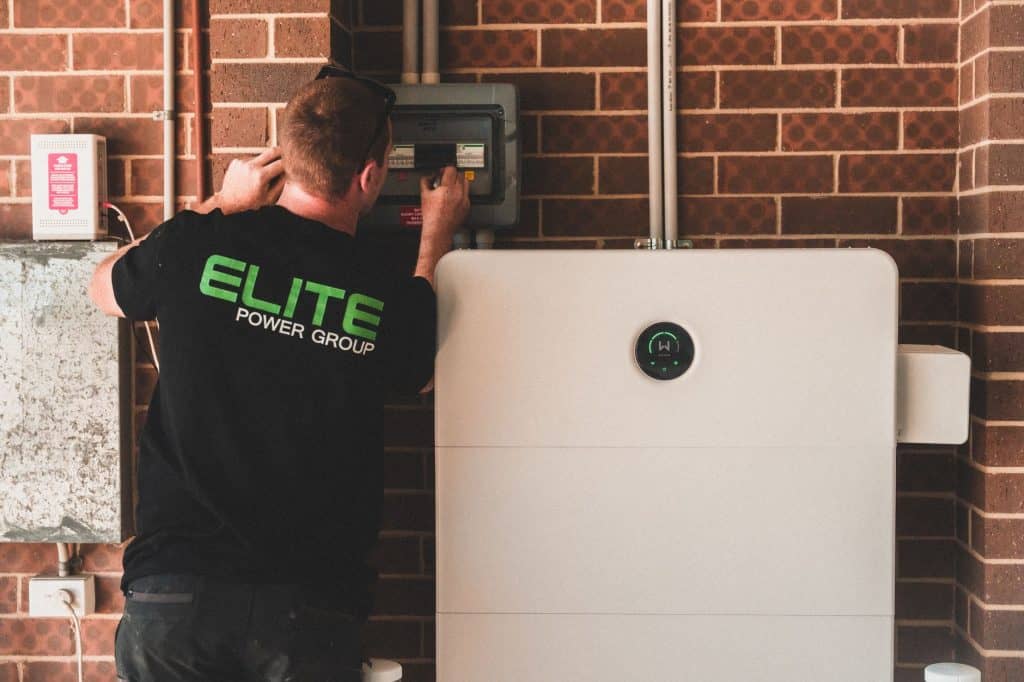
Battery Energy Storage Systems (BESS) and inverters are central components for implementing solar balancing power. Batteries store surplus solar electricity generated during peak irradiance periods and discharge stored energy when production falls below load, thus shifting electricity supply across time.
Common battery chemistries in solar balancing applications include lithium-ion variants (such as NMC or LFP types) and lead-acid, with lithium-ion systems dominating due to higher energy density and longer cycle life. Residential-scale battery capacities are generally between 5 kWh and 20 kWh, while utility-scale BESS for grid balancing range from 500 kWh to several MWh per installation.
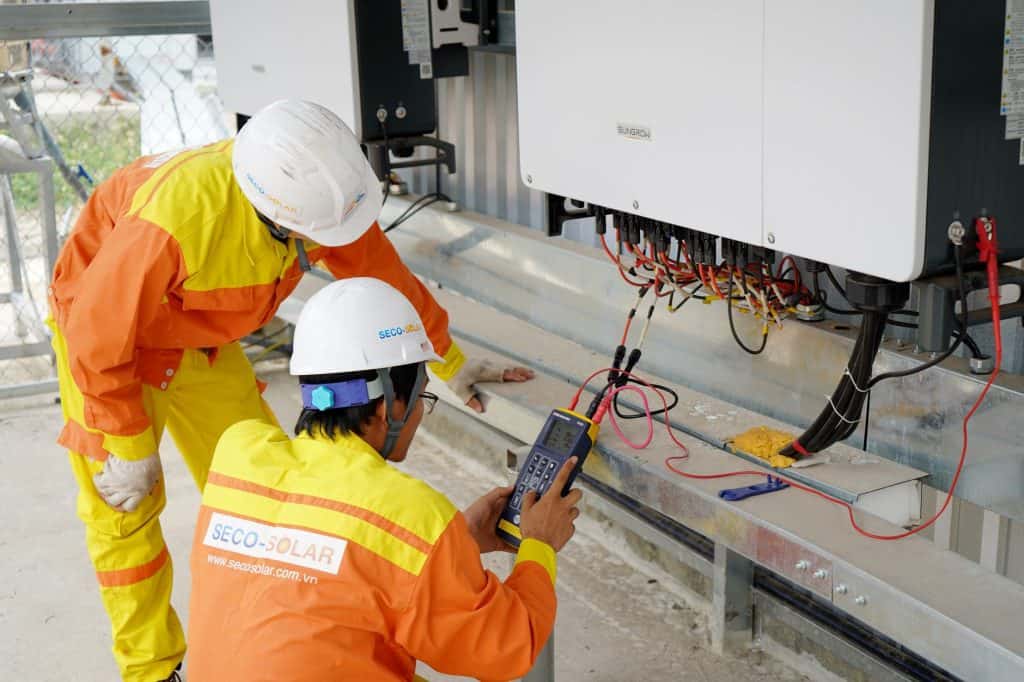
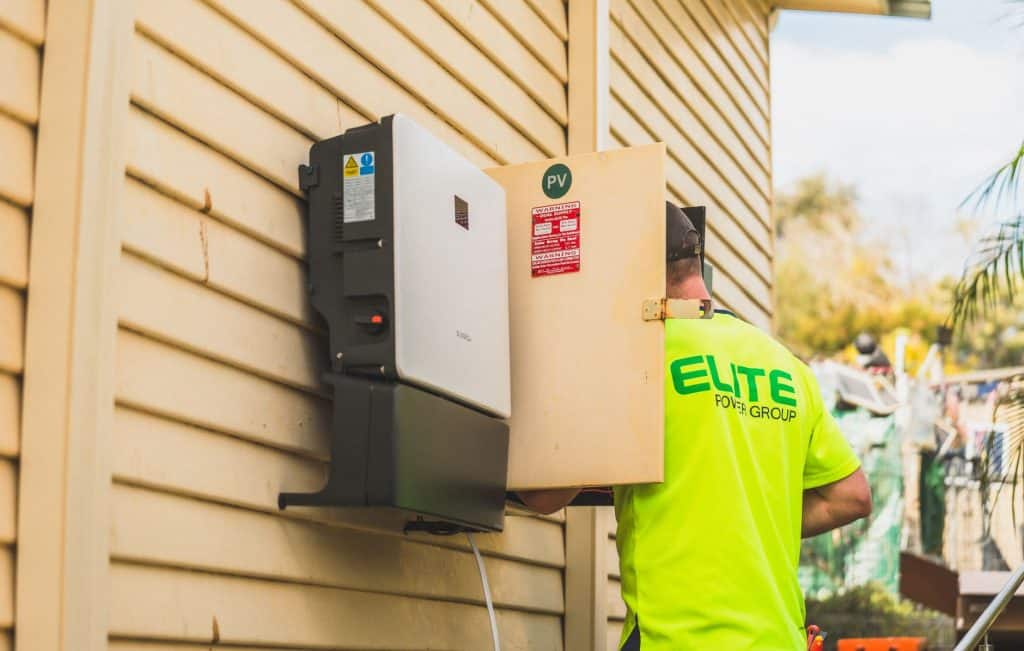
Inverters perform direct current (DC) to alternating current (AC) conversion to match grid voltage and frequency requirements. Inverters used in solar balancing systems incorporate grid-support functionalities including reactive power control and low-voltage ride-through (LVRT). Typical inverter efficiencies range from 95% to 98%, minimizing losses in conversion. Compliance with grid codes such as European EN 50549 or relevant Serbian regulations mandates features like autonomous voltage regulation, reactive power modulation within ±0.4 per unit (pu), and anti-islanding protection.
Balancing Solar Power with Electricity Load in Residential and Community Settings
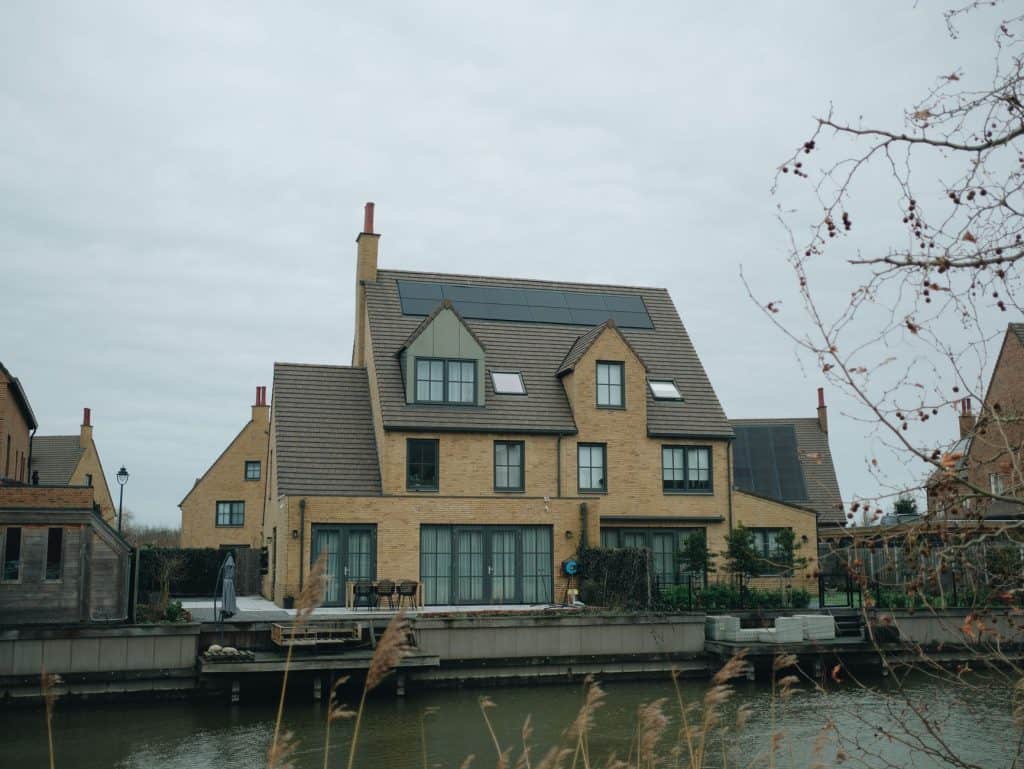
In residential and community contexts, solar balancing power integrates battery storage, inverter controls, and demand-side management to match variable electricity load with fluctuating solar generation. Common strategies include load shifting, where flexible loads like water heating or electric vehicle charging are scheduled during peak solar production periods.
Batteries store excess solar power produced during midday hours and supply it during morning and evening demand peaks when solar availability declines. This load-shifting enhances self-consumption and reduces net grid imports.
Solar Plus Garden’s community membership model applies these principles to a 10 MW plant complemented by a garden community with up to 3,000 parcels. Members pay a €200 one-time membership fee invested in solar infrastructure and may optionally subscribe to the €20/month Garden box, delivering fresh produce approximately 18 times annually. The steady, seasonal demand from the garden activities aligns loosely with electricity load cycles, providing more predictable electricity consumption patterns that assist in balancing system design.
Typical residential load curves show peaks between 6-9 AM and 6-10 PM, while solar generation peaks between 11 AM and 3 PM, creating a temporal gap bridged by battery storage. This storage effectively shifts solar power from midday surplus to evening peak demand, reducing voltage stress and frequency swings within the community grid.
Voltage Regulation and Grid Code Requirements for Solar Balancing Power
Voltage regulation in solar balancing employs inverter control of reactive power to maintain local voltage levels within specified bounds, typically ±5% of nominal voltage. Reactive power injection or absorption is modulated dynamically, often within a range of ±0.4 pu, adapting to real-time grid conditions.
Grid standards such as EN 50549 and national codes applicable in Serbia enforce mandatory functions for distributed energy resources, including voltage control with timescales from milliseconds to seconds, frequency response capabilities adjusting active power output by up to ±5% of rated power within seconds, and robust anti-islanding mechanisms that ensure disconnection when the grid is faulted or isolated.
Anti-islanding protection relies on detection algorithms monitoring grid voltage and frequency deviations, guaranteeing rapid system shutdown typically within 2 seconds to prevent safety hazards to maintenance crews and grid integrity.
Implementing Solar Balancing Power in the Solar Plus Garden 10 MW Project
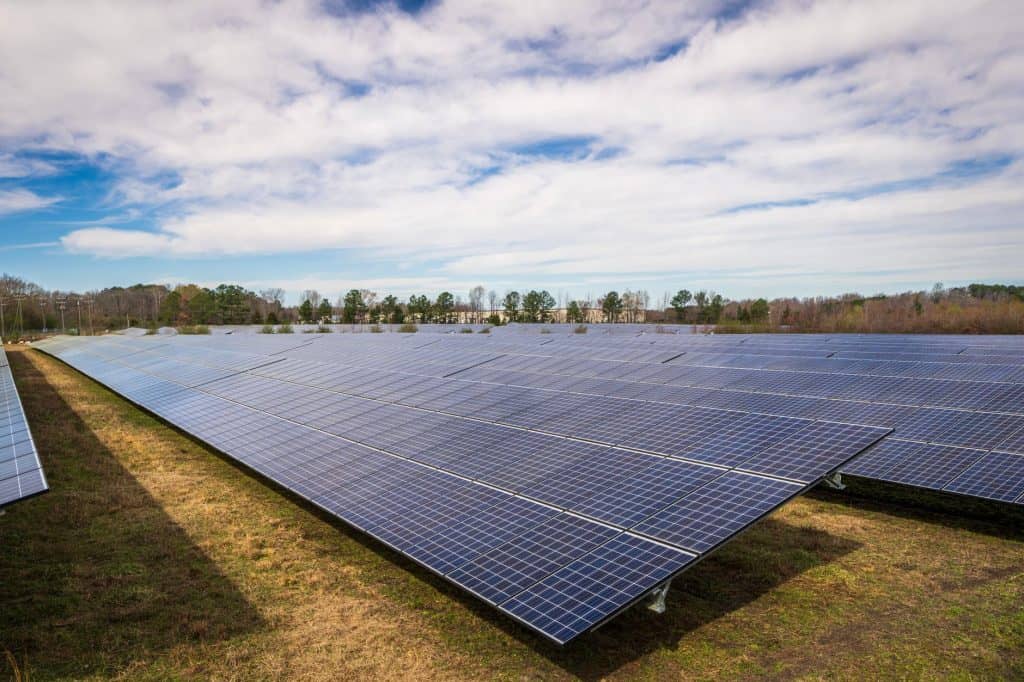
The Solar Plus Garden 10 MW project integrates distributed battery storage units sized between 1 MWh and 3 MWh to complement solar generation variability and community load profiles. These battery units operate under centralized control with distributed inverter assets, enabling coordinated power balancing.
The investment model is structured for transparency and regulatory compliance. The Estonian OÜ legal entity operates the solar plant, while a Serbian DOO manages the Garden community, establishing a clear separation of responsibilities and financial flows. Investor funds collected through a regulated escrow-based system allocate capital to battery storage and inverter procurement, installation, and maintenance.
Membership fees (€200 one-time and €20 monthly optional Garden box) finance the operations and upkeep of balancing infrastructure and support community initiatives. This structured funding secures predictable cash flow for balancing system O&M, essential for maintaining system availability and reliability over the project’s expected lifecycle of 20+ years.
Measuring and Optimizing Solar Balancing Power Performance
Performance monitoring relies on real-time telemetry from battery management systems (BMS) and inverter controllers. Key performance indicators include voltage stability (targeting <±2% deviation under standard operating conditions), harmonic distortion (limited to <5% total harmonic distortion per IEEE 519), battery state-of-charge (SoC) cycling patterns, and round-trip efficiency of battery storage, typically reaching 85-90% for lithium-ion technology.
Inverter response times for voltage and reactive power adjustments are designed to be under 100 milliseconds, enabling swift correction of grid anomalies. AI-driven forecast platforms analyze weather data and load trends to optimize battery dispatch and inverter setpoints, extending battery cycle life by avoiding excessive depth of discharge and identifying maintenance triggers.
Battery cycle life in operational conditions ranges from approximately 3,000 to 5,000 full equivalent cycles depending on chemistry and depth-of-discharge. This informs scheduled maintenance and replacement planning to prevent capacity shortfall and downtime.
Transparent KPI reporting to investors and community members enhances trust by providing verifiable operational results, including documented improvements in local voltage stability and reduced reliance on external grid balancing services.
Risks and Mitigation Strategies in Solar Balancing Power Systems
Technical risks include progressive battery capacity degradation, typically 2–3% loss per year with current lithium-ion technologies, and inverter component failures which must be mitigated through redundancy and timely preventive maintenance. Control algorithm failures can introduce grid instability, requiring rigorous software validation and updates.
Financial risks stem from electricity price variability affecting revenue from balancing services and potential regulatory changes impacting eligibility or compensation mechanisms for such services.
Mitigation includes deploying parallel inverter circuits providing failover, scheduled battery health diagnostics and replacement intervals aligned with warranty terms (usually 10 years for inverters, variable for batteries), and contract flexibility to adapt to evolving market or legislative changes. Continuous regulatory monitoring ensures prompt adjustment of operational strategies.
Future Trends in Solar Balancing Power and Their Impact on Community Energy Models
Advancements expected in battery technologies include solid-state batteries and flow batteries that target cycle lives exceeding 10,000 cycles and improved safety profiles, which would substantially reduce operational costs and replacement downtime. These technologies remain in advanced development and early deployment stages.
Next-generation inverters incorporate AI algorithms for autonomous grid support, enabling predictive balancing actions and participation in peer-to-peer energy exchanges within local communities. This creates finer granularity in voltage and frequency control, improving overall grid resilience.
Regulatory frameworks anticipated around 2028 plan to codify enhanced inverter functionalities and introduce incentives for community-scale balancing assets, accelerating distributed energy resource integration.
Models like Solar Plus Garden will benefit from these developments by scaling solar plus storage projects with community participation, reinforcing local energy autonomy and sustainability while ensuring compliance with evolving grid requirements.
Frequently Asked Questions
- What is solar balancing power and why is it essential for grid stability?
- Solar balancing power comprises technologies and operational methods that synchronize solar electricity generation with variable load demands, maintaining voltage within ±5% and frequency within ±0.1 Hz of nominal values. This balance prevents equipment damage and preserves grid reliability amid solar intermittency.
- How do batteries and inverters work together to balance solar power?
- Batteries capture excess solar power during peak sunlight hours and discharge stored energy when generation drops below load requirements. Inverters convert DC power from batteries and solar panels into grid-compatible AC while regulating voltage and providing reactive power support as required by grid codes.
- Can individual solar investors participate in solar balancing power solutions?
- Yes. The Solar Plus Garden project allows small and medium investors to engage through a regulatory-compliant membership and investment model. Collective funding supports deployment and maintenance of balancing power infrastructure integrated with community benefits like local agricultural produce.
- What standards and regulations govern solar balancing power equipment?
- Solar balancing equipment must comply with standards such as European EN 50549 and relevant national grid codes, mandating voltage and frequency control, reactive power capabilities, anti-islanding protection, and rapid grid fault detection protocols to ensure safe and reliable operation within interconnected electricity systems.
Solar balancing power technologies are fundamental for integrating variable solar electricity into the grid by aligning generation with load using battery storage and smart inverters. Solar Plus Garden’s 10 MW initiative exemplifies a structured, investor-ready approach combining regulated investment, community membership, and technical sophistication. Prospective participants should assess transparency, technical specifications, and community engagement aspects. Advancements in battery and inverter technology, along with evolving grid codes, will elevate balancing capacities and further enable community-driven energy systems.