









Grid Connection Process Solar: How to Connect Solar Power Plants to the Electricity Grid

Overview of the Electricity Grid and Solar Power Systems
The electricity grid is an interconnected network that facilitates the transmission and distribution of electrical power from generation sources to end consumers. It consists of transmission lines that operate at high voltages (typically 110 kV and above) for long-distance bulk power transfer, and distribution lines that step down voltage to levels suitable for residential, commercial, and industrial use (commonly 230/400 V for low voltage). A connection point is the physical interface where a solar power system connects to the utility grid, enabling the flow of electricity in both directions depending on generation and consumption.
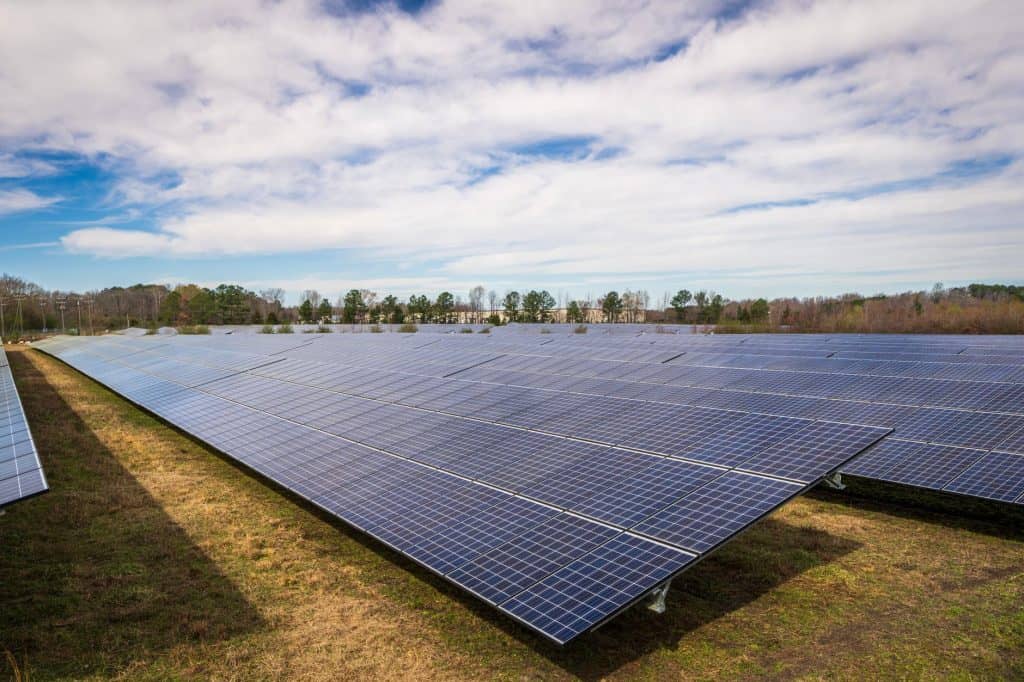
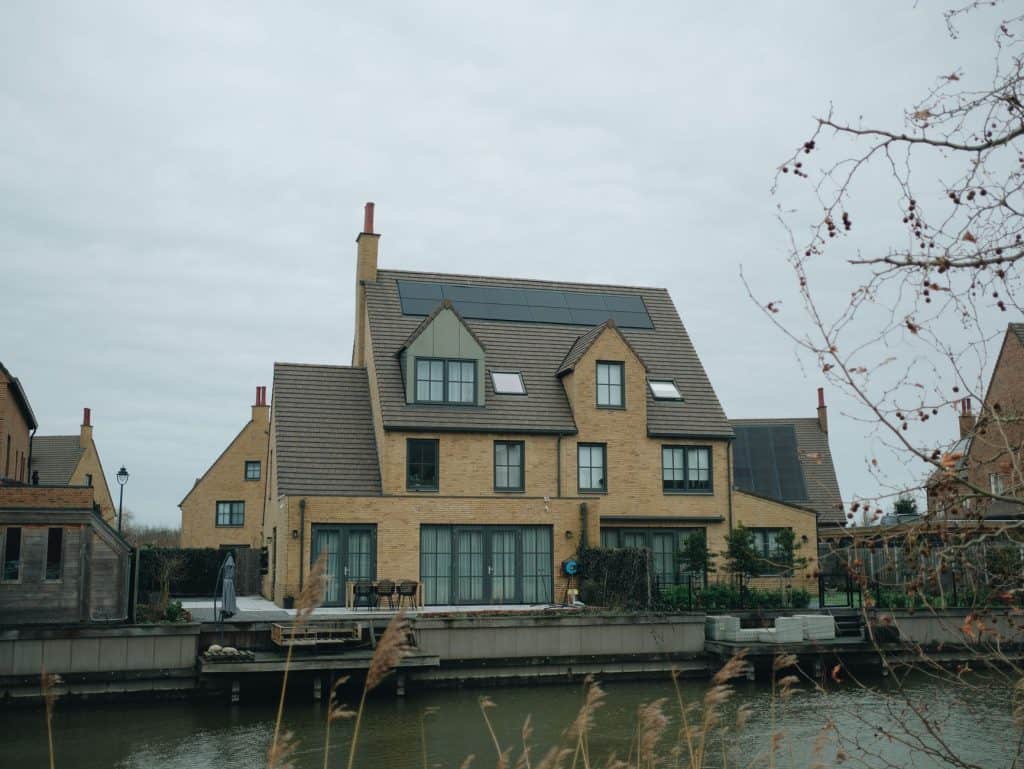
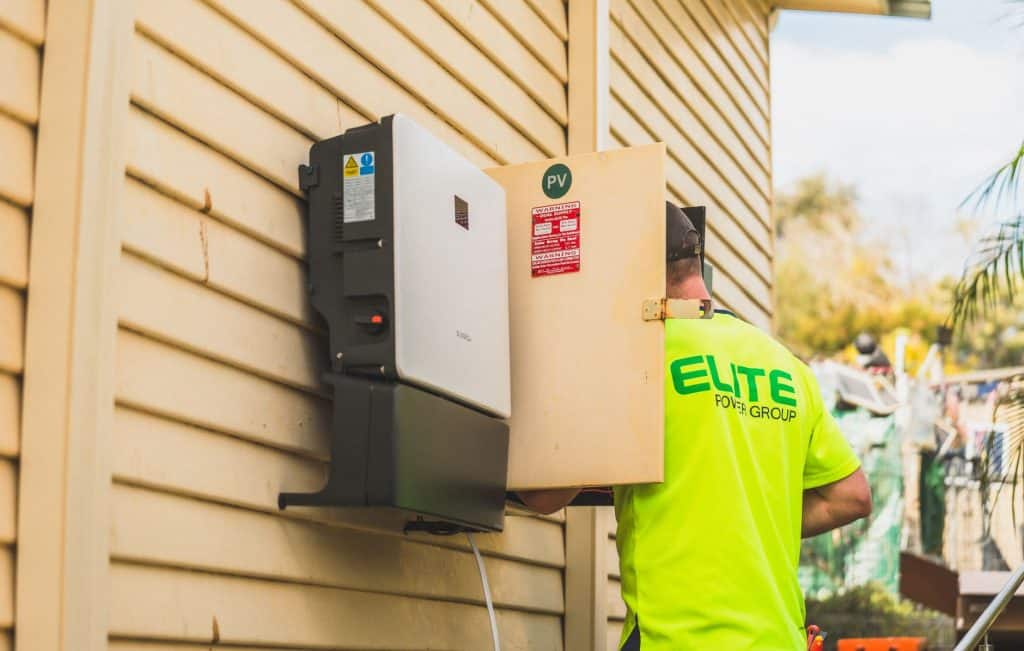
A grid-connected solar power system typically comprises solar panels (photovoltaic modules) that convert solar irradiance into direct current (DC) electricity, an inverter that converts DC into grid-compatible alternating current (AC) at standard voltage and frequency (e.g., 230 V, 50 Hz in Europe), and a meter that records the net energy exchanged with the electricity grid. The solar grid connection allows solar power to supplement existing sources, improving the share of renewable energy within the overall power system while requiring synchronization with grid voltage, frequency, and phase.
The connection point also serves as the regulatory boundary ensuring the solar power system complies with technical and safety standards imposed by the transmission or distribution system operator (TSO/DSO), maintaining grid stability and operational security.
Step-by-Step Solar Grid Connection Process
The grid connection process solar involves a series of coordinated stages regulated by local grid operators and industry standards, typically as follows:
- Initial site assessment and feasibility study: This includes evaluating irradiance levels, site topography, available interconnection capacity, and proximity to the nearest connection point. The study examines potential network constraints, grid voltage profiles, and potential need for upgrades. Tools such as Geographic Information Systems (GIS) and grid impact models (load flow, short circuit) support this analysis.
- Application submission: The project developer submits a detailed interconnection request to the local utility or grid operator, providing technical data including system capacity (in kW or MW), inverter specifications, single-line diagrams, proposed connection point, and protection schemes, per directive requirements.
- Technical evaluation: The utility conducts power system studies including load flow, fault level, and voltage rise assessments, ensuring the proposed installation meets the grid code—including harmonics, voltage flicker, and power factor standards. This evaluation may require provisional grid reinforcements to accommodate the new solar power system.
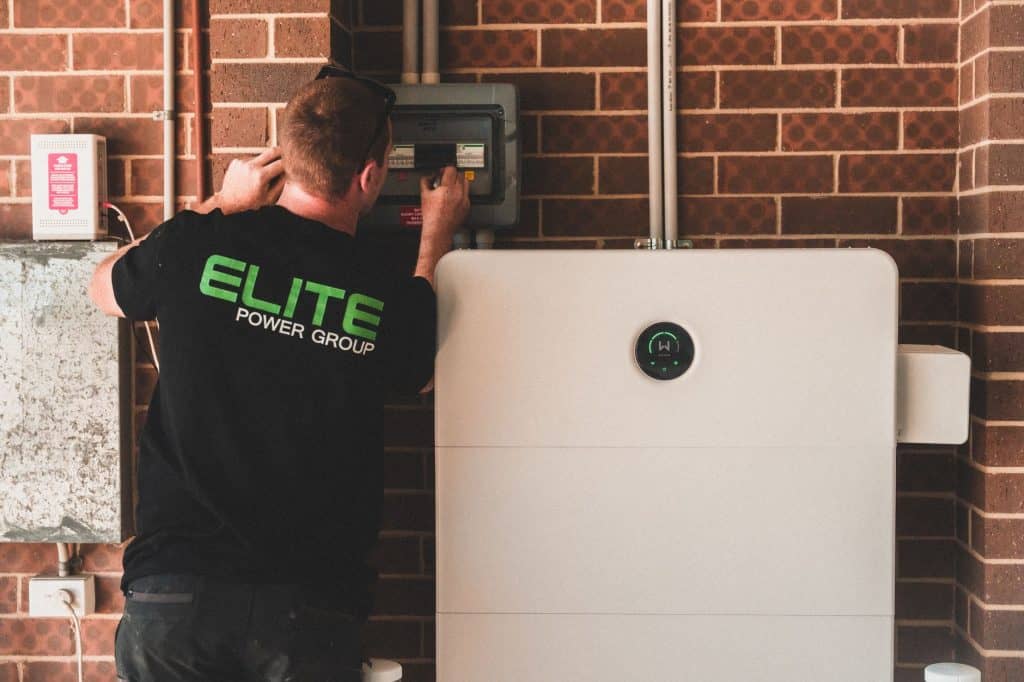
- Installation of key equipment: Following approval, certified installers mount solar panels, the inverter with grid synchronization capability, bi-directional meter compliant with standards such as IEC 62053-21, and protective devices (e.g., residual-current devices, surge protection). The connection point equipment is configured to comply with local interconnection requirements.
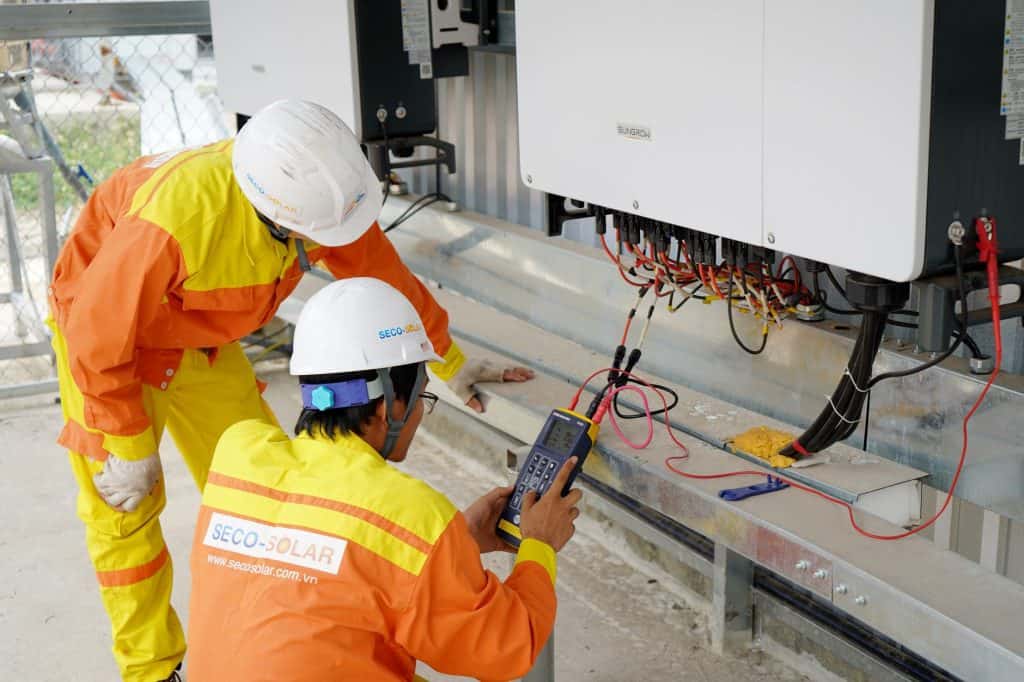
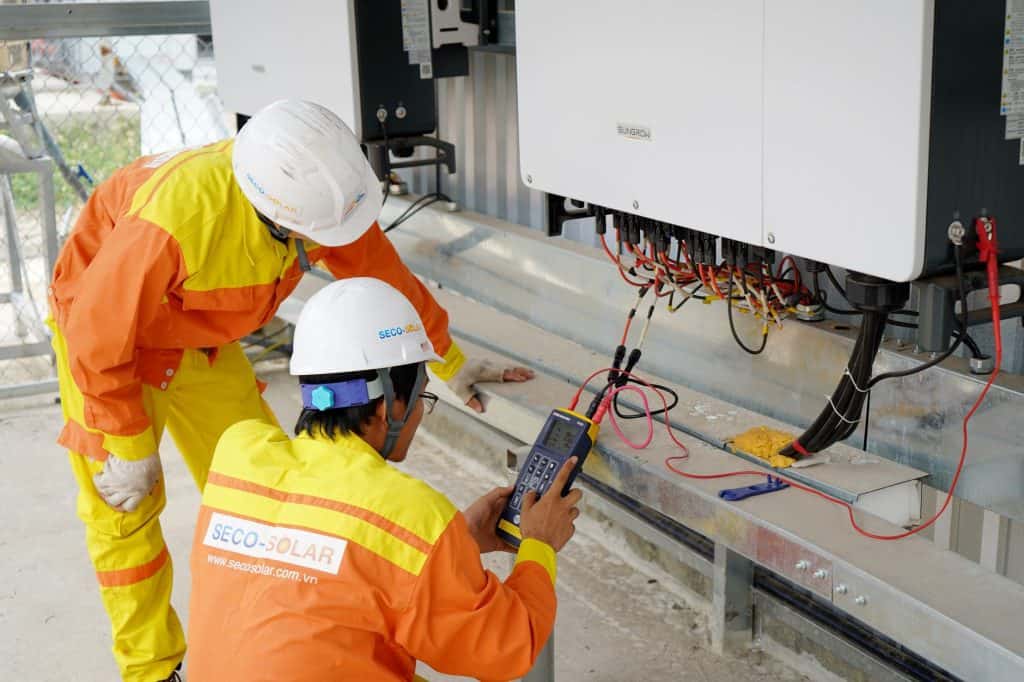
- Final inspection and commissioning: Grid operator authorized personnel inspect installation compliance with technical specification and safety standards, including verification of anti-islanding protection (per IEC 62116), relay settings, and proper labeling.
- Grid approval and interconnection: Upon satisfactory inspection, formal approval is granted, enabling the solar power system to operate synchronously with the electricity grid. This allows injection of renewable electricity into the solar grid and export billing per net metering or feed-in tariff structures.
The entire process duration is influenced by system size, local regulatory framework, and network specifics, typically ranging from 2 to 12 weeks for systems below 1 MW. Larger systems or areas requiring substation upgrades can extend timelines by several months.
Technical Mechanism of Connecting Solar Power to the Grid
The inverter is the core device enabling the safe and effective integration of solar power into the grid-connected power system. It converts the DC output of solar panels into AC with voltage, frequency, and phase that match the local electricity grid standards (e.g., 230 V ±10 %, 50 Hz ±0.1 Hz).
The meter installed at the connection point precisely records energy flow in both directions, facilitating net metering schemes which can credit exported energy against consumption. Meters conform to international metrology standards such as IEC 62053-21 for active energy measurement.
Safety features include anti-islanding protection mandated by standards like IEC 62116 or UL 1741, which instantly disconnect the solar power system from the electric grid during grid outages to prevent unintentional power feeding that could endanger repair personnel or damage infrastructure.
Additional grid support functionalities required by some jurisdictions include voltage ride-through, reactive power control, and frequency response to support grid stability amid high renewable energy penetration.
Cost Factors in the Solar Grid Connection Process
Costs incurred during grid connection encompass multiple elements:
- Application and technical review fees: These administrative fees vary depending on utility policies and can range from a few hundred to several thousand euros for larger systems.
- Equipment costs: Certified inverters compliant with grid codes, anti-islanding capabilities, and bi-directional meters constitute significant expenses. Protective relays and auxiliary control equipment are sometimes necessary for medium voltage connections.
- Grid upgrades: If load flow analysis reveals that existing network components cannot accommodate the new solar power system, network operators may require reinforcement measures such as transformer upgrades, line reconductoring, or installation of reactive power compensation, which can raise connection costs substantially and extend timelines.
Local variations in grid complexity, system size, and regulatory environment significantly affect total costs. For reference, mid-sized installations up to 1 MW typically face grid connection fees in the range of 1,000 € to 10,000 €, excluding equipment and installation labor.
Risks and Challenges in Connecting Solar Power Plants to the Grid
- Delays from regulatory or technical disputes: Ambiguities in grid code interpretation, incomplete application documentation, or disputes over equipment certification can extend approval timelines, impacting project schedules.
- Compliance with evolving grid codes: Jurisdictions often update standards to reflect increasing renewable integration, requiring system redesigns or costly retrofit of installed equipment to maintain compliance.
- Grid capacity limitations: High penetration of intermittent solar energy can cause congestion in distribution feeders, resulting in curtailment rates reached up to 15% in some regions during peak solar generation periods, reducing actual energy export and associated revenues.
- Installation errors: Deficient installation or commissioning may cause equipment faults, increased downtime, safety hazards, or non-compliance fines. Usage of certified professionals following detailed installation and testing protocols reduces these risks.
Decision Criteria for Selecting the Appropriate Grid Connection Strategy
- Voltage level selection: Systems below 100 kW typically connect at low voltage (230/400 V), simplifying protective requirements and lowering costs. Systems exceeding this threshold generally require medium voltage connections (10–35 kV), involving more complex protection schemes and coordination with grid operators.
- System configurations: Battery-backed or hybrid configurations increase complexity but provide ancillary grid services and resilience during outages through island operation capability. Purely grid-tied systems without storage have fewer interconnection requirements but depend fully on grid availability.
- Local utility policies and incentives: Connection procedures, allowable capacity thresholds, and available financial incentives vary by jurisdiction. These influence project feasibility and dictate specific interconnection standards.
- Connection point location: Proximity to distribution substations or transformers reduces extension cabling and eases voltage regulation, lowering connection costs and reducing technical barriers.
Maintenance and Monitoring After Grid Connection
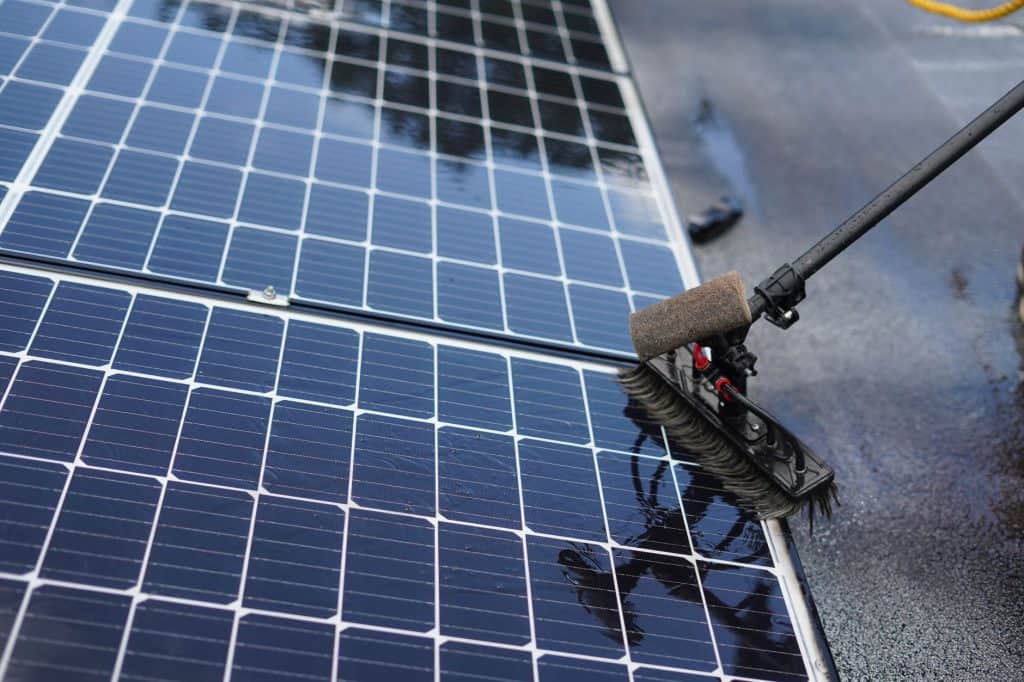
- Inverter maintenance: Scheduled inspections every 12 to 24 months include firmware updates to meet evolving grid code requirements and verification of operational parameters to ensure continuous grid compliance.
- Meter calibration: Verification and recalibration follow schedules determined by the local utility or metrology authority (commonly every 2–5 years) to maintain measurement accuracy essential for billing integrity.
- Remote monitoring: Many modern solar power systems include SCADA (Supervisory Control and Data Acquisition) platforms enabling real-time performance tracking, fault detection, and remote troubleshooting, improving availability and operational reliability.
- Grid operator reporting: Depending on interconnection agreements, operators may require periodic submissions of operational data, including production metrics and compliance reports, to demonstrate ongoing adherence to electric grid standards.
Outlook: Trends Impacting Future Solar Grid Connection Processes
- Smart grid technologies: Integration of advanced metering infrastructure (AMI), automated fault detection, and digital communication protocols (e.g., IEC 61850) facilitates streamlined interconnection procedures, with pilot projects demonstrating potential connection time reductions of up to 30%.
- Regulatory changes: Increasing digitization of the application process and harmonization of grid codes across regions enhance transparency and reduce administrative overhead, expediting project timelines.
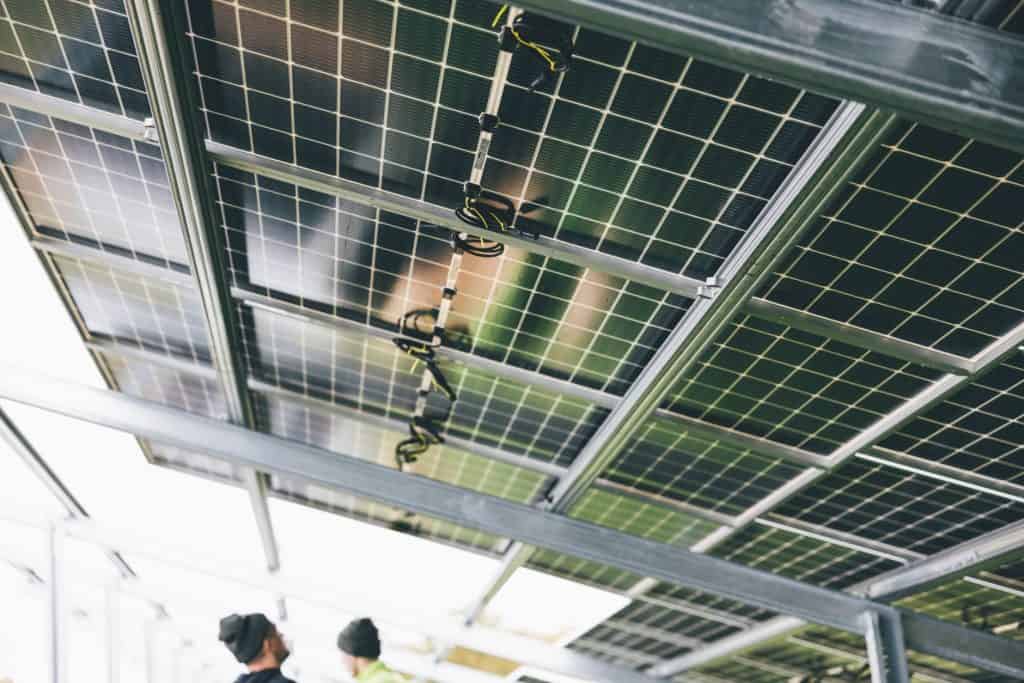
- Growth of agrivoltaic and community solar models: Platforms such as Solar Plus Garden combine solar power system investments with regenerative agriculture and community engagement models, offering diversified social and environmental benefits alongside clean energy generation.
- Battery storage integration: The rise of hybrid systems incorporating storage extends grid support capabilities and allows for load shifting, enhancing flexibility in renewable energy dispatch and contributing to grid stability.
Frequently Asked Questions
What is the typical timeline for completing the grid connection process for a solar power plant?
The grid connection process varies with project size and local regulatory conditions but typically spans from 2 to 12 weeks. Larger systems or those requiring network reinforcement may take several months due to more extensive technical evaluations and upgrade works.
Are there additional costs apart from the installation of solar panels when connecting to the grid?
Yes. Beyond solar panel procurement and installation, costs include application and review fees charged by utilities, purchase and installation of certified inverters and meters with grid compatibility, and any necessary grid upgrades such as transformer or line reinforcements identified during the technical evaluation.
Can a solar power system continue generating electricity during a grid outage?
Standard grid-connected solar power systems must automatically disconnect during outages to comply with anti-islanding protections, preventing unintentional energization of the grid. Systems equipped with battery storage and hybrid inverters designed for islanding can resume power supply in isolated mode when the main grid is down.
What are the technical requirements for inverters in grid-connected solar systems?
Inverters must provide anti-islanding protection, maintain voltage and frequency within prescribed ranges, and often offer reactive power control. Compliance with standards such as IEC 62116 (anti-islanding) and IEC 61000-3-2 (harmonics) is mandatory in many jurisdictions to ensure safe and grid-friendly operation.
Conclusion
Accurate understanding of the grid connection process solar is essential for successful development and operation of solar power systems. Comprehensive evaluation of site conditions, adherence to technical standards, and coordination with utility grid operators underpin reliable interconnection. Property owners, developers, and investors should remain informed about regulatory updates, evolving technologies, and best practices to mitigate risks and optimize results. The Solar Plus Garden platform exemplifies an integrated approach by coupling renewable energy generation with community-driven agrivoltaic concepts, aligning environmental sustainability with socio-economic benefits. Continuous engagement with grid operators and adherence to technical frameworks will ensure smooth commissioning and long-term operational stability in increasingly dynamic electric grid environments.