









How to Grow and Use Organic Pea Shoots: A Practical Guide for Fresh, Tender Greens

Understanding Organic Pea Shoots and Their Nutritional Benefits
Pea shoots are the young, tender leaves and stems of the pea plant (Pisum sativum), harvested before the plant develops fully mature peas. These shoots feature a delicate texture and a fresh, mild pea flavor, making them a preferred choice among microgreens and culinary applications. Unlike mature pea pods and seeds, pea shoots provide a distinct nutritional profile emphasizing vitamins and antioxidants.
According to USDA food composition data, 100 grams of fresh organic pea shoots contain approximately 50 to 60 µg of vitamin A (as retinol activity equivalents), 25 to 30 mg of vitamin C, and 200 to 250 µg of vitamin K1. Minerals such as iron (2.0–2.5 mg) and calcium (40–50 mg) are also present at meaningful levels. These values vary based on soil quality, cultivar, and growing conditions but reflect typical ranges for organically farmed shoots. The presence of antioxidant polyphenols contributes to reducing oxidative stress, a benefit supported by multiple phytochemical analyses. The avoidance of synthetic pesticides and fertilizers in organic systems helps preserve these nutrient levels and avoid chemical residues that may affect both taste and safety.
While mature peas are primarily valued for their protein (about 5 g per 100 g) and dietary fiber content, organic pea shoots prioritize vitamins A, C, and K, alongside antioxidants. Choosing organic pea shoots ensures cultivation without synthetic chemical inputs, aligning with organic certification standards such as the USDA National Organic Program (NOP) or EU Organic Regulation 2018/848, which prohibit synthetic pesticides and fertilizers during the growing cycle.
Choosing and Sourcing Organic Pea Seeds for Reliable Growth
Starting with certified organic pea seeds is essential to maintain the organic integrity of pea shoot cultivation. Organic certification requires that seeds come from sources free of chemical seed treatments and genetically modified organisms (GMOs), ensuring compliance with standards such as USDA NOP or EU Organic Regulation 2018/848.
Preferred varieties for organic pea shoots include sugar snap peas (Pisum sativum var. macrocarpon) and snow peas (Pisum sativum var. macrocarpon semilope), which have fast germination rates—typically within 3-5 days—and strong shoot vigor. Seeds labeled specifically for microgreens or sprouting often have higher germination rates validated by supplier germination tests conducted under controlled conditions (20°C, 7-day germination test).
Verification of seed authenticity involves examining labeling standards. Certified organic seeds display marks such as the USDA Organic seal or the EU Organic leaf logo alongside certification body codes (e.g., ECOCERT, DE-ÖKO-006). These certification labels indicate compliance with seed handling practices, including physical isolation from conventional seeds and absence of prohibited treatments such as fungicides or insecticides. Buyers should review supplier documentation and request germination and purity reports to ensure high-quality seed lots suited for microgreen cultivation.
Step-by-Step Guide to Growing Organic Pea Shoots at Home or Community Gardens
Growing organic pea shoots takes between 10 to 14 days from sowing to harvest, under conditions optimized for brisk germination and shoot elongation. The process is adaptable to home settings, community garden plots, or agrivoltaic installations with adjusted microclimates.
- Preparation of growing medium: Use a sterile organic potting mix composed of peat moss or coconut coir blended with perlite or vermiculite in a 3:1 ratio to retain moisture and ensure drainage. Ensure pH is between 6.0 and 6.5 for optimal nutrient availability.
- Seed soaking: Soak organic pea seeds in clean water for 12 to 24 hours at ambient temperature (18–22°C) to trigger enzymatic activity, enhancing uniform germination. Drain seeds thoroughly before sowing to prevent rot.
- Sowing density and depth: Sow seeds evenly at approximately 150–200 grams per square meter on the surface of the moist medium, covering lightly with 1–2 cm of soil or soilless mix. Avoid seed overlap to minimize fungal disease risk and ensure airflow among emerging shoots.
- Germination and growth monitoring: Maintain medium moisture at field capacity through daily misting or bottom watering. Use indirect bright light or diffuse natural daylight with temperature maintained between 18-22°C. Monitor shoots for germination within 3–5 days; growth to harvest height of 7–10 cm typically requires an additional 7–10 days.
- Harvesting method: Cut shoots just above the substrate line using sterilized scissors or knives at 7–10 cm height to maximize tenderness. Multiple harvest cycles are possible by leaving a 1 cm stubble, allowing regrowth within 7–10 days. Avoid harvesting beyond 14 days to prevent fibrous texture and reduced nutrient quality.
This protocol suits indoor trays or garden beds, with environmental controls adapted accordingly. For larger-scale microgreen production, controlled-environment chambers or greenhouses with regulated humidity (50-60%) and ventilation prevent damping-off disease.
Best Practices for Using Fresh Organic Pea Shoots in Culinary Applications
Fresh organic pea shoots offer subtle sweetness and a crisp texture, making them versatile for various dishes without overpowering other flavors.
- Pea shoot recipes: Raw pea shoots are ideal for salads, adding a mild sweetness and bright green color. They can be quickly wilted in stir-fries by adding them during the last 1-2 minutes of cooking at medium-high heat to retain crispness. In sandwiches, they provide textural contrast and freshness. Smoothies benefit from their light pea taste, blending well with fruits and leafy greens. Garnishing soups or plates with fresh pea shoots enhances visual appeal and nutritional density.
- Preservation of nutrients: To preserve vitamins and antioxidants, rinse shoots gently under cool water without prolonged soaking, which can leach water-soluble nutrients like vitamin C. Excess moisture removal via salad spinners or paper towels prevents premature spoilage.
- Storage guidelines: Store pea shoots in breathable packaging (e.g., perforated plastic or paper bags) in refrigeration at 0 to 4°C. Under these conditions, controlled-atmosphere storage studies indicate freshness retention up to 5 days, with minimal chlorophyll degradation and firmness loss. Avoid freezing or dehydration, as these processes degrade cellular structure and diminish the characteristic tender texture and flavor.
Integrating Organic Pea Shoots into Sustainable Agrivoltaic Garden Systems
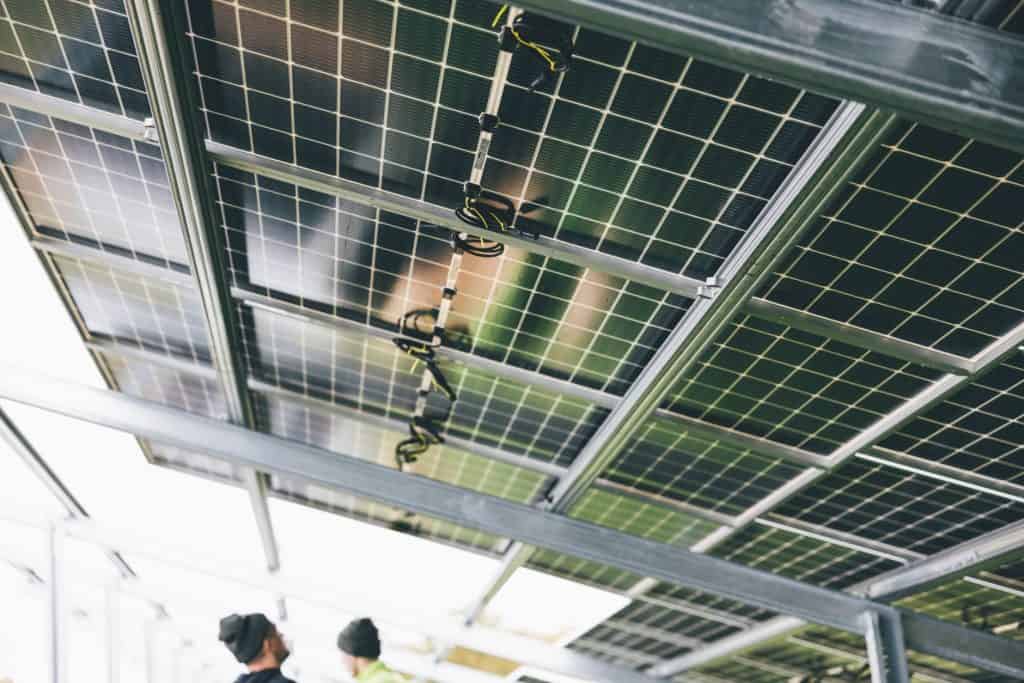
The Solar Plus Garden agrivoltaic system combines solar photovoltaic power generation with organic horticulture, providing microclimatic benefits conducive to pea shoot cultivation. Solar panels installed 2.5 to 3 meters above the garden modulate sunlight intensity, reducing heat stress and direct solar radiation while maintaining diffuse light levels between 40% and 70% of full sun, optimal for shaded crops like pea shoots.
The Garden membership model links community access to participation in the regulated 10 MW solar investment platform. Members pay a €200 one-time fee invested in solar infrastructure, supporting renewable energy production alongside organic food cultivation. An optional monthly €20 Garden box subscription delivers seasonally fresh produce, including pea shoots, sourced from up to 3,000 allocated garden plots maintained under controlled organic practices.
This integrated approach aligns with EU organic certification requirements by segregating organic horticulture activities into a separate legal entity, distinct from solar asset ownership. Transparent payment and escrow models ensure that proceeds from solar output fund ongoing community and garden operations without financial commingling. The result is an environmentally sustainable, investor-ready platform optimizing local food production while supporting renewable energy goals.
Harvest Timing and Quality Control Standards for Organic Pea Shoots
Harvest timing for organic pea shoots is critical to maximize nutrient density and palatability. The recommended window ranges from 10 to 14 days post-sowing, aligning with the stage at which shoots reach 7–10 cm height exhibiting vibrant green coloration. Shoots harvested beyond this stage tend to develop tougher, more fibrous lower stems, detracting from texture.
Quality control protocols include:
- Visual inspection for uniform leaf color without yellowing or brown spotting, indicative of chlorophyll preservation and absence of fungal issues.
- Exclusion of shoots showing signs of lodging or stem lignification, measured by tactile assessment of stem flexibility.
- Post-harvest washing in potable water compliant with EU Regulation No 852/2004 on food hygiene, followed by drying to reduce microbial contamination.
- Traceability maintained through batch numbering from seed lot identification through harvest, storage, and delivery, meeting organic certification documentation requirements.
Compliance with these procedures supports integrity for consumers and adherence to organic food safety frameworks applicable in EU and US jurisdictions.
From Seed to Plate: Common Challenges and Solutions When Growing Organic Pea Shoots
Cultivating organic pea shoots involves managing biological and environmental risks that affect crop viability and quality:
- Fungal diseases: Powdery mildew (Erysiphe pisi) typically manifests 7–10 days after germination under high humidity (>70%) and temperatures between 18-24°C. Early visual detection coupled with removal of infected material limits spread.
- Pests: Aphids (Acyrthosiphon pisum) infestations are common in enclosed or sheltered environments. Monitoring and physical controls, such as sticky traps and manual removal, are primary measures.
- Damping-off: Caused by Pythium and Rhizoctonia species, this fungal disease affects seedlings under saturated media and poor ventilation. Avoiding overwatering and improving airflow are preventive.
- Environmental stressors: Exposure to temperatures below 15°C inhibits germination and shoot elongation; excess moisture predisposes shoots to fungal infections. Maintaining temperature within the 18-22°C range and moisture near field capacity (not saturation) is essential.
Preventive strategies include sterilizing seeds and growing media (e.g., through heat treatment at 70°C for 30 minutes or hydrogen peroxide application), maintaining adequate spacing for airflow, and applying organic-approved treatments such as neem oil or insecticidal soap in accordance with EU Organic Regulation 2018/848, which restrict synthetic pesticide use and emphasize cultural controls.
Utilizing seed lots with germination rates above 85% as verified by supplier tests improves consistency, while proper seed storage—cool (below 12°C), dry (<50% relative humidity), and dark conditions—extends viability up to 12 months.
Frequently Asked Questions (FAQ)
- How long does it take to grow organic pea shoots from seed to harvest?
- Organic pea shoots germinate within 3-5 days and reach harvestable size between 10-14 days after sowing, depending on environmental factors such as temperature and light intensity.
- Can I use regular pea seeds instead of organic ones for microgreen pea shoots?
- Certified organic pea seeds are recommended to avoid exposure to pesticide residues and maintain compliance with organic growing standards. Regular seeds may contain chemical treatments that are not compliant with organic certification.
- How should I store fresh organic pea shoots to maintain their quality?
- Fresh pea shoots should be stored at 0 to 4°C in breathable packaging to preserve firmness and nutrient content for up to 5 days. Avoid washing until just before use and do not freeze shoot greens if fresh texture is desired.
- Are pea shoots suitable for partial shade conditions in solar-powered garden systems?
- Pea shoots tolerate partial shading well and can thrive in agrivoltaic systems like Solar Plus Garden, where solar panels provide filtered light, creating suitable microclimates for quality growth.
Conclusion
To grow and use organic pea shoots effectively, invest in certified organic pea seeds and follow precise growing steps including soaking, seeding density, and environmental control. Harvest shoots within 10 to 14 days when they reach 7–10 cm for optimal nutrition and texture. Proper post-harvest handling and storage at 0–4°C for up to 5 days maintain freshness and nutrient retention. The Solar Plus Garden model integrates sustainable organic shoot cultivation with renewable energy investment and community engagement, providing verified production conditions aligned with relevant organic standards. Monitoring evolving regulations and agrivoltaic integration practices will ensure continued compliance and quality in organic pea shoot production.