









Invest in Renewable Energy Projects: A Practical Guide for Property Owners, Developers, and Investors

Overview of Renewable Energy Projects and Their Growing Investment Appeal
Renewable energy projects involve the development and operation of infrastructure powered by naturally replenishing sources such as solar, wind, biomass, and integrated agrivoltaic systems that combine agricultural use with solar photovoltaic (PV) installations. These clean energy projects aim to reduce carbon emissions while providing diversified energy portfolios for energy companies and investors.
Global capacity additions for renewable energy are forecasted to reach approximately 250-300 gigawatts (GW) annually between 2025 and 2027, based on projections from the International Renewable Energy Agency (IRENA). This growth is driven by binding climate commitments under the Paris Agreement and declining levelized costs of electricity (LCOE) for solar PV and wind technologies, with solar PV LCOE declining by over 80% in the last decade.
In Europe and Serbia, regulatory incentives such as feed-in tariffs, power purchase agreements (PPAs), and net-metering schemes are progressively favoring renewable installations over fossil fuel-based generation. These frameworks provide clarity for renewable energy investments and underpin long-term project viability.
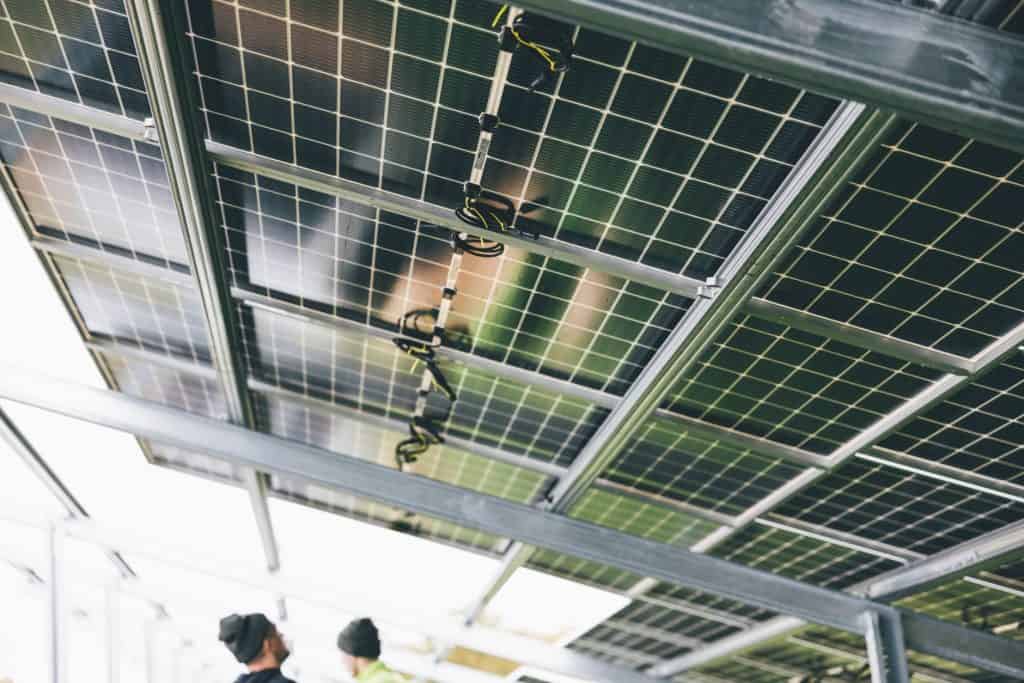
Solar Plus Garden’s 10 MW solar plant project combines utility-scale solar generation with an agrivoltaic community membership model, integrating up to 3,000 garden parcels overlaying the solar arrays for local agricultural production. This dual-use system, aligned with agrivoltaic principles, enhances land-use efficiency by up to 60% compared to traditional solar farms, adding social and environmental value beyond energy output.
How Investing in Renewable Energy Projects Works: Mechanisms and Structures
Investment opportunities in renewable energy projects typically take the form of private equity, debt instruments, or community membership models tailored to different investor profiles and risk levels.
- Private equity investment: Investors acquire equity stakes entitling them to dividends based on project cash flows and potential capital appreciation. Participation thresholds often start at €500 for small and medium investors.
- Debt financing: Fixed-income investors extend loans to projects, receiving scheduled interest payments and principal repayments over agreed terms without ownership rights.
- Community membership models: Membership fees finance renewable energy infrastructure and related community activities. Members gain access to benefits without direct ownership, supporting inclusive participation.
Solar Plus Garden adopts a hybrid model combining private equity investment in a 10 MW solar PV plant with a Garden membership option. Investors can participate with equity stakes starting at €500, while community members pay a one-time €200 membership fee that funds solar infrastructure and garden initiatives.
An optional Garden box subscription, priced at €20 per month, delivers 18 seasonal fresh produce shipments annually, providing tangible community benefits linked to clean energy investments.
Payments are managed through a transparent escrow system with legally binding controls that link disbursement of funds to verified project milestones, ensuring capital is deployed strictly according to the approved plan and investor protection protocols.
Cost Considerations When Investing in Renewable Energy Projects
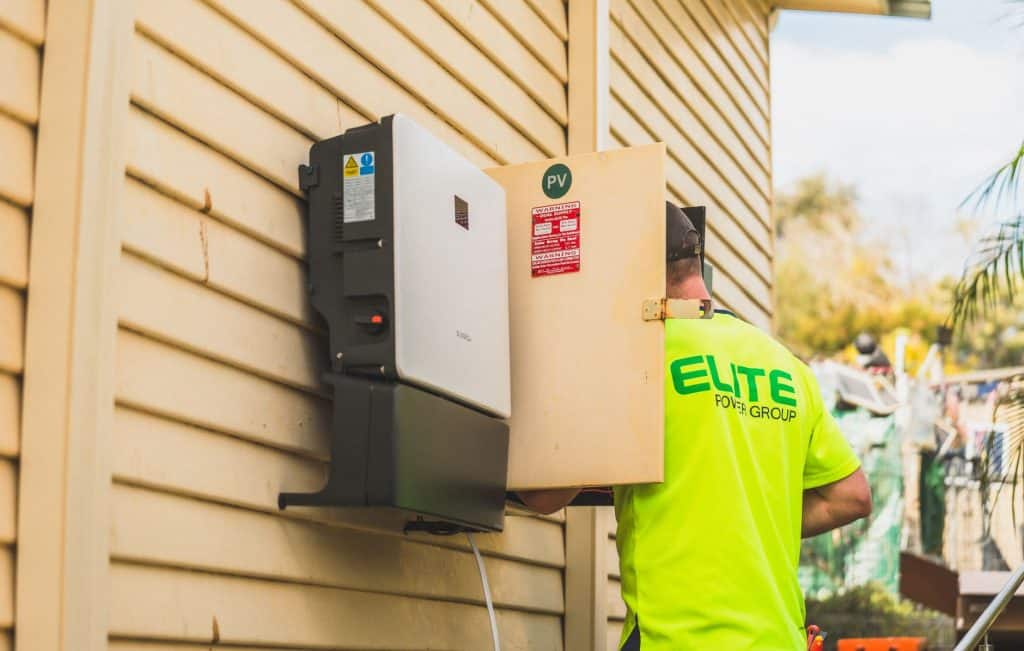
Capital expenditure (CAPEX) for utility-scale solar projects around 10 MW typically ranges from €6 million to €8 million, encompassing site acquisition or leasing, permits, engineering, procurement of PV modules (commonly monocrystalline silicon panels with efficiencies of 20-22%), inverters (string or central with >98% efficiency per EN 50530 standard), mounting structures, and grid connection fees. Construction timelines usually span 6 to 9 months.
Operational expenditures (OPEX) include routine maintenance such as panel cleaning, inverter servicing, insurance premiums, land lease costs, and grid balancing fees, averaging approximately 1.5-2.5% of CAPEX annually across comparable projects.
Solar Plus Garden’s investment entry point of €500 aligns with accessibility goals for small and medium investors while sustaining financial discipline. The Garden membership fee contributes to community activity funding and reinvestment in solar infrastructure, enhancing overall project value.
Energy sales revenues derived from existing PPAs or market-based offtake contracts support ongoing operational costs. While payback periods depend on location, tariff design, and subsidy regimes — commonly in the 6 to 9-year range under current European frameworks — these are subject to change with regulatory evolutions.
Risk Factors in Renewable Energy Investments and Mitigation Strategies
Renewable energy investments are exposed to multiple risk categories that require systematic analysis and mitigation:
- Regulatory risk: Changes in feed-in tariffs, subsidies, permitting requirements, or grid access regulations may impact project cash flows and timelines. Active monitoring of EU directives such as the Renewable Energy Directive (RED III) and Serbian national laws is essential.
- Technical risk: Degradation of solar panel efficiency (typically about 0.5% per year), inverter malfunctions, and grid intermittency can reduce expected electricity generation. Project designs include standard warranties—panels for 25 years, inverters for 10-15 years—along with preventative maintenance plans.
- Market risk: Energy price fluctuations driven by demand-supply imbalances and policy shifts can affect revenues, especially where offtake agreements are absent or short-term.
- Financial and operational risk: Delays in construction, cost overruns, or misalignment of cash flows may impair returns.
Solar Plus Garden implements mitigation through a dual-legal structure—an Estonian OÜ (established 20.02.2026) owning the solar plant and a Serbian DOO managing Garden community activities—ensuring jurisdictional compliance and operational clarity. Funds flow through escrow accounts with audit controls to enforce authorized spending aligned with agreed milestones.
The project narrative clearly communicates risks and safeguards to investors before commitment, supported by independent technical due diligence and regular reporting.
Step-by-Step Process to Invest in Renewable Energy Projects
The structured onboarding process for investing in Solar Plus Garden’s renewable energy projects incorporates the following steps:
- Registration: Prospective investors join a waiting list via the platform to indicate interest and receive preliminary information.
- KYC/KYB compliance: Know Your Customer (individual) and Know Your Business (corporate) checks are performed for anti-money laundering (AML) and regulatory compliance, typically completed within 48 hours.
- Investment selection: Investors choose between long-term private equity shares in the solar project (Phases 1 and 2) or guaranteed payout instruments structured in later phases, matching risk profiles and financial goals.
- Garden membership activation: Payment of the €200 one-time membership fee grants access to the community and associated benefits; optional Garden box subscriptions can be added.
- Monitoring and reporting: Investors receive quarterly technical performance reports referencing kilowatt-hours (kWh) generated, revenue statements, and dividend distributions aligned with project cash flow.
Comparison of Investment Opportunities in Renewable Energy vs Traditional Energy Assets
Renewable energy investments differ from traditional fossil fuel assets across several dimensions relevant to investors:
- Return profiles and volatility: Renewable energy projects benefit from predictable income streams under feed-in tariffs or long-term PPAs, resulting in lower revenue volatility compared to fossil fuel assets exposed to commodity price swings.
- Environmental, social, and governance (ESG) impact: Investments in solar, wind, and agrivoltaic projects contribute directly to decarbonization targets and reduce environmental externalities such as local air pollution and greenhouse gas emissions.
- Liquidity and exit strategies: Renewable energy projects are typically long-term with limited secondary market liquidity. Structured exit options such as equity buybacks or platform secondary sales are increasingly offered to improve investor flexibility.
- Regulatory incentives: EU frameworks provide substantial subsidies, tax credits, and expedited permitting processes, which contrast with fossil fuel assets facing phase-outs and carbon pricing under schemes like the EU Emissions Trading System (ETS).
Current European market conditions imply typical payback horizons of 6 to 9 years for well-structured renewable projects, conditioned on stable subsidy regimes and operational performance.
The Local Market Context: Renewable Energy Investment Landscape in Serbia and the EU
Renewable energy investment opportunities in Serbia and the EU are shaped by distinct but converging regulatory and market frameworks:
- EU legislation harmonizes renewable energy targets via directives such as RED III, setting binding 2030 goals aiming for at least 40% renewable share in final energy consumption.
- Financial support mechanisms include the Innovation Fund, Modernisation Fund, and national grants sourced through Recovery and Resilience Facility (RRF) programs targeting renewable deployment.
- Serbian national policies incorporate feed-in tariffs and net-metering for residential and commercial solar installations, though these schemes are subject to periodic revision and administrative processing delays.
- Community-driven approaches like Solar Plus Garden employ agrivoltaic innovations and membership models to overcome local market barriers, foster participation, and generate additional social benefits.
The project’s dual-entity legal structure—with an Estonian OÜ owning the solar asset and Serbian DOO managing the Garden—enables cross-border operational flexibility while adhering to respective jurisdictional reporting and compliance standards.
Maintaining and Monitoring Renewable Energy Investments for Long-Term Success
Ongoing asset management and transparent monitoring are essential to sustain renewable energy investments:
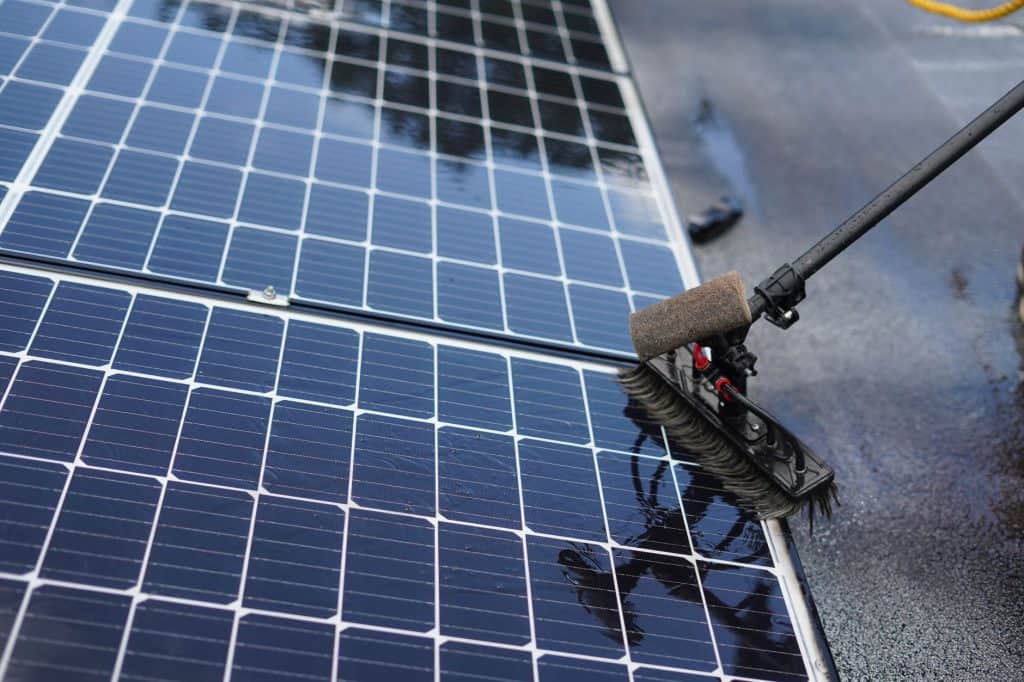
- Scheduled maintenance: Includes quarterly cleaning of PV modules to maintain irradiance levels, annual inverter diagnostics per manufacturer guidelines, and replacement of components with defined useful lives (e.g., inverters every 10-15 years).
- Technology platforms: Real-time energy production monitoring tools based on Supervisory Control and Data Acquisition (SCADA) systems provide hourly and daily output data, enabling prompt identification of performance deviations.
- Financial reporting: Investors receive detailed quarterly and annual reports covering kilowatt-hours produced, revenue generated, operational expenses, and reinvestment decisions aligned with the business plan.
- Community governance: The Garden membership model includes participatory structures where members receive updates, can propose initiatives, and influence operational priorities, supporting alignment of investor and community interests.
Solar Plus Garden’s platform supports administration of up to 3,000 Garden parcels through an escrow-managed payment system that ensures all expenditures comply with investor-approved budgets and contractual obligations.
Outlook and Future Trends in Renewable Energy Investments
Emerging trends will shape the evolution of renewable energy investments:
- Agrivoltaic integration: Research indicates agrivoltaics can increase combined land productivity by 40-60%, enhancing financial returns and sustainability metrics. Solar Plus Garden demonstrates practical deployment of this integration with scalable community participation.
- Investor demand: A growing segment of investors seeks transparent, community-backed clean energy companies offering participatory governance and tangible social impact alongside financial returns.
- Regulatory dynamics: Anticipated revisions in subsidy frameworks, carbon pricing policies, and grid access regulations will recalibrate risk-return profiles, necessitating adaptive investment strategies.
- Technological progress: Advances in battery storage technologies (e.g., lithium-ion and emerging solid-state batteries), smart grid solutions, and digital investment platforms will enhance project resilience, scalability, and investor access to distributed renewable energy assets.
Frequently Asked Questions
What is the minimum amount required to invest in Solar Plus Garden’s renewable energy projects?
The minimum equity investment in Solar Plus Garden’s 10 MW solar project begins at €500, facilitating participation of small and medium investors in renewable energy investments.
How does the Garden membership fee relate to investing in solar energy?
The €200 one-time Garden membership fee grants access to the community and helps finance solar infrastructure as well as related community activities. Members benefit from the revenues generated by clean energy projects without direct equity ownership.
What risks should I consider before investing in renewable energy projects like Solar Plus Garden?
Investors should consider regulatory risks including potential subsidy changes, technical risks such as solar panel degradation and inverter failures, market risks related to energy price volatility, and operational risks like construction delays. Solar Plus Garden’s legal structure and escrow-controlled payment flows mitigate many of these concerns.
Can I benefit from renewable energy investments without making a direct solar investment?
Yes, paying the Garden community membership fee allows participation in community activities and access to fresh produce boxes funded by solar project revenues, enabling indirect benefits from clean energy investments.
Conclusion
Investing in renewable energy projects requires careful evaluation of the regulatory framework, local market conditions, and project-specific risk profiles. Solar Plus Garden offers an investment opportunity combining private equity in a 10 MW solar plant with a community-backed agrivoltaic model, providing both financial and non-financial returns.
Following a clearly defined onboarding and compliance process, investors gain access to detailed monitoring and reporting tools that enhance oversight. Engaging in the Garden community supports governance transparency and aligns investor interests with sustainable development outcomes.
Given evolving subsidy regimes, regulatory frameworks, and technological developments, ongoing portfolio review and adaptation are necessary for optimizing returns from renewable energy investment opportunities in 2026 and beyond.