








What is Agrovoltaics? Understanding the Integration of Solar Energy and Agriculture for Sustainable Land Use

Defining Agrovoltaics: The Fusion of Solar Technology and Crop Cultivation
Agrovoltaics, also referred to as agrivoltaics, describes the combined use of land for solar photovoltaic (PV) energy generation and agricultural crop production on the same area. Unlike standalone solar farms that utilize land solely for electricity generation, agrovoltaic energy systems position solar panels to coexist with crop cultivation without fully displacing agricultural use.
This integration involves the strategic design and placement of solar modules to maintain productive crop growth beneath or around the panels. Typical commercial agrovoltaic installations range from 1 MW to 10 MW in capacity, balancing energy generation with agricultural viability. The regulatory environment is evolving to permit such dual land use, with frameworks in some jurisdictions explicitly allowing shared land permits, which facilitates financing and legal compliance for agrovoltaic projects.
How Agrovoltaic Energy Systems Work: Technology and Agricultural Integration
Agrovoltaic energy systems employ photovoltaic panels arranged to optimize both solar energy harvesting and sufficient light availability for crops. Key design elements include:
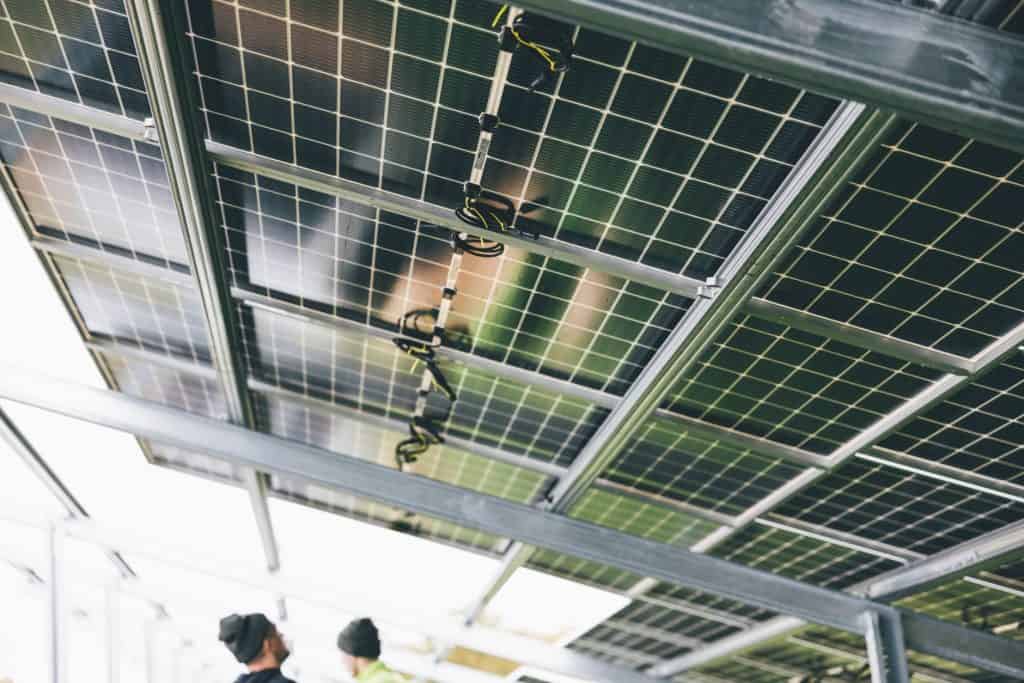
- Elevated mounting structures: Panels are typically installed at heights between 2 and 4 meters, allowing standard agricultural equipment (e.g., tractors, irrigation lines) to operate underneath without obstruction. This height range is selected to balance shade provision with sunlight penetration.
- Adjustable tilt mechanisms: Seasonal adjustment of panel tilt angles modifies shading patterns and maximizes solar irradiance capture. For example, panels may tilt to 10-35 degrees depending on latitude and seasonality, optimizing energy yield and minimizing negative effects on crop photosynthesis.
- Spacing and layout: Arrays are configured to create partial shading zones, often with panel row spacing of 5 to 8 meters. This heterogeneous shading moderates midday heat stress and maintains a photosynthetically active radiation (PAR) threshold critical for target crops.
Microclimate alteration under the panels includes reduced temperature extremes and decreased soil evaporation rates, which improve plant water use efficiency. These effects are observed in regions with high solar irradiance (>1,200 kWh/m² annually), where shading can lower soil moisture loss by up to 15% compared to open-field conditions.
Crystalline silicon PV panels are standard in agrovoltaics due to their efficiency (~20-22%) and lifespan (25+ years). Thin-film technologies, such as amorphous silicon or CIGS, are used selectively for their performance under diffuse light and flexibility in structural mounting, though their efficiencies typically range from 10% to 15%.
Agricultural Benefits of Adopting Agrovoltaics: Yield Improvement and Resource Efficiency
Adopting agrovoltaics improves agricultural outcomes through microclimate regulation and stress mitigation. Controlled shading reduces radiative heat load and evapotranspiration, which stabilizes crop yield in warm climates with peak summer temperatures above 30°C. Documented impacts include:
- Yield stability and enhancement: Experimental results show that shade-tolerant crops such as lettuces, spinach, blueberries, and some herbs achieve yield increases between 5% and 15%. Crops intolerant to full sun benefit from moderated light intensity during critical growth phases, reducing photoinhibition.
- Improved water use efficiency: Shading results in water savings up to 20%, reducing irrigation frequency by decreasing soil moisture evaporation. Water savings are prominent in semi-arid zones receiving less than 700 mm annual precipitation.
- Extended growing seasons: By mitigating temperature extremes and frost risk, agrovoltaic systems enable farmers to advance planting dates by 2-3 weeks in spring and extend harvest periods into late autumn, particularly in temperate climates between 40° and 50° latitude.
- Crop compatibility and selection: Suitable crops include a range of leafy greens, berries, medicinal herbs, and some root vegetables, selected based on photosensitivity and growth habits that perform under partial shading conditions.
Solar Energy Output and Financial Implications in Agrovoltaic Systems
Solar energy output from agrovoltaic installations is typically 90% to 95% of a comparable conventional solar farm without agricultural integration. The reduction arises from wider row spacing and panel tilting to accommodate crop light needs, which lowers panel surface coverage and direct sunlight exposure.
Financial models incorporate both revenue streams: electricity sales and agricultural produce. This diversification reduces reliance on volatile energy market prices or crop commodity fluctuations alone. Payback periods for agrovoltaic projects tend to be moderately longer than single-use solar farms or conventional cultivation, reflecting the additional investment in elevated mounting systems and infrastructure adaptations.
Investment decisions consider local conditions, including feed-in tariff regimes, renewable energy incentives subject to change, and crop market prices. The combined monetary inflows and the environmental co-benefits support investor interest in integrated agrovoltaic projects.
Design Considerations and Site Selection for Effective Agrovoltaic Projects
Planning agrovoltaic projects requires detailed site assessment focusing on:
- Solar irradiance and climate: Sites with annual global horizontal irradiance (GHI) above 1,200 kWh/m² are preferable to ensure sufficient energy yield despite shading practices. Local climate data, including temperature ranges and precipitation, informs crop and panel configuration.
- Soil quality and land characteristics: Soil pH, fertility, drainage, and texture must meet agricultural demands for selected crops. Soil testing combined with agronomic studies guides crop choice and expected yields.
- Panel installation height and orientation: Panel clearance of at least 2 meters accommodates farm machinery and maximizes sunlight penetration, while south-facing arrays (in northern hemisphere) optimize solar exposure throughout the day and season.
- Integration with operational workflows: Row spacing and access corridors for irrigation, planting, pesticide application, and harvesting are planned to avoid interference. Designs often incorporate 6-8 meter row spacing and clear pathways for machinery maneuverability.
- Legal permits and zoning compliance: Commercial agrovoltaic projects typically require sites exceeding 1 hectare to meet regulatory thresholds. Compliance with local environmental and land-use regulations must ensure the simultaneous authorization of energy production and agricultural activities.
Community and Environmental Impact of Agrovoltaics in Sustainable Development
Agrovoltaics contribute to sustainability by optimizing land use for renewable energy and food production concurrently, mitigating land use conflicts. The approach supports carbon emissions reduction while promoting local food systems.
Solar Plus Garden operates a community platform integrating garden membership with a 10 MW solar installation. This model delivers solar energy-generated revenue to finance community agriculture activities and covers operating costs transparently. Up to 3,000 garden parcels are supported through funded community engagement, independent of direct solar investment participation.
This framework aligns with regenerative agriculture by fostering biodiversity, enhancing soil quality, and supporting collective land stewardship. Community members benefit socially and economically, reinforcing resilience in local food and energy systems.
Challenges and Limitations Specific to Agrovoltaic Energy and Crop Co-Production
Key challenges arise from the complexity of integrating solar energy production with agriculture on the same land:
- Uneven light distribution: Partial shading creates spatial variability in light quantity and quality, complicating photosynthesis and yield predictability for certain crops. Shade-intolerant species may underperform or require additional agronomic interventions.
- Microclimate and pest management: Altered temperature and humidity under panels may influence pest populations and disease dynamics, necessitating tailored monitoring and control strategies.
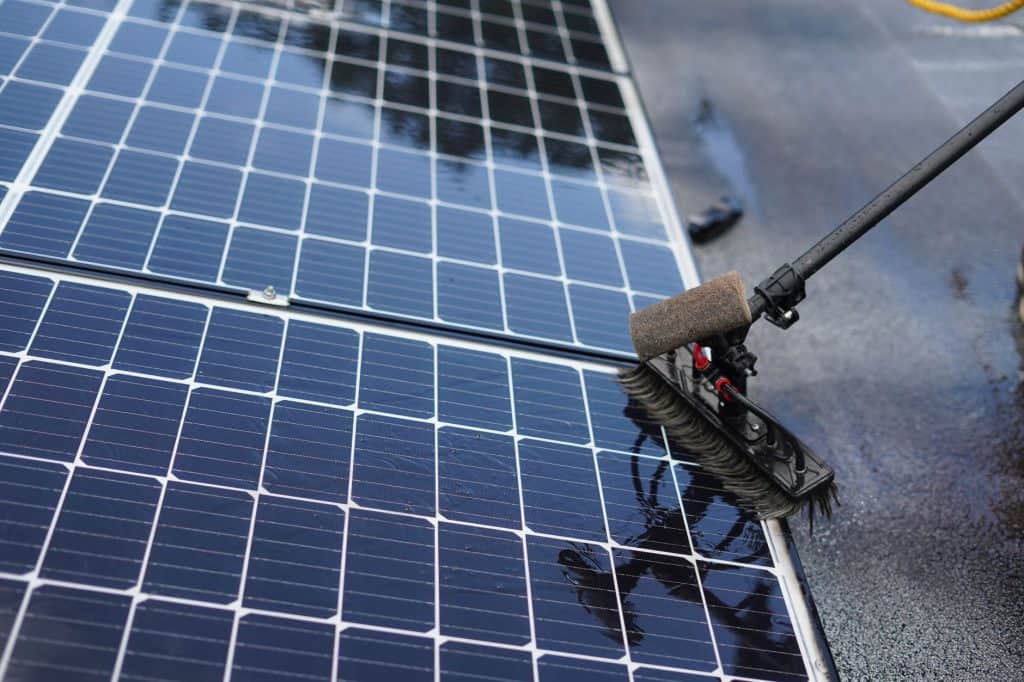
- Maintenance coordination: Synchronizing PV panel cleaning, repair, and monitoring with agricultural tasks can increase operational complexity and costs by an estimated 5-10%, depending on the scale and crop mechanization level.
- Market and economic risk: Variability in energy prices and agricultural commodity markets affects income stability. Diversification reduces but does not eliminate financial exposure, requiring adaptive risk management approaches.
Steps to Adopt Agrovoltaics: From Planning to Community Integration
Adopting agrovoltaics involves a sequence of defined stages:
- Site evaluation: Collect solar radiation data (e.g., using pyranometers) and perform detailed soil analyses (pH, nutrient content, texture) to assess agricultural potential and energy yield forecasts.
- Legal and regulatory approvals: Apply for land use permits accommodating dual energy and agricultural functions, complying with local zoning, environmental impact assessment, and building codes.
- System design: Select photovoltaic panel types (primarily crystalline silicon), determine mounting height (2-4 meters), row spacing (5-8 meters), tilt angle adjustments, and identify suitable crop varieties based on light tolerance and market considerations.
- Installation and commissioning: Execute construction phases including civil works, electrical installations, and agricultural field preparation over a typical timeframe of 12 to 24 months, depending on project scale.
- Community membership engagement: Join platforms like Solar Plus Garden by paying a one-time membership fee (€200) plus an optional monthly garden box fee (€20) which funds solar operations and community agriculture initiatives.
- Ongoing operations and monitoring: Implement integrated management protocols for energy production monitoring, crop performance assessment, revenue distribution, and community activity coordination within transparent governance frameworks.
Frequently Asked Questions
Can any type of crop be grown under agrovoltaic solar panels?
Success depends on the specific crop’s light requirements. Shade-tolerant crops such as leafy greens (lettuce, spinach), berries (blueberries, strawberries), and certain herbs (basil, mint) perform best. Crops requiring full sunlight may exhibit reduced yields under shading.
How much electricity can I expect from an agrovoltaic installation compared to a traditional solar farm?
Agrovoltaic systems typically generate 90-95% of the electricity produced by similarly sized standalone solar installations, due to panel spacing to allow agricultural activity and partial shading effects.
What are the initial costs associated with adopting an agrovoltaic system?
Costs include elevated mounting structures, solar panels, electrical components, land preparation, agricultural inputs, and integration expenses. When participating in community models, additional fees such as initial membership (€200) and optional monthly garden service fees (€20) may apply. Payback periods depend on local energy tariffs, crop yields, and market conditions.
How does the Solar Plus Garden membership model work in supporting agrovoltaics?
Membership involves a one-time fee (€200) plus an optional recurring garden box subscription (€20/month), which finances solar energy investments and community agricultural activities within a regulated and transparent framework. This model separates community access from direct solar investment while aligning funding streams to sustain both energy and garden operations.
Conclusion
Agrovoltaics enables simultaneous renewable solar energy production and agricultural crop cultivation, enhancing land use efficiency and economic diversification. Effective adoption requires detailed site-specific evaluation, regulatory compliance, and system design tailored to local conditions. Engaging with community-integrated platforms like Solar Plus Garden provides legal clarity, financial structuring, and coordinated operational support. Future developments in photovoltaic technology, regulatory policy, and market conditions will influence the evolving viability and scalability of agrovoltaic projects.