









Transparent Solar Cells: Integrating Power Generation with Building Surfaces

Defining Transparent Solar Cells and Their Distinct Technologies
Transparent solar cells differ from traditional solar panels by enabling visible light transmission while generating electricity. Traditional solar panels are opaque and primarily installed on roofs or open fields, whereas transparent solar panels function as semi-transparent or fully transparent surfaces suitable for integration into windows, façades, skylights, and other glass structures.
Transparent solar cells are categorized based on visible light transmission:
- Fully transparent solar panels: These achieve visible light transmission typically exceeding 70%, allowing nearly clear glass transparency. They selectively convert parts of the non-visible solar spectrum into electrical energy without significantly reducing transmitted daylight.
- Semi-transparent solar panels: These allow 30% to 70% visible light transmission, providing a balance between shading and power generation. Semi-transparent panels are often used where reduced solar gain or partial shading is acceptable or beneficial.
Material compositions for transparent solar cells include:
- Organic photovoltaics (OPV): Using thin films of carbon-based molecules, OPVs offer spectral tuning and mechanical flexibility. These layers absorb UV and near-infrared light while maintaining partial visible transparency.
- Quantum dot solar cells: Utilizing semiconductor nanocrystals, quantum dots can be engineered to absorb specific wavelengths outside the visible range, enhancing spectral selectivity for transparent photovoltaic conversion.
- Perovskite-based solar cells: Perovskite materials have demonstrated efficiencies exceeding 15% in laboratory settings. Through nanostructuring and selective deposition on solar glass substrates, they can be fabricated as semi-transparent or fully transparent solar cells with tunable optical properties.
Solar glass serves as both a mechanical support and optical filter in transparent solar panels. It meets architectural standards such as EN 12150 for toughened safety glass, ensuring structural integrity, while engineered coatings enable selective light transmission and photovoltaic activity.
How Transparent Solar Cells Convert Light into Electricity
Transparent solar panels convert sunlight into electricity by absorbing non-visible wavelengths while transmitting visible light, maintaining transparency. They primarily harvest ultraviolet (UV, 300–400 nm) and near-infrared radiation (NIR, approximately 700–1200 nm) spectra, leveraging spectral filtering to balance power generation and light transmission.
Key functional components include:
- Transparent electrodes: Indium tin oxide (ITO) or fluorine-doped tin oxide (FTO) layers serve as conductive, transparent contacts collecting generated charge carriers without blocking visible light.
- Photovoltaic active layers: Organic semiconductor films, quantum dot layers, or perovskite thin films absorb UV and NIR photons, generating electron-hole pairs for current flow.
- Encapsulation and anti-reflective coatings: Multi-layer coatings reduce reflection losses to improve visible light transmission and protect photovoltaic layers against environmental degradation.
Transparency requirements reduce energy conversion efficiency. Typical efficiency for transparent solar cells ranges from 5% to 15% depending on technology and transparency level, compared to 15% to 22% for traditional solar panels which absorb a broader spectrum without transparency constraints.
Applications of Transparent Solar Panels in Modern Architecture and Urban Environments
Transparent solar panels expand solar technologies by embedding photovoltaic power generation into buildings and urban infrastructure. Applications include:
- Solar windows: Integrated into glazed façades and windows, these panels provide daylighting while generating electricity. Depending on total façade area, panel efficiency, and orientation, solar windows can supply approximately 5% to 10% of a building’s annual electricity consumption.
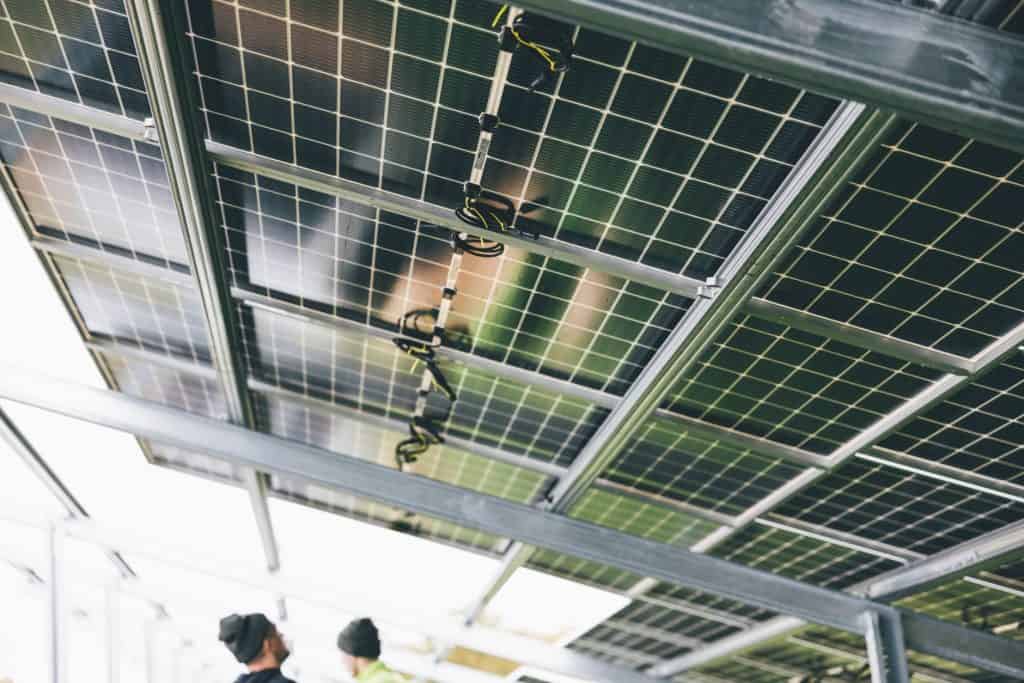
- Skylights, canopies, and sunroofs: Semi-transparent panels installed in overhead glazing optimize natural light gain and power generation simultaneously.
- Agrivoltaics: Semi-transparent solar panels mounted over agricultural fields create microclimates that can enhance certain crop yields by reducing heat stress and water evaporation, all while producing clean energy from the same land area.
- Community solar models: The Solar Plus Garden platform integrates agrivoltaics with a membership-driven community. Funding from solar investments finances both energy production and garden-related activities, demonstrating a replicable model for combining decentralized power sources with sustainable food production and social engagement.
Cost and Energy Output Considerations for Transparent Solar Cells
Transparent solar panels generally have a higher cost per square meter than traditional solar panels, primarily due to complex multi-layer coatings, specialized solar glass substrates, and precise manufacturing processes. Current transparent solar panels cost approximately 25% to 50% more per square meter than traditional solar panels.
Power density of transparent solar panels is substantially lower, typically producing 10 to 30 watts per square meter, compared to 150 to 200 watts per square meter for traditional solar panels under standard test conditions (STC: irradiance of 1000 W/m², 25°C cell temperature). This reduction arises from the intentional transmission of visible light through the panel.
However, replacing traditional architectural glass with transparent solar glass can mitigate installation and material costs, integrating power generation without additional mounting structures. This integrated approach influences the return on investment by combining energy production with functional architectural components over longer payback periods typical for building-integrated photovoltaics (BIPV).
Recent Advances and Research Trends in Transparent Solar Cell Development
Research institutions such as MIT and the National Renewable Energy Laboratory (NREL) have produced transparent solar cells surpassing 10% efficiency in laboratory conditions by optimizing spectral selectivity and multi-layer architectures. Recent studies focus on:
- Enhanced spectral tunability through nanostructured multilayer films enabling selective UV and NIR absorption with minimal visible light attenuation.
- Scalable fabrication methods like solution processing and roll-to-roll printing aiming to reduce manufacturing costs while maintaining performance consistency.
- Improved durability via advanced encapsulation materials such as polyvinyl butyral (PVB) combined with UV-curable resins that protect from moisture ingress and mechanical wear.
- Emergence of commercially viable fully transparent panels with visible light transmission above 70%, targeting broad architectural integration in urban solar markets.
These trends indicate ongoing progress toward more efficient, cost-effective, and architecturally compatible transparent solar panels.
Integration Challenges and Durability Standards for Transparent Solar Cells in Buildings
Installing transparent solar cells into built environments requires ensuring mechanical strength, long-term electrical performance, and conformity with building and photovoltaic safety standards. Transparent solar glass must comply with standards such as IEC 61730 for photovoltaic module safety, covering electrical, mechanical, and environmental tests including UV exposure, thermal cycling, humidity freeze cycles, and mechanical load resistance.
Such panels also undergo testing aligned with architectural glass standards like EN 12150 or ANSI Z97.1 for impact resistance and thermal stability.
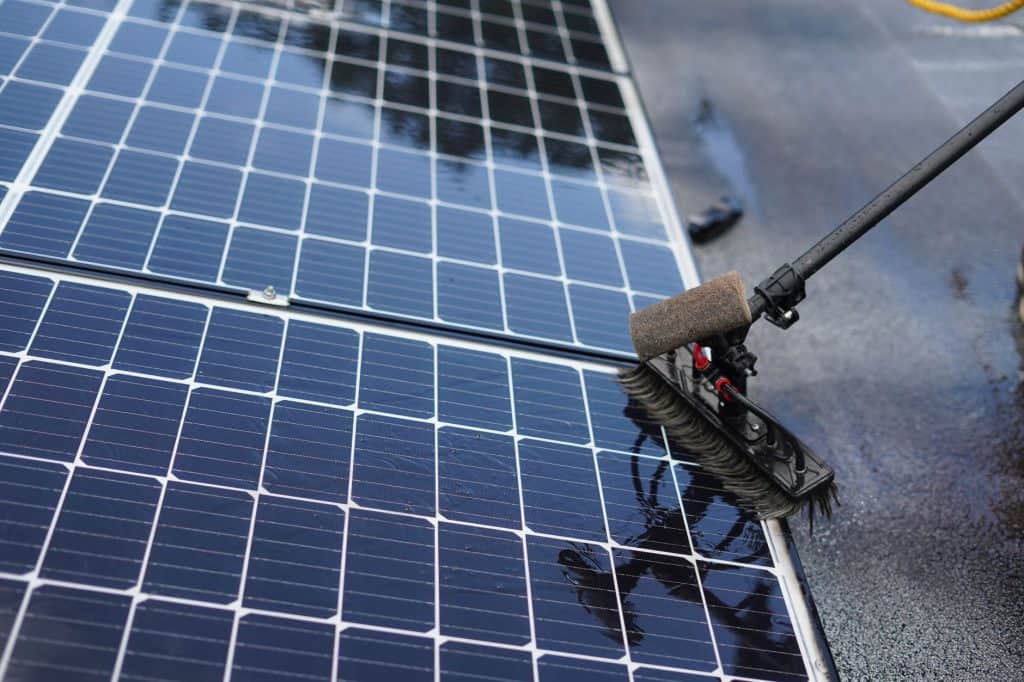
Maintenance involves cleaning to prevent dirt accumulation reducing light transmission and periodic electrical diagnostics to monitor photovoltaic layer integrity, distinct from conventional solar panel upkeep due to glass integration.
Financial and operational safeguards, exemplified by Solar Plus Garden’s investor-ready model, utilize escrow-controlled fund management with transparent reporting, ensuring that community and investor interests are protected throughout the project lifecycle.
Evaluating Transparent Solar Cell Suitability for Community Solar and Investment Models
Decisions regarding the adoption of transparent solar cells in community solar and investment projects require assessing:
- Transparency level: Determining the optimal visible light transmission to satisfy both daylighting preferences and energy generation targets specific to building function.
- Energy efficiency and cost: Comparing the levelized cost of energy (LCOE) and annual electricity output relative to traditional solar options, factoring in architectural integration savings.
- Integration and retrofitting feasibility: Evaluating structural compatibility with existing building envelopes, potential for modular replacement, and impact on thermal insulation and glazing performance.
- Compliance with regulated investment frameworks: Aligning ownership structures, such as those employed by Solar Plus Garden’s Garden membership model, to meet transparency, escrow, and legal requirements ensuring investor confidence.
- Technology risk and maturity: Considering the track record, warranty provisions, and ongoing transparent solar panel research to assess reliability and market acceptance.
Tools like decision matrices help stakeholders weigh factors including surface type (windows, façades), power density, installation costs, and investment horizon to determine project suitability.
Projected Market Growth and Potential Impact on Solar Energy Transition
The transparent solar cell sector is expected to significantly contribute to building-integrated photovoltaics (BIPV) market expansion, with analyses projecting a multi-billion euro market potential by 2030, contingent on technological improvements and regulatory support for architectural solar integration.
By enabling solar power generation in dense urban areas without additional land use, transparent solar cells address competing land demands typical of ground-mounted traditional solar panels. This characteristic aligns with urban decarbonization strategies.
Community solar platforms such as Solar Plus Garden utilize this technology for agrivoltaic applications that simultaneously produce clean energy and local food, demonstrating scalable models for sustainable urban living.
Market adoption will depend on advancing transparent solar panels cost competitiveness, improving durability to meet building code requirements, and harmonizing regulations across jurisdictions to facilitate installation approvals.
Frequently Asked Questions
- What is the efficiency range of transparent solar cells compared to traditional solar panels?
- Transparent solar cells achieve efficiencies between 5% and 15%, varying by technology and transparency level. Traditional solar panels typically range from 15% to 22% efficiency, reflecting their full-spectrum light absorption without transparency requirements.
- Can transparent solar panels be integrated into existing building windows without replacement?
- Transparent solar panels generally require integration into new or replacement glazing units because specialized photovoltaic layers are embedded within the glass. Retrofitting existing windows without replacing the glass is largely infeasible with current technologies.
- How much do transparent solar panels cost compared to standard panels?
- Transparent solar panels cost approximately 25% to 50% more per square meter than standard panels due to complex fabrication processes and materials like solar glass. Cost offsets arise when solar glass replaces conventional building glass, but installation costs and power output per area affect overall economics.
- Are transparent solar cells durable enough for long-term outdoor use?
- Modern transparent solar glass units are engineered with encapsulation and materials meeting IEC 61730 standards for outdoor photovoltaic module durability, including resistance to UV radiation, moisture, and mechanical stress. However, long-term field performance data remains limited as the technology matures.
Conclusion
Investors and project developers evaluating transparent solar cells should focus on applications leveraging building integration and community-based models like Solar Plus Garden’s agrivoltaic membership platform. Transparent solar panels offer unique opportunities in creating solar windows and façades that generate power while maintaining daylighting.
Trade-offs in transparency level, efficiency, and cost necessitate thorough performance validation, regulatory compliance checks, and pragmatic architectural integration planning to optimize returns.
Ongoing transparent solar panel research and emerging scalable manufacturing technologies promise improved efficiency and cost reductions, potentially shifting market dynamics favorably. Continuous tracking of research progress, pilot project outcomes, and evolving market standards is essential to refine investment and deployment strategies in this segment of solar technologies.
Related reading
- Integrating Battery Energy Storage Systems (BESS) for Optimized Solar Power Generation and Grid Management
- Integrating Solar into Virtual Power Plants: What Property Owners and Investors Need to Know
- Integrating Solar Photovoltaics into the European Power Grid: Challenges and Solutions for 2026-2027