









How Eco Communities Deliver Measurable Benefits in Sustainable Living and Community Resilience

Defining Eco Communities and Their Role in Sustainability
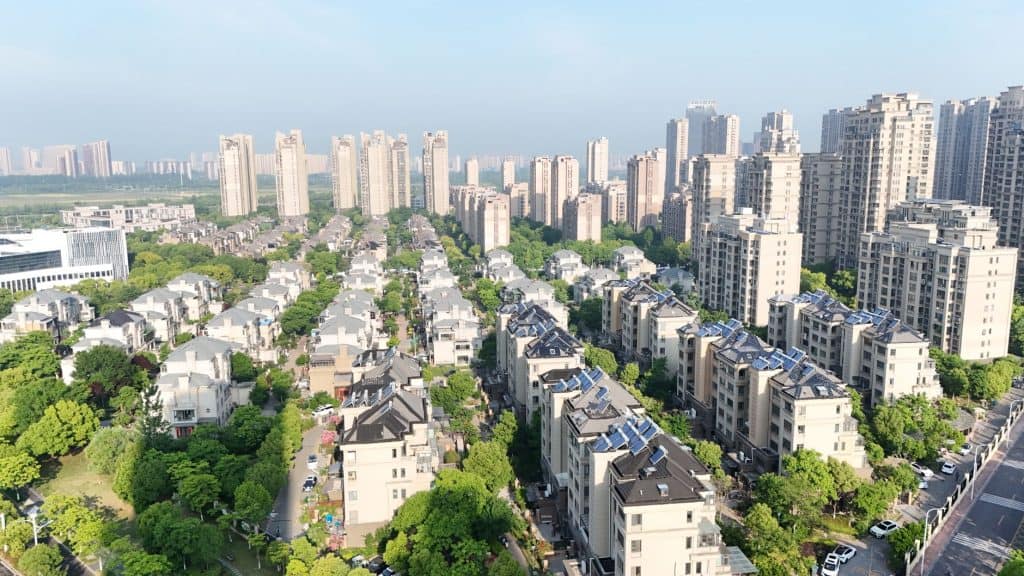
Eco communities constitute a planned residential approach focused on minimizing environmental impact and advancing sustainability through integrated design. This includes ecovillages—settlements that combine eco-friendly housing, renewable energy systems, and sustainable agricultural practices within a self-sufficient framework. These communities incorporate green infrastructure elements such as permeable pavements to reduce runoff, native vegetation to support local biodiversity, and decentralized water management systems like rain gardens or greywater recycling to optimize resource use. These infrastructure components aim to enhance ecosystem services and decrease environmental degradation according to established ecological design principles.
Unlike traditional developments, eco communities foster an eco-friendly lifestyle that integrates renewable energy adoption, efficient resource management, and on-site, localized food production to reduce overall carbon footprints. The Solar Plus Garden model illustrates this approach by combining a 10 MW solar photovoltaic (PV) plant with a community garden structure supporting up to 3,000 individual garden boxes managed through a distinct legal and governance framework. This integration exemplifies how eco communities deliver net-positive ecological effects by aligning infrastructure deployment with community engagement and sustainable land use.
Solar Energy Integration as the Backbone of Eco Communities
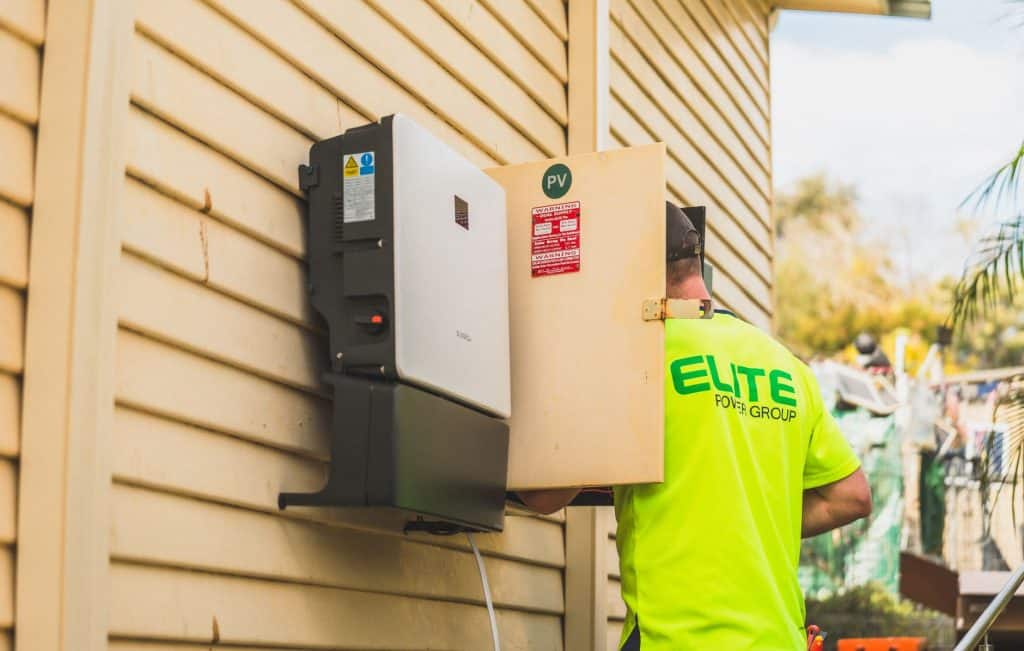
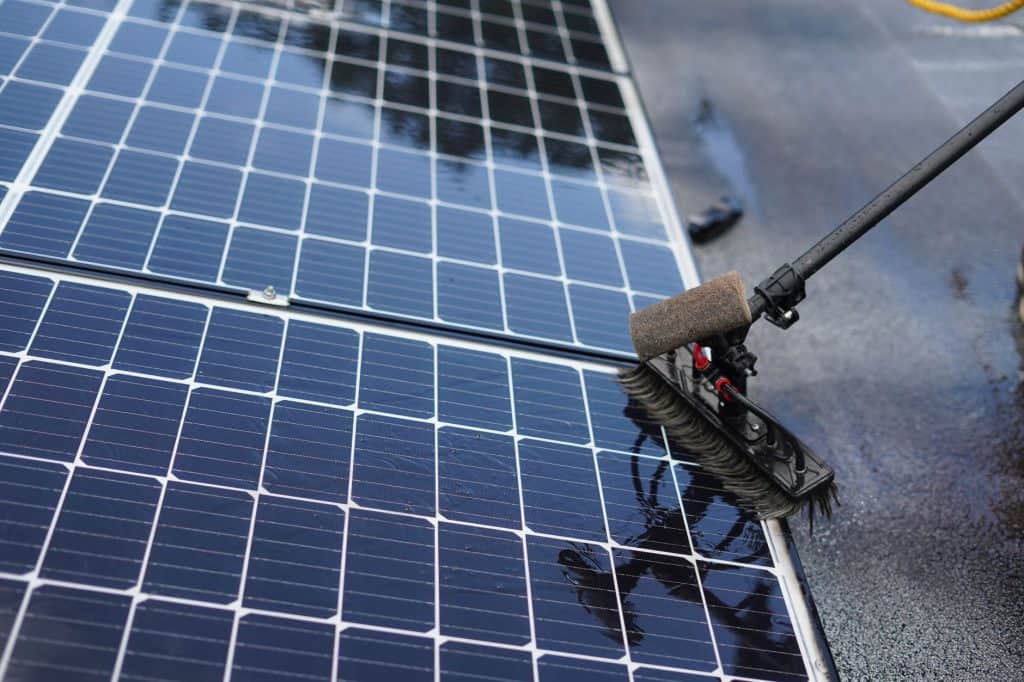
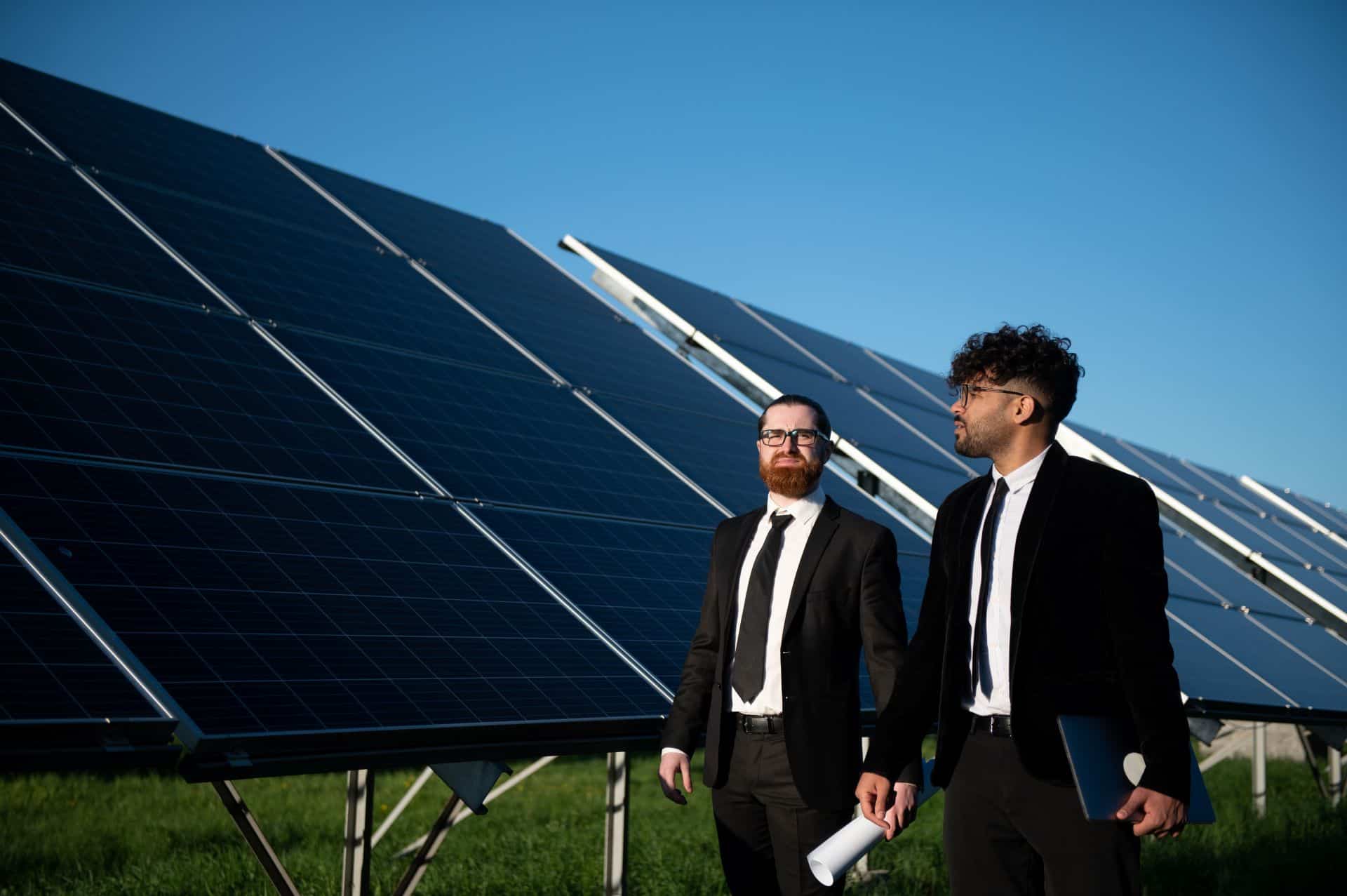
Solar power generation is central to achieving sustainability goals in eco communities by providing clean, renewable electricity and reducing reliance on fossil fuel–based grid power. Solar Plus Garden’s 10 MW solar PV installation utilizes monocrystalline panels equipped with maximum power point tracking (MPPT) inverters to optimize energy conversion efficiency. This capacity can offset electricity consumption equivalent to that of approximately 3,000 average households, assuming an average annual output of 1,200 full-load hours, conditioned by regional solar irradiance levels.
The financial model supporting this infrastructure is delivered through a community membership fee system. New members pay a one-time membership fee of €200, supplemented by an optional monthly €20 payment for garden subscriptions. These contributions fund the development, operation, and maintenance of solar assets as well as associated community agricultural activities. Solar Plus Garden employs a payment escrow mechanism wherein funds are held in regulated escrow accounts to assure that contributions are exclusively used for energy and garden-related expenditure. This ensures accountability and transparency aligned with governance best practices for investor protection and community trust.
Enhancing Community Wellbeing Through Localized Food Production
Localized food production in eco communities provides direct sustainability benefits by reducing the emissions and resource expenditures associated with centralized food systems. Solar Plus Garden maintains a garden capacity of up to 3,000 individual parcels, or garden boxes, each allowing members to cultivate fresh vegetables and herbs using regenerative agricultural practices. The model incorporates soil health management techniques such as crop rotation, cover cropping, and compost application to enhance soil organic carbon and biodiversity, consistent with standards for ecological farming.
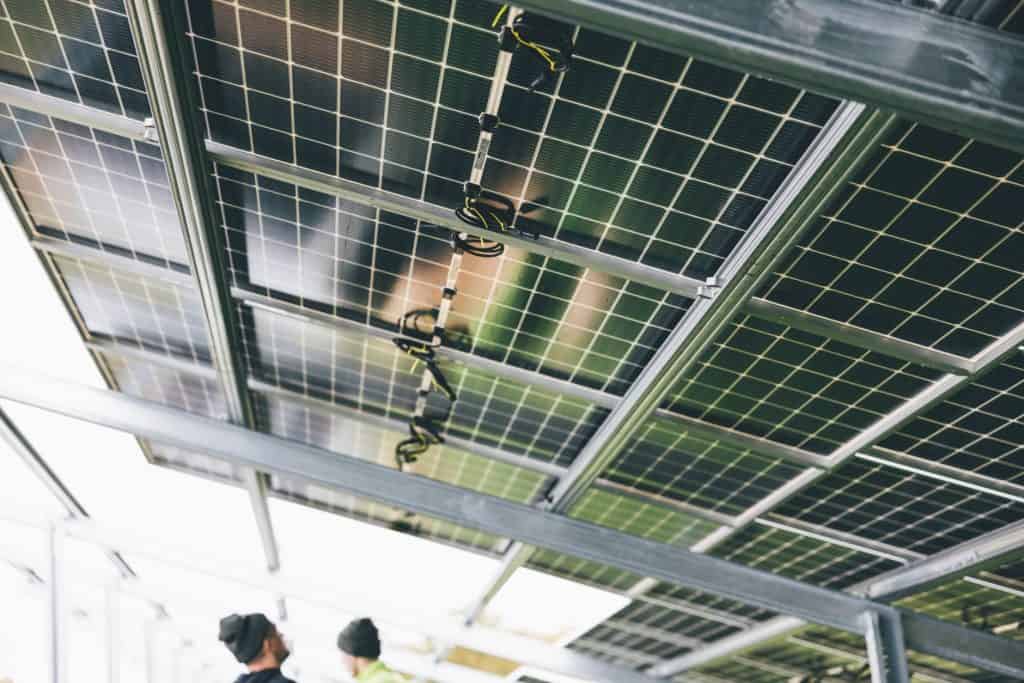
Members receive 18 scheduled deliveries annually of fresh, locally grown vegetables through the optional Garden Box subscription, priced at €20 per month. This subscription reduces dependency on industrial agriculture and long-distance food transportation, which typically accounts for 10-15% of food-related greenhouse gas emissions. By co-locating agricultural activities with solar infrastructure—an agrivoltaic arrangement—the model promotes efficient land use while preserving ecosystem functions. This approach contributes to carbon sequestration in soils and supports pollinator populations critical for ecological balance.
Financial Transparency and Investor Inclusion in Eco Communities
Solar Plus Garden structures its investment and operational responsibilities across two legal entities to mitigate risk and enhance investor clarity. An Estonian OÜ owns and manages the solar photovoltaic assets, ensuring compliance with EU directives on renewable energy generation and corporate governance. Concurrently, a Serbian DOO handles the garden community operations under national agricultural and commercial regulations. This clear division delineates asset ownership, operational duties, and financial accountability.
Investment transparency is achieved through the membership and escrow payment model. Collected fees are deposited in controlled escrow accounts, subject to regular independent audits verifying fund allocation to solar plant maintenance, garden operations, and community activities. This financial structure aligns with regulatory frameworks for investor protection within the EU and Serbia, minimizing legal exposure and ensuring funds are neither commingled nor diverted. This model supports inclusive participation from small and medium investors seeking sustainable community involvement with measurable financial and environmental governance.
Environmental Impact Reduction via Lower Carbon Footprint
The combined operation of a 10 MW solar plant with a 3,000-parcel garden community significantly decreases the ecological footprint typical of conventional developments. The solar PV system displaces electricity that would otherwise be generated by fossil fuel sources, reducing CO2 emissions proportional to local grid emission factors. For example, if grid intensity is assumed at 400 gCO2/kWh—a typical average in certain European regions—annual generation of approximately 12,000 MWh can result in avoidance of roughly 4,800 metric tons of CO2 per year, adjusted for site-specific solar insolation and panel efficiency degradation rates over time.
The garden component further reduces carbon emissions by lessening dependence on food supply chains involving long-distance transport, refrigeration, and packaging. By employing regenerative farming practices, the garden parcels promote soil carbon storage, benefiting local biodiversity and reducing net greenhouse gas emissions in accordance with established ecological agricultural methodologies. This integrated model exemplifies how sustainable communities measure and verify environmental protection outcomes through combined renewable energy and green infrastructure deployment.
Governance and Community Engagement in Sustainable Development
Solar Plus Garden sustains its community and operational functions through revenue generated from solar energy sales and membership fees. Membership charges finance administrative tasks, garden maintenance, and community programming without reliance on periodic fundraising. Operational costs are revisited annually to adjust membership fees in line with inflation and system upgrades, ensuring ongoing financial viability.
Member participation is facilitated via digital platforms enabling engagement in governance decisions, voting on community initiatives, and transparent reporting of financial and operational data accessible in real time. This participatory governance model enhances accountability and aligns with international best practices for stakeholder engagement in sustainable communities. The governance framework extends beyond financial administration to include green infrastructure planning and coordination, supporting continuous environmental protection and community resilience.
Scalability and Replication Potential of the Solar Plus Garden Eco Community Model
The modular corporate and financial structure of Solar Plus Garden underpins its scalability across different regions and markets. The Estonian OÜ framework, compliant with EU renewable energy and corporate statutes, supports solar asset management, while the Serbian DOO model accommodates localized garden and community functions under regional agricultural laws. This bifurcated legal setup isolates operational risks and simplifies replication by adapting the community membership platform to local legal and environmental conditions.
The platform currently supports a maximum garden capacity of 3,000 parcels, with built-in scalability provisions allowing incremental increases in solar PV capacity aligned with demand growth. This is facilitated through phased project expansions and flexible technology upgrades, including integration of next-generation agrivoltaics solutions that optimize photovoltaic and crop yield synergy by adjusting panel tilt and spacing according to seasonal sunlight patterns.
Continuing innovation in green infrastructure is planned to advance energy efficiency and ecological function, including water recycling systems and enhanced biodiversity corridors, enabling the community to maintain sustainable standards and improve resilience against climate variability over the coming decades.
Frequently Asked Questions (FAQs)
How does joining an eco community like Solar Plus Garden affect my carbon footprint?
Membership reduces your indirect carbon footprint by substituting fossil-derived electricity consumption with renewable solar power generated within the community and by lowering emissions associated with food distribution through localized, organic production following ecological agricultural practices.
What financial commitment is required to access Solar Plus Garden’s community benefits?
A single membership fee of €200 grants community access. An optional subscription of €20 per month for the Garden Box provides 18 annual deliveries of organically grown produce. These fees directly fund renewable infrastructure and community operations under a transparent escrow-controlled system.
How transparent and secure is the investment model behind the eco community?
The project ensures security by legally separating solar and garden operations into distinct entities, utilizing escrow accounts to track payments, and subjecting financial flows to annual external audits consistent with EU and Serbian financial reporting requirements, thereby maintaining investor oversight and fund integrity.
Can I access the garden community without directly investing in solar energy?
Yes. Garden community membership is decoupled from direct solar investments. Paying the membership fee grants access to garden participation while proceeds support both the solar infrastructure and community activities, ensuring inclusivity in sustainability efforts.
Conclusion
Property owners, developers, and investors evaluating sustainable communities benefit from models like Solar Plus Garden that combine legally robust structures, transparent governance, and integrated solar-agriculture systems. By aligning solar energy infrastructure with a green infrastructure–enhanced garden membership, this eco community reduces environmental footprints measurably and supports ecological regeneration. Its modular legal framework facilitates replication under diverse regulatory environments. As agrivoltaic technologies and sustainability standards evolve, stakeholders should monitor these developments to maintain long-term community resilience and environmental protection aligned with certified sustainability goals.