









How a Solar Trading System Integrates Renewable Energy and Community Investment for Effective Solar Power Management

Overview of Solar Trading Systems in Large-Scale Solar Projects
A solar trading system is a digital ecosystem that enables producers of solar power to sell electricity either to the public grid or directly to consumers within a managed microgrid or community. It functions by monitoring production and consumption data in real time to balance supply and demand, optimize energy flows, and ensure transparent financial accounting for investors and stakeholders.
Within the framework of Solar Plus Garden, the system orchestrates a 10 MW operational solar plant, classified as a mid-scale utility renewable energy installation. This capacity level offers a strategic mix of sufficient scale to impact local energy markets without the complexities of utility-scale projects exceeding 50 MW.
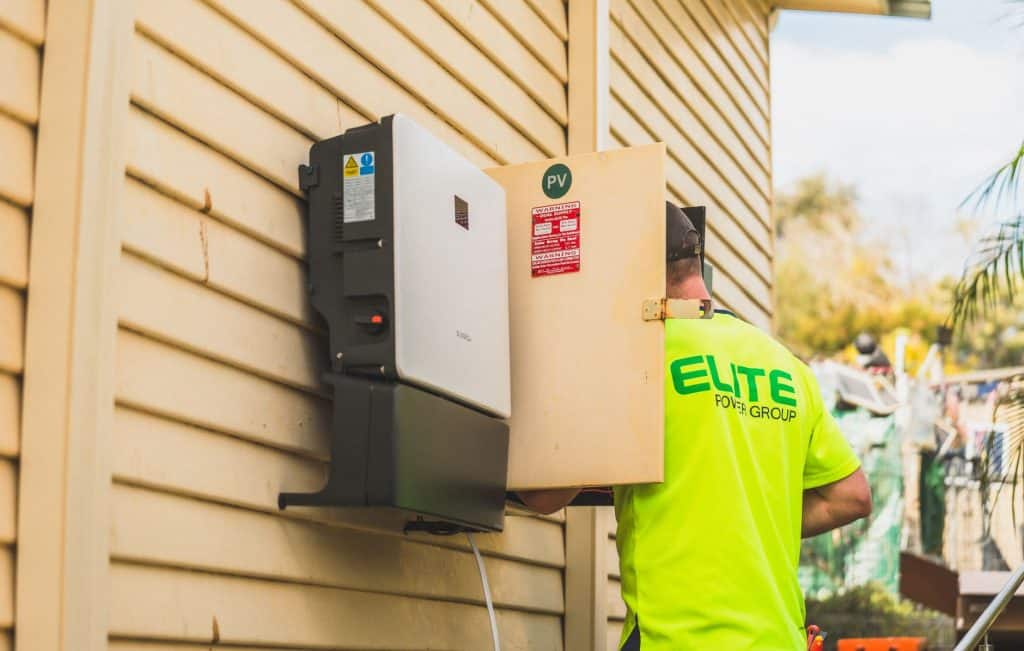
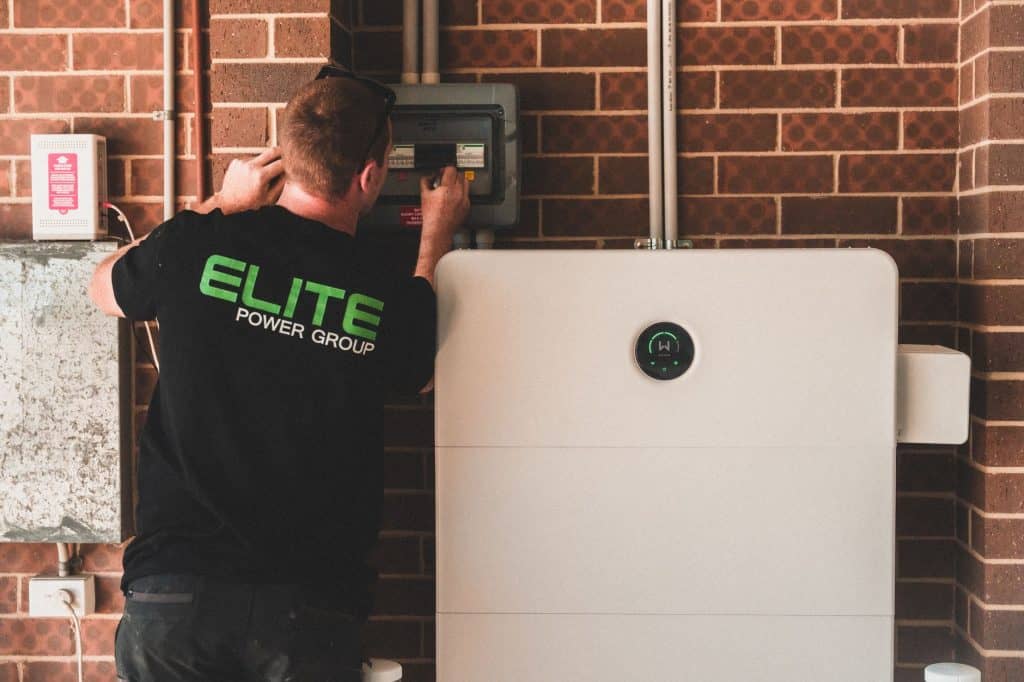
The system integrates a solar-plus-storage functionality by coupling photovoltaic (PV) panels with lithium-ion battery arrays totaling approximately 2 MW/4 MWh capacity (assumed based on typical ratios). This enables temporal shifting of energy dispatch, smoothing intermittent generation peaks caused by solar irradiance variability.
Energy saved during daytime peaks is dispatched during early evening hours when demand traditionally rises, allowing Solar Plus Garden to reduce curtailment losses and maximize solar power trading revenues. This operational pattern complies with standard European network codes for demand response and distributed energy resource management as applicable in EU and Serbian grids.
Concrete Detail: Solar Plus Garden’s 10 MW PV capacity with an assumed 2 MW/4 MWh battery system enables dispatchable solar energy to the grid with temporal flexibility, enhancing trading efficiency and community supply stability within current grid regulations effective in 2026.
Legal and Regulatory Framework Governing Solar Trading Systems in the EU and Serbia
The renewable energy market in the EU, including Serbia, operates under frameworks such as the EU Renewable Energy Directive 2018/2001 and the Electricity Directive 2019/944, which regulate grid access, energy trading rights, and consumer protection. Serbia’s national regulations show alignment with these through transposition efforts supporting EU accession.
Solar Plus Garden employs a dual-entity legal structure: An Estonian OÜ, established on 20.02.2026, manages investor relations, funding, and cross-border compliance per EU company law and financial regulation. The Serbian DOO holds operational permits, manages the physical solar power plant, and ensures compliance with local grid interconnection requirements, including licenses under the Serbian Energy Law.
This division creates a clear contractual and regulatory boundary, protecting investor assets within Estonian jurisdiction and assigning operational accountability to Serbian entities responsible for grid connection under EU ENTSO-E harmonized standards and FIT (Feed-in Tariff) regimes or market-based remuneration schemes as applicable.
Funds flow through escrow accounts governed by international financial regulations to ensure segregated and transparent use of capital earmarked exclusively for plant build, operation, maintenance, and community activities supporting the Garden membership.
Concrete Detail: Dual legal structure employing Estonian OÜ for investor governance and Serbian DOO for plant operation ensures compliance with both EU corporate and Serbian energy market laws, reinforced by escrow-controlled investment funds.
Technical Components and Operation of a Solar Trading Platform for Community-Backed Solar Power
The Solar Plus Garden trading platform integrates hardware and software to manage renewable energy production, storage, and consumption within the community. Key components include:
- Data acquisition layer: String-level smart inverters compatible with IEC 61850 and Modbus TCP protocols provide real-time PV generation data and battery state-of-charge metrics.
- Trading algorithm: Implements multivariate optimization utilizing weather forecasts, day-ahead market price signals, and demand response notifications to dispatch battery power and direct solar output efficiently.
- Investor dashboard: Web-based interface presenting KPIs such as hourly energy yield (kWh), battery throughput (MWh), revenue allocations, and community consumption profiles updated daily.
Financially, the platform is funded through a €200 one-time Garden membership fee, covering operational costs and community engagement programs. Additionally, members can opt into a monthly €20 subscription for the delivery of 18 annual shipments of regionally grown, organically farmed vegetables produced within the agrivoltaic garden.
The system manages energy flows to align with community consumption patterns, using battery storage to mitigate solar power intermittency. This reduces reliance on external balancing services and complies with grid codes related to frequency and voltage regulation under ENTSO-E Network Code requirements.
Concrete Detail: The platform uses smart inverters (IEC 61850 certified) and Modbus TCP communication protocols combined with AI-assisted dispatch algorithms to coordinate 10 MW PV output and 2 MW/4 MWh battery storage toward optimized grid and community trading.
Investor Journey and Financial Flows within the Solar Trading System and Garden Membership Model
The investor and community engagement process follows a stepwise protocol:
- Application and verification: Prospective investors submit KYC/AML-compliant applications through the platform, selecting either equity investment in the 10 MW plant or Garden community membership.
- Fee structure: A €200 one-time Garden membership fee grants access to community benefits and partial revenue sharing; equity investors engage through share purchase agreements with corresponding capital injections.
- Optional subscriptions: Members may opt into a €20/month garden box delivering 18 seasonal, organically farmed vegetable shipments produced within the agrivoltaic system.
- Revenue distribution: Earnings from electricity sales via the solar power trading platform are allocated proportionally among equity holders after operational expenses, while Garden membership fees fund community management separate from plant operations.
Two ROI pathways accommodate varying investor profiles:
- Equity investment: Investors receive proportional plant ownership shares, with returns manifesting as dividends plus potential plant valuation appreciation over a multi-year horizon.
- Guaranteed payout mechanism: Planned for Phase 2, subject to applicable regulations, offering fixed-period payout options with defined risk-return profiles, potentially qualifying as debt-like financial instruments.
Concrete Detail: The investor journey involves KYC-compliant registration, a €200 membership fee, optional €20 monthly garden box, and structured reinvestment of solar trading revenues, with equity or guaranteed payout ROI pathways aligned to investor risk profiles.
Grid Integration Challenges and Solutions for Solar Trading Systems Supporting Solar Plus Garden’s 10 MW Project
Integration of variable solar power into the grid creates challenges such as voltage fluctuations, frequency deviations, and potential overgeneration during peak insolation. These effects mandate compliance with grid codes like the EU Grid Connection Network Codes (ENTSO-E) and Serbia’s grid regulations, which stipulate reactive power capability, ride-through performance, and curtailment policies.
Solar-plus-storage technology plays a vital role in mitigating these issues. Lithium-ion battery systems with advanced inverters provide Fast Frequency Response (FFR) and voltage regulation by injecting or absorbing reactive power in milliseconds.
The platform’s real-time dispatch algorithms modulate the dispatch schedule based on grid operator signals and local load forecasts to minimize curtailment—a scenario where generation must be forcibly reduced to maintain grid stability, which can otherwise reduce plant financial returns.
Concrete Detail: Implemented battery storage adheres to IEC 62116 and EN 50549-1 grid compliance standards, performing Fast Frequency Response and reactive power control to reduce curtailment in accordance with 2026 Serbian and EU grid codes.
Community Engagement through the Solar Plus Garden: Combining Solar Trading with Regenerative Agriculture
Solar Plus Garden links a solar power trading revenue stream with a regenerative agricultural model housed in a distinct legal entity separate from the solar plant operator. This entity holds exclusive rights to the agrivoltaic “Garden” concept and manages up to 3,000 garden parcels, balancing scale and operational feasibility.
This separation ensures compliance with tax and corporate regulations across jurisdictions—Estonian OÜ for investment and Serbian Garden entity for community agrivoltaics. Garden memberships, costing €200 once, plus optional produce subscriptions (€20/month), finance ongoing garden operations such as soil management, logistics, and organic cultivation.
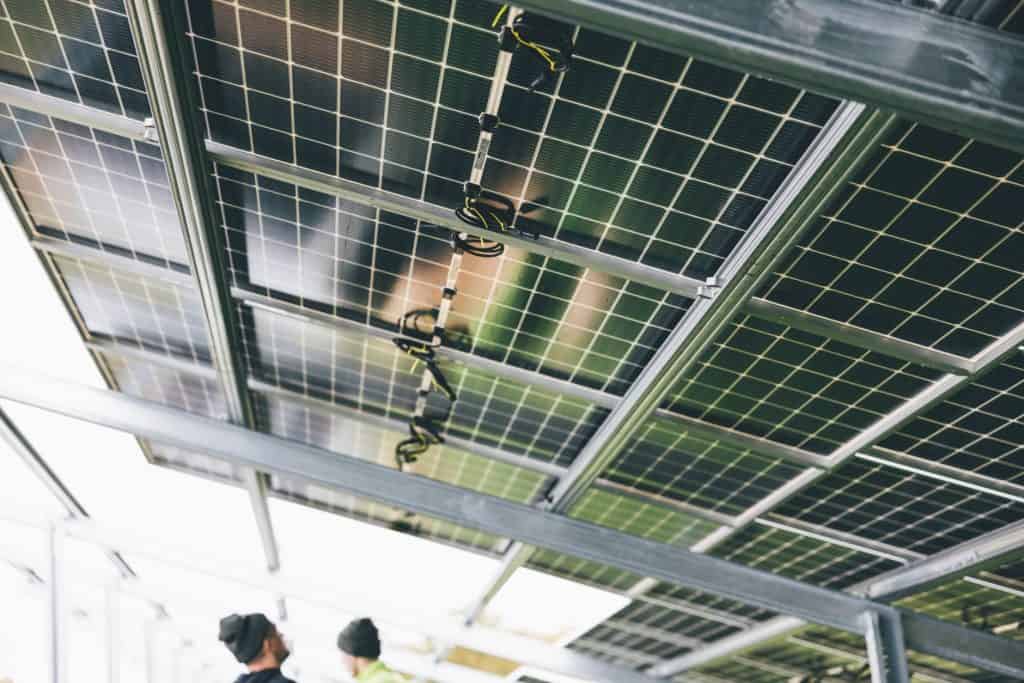
The agrivoltaic integration involves shading patterns carefully designed to optimize both crop yield and PV panel efficiency, using partial canopy coverage techniques informed by agronomic and photovoltaic performance studies.
Concrete Detail: Garden community operation capped at 3,000 parcels, governed by a legally separate Serbian entity, funded through membership and subscription fees reinvested into sustainable agrivoltaic practices aligned with EU organic farming standards.
Risk Management and Transparency Measures in Solar Trading Systems for Investor and Community Confidence
Security of investment and trust are maintained through stringent financial and operational governance. Defined payment gateways and escrow arrangements ensure investor capital is exclusively allocated to project components without unauthorized diversion.
No escrow-like or opaque financial instruments are employed; instead, digital accounting and auditing tools provide full transparency. Investor onboarding follows legal due diligence checkpoints, blocking capital deployment until all regulatory and contractual documents receive approval.
Project management employs collaborative digital platforms such as Notion AI for decision logging, risk tracking, and issue resolution, enabling real-time access to tasks, legal clarifications, and operational updates for stakeholders.
Concrete Detail: Escrow and payment frameworks restrict fund disbursement to authorized expenditures only, while Notion AI-based digital governance enables comprehensive audit trails and transparent issue management accessible to investors and project managers.
Technology Innovation Trends in Solar Trading Systems: Implications for Solar Plus Garden’s Future Scalability
Advances driving modern solar trading systems include AI-driven predictive analytics for energy price forecasting and dispatch optimization, which reduce forecasting errors by up to 15% compared to static models, improving trading revenues.
Blockchain implementations are being tested as immutable ledgers for generation data, transaction history, and dividend distributions, supporting regulatory compliance and investor trust through transparent, auditable records.
Battery storage technologies continue evolving towards modular, containerized systems that allow incremental scaling beyond initial 2 MW/4 MWh setups, supporting multiples of current projects.
Solar Plus Garden’s platform architecture includes scalable microservice APIs and cloud-based infrastructure designed to onboard additional PV assets and communities. This modularity supports future geographic expansion as regulatory frameworks evolve.
Concrete Detail: The platform incorporates AI-based forecasting algorithms and modular battery system interfaces, architected for scaling beyond 10 MW capacity and 3,000 garden parcels as market and regulatory environments develop post-2026.
Frequently Asked Questions
- How does Solar Plus Garden’s solar trading system generate revenue for investors?
- Solar Plus Garden operates a 10 MW solar power plant selling electricity primarily to the grid via a real-time solar power trading platform. Revenues from sales are distributed through equity dividends or guaranteed payout mechanisms (subject to regulatory approval). Community membership fees supplement platform and garden operations financing.
- What legal protections are in place for investors in the Solar Plus Garden project?
- The dual-entity structure separates investor governance (Estonian OÜ) from plant operations (Serbian DOO) under respective legal frameworks. Payments utilize escrow accounts with controls to prevent unauthorized fund use. Investor onboarding is deferred until legal and regulatory frameworks are fully confirmed.
- Can non-investors access the Garden community and what are the costs involved?
- Yes, community membership no longer requires direct solar investment. Interested individuals pay a €200 one-time membership fee and may subscribe to a €20/month garden box service providing 18 deliveries annually. Proceeds support solar operations and garden programming.
- How does solar-plus-storage enhance the efficiency of the solar trading system?
- Solar-plus-storage enables the platform to store excess solar generation and dispatch it during demand peaks, mitigating curtailment and stabilizing sales revenue. The system complies with grid integration standards effective in Serbia and the EU as of 2026, enhancing operational resilience.
Conclusion
The Solar Plus Garden project demonstrates how a comprehensive solar trading system combined with community membership and regenerative agriculture can deliver multidimensional value. Its legal structure differentiates investor and operational risk, while its technical platform coordinates 10 MW of solar power augmented by battery storage to manage grid integration challenges.
Financial flows are governed with transparent, escrow-based controls and community engagement is encouraged via Garden membership and produce subscriptions. The platform’s design anticipates future scaling and incorporating advanced AI and blockchain technologies to enhance market responsiveness within evolving regulatory frameworks.
Stakeholders benefit from detailed operational, legal, and financial clarity necessary to assess the long-term viability of this integrated renewable energy and community investment model.