









Maximizing Energy Efficiency with Solar Thermal Hybrid Systems: A Technical and Investment Perspective
Defining Solar Thermal Hybrid Systems and Their Components
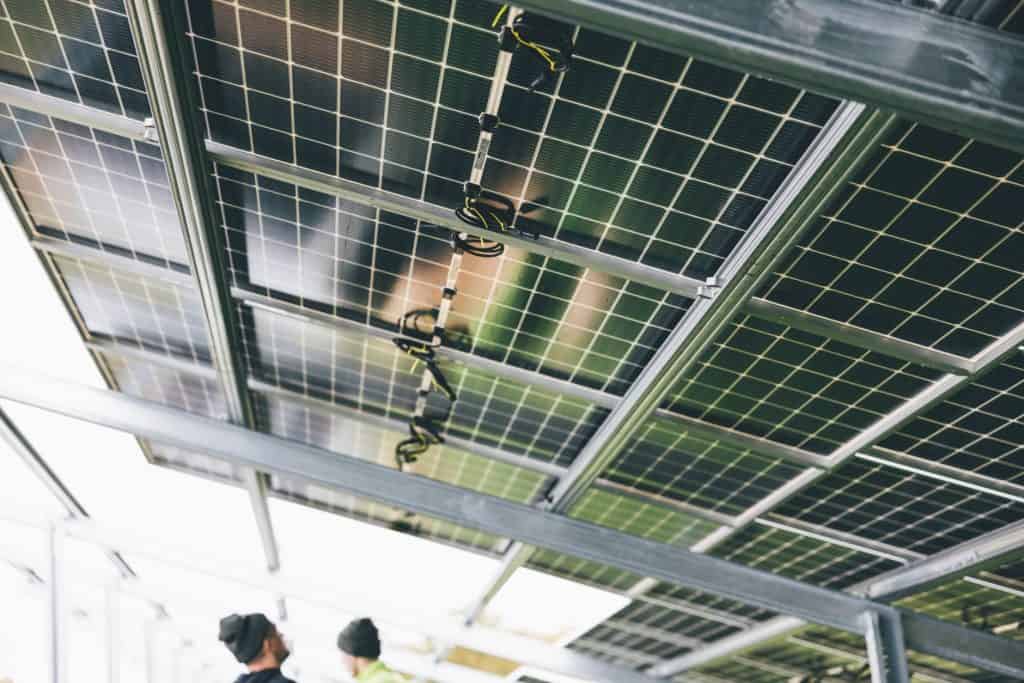
Solar thermal hybrid systems, commonly referred to as photovoltaic-thermal (pvt) hybrid technology, integrate photovoltaic (pv) cells with solar thermal collectors within a single solar panel unit. This combined system captures solar energy by generating electricity from pv cells and capturing thermal energy from the heat absorbed or produced by these cells. The resulting hybrid solar panel optimizes energy yield per unit area by simultaneously producing electrical and thermal power.
A typical pvt panel comprises crystalline or thin-film pv cells adhered to a thermal absorber surface. The absorber, usually constructed from copper due to its high thermal conductivity (~400 W/m·K), facilitates efficient heat transfer from the cells to the heat transfer medium. This extraction of heat reduces the pv cells’ operating temperature, which can otherwise decrease electrical efficiency by approximately 0.4-0.5% per °C above 25°C cell temperature, based on standard crystalline silicon specifications.
The two primary categories of pvt collectors are:
- PVT liquid collectors: These utilize a liquid — commonly water or a water-glycol mixture to prevent freezing — circulated through copper or aluminum pipes attached to the absorber plate. Efficient operation typically occurs between 40°C and 80°C, making them suitable for domestic hot water, radiant floor heating, or low- to medium-temperature industrial processes.
- PVT air collectors: Employ air as the heat transfer fluid, which has a lower specific heat capacity (~1 kJ/kg·K) compared to liquids, resulting in operation usually below 60°C. Their advantages include simpler pipework, reduced freeze risk, and lower corrosion potential but require higher airflow rates to achieve comparable thermal output.
Solar thermal hybrid panels are also classified by design into:
- Uncovered PVT collectors: These feature an absorber exposed directly to the ambient atmosphere, limiting convective and radiative thermal losses but constraining maximum operating temperature to roughly 50°C.
- Covered PVT collectors: Utilize a transparent glazing, often low-iron tempered glass with anti-reflective coatings, which reduces convective losses and allows operation at higher temperatures up to approximately 80°C.
- Concentrating PVT collectors (CPVT): Employ optics such as Fresnel lenses or parabolic mirrors to concentrate sunlight onto smaller pv and absorber areas, raising operating temperatures beyond 100°C with combined pv and thermal efficiencies exceeding 30%. This design suits applications requiring high thermal power densities but entails more complex tracking and cooling systems.
This range of hybrid solar collectors enables system designs tailored to site-specific solar irradiance profiles, ambient temperature ranges, and cooling requirements, advancing the efficiency of solar power projects that integrate solar pv and solar thermal energy capture.
How Photovoltaic and Thermal Technologies Integrate to Enhance Energy Yield
The operational principle of photovoltaic and thermal hybrid systems is to convert incident solar radiation into usable electrical and thermal energy streams simultaneously within a hybrid solar panel. The pv cells convert photons primarily in the visible spectrum into electricity through the photovoltaic effect. However, due to thermodynamic and material limits, approximately 50-60% of the solar irradiance becomes heat, raising cell temperature and reducing electrical efficiency.
By implementing a thermal energy absorber directly beneath the pv cells, waste heat is extracted continuously. Cooling the pv cells maintains their temperature closer to standard test conditions (25°C), improving output by 5-15% depending on panel design, ambient temperature, and cooling fluid flow rates. For example, in temperate climates operating under 800 W/m² irradiance, maintaining pv cell temperature within 10-15°C above ambient may boost electrical power by 8-12%.
The synergy between pv electrical output and thermal power depends on effective thermal load management. Efficient heat transfer reduces thermal resistance between cells and absorber, optimized by absorber thickness (commonly 0.3-1.0 mm copper) and proper fluid dynamics. The recovered heat is then usable for space heating, domestic hot water, or preheating in industrial processes.
To address the mismatch between solar availability and thermal demand, thermal energy storage solutions are crucial. Phase change materials (PCMs), typically paraffin wax or salt hydrates with melting points between 40°C and 60°C, store latent heat in insulated containers, providing controlled delivery of thermal power during low irradiance. Alternatively, well-insulated hot water tanks (with polyurethane or vacuum insulation achieving U-values below 0.4 W/m²K) retain sensible heat for delayed use. These storage systems improve dispatchability and overall energy system flexibility, aligned with residential or community energy needs.
Design Considerations and Installation for PVT Panels within Solar Power Projects
Designing an effective pvt system integrates multiple parameters:
- Orientation and tilt: For sites between 35° and 45° northern latitude, an optimal tilt angle of 25°-35° generally maximizes annual solar harvest by balancing winter and summer irradiance. Adjustments depend on energy usage patterns favoring heating in colder months.
- Integration approaches: PVT arrays may supplement or replace existing solar pv installations. Controls synchronize electrical output monitoring with heating demand, enabling load prioritization (electricity generation vs. thermal extraction) based on weather forecasts and consumption patterns.
- Collector type: Liquid-based pvt collectors are recommended for systems exceeding 5 kW thermal capacity or requiring stable thermal power above 50°C, while air-based collectors suit smaller-scale or retrofit projects with moderate temperature needs.
- Mounting hardware: Racking systems conform to IEC 61215 and IEC 61730 standards, supporting panel weights up to 25 kg/m² and accommodating thermal expansion coefficients (copper approx. 16.5×10⁻⁶ /K). Mounts resist wind loads up to 2400 Pa and employ corrosion-resistant coatings or anodization aligned with EN ISO 12944 durability classes.
- Heat pump integration: Coupling thermal output with air-to-water heat pumps allows conversion of low-grade thermal energy into higher temperature heat for space heating or domestic hot water. This approach optimizes system COP (coefficient of performance), with typical hybrid setups achieving effective seasonal COPs of 3.5 to 4.5 depending on the heat pump model and thermal source temperature.
Installation durations range from 3-5 days for small-scale residential setups to 6-10 weeks for community-scale projects of 500 kW and above. Compliance with IEC 62548 ensures electrical safety during combined pv and thermal system assembly, and fluid system certification (e.g., pressure tests at 1.5× operating pressure) under ISO 9001 quality management enhances operational reliability.
Cost-Effectiveness and Performance Metrics of Solar Thermal Hybrid Solutions
Economic evaluation of solar thermal hybrid systems entails comparison of initial capital investment (CAPEX), operational expenditure (OPEX), and total energy yield over the project lifetime versus single-technology solar pv or thermal installations.
Upfront costs include additional materials such as copper absorber plates, fluid circulation pumps, heat exchangers, and control electronics. While hybrid systems may increase CAPEX by 20-40% over standalone pv modules per square meter, the combined electrical and thermal output reduces the levelized cost of energy (LCOE), especially in applications substituting fossil-fuel heating.
- Energy yield per square meter increases by 30-50% relative to standard pv due to capture of thermal power, improving land or roof space utilization.
- Thermal substitution reduces reliance on natural gas, oil, or electric resistance heating, lowering utility bills and carbon footprint.
- Hybrid solar panel systems support higher capacity factors, enhancing fixed asset utilization and mitigating intermittency impacts.
Maintenance and operational costs cover fluid monitoring and replacement every 5-8 years, pump servicing, and potential repairs of thermal insulation. Summary industry analysis from European Solar Thermal Industry Federation (ESTIF) reports place payback periods for properly designed pvt systems at approximately 6 to 9 years, influenced by local incentives, feed-in tariffs for solar power, and heat credit schemes. These parameters remain subject to regulatory evolution during 2026-2027.
Operational Challenges and Maintenance Protocols for Hybrid Solar Collectors
Maintaining hybrid solar collectors entails addressing distinct issues from both photovoltaic and thermal subsystems:
- Thermal absorber degradation: Corrosion in copper or aluminum absorbers occurs predominantly due to oxygen ingress or pH imbalance in liquid heat transfer fluids. Annual fluid quality checks and inhibitor additives extend lifespan beyond 15 years.
- PV cell shading and soiling: Accumulated dust, pollen, or bird droppings reduce electrical output by up to 15% during dry seasons. Shading from mounting hardware or adjacent objects can cause irreversible hot spots, mitigated by proper site selection and panel cleaning schedules.
- Fluid circulation system faults: Leaks, air locks, or pump failures reduce thermal output and risk system damage. Pressure monitoring and redundancy in pump units mitigate operational interruptions.
Recommended maintenance protocols include:
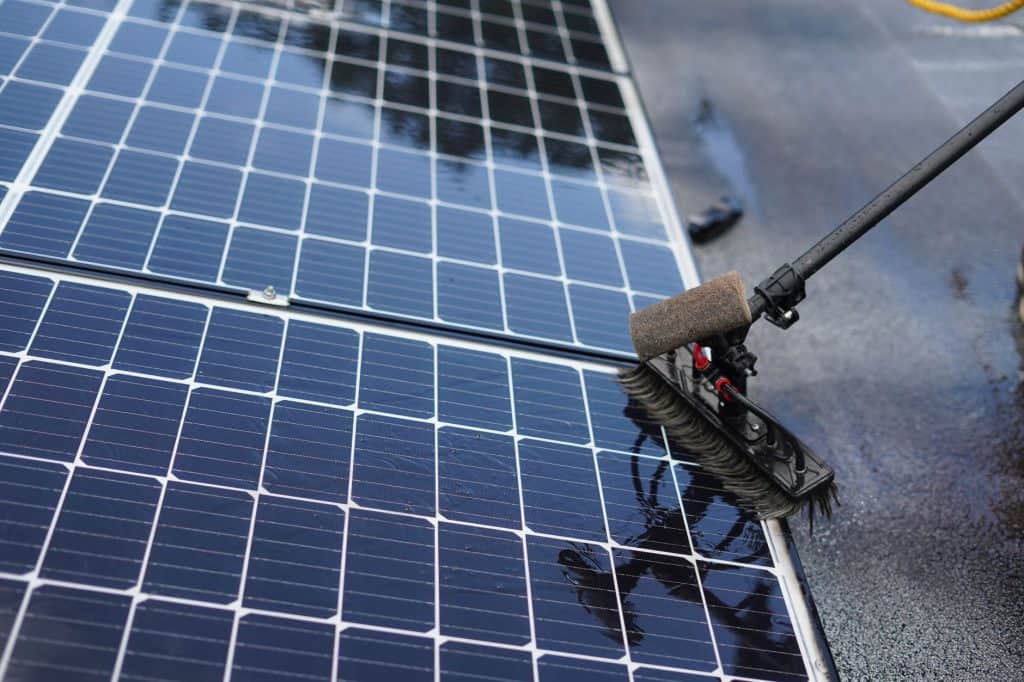
- Biannual cleaning of pv surfaces with deionized water or low-abrasive techniques to maintain optical clarity.
- Quarterly inspection of fluid levels and quality, with partial replacement every 5 years following manufacturer specifications.
- Annual replacement of filters and seals in air-based pvt collectors to maintain airflow efficiency.
- Implementation of integrated monitoring platforms recording thermal performance metrics such as inlet/outlet fluid temperature differential and pv panel temperature, aligned with IEC 61724-1 standards for photovoltaic system performance monitoring.
This structured maintenance preserves system uptime, delivering consistent returns on investment through maximized hybrid solar panel functionality.
Strategic Value of Solar Thermal Hybrid Systems in Community-Driven Solar Projects
Solar Plus Garden leverages solar thermal hybrid systems within a community-investment framework merging a 10 MW solar power plant with agrivoltaic garden operations. This presents a multifaceted model incorporating financial, environmental, and social elements.
- The 10 MW plant-scale hybrid installation can supply continuous simultaneous electrical power and thermal energy suitable for local uses, such as greenhouse climate control and on-site water heating, supporting regenerative agriculture without fossil fuel inputs.
- Garden membership fees, including a €200 one-time membership and optional €20/month Garden Box, fund the solar investments and community activities, governed under transparent escrow models ensuring accountability.
- This financial structure mitigates investment risk by diversifying income streams: revenue from solar power feed-in tariffs combined with value derived from thermal energy applications and community engagement.
- The integration of heat pump systems with PVT-generated thermal energy enhances the delivery of low-temperature thermal power for heating, supporting year-round operations in temperate climates, extending the system’s socio-economic impact.
This approach aligns with Solar Plus Garden’s mandate to offer a regulated, transparent, and scalable investment platform, enabling small and medium investors to engage in community-driven renewable energy projects with measurable environmental benefits.
Innovations and Emerging Trends in Photovoltaic-Thermal Hybrid Technologies
Advancements in pvt technologies continuously improve their performance and economic feasibility. Principal innovations include:
- Concentrating PVT collectors (CPVT): New optical designs employing Fresnel lenses and dichroic filters enhance spectral splitting, yielding combined efficiencies exceeding 30%, confirmed in test deployments under 1,000 W/m² solar irradiance.
- Novel absorber materials, such as graphene-based coatings, improve thermal conductivity and mitigate cell overheating by enhancing infrared emission without impairing visible light absorption.
- Integration with thermal energy storage and hybrid storage architectures combining batteries and heat storage increases system dispatchability, crucial for managing peak load and demand response.
- Tailored agrivoltaic system designs leverage pvt collectors alongside crop cultivation, improving land productivity while optimizing panel cooling via evapotranspiration from plants, an approach in pilot stages for community-based projects like Solar Plus Garden.
Market forecasts anticipate these technologies reaching commercial scale adoption between 2026 and 2027, with ongoing R&D supporting cost reductions. This positions hybrid solar solutions as a significant component in diversified renewable energy portfolios.
Frequently Asked Questions (FAQ)
What is the difference between a standard solar panel and a solar thermal hybrid panel?
A standard solar pv panel converts sunlight exclusively into electricity via photovoltaic cells. A solar thermal hybrid panel integrates photovoltaic cells with a thermal absorber to concurrently produce electrical power and thermal energy, increasing total solar energy harnessed from the same panel area.
How does the thermal component improve photovoltaic panel performance in hybrid systems?
The thermal component extracts waste heat from the pv cells, lowering their operating temperature. Reduced temperature mitigates efficiency losses common at cell temperatures above 25°C, resulting in an approximate 5-15% increase in electrical output depending on system configuration and cooling effectiveness.
Are solar thermal hybrid systems suitable for community solar projects like Solar Plus Garden’s?
Yes, these systems efficiently deliver combined electrical and thermal energy streams that serve diverse community needs, including heating for greenhouses and potable water, enhancing the investment’s stability and local environmental benefits.
What maintenance is required to keep solar thermal hybrid panels operating efficiently?
Routine maintenance encompasses cleaning pv surfaces biannually, inspecting and refreshing heat transfer fluids in liquid collectors periodically, replacing filters in air-based systems annually, and using integrated monitoring to track performance parameters for proactive fault detection.
Conclusion
Solar thermal hybrid systems provide a technically robust approach to maximizing solar energy capture by integrating photovoltaic electrical generation and thermal energy extraction within a single hybrid solar panel. For property owners, project developers, and investors involved in initiatives like the Solar Plus Garden 10 MW plant, adopting pvt technologies offers efficiency gains, diversified energy output, and improved space utilization.
Key decision factors include site-specific irradiation profiles, intended thermal payloads such as hot water or greenhouse heating, investment time horizons, and regulatory considerations applicable in 2026-2027. Advancements in materials, system integration, and energy storage are expected to further enhance the cost effectiveness and operational resilience of hybrid solar deployments, supporting their increasing relevance in distributed solar power ecosystems.