Skip to content






Solar Panel Efficiency: Key Factors and Practical Impacts on Energy Output
How Solar Panel Efficiency Defines Energy Production
Solar panel efficiency is the ratio of electrical energy output to the incident solar energy on the panel surface. This ratio quantifies the effectiveness of a solar installation in converting solar energy into usable electrical power. It directly influences the power output of any solar array and is distinct from solar cell efficiency, which measures energy conversion at the cell level.
A solar panel is an assembly of multiple solar cells integrated into a single module. Whereas solar cell efficiency focuses on the conversion capability of individual cells, the efficiency of a solar panel accounts for system-level losses such as inter-cell spacing, wiring resistance, encapsulation materials, and frame shading.
In the commercial solar installation market in 2026, the average efficiency of solar panels ranges from roughly 15% to 20%, with high-efficiency panels achieving between 22% and 24%. These values represent the average efficiency of solar panels measured under Standard Test Conditions (STC): 1000 W/m² irradiance, 25°C panel temperature, and air mass 1.5 spectrum.
Power output from a solar installation depends on both the installed DC capacity, expressed in kilowatt peak (kWp), and the installed panels’ efficiency. Higher efficiency panels produce more electricity per unit of installed capacity or area, which is critical for projects with limited surface availability.
Concrete detail: Commercial solar panels in 2026 commonly range from 15% to 24% efficiency, measured at STC, defining the expected energy production per square meter of panel surface.
Physical and Material Factors Affecting Solar Panel Efficiency
Multiple physical and material factors affect the efficiency of solar panels in real-world solar installations.
- Panel Structure: Monocrystalline silicon panels, featuring a uniform crystal lattice, typically achieve efficiencies between 19% and 24%, representing the highest efficiency among commercially available solar panels. Polycrystalline panels, composed of multiple silicon crystals, have average efficiencies between 15% and 18%. Thin-film panels such as cadmium telluride (CdTe) or copper indium gallium selenide (CIGS) usually exhibit efficiencies from 10% to 14%, but they can offer advantages in weight and flexibility for specific applications.
- Solar Cell Materials: Most solar panels utilize silicon-based cells due to manufacturing maturity and cost-effectiveness. In addition to monocrystalline and polycrystalline silicon, CdTe and CIGS offer alternative thin-film technologies with distinct efficiency and degradation profiles.
- Panel Temperature: The efficiency of solar panels declines as temperature increases above the STC baseline of 25°C. The temperature coefficient quantifies this impact and typically ranges from -0.3%/°C to -0.5%/°C. For example, a panel with a -0.35%/°C coefficient will lose 0.35% of its efficiency for every 1°C rise above 25°C. This effect becomes substantial in regions where midday panel temperatures commonly reach 45-60°C, potentially reducing instantaneous efficiency by 7% to 12% compared to STC.
- Shading, Soiling, and Solar Incidence Angle: Partial shading by obstacles such as trees or buildings significantly reduces overall solar power output by blocking irradiance on affected cells. Soiling caused by dust, pollen, or bird droppings can reduce panel efficiency by 5% or more depending on time between cleanings. Sunlight falling at angles deviating from normal incidence also lowers absorption; panels ideally tilt to the latitude angle to maximize annual solar irradiance capture.
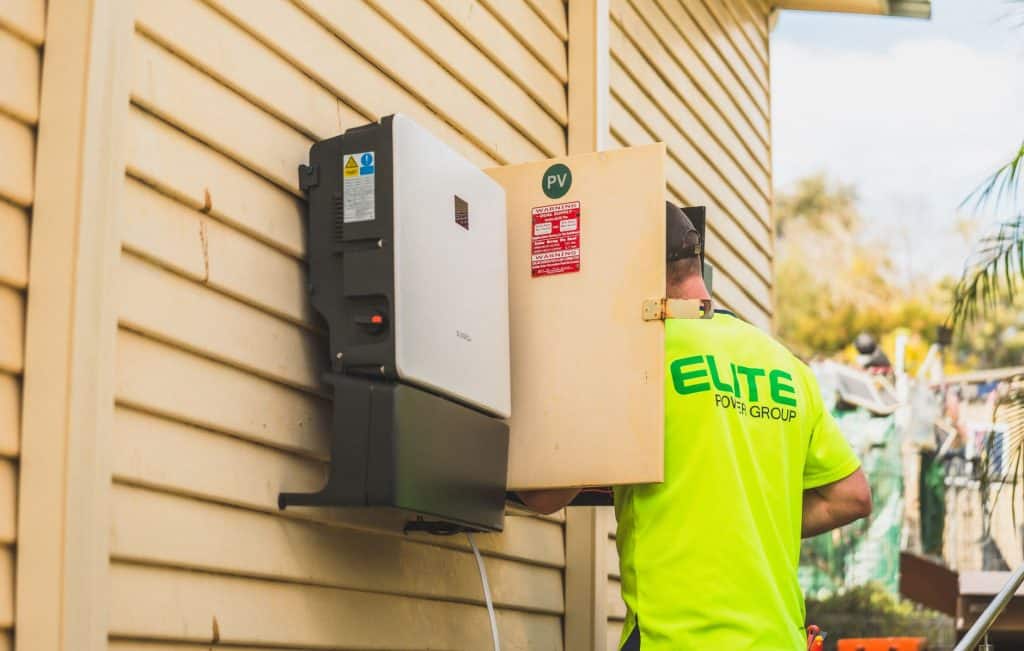
- Inverter Efficiency: The inverter converts DC electricity generated by solar panels into AC for household or grid use. Modern string or central inverters typically achieve conversion efficiencies of 97% to 99%. However, inverter efficiency combined with wiring and other electrical losses reduces overall system efficiency relative to panel-level efficiency.
Concrete detail: For a panel with a temperature coefficient of -0.35% per °C, a 40°C panel temperature leads to roughly 5% efficiency loss compared to the STC rated efficiency.
Real-World Efficiency: Measuring and Comparing Panel Performance
Solar panel efficiency measured under STC differs from real-world conditions due to variable temperature, irradiance, and environmental factors. Performance ratios (PR) compare actual energy yield to theoretical yields and typically range from 0.75 to 0.90 in operating solar installations.
Field measurements use inverters’ output monitoring and reference sensors to assess real-time performance. Factors such as shading schedules, soiling levels, temperature cycles, and panel degradation over time affect measured efficiency.
Among common solar panel types:
- Polycrystalline panels deliver average operational efficiencies between 15% and 17%.
- Monocrystalline panels operate between 18% and 22%, benefiting from uniform cell quality and PERC upgrades.
- Bifacial panels increase energy capture by 5% to 15% by collecting reflected irradiance from backside surfaces, depending on ground albedo and mounting height.
Yearly energy yields in moderate European regions typically range from 900 kWh/kWp for average panels to above 1100 kWh/kWp for high-efficiency arrays. The expected lifespan of standard panels is around 25 years, during which efficiency degrades annually by 0.5% to 1%. This degradation leads to total output reductions of 20% to 25% over the warranty period.
Concrete detail: A degradation rate of 0.7% per year, assumed over 25 years, results in an approximate 18% total efficiency loss, which must be factored into financial models for return on investment.
Improving Solar Panel Efficiency: Technological Innovations and Best Practices
Improvements in solar technology and installation practices aim to enhance the efficiency of solar panels and maximize solar power energy production.
- Technology Advances: Passivated Emitter Rear Cell (PERC) technology adds an efficiency improvement of roughly 1-2 percentage points above conventional monocrystalline cells by reducing electron recombination through a rear-side passivation layer. Bifacial solar panels exploit additional irradiance from reflected surfaces, potentially increasing energy yields by 10-15% under optimal ground reflectance (albedo ≥0.3). Multi-junction cells, combining multiple semiconductor layers to capture broader spectra, can exceed 30% efficiency but are currently impractical for widespread use due to cost.
- Design Choices: Panels installed at tilt angles close to regional latitude optimize annual solar energy capture—e.g., 43° for northern Serbia. Orientation toward true south maximizes irradiance exposure. Cooling strategies such as passive ventilation or integration with agrivoltaics reduce panel temperature, limiting efficiency losses from elevated temperatures.
- Maintenance Strategies: Routine cleaning, conducted weekly to monthly depending on local environmental conditions, mitigates soiling losses. Regular monitoring of system performance can detect shading issues or inverter faults promptly.
- Agrivoltaics Integration: The Solar Plus Garden concept combines renewable solar energy systems with sustainable agricultural production. Vegetation under and around solar panels provides shading, lowering panel temperatures by up to 5°C in field studies, which can improve efficiency by approximately 1.5%-2%. This dual-use approach enhances land productivity and supports community benefits.
Concrete detail: Incorporating PERC cells in commercial panels typically boosts efficiency from 20% to 21-22%, improving annual energy output proportionally.
How Solar Panel Efficiency Influences Solar Plus Garden’s Investment and Community Model
Solar Plus Garden’s 10 MW solar installation uses panels with efficiency estimates between 18% and 22%, balancing cost-effectiveness and panel performance to secure consistent energy production. These panels are selected to optimize the solar array’s power output given the physical space and local irradiance conditions.
Electricity generation correlates directly with panel efficiency; higher efficiency panels increase the total kWh produced per installed kWp, which strengthens revenue potential. This is especially important for small and medium-sized investors who depend on stable returns funded by electricity sales.
Within the Solar Plus Garden membership model, income generated from solar power supports Garden community activities such as local food production and social events. The clear and transparent reporting of panel performance and energy output data supports investor confidence and regulatory compliance across both Estonian OÜ and Serbian DOO legal entities.
Concrete detail: Financial and operational models for Solar Plus Garden are based on an average panel efficiency range of 18%-22%, reflecting commercially available technology in 2026 and allowing for realistic projections of energy output and revenue streams.
Quantitative Illustration: Efficiency Impact on Annual Energy Yield and Member Benefits
The following table illustrates the annual energy production differences between two solar panel arrays of equal installed capacity (1 kW) but differing panel efficiencies, in Serbia, where average annual solar irradiance is approximately 1200 kWh/m²/year:
| Parameter | 16% Efficient Panel System | 22% Efficient Panel System |
|---|---|---|
| Installed Capacity (kW) | 1.0 | 1.0 |
| Average Efficiency (%) | 16 | 22 |
| Annual Energy Production (kWh) | 1,920 (1200 kWh/m² × 16%) |
2,640 (1200 kWh/m² × 22%) |
| Difference in Annual Production (kWh) | 720 kWh (37.5% higher output from 22% efficient panels) | |
This example shows that a 22% efficient solar panel system produces 720 kWh more electricity annually per kW installed compared to a 16% efficient system. Assuming electrical revenues track energy production, the increased output directly translates into enhanced funding for Garden community activities, such as producing 18 annual fresh vegetable boxes and supporting maintenance and social programs.
Concrete detail: Serbia’s average solar irradiance of 1200 kWh/m²/year is used as the reference for annual energy production estimates, reflecting local climatic conditions relevant to Solar Plus Garden installations.
Common Myths and Misconceptions About Solar Panel Efficiency
Several misconceptions about solar panel efficiency lead to misguided purchasing and project design decisions.
- Higher Efficiency Always Offers Better Economics: Although higher efficiency panels offer maximum power output per area, they often involve higher upfront costs. For projects with unconstrained space, choosing lower efficiency panels with lower costs may offer improved return on investment.
- Efficiency Alone Determines Project Profitability: Profitability depends on the entire solar installation, including inverter efficiency (typically 97%-99%), system design quality, installation workmanship, and site-specific factors like shading or temperature effects.
- Lower Efficiency Panels Are Invariably Inferior: Some lower efficiency panels possess better temperature coefficients (e.g., -0.25%/°C vs. -0.40%/°C), maintaining performance better as panel temperature rises. In hot climates, such panels may outperform nominally higher efficiency models with poorer temperature response.
- Inverter and Installation Quality Can Be Neglected: High-efficiency solar panels require compatible inverters and optimized wiring to translate panel-level efficiency into effective solar power delivered. Poor equipment or suboptimal installation can reduce the system’s practical energy production by several percent.
Concrete detail: A panel with a temperature coefficient of -0.25%/°C will retain 3% more efficiency at 37°C panel temperature than one with -0.40%/°C, emphasizing the need to consider all efficiency factors in system design.
Questions Frequently Asked About Solar Panel Efficiency
What solar panel efficiency range should I expect for residential installations in 2026?
Residential solar panels commonly feature efficiencies between 15% and 22%, with high-efficiency monocrystalline panels reaching 23% to 24% at Standard Test Conditions.
How does panel temperature influence solar panel efficiency in daily operation?
Panel efficiency decreases at a rate typically between 0.3% and 0.5% for each 1°C increase above the 25°C standard test condition. This efficiency loss impacts daily energy production and must be accounted for in hot climates or poorly ventilated systems.
Can solar panels with lower efficiency ever be a better choice for a project?
Yes. Panels with lower nominal efficiency but better temperature coefficients or lower costs may yield better overall system performance depending on local climate and site conditions. System design and inverter quality also strongly influence final results.
How does solar panel efficiency impact the returns for Solar Plus Garden investors?
Higher panel efficiency increases total electricity generation, supporting revenue stability that funds community activities and ensures transparent cash flows. Solar Plus Garden incorporates panel efficiency into their operational and investment planning to maintain reliable returns for members.
Conclusion
Solar panel efficiency remains a central parameter in designing, evaluating, and forecasting the performance of solar installations. For projects like Solar Plus Garden, selecting panels with appropriate average efficiency, combined with strategies to manage panel temperature, system design, and maintenance, ensures maximized renewable energy production and stable financial returns. Incorporating degradation rates and real-world operating conditions into planning maintains alignment between investor expectations and actual system output. Technological improvements such as PERC cells and bifacial panels offer incremental efficiency gains, supporting continuous optimization in future installations.