









Comprehensive Solar Market Growth Projections and Investment Insights for 2026

Current Global Solar Market Size and Regional Distribution
As of the end of 2025, the global solar market boasts over 1,200 GW of cumulative installed solar capacity, with the Asia-Pacific region accounting for approximately 60% of this total. China alone contributed about 350 GW, maintaining its leadership in new utility-scale solar installations. India added roughly 25 GW, spurred by accelerated solar tenders and government auction programs under its National Solar Mission framework.
The U.S. solar market contributed around 160 GW of installed capacity by 2025, with annual additions consistently exceeding 20 GW, according to the US Solar Market Insight report by Wood Mackenzie and SEIA. European markets collectively account for near 170 GW, with Germany representing approximately 60 GW and Eastern European countries collectively contributing over 20 GW, driven by post-2020 Renewable Energy Directive targets.
The solar market segmentation by installation scale in 2025 is approximately as follows:
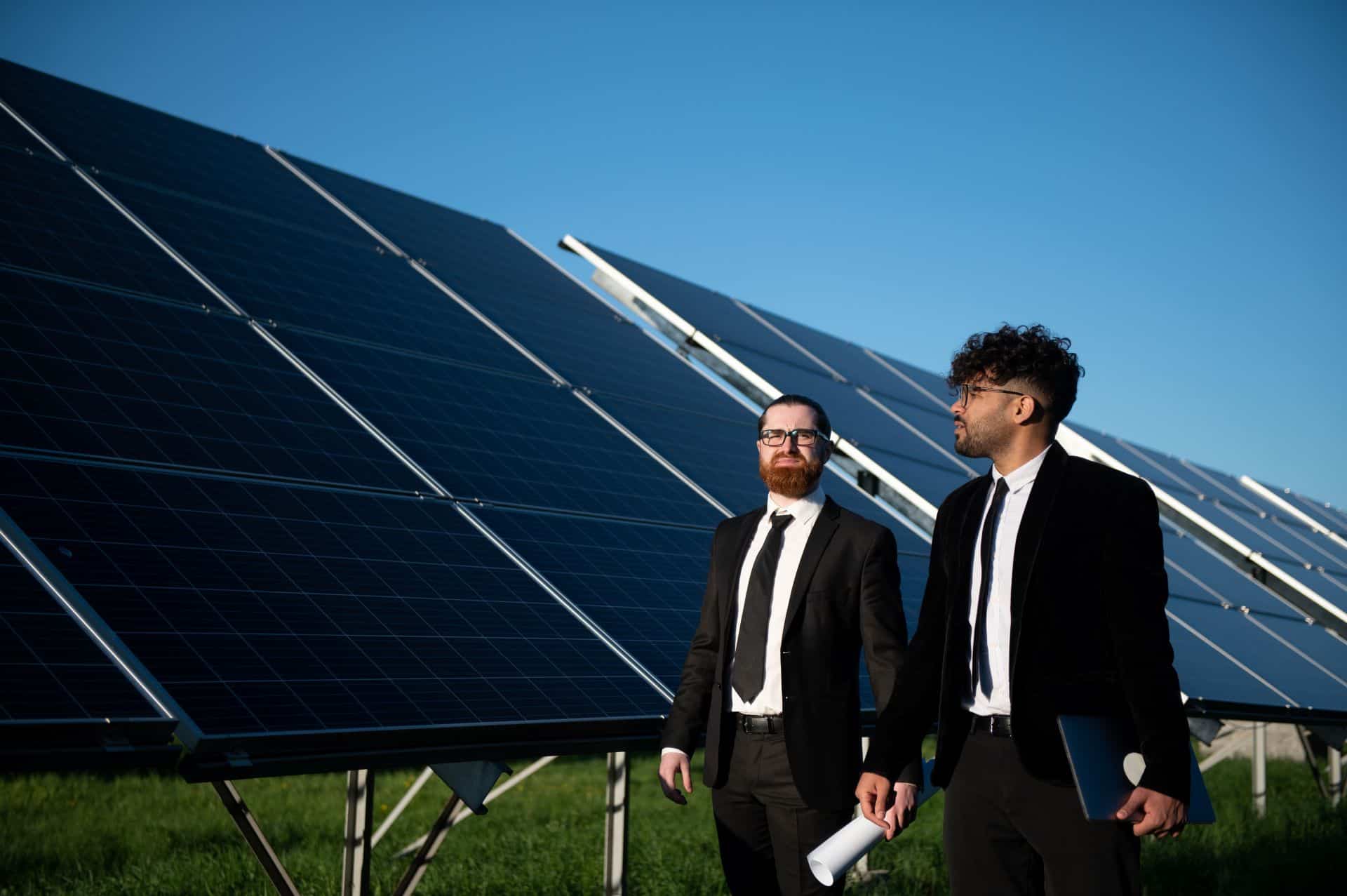
- Utility-scale solar: Comprising more than 55% of global cumulative capacity. These installations primarily use multi-megawatt photovoltaic (PV) farms connected directly to transmission networks, typically equipped with single-axis tracking systems to maximize annual energy yield.
- Commercial and industrial solar: Representing 20-25% of annual installed capacity growth. Installations at warehouses and manufacturing facilities increasingly integrate solar with onsite energy management systems compliant with IEEE 1547-2018 interconnection standards.
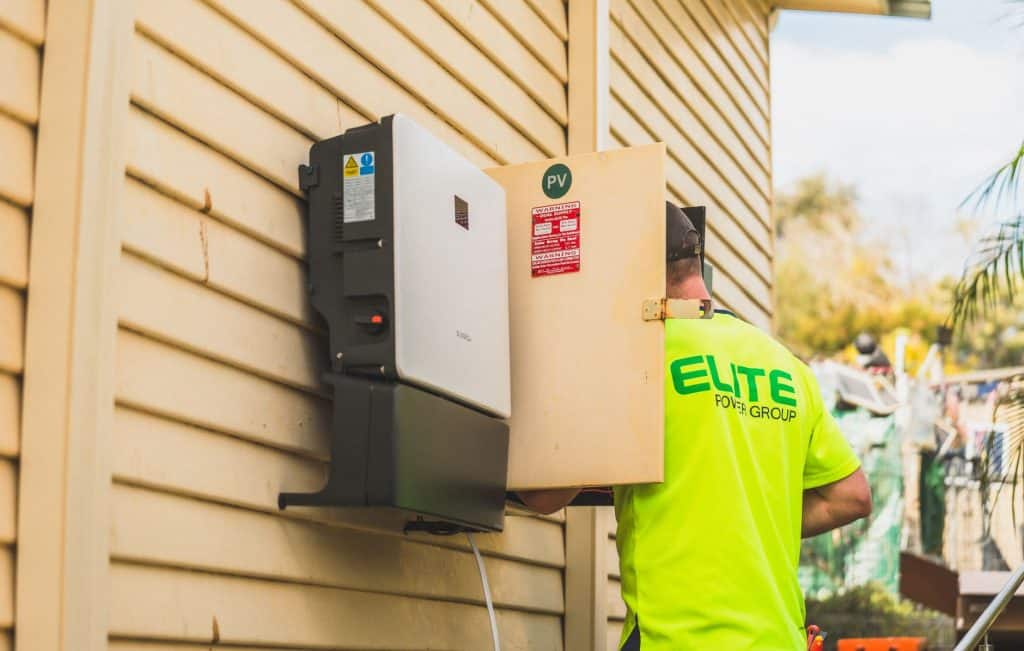
- Residential solar: Making up roughly 15-20% of cumulative capacity, with growth concentrated in the U.S. and Europe. Rooftop systems average 5 to 10 kW per installation, often paired with smart inverters conforming to UL 1741 certification for grid safety.
Market reports such as SEIA’s Solar Market Insight provide monthly and quarterly data on U.S. solar deployments segmented by end-use categories, crucial for tracking regional policy impacts and emerging technology adoption.
2026 Solar Market Growth Drivers and Policy Influences
The forecasted solar market growth for 2026 is shaped by evolving energy policies and regulatory environments across major markets. In the U.S., revisions to net metering policies at the state level—such as in California and New York—are expected to affect residential solar installation rates, with projected growth rate adjustments between -5% and +10%, depending on policy stringency and compensation rates.
European Union directives continue to mandate renewable energy share increases, targeting 40% renewable electricity by 2030 under the Fit for 55 package. Countries like Germany and Spain are implementing or updating feed-in tariff schemes and auction mechanisms, impacting the economics for new solar and storage projects. Potential subsidy phase-outs in mature markets require observation since they may reduce short-term investment attractiveness by altering project IRR calculations.
Policy mechanisms influencing 2026 solar market dynamics include:
- Renewable portfolio standards (RPS): Binding state and national targets that require utilities to source specified renewable shares.
- Investment tax credits (ITC): In the U.S., the solar ITC remains applicable at 30% in 2026, incentivizing both residential and commercial-scale developments, although subject to scheduled step-downs beyond 2026.
- Carbon pricing frameworks: Emerging carbon markets are increasing the comparative economic advantage of solar versus fossil fuel generation.
Cost reductions continue to drive accessibility. Photovoltaic module prices have decreased by an estimated 10-12% year-over-year since 2020, driven by economies of scale and advancements in passivated emitter rear cell (PERC) technology. Balance of system (BoS) costs, including inverters and mounting hardware, have also seen incremental declines, supplemented by improved installer productivity facilitated through digital design and permitting platforms.
Residential Solar Market Outlook with Storage Integration in 2026
The residential solar market paired with storage is projected to grow at a compound annual growth rate (CAGR) of approximately 25-30% through 2026, driven by consumer demand for facility resilience and energy cost optimization. This combines rooftop PV systems averaging 6-8 kW with battery storage systems typically sized between 5-15 kWh for homes in the U.S. and Europe.
Several factors influence this integration:
- Time-of-use rate structures: Utilities are increasingly implementing dynamic pricing that encourages load shifting, making battery-backed solar systems economically advantageous by enabling homeowners to discharge stored energy during peak price periods.
- Incentive programs: Regions like California offer the Self-Generation Incentive Program (SGIP), providing rebates upward of €800/kWh for qualifying battery installations alongside solar PV.
- Storage technologies: Lithium-ion batteries dominate the market, with NMC (nickel manganese cobalt) 811 chemistries providing energy densities of approximately 250 Wh/kg and cycle lives exceeding 3,000 full cycles under standard usage. Emerging alternatives, such as vanadium redox flow batteries, are at pilot deployment stages focusing on grid-edge applications.
Compliance with interconnection standards such as UL 1741 SA (Supplement A) for advanced inverter functionality is required to ensure grid safety and enable grid support functionalities including ride-through and volt-var control.
Investment Implications of Solar Market Growth Projections
The solar market expansion in 2026 translates into nuanced investment opportunities, influenced by regional policy variation and technological adoption rates. Increasing capacities enhance asset valuations, while market fragmentation allows investor choice between utility-scale projects, commercial deployments, and residential portfolios.
Innovative platforms like Solar Plus Garden integrate a 10 MW utility-scale solar plant with an agrivoltaic garden community membership model. Garden memberships are independent of direct solar equity investment but are funded through solar revenue streams, enabling community engagement and decentralized benefits without requiring individual solar investments.
The legal and financial structures for such investment platforms include:
- Dual entity ownership with Estonian OÜ holding solar project assets and a separate Serbian DOO managing local operations and community aspects
- Escrow accounts governed by transparent payment protocols to prevent fund misuse and provide clear audit trails
- Investor-ready pitch materials aligned with European Union Alternative Investment Fund Managers Directive (AIFMD) compliance considerations
Investment products typically offer two pathways:
- Equity shares: Providing ownership participation and exposure to plant operational revenues and value appreciation
- Loan/guaranteed payout structures: Offering fixed return profiles with defined risk exposure suitable for conservative investors
This diversified offering structure allows small and medium investors to allocate capital based on risk tolerance while supporting sustainable solar market growth.
Solar Market Reports and Data Sources to Monitor in 2026
Accurate and timely solar market reports facilitate data-driven decision-making and risk mitigation. Key sources include:
- SEIA’s Solar Market Insight: A quarterly publication detailing U.S. solar installation volumes segmented by residential, commercial, and utility scales, including capacity growth rates, pricing trends, and policy impacts.
- Wood Mackenzie’s US Solar Market Insight: Provides granular forecasts, contractor sentiment analysis, and market dynamics to inform investment strategies, updated quarterly.
- SolarPower Europe’s Global Solar Market Outlook: Annual reports with multi-year forecasts for European and global solar markets, emphasizing policy frameworks and technology evolution.
- Governmental statistical releases: Including the U.S. Energy Information Administration (EIA) and Eurostat data, delivering official capacity, generation, and policy adherence metrics.
Investors should juxtapose quarterly reports for short-term market shifts with annual releases for strategic positioning.
Technological Trends Affecting Solar Market Growth Through 2026
Photovoltaic (PV) technology continues to advance with commercially available monocrystalline silicon modules achieving laboratory-tested module efficiencies consistently above 23%, a benchmark for top-tier installations. These improvements allow higher energy output per square meter, optimizing land use in utility and distributed solar projects.
Supporting technological trends include:
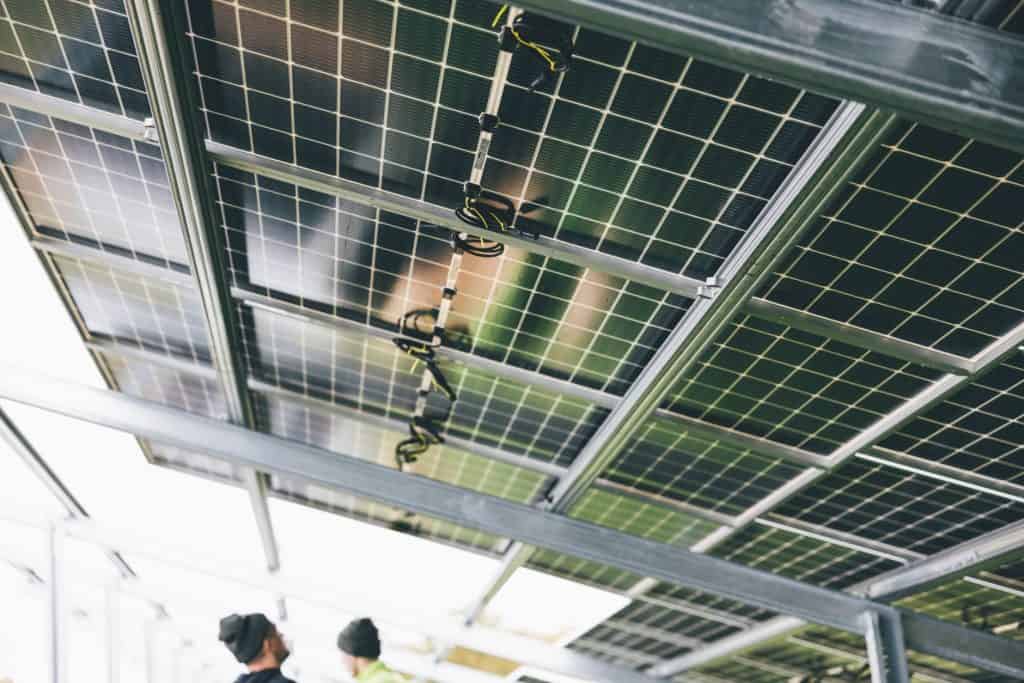
- Agrivoltaics integration: Combining solar arrays with crop cultivation leverages dual land use, with pilot projects demonstrating up to 15% yield improvements in solar generation when optimal panel spacing and shading are applied.
- Smart inverter adoption: Advanced functionalities per IEEE 1547-2018 enable grid-support features such as voltage regulation and ride-through capability, facilitating higher solar penetration on distribution circuits.
- Energy management systems (EMS): Increasing use of EMS software platforms integrates real-time data from PV, storage, and load to optimize generation dispatch and reduce grid constraints.
- Cost declines in balance-of-system components: Inverter prices have dropped approximately 8% annually, while mounting structures benefit from modular designs enabling faster installation processes.
These advances support both centralized and decentralized solar market segments, reinforcing projected capacity growth trajectories.
Risks to Solar Market Growth Projections in 2026
Regulatory risks remain significant, with potential adjustments to tariffs and subsidy programs capable of modifying project financial models. For instance, the scheduled step-down of the U.S. Investment Tax Credit beyond 2026 or changes to state-level Renewable Energy Certificates (RECs) could impact investment returns.
Supply chain constraints persist as a critical operational risk. For example, polysilicon supply tensions due to geopolitical factors and battery cathode raw material shortages (notably nickel and cobalt) have recently caused project timeline extensions averaging 5-10%, as documented by industry tracking reports.
Market saturation effects are emerging in mature regions such as parts of Germany and California, where rooftop solar adoption approaches technical potential limits, reducing incremental capacity expansion rates. This emphasizes the strategic importance of geographic market diversification and innovative business models.
Environmental and social permitting challenges, including prolonged approval processes and community opposition relating to land use, continue to extend project lead times, requiring proactive stakeholder engagement and comprehensive environmental impact assessments adhering to respective national standards.
Emerging Market Opportunities: Community Solar and Agrivoltaics Integration
Community solar models are advancing market inclusivity, enabling broader participation beyond direct ownership of solar assets. Solar Plus Garden represents a hybrid example combining a 10 MW utility-scale solar plant with a community agrivoltaics platform involving a garden membership system.
Key aspects include:
- Ownership structure with operations managed by a Serbian DOO, while the Estonian OÜ handles investment assets, enhancing regulatory clarity and cross-border compliance
- Garden community memberships requiring a €200 one-time fee plus optional monthly garden box subscriptions (€20/month), funding local food production and community activities independently of direct solar investment
- Facility design targeting up to 3,000 garden parcels on agrivoltaic land sections, aligned with precise payment and escrow mechanisms to ensure financial transparency
- Local socio-economic benefits through delivery of fresh, regionally produced vegetables supporting food security alongside clean energy generation
This integrated model illustrates scalable approaches that balance technical solar project investment with participatory community frameworks, fostering diversified social and financial returns.
Forecasts Beyond 2026: Assessing Long-Term Solar Market Trends
SolarPower Europe’s Global Solar Market Outlook anticipates a sustained annual solar market growth rate of approximately 8-10% through 2030, driven by expanding residential solar market shares and rising integration of storage technologies. The trend towards decentralized solar plus storage configurations is projected to accelerate, supported by battery cost declines of roughly 7% per annum and continuous improvements in energy management systems.
Emerging technologies such as tandem perovskite-silicon cells demonstrate potential efficiency boosts beyond 30% under laboratory conditions, though commercial maturity is expected post-2028. Advanced analytics and AI-driven grid optimization software are also expected to enhance large-scale solar operational efficiency and flexibility.
Climate policies, including carbon neutrality objectives under the Paris Agreement, remain fundamental to market expansion assumptions. Government mandates and incentive frameworks focused on renewable energy deployment will continue shaping investment environments.
Investors and developers should prepare portfolios by weighting near-term deployment opportunities with medium- to long-term exposure to scalable technologies and adaptable business models responsive to evolving regulatory frameworks.
Frequently Asked Questions
- What are the main factors influencing solar market growth projections for 2026?
- Key drivers include evolving renewable energy policies and subsidy frameworks—such as U.S. ITC schedules and EU Fit for 55 targets—advancements in PV module efficiency and battery storage costs, increasing residential solar adoption, especially when paired with storage, and supply chain stability impacting component availability.
- How does residential solar paired with storage affect overall market forecasts?
- The combination of residential solar and storage is expected to grow at a CAGR of 25-30% through 2026, enhancing system value by enabling time-of-use optimization, grid services participation, and improving consumer energy resilience, thus contributing significantly to installed capacity and market expansion.
- What role does community-based solar investment play in market growth strategies?
- Community solar platforms like Solar Plus Garden broaden investment access by linking solar projects with complementary agrivoltaic and garden membership models. This expands participation beyond direct solar equity holders, supports local sustainability goals, and fosters transparent governance structures, thereby enhancing market inclusivity.
- Which reports should investors consult for reliable solar market data in 2026?
- Investors are advised to monitor SEIA’s Solar Market Insight and Wood Mackenzie’s US Solar Market Insight for detailed U.S. market data, coupled with SolarPower Europe’s Global Solar Market Outlook for broader European and global trends, supplemented by official government statistical releases such as those from EIA and Eurostat.
Conclusion
The 2026 solar market outlook reflects complex interactions between policy evolution, technological progress, and shifting market segments. Investment platforms integrating robust legal frameworks with community engagement approaches, like Solar Plus Garden, represent forward-thinking models aligned with transparent and sustainable growth principles. Ongoing monitoring of subsidy schedules, legislative updates, and supply chain developments is essential for risk management and capitalizing on emerging opportunities. Engagement with authoritative market reports ensures informed strategy adjustments corresponding to dynamic solar and storage sector conditions.