





Understanding Minimum Solar Investment Requirements for Effective Solar Farm Participation

Defining Minimum Solar Investment Requirements in Large-Scale Solar Projects
Minimum solar investment requirements define the essential capital thresholds and legal entry conditions needed to invest in solar energy projects, particularly in community solar and solar farm investing. These requirements ensure investment processes remain structured, transparent, and sustainable for diverse investor profiles.
In Solar Plus Garden’s 10 MW solar project, the minimum equity investment is set at €500. This nominal threshold enables small and medium investors to participate by acquiring fractional ownership of the solar panels and their output capacity. The modular solar panel configuration supports incremental ownership aligned with individual capital capacities.
Solar Plus Garden distinguishes between investing in solar energy through equity and joining the community solar membership. Equity investment pertains to ownership of solar panels and entitles investors to revenue from energy production. Conversely, the membership model requires a €200 one-time fee, granting access to ancillary community benefits focused on agrivoltaics, such as fresh local produce delivery, without necessitating capital solar investments.
Multiple entry points facilitate inclusive solar farm investing:
- Invest in solar energy by purchasing equity shares from €500 upwards.
- Participate in the garden community via membership without direct solar panel ownership.
- Support local solar development with scalable investments or community fees aligned to agrivoltaic integration.
Legal and Structural Foundations Governing Minimum Solar Investments
Solar Plus Garden’s legal structure separates ownership and operational functions to meet regulatory requirements in both the European Union and Serbia. The solar farm, holding a 10 MW capacity, is owned by an Estonian OÜ (operating under Estonian corporate law), incorporated on 20.02.2026. The project’s operational responsibility is delegated to a Serbian DOO, tasked with local management and compliance, ensuring distinct liabilities and governance.
This dual-entity approach enables adherence to regional solar rights frameworks and optimizes eligibility for tax credits such as investment tax credit (ITC) incentives under applicable EU and Serbian fiscal policies, subject to evolving legislation.
An integral part of project governance is the implemented payment and escrow model. Investor contributions are securely deposited into escrow accounts managed under clearly defined conditions. Funds remain inaccessible for project expenditure until full legal and technical compliance is achieved, safeguarding against premature disbursement and ensuring accountability.
Key legal safeguards include:
- Clear separation of asset ownership and operational control between Estonian OÜ and Serbian DOO entities.
- Escrow-monitored payment flows to prevent unauthorized fund allocation.
- Investor rights structured to align with relevant tax credit eligibility and local regulatory compliance.
Investment Tiers and Membership Models Within Solar Plus Garden
Solar Plus Garden’s hybrid participation framework offers two primary pathways to engage in solar energy farms:
- Equity investment: Investors contribute capital starting from €500 to obtain proportional ownership of the 10 MW solar farm’s solar panels and associated energy output.
- Community membership fee: A one-time €200 fee grants access to the garden community and agrivoltaic-related services managed by a dedicated legal entity separate from the solar farm ownership. This membership fee partially finances solar development and subsidizes community activities.
Community members may subscribe optionally to the Garden Box service at €20 per month, receiving 18 seasonal shipments of fresh, locally grown produce sourced directly from integrated agrivoltaic plots. This subscription operates independently from solar equity ownership, offering a tangible benefit aligned with agrivoltaic synergy without solar panel investment.
To maintain sustainable management of community solar and garden resources, membership capacity is capped at 3,000 planting plots (“boxes”), ensuring scalability does not compromise agronomic or social engagement quality.
Key Technical and Financial Components Dictating Investment Minimums
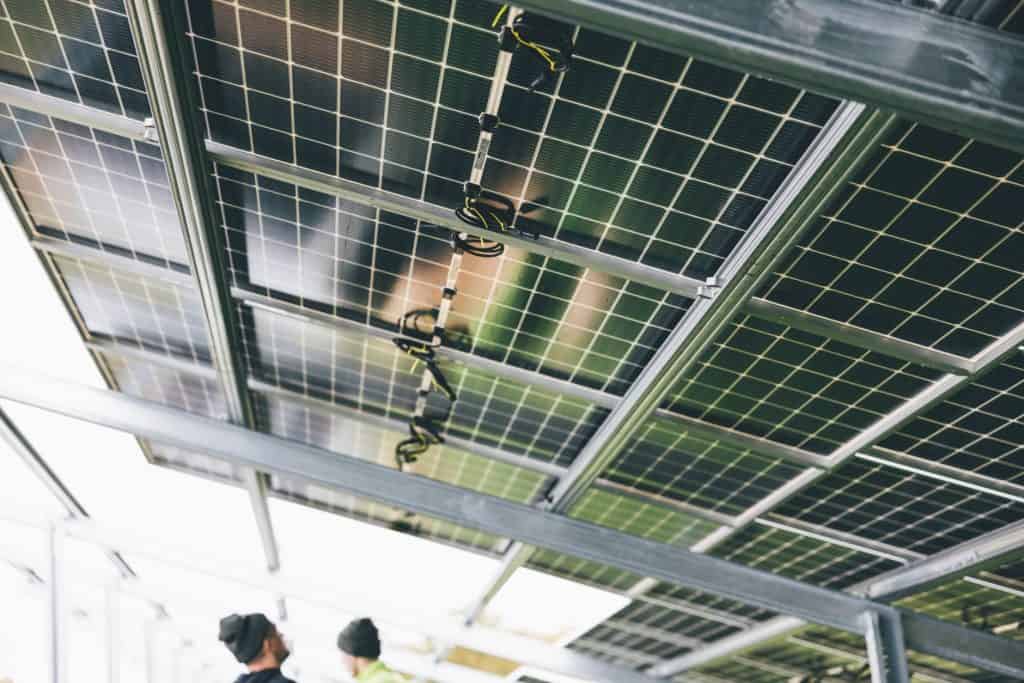
Minimum investment thresholds correspond to the solar farm’s technical design and financial planning. The 10 MW array consists of photovoltaic modules sized in kilowatt units, allowing granularity in fractional investments. Contributors acquire solar panel capacity blocks, such as minimum units of 0.5 kW or 1 kW, scalable according to investor capital and the project operational model.
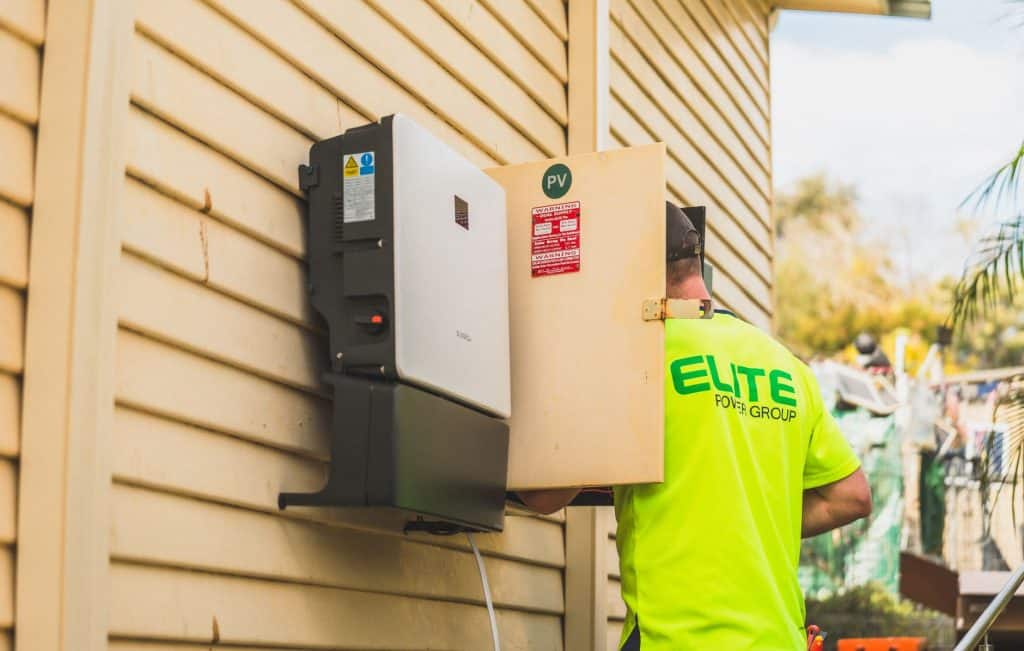
The solar system integrates grid connection equipment compliant with local grid codes, including inverter standards and smart metering infrastructure, to optimize energy dispatch and guarantee compliance with grid operator regulations.
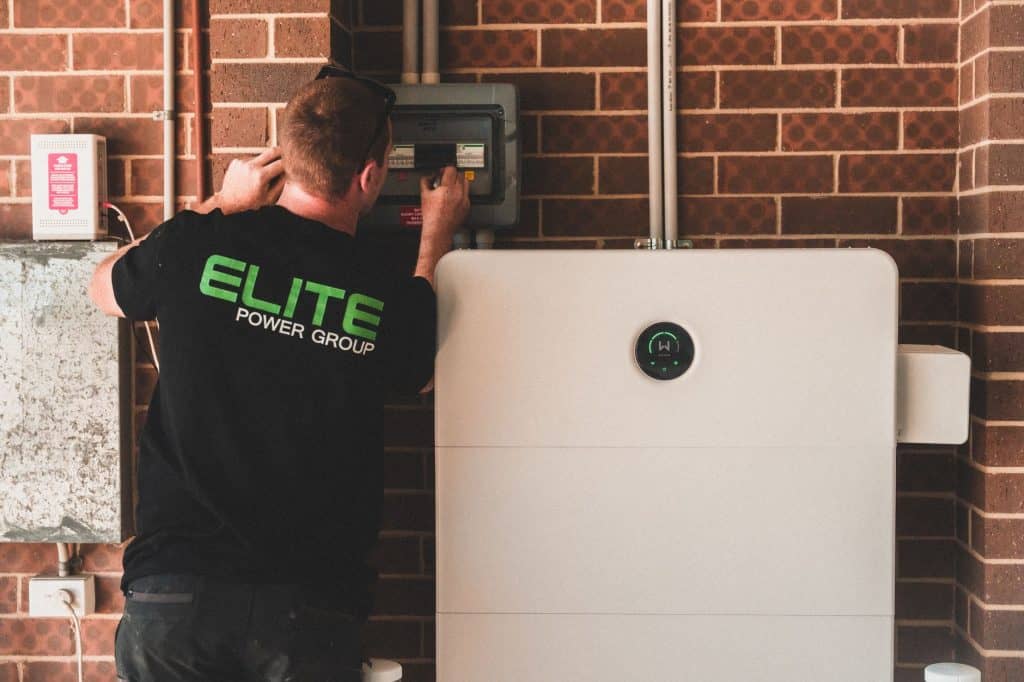
Energy storage solutions, where implemented, affect financial minimums by enhancing grid stability and output dispatchability, factors incorporated in project cash flow models and risk assessments. Storage capacity sizing correlates with expected solar energy intermittency and load profiles, influencing minimum capital requirements.
Financial incentives, notably feed-in tariffs set by local regulatory bodies and investment tax credit programs adapted to renewables investment, modulate investment thresholds. Feed-in tariffs determine revenue per kWh injected into the grid, while ITCs reduce effective upfront capital outlays, cumulatively adjusting the minimum viable investment sums. These programs are subject to governmental policy shifts and should be reviewed periodically by investors.
Common Methods and Pathways to Meet Minimum Solar Investment Requirements
Ways to invest in solar within Solar Plus Garden include:
- Direct equity investment: Investors commit capital starting €500 to directly purchase shares in solar panels, gaining pro-rata ownership and rights to revenue generated by solar energy production.
- Loan-based investment: Offered in Phase 2, this option structures capital as a loan with a guaranteed payout schedule, appealing to solar homeowners or investors seeking fixed income rather than equity participation.
- Community solar membership: Participants pay a membership fee that funds aspects of solar development and grants access to garden community benefits without engaging in solar panel ownership or revenue sharing.
- Leasing land: While Solar Plus Garden does not currently offer land lease opportunities, leasing land for solar farm installation is a customary method for landowners to participate indirectly in solar projects by providing site access and receiving lease payments.
The registration and onboarding process includes:
- Completion of Know Your Customer (KYC) and Know Your Business (KYB) procedures to ensure compliance with anti-money laundering and investor protection laws.
- Payment verification through escrow-managed accounts to ensure funds availability and secure transaction execution.
- Activation of access to the investor portal and community platform, enabling real-time monitoring of solar project progress, financial reporting, and community engagement.
Restrictions and Risks Associated with Minimum Solar Investments
Solar Plus Garden’s investment framework aligns minimum commitments with the solar project lifecycle, encompassing phases of planning, construction, commissioning, and operation. Investors commit funds for durations consistent with these phases, reflecting the time required for return realization.
Key risk factors include:
- Regulatory uncertainty: Changes to feed-in tariffs, solar rights legislation, or investment tax credits can influence projected returns and minimum investment viability.
- Solar rights and permitting disputes: Conflicts over land use or permits may cause project delays in commissioning, impacting cash flow and investment liquidity.
- Construction and supply chain delays: Shortages of solar panel components or logistical challenges can postpone project timelines.
- Market risks: Variability in wholesale electricity prices and solar panel operational efficiency introduces financial uncertainty.
The escrow structure protects investor funds from misappropriation but does not eliminate the inherent risks of investing in solar development projects.
Monitoring and Maintaining Compliance with Investment Minimums Throughout the Project Lifecycle
Solar Plus Garden utilizes an integrated compliance framework to oversee investment minimums and community membership contributions:
- Investor funds are held within escrow accounts, with releases conditional on governance approvals and verified project milestones, ensuring financial discipline.
- Regular financial and operational reporting includes detailed metrics on solar panel performance, energy output in kilowatt-hours, revenue disaggregated by investor share, and allocations to community agrivoltaic programs funded through solar returns.
- The investor platform provides stakeholders with access to progress documentation, including grid connection status updates, energy storage integration milestones, and community engagement results, maintaining transparency and accountability over the project’s lifecycle.
Frequently Asked Questions
What is the smallest amount I can invest to participate in the Solar Plus Garden solar farm?
The minimum solar investment required to obtain an equity share in the 10 MW solar farm is €500, allowing participation in local solar energy farms with fractional solar panel ownership.
Do I need to invest in solar panels to access the Solar Plus Garden community and receive fresh produce deliveries?
No. Access to the community solar membership and agrivoltaic benefits requires only a €200 one-time fee, without obliging you to purchase solar panels or invest capital in the solar farm.
How does the payment and escrow system protect my investment?
Investor payments are managed through an escrow account that restricts fund disbursement until legal, financial, and technical project conditions are met, preventing unauthorized spending and ensuring payment tracing.
Are there any ongoing fees after the initial solar investment or membership fee?
The equity solar investment is a one-time capital commitment. Community members may opt for the monthly Garden Box subscription at €20, which is separate from solar investment and delivers seasonal produce 18 times annually.
Conclusion
Solar Plus Garden facilitates accessible entry points into solar farm investing by setting minimum solar investment requirements at €500 for equity participation and €200 for community membership. The project’s legal design, featuring Estonian OÜ ownership and Serbian operational management, aligns with applicable solar rights, tax credits, and regulatory frameworks, supporting clear and secure investment pathways in local solar energy farms.
Technical components such as modular solar panels, grid connection infrastructure, and optional energy storage directly influence financial minimums, alongside external factors like feed-in tariffs and investment tax credit policies. Investors should consider regulatory, legal, and market risks inherent to solar development while acknowledging protections built into the project’s escrow and governance models.
Engagement through the Solar Plus Garden platform ensures ongoing monitoring and compliance with investment minimums, enabling transparent participation in the hybrid solar and agrivoltaics community model. By understanding these specific requirements and mechanisms, investors and community members can make informed decisions about paying for solar within this innovative 10 MW solar project.