


Maximizing Home Resilience with Battery Backup Systems Integrated into Solar Power
Defining Home Battery Backup and Its Role in Residential Energy Storage
Home battery backup systems are specialized energy storage solutions designed to provide emergency power during power outages ranging from minutes to several hours. Unlike conventional uninterruptible power supplies (UPS) optimized for brief electronic device support, these systems supply continuous power for household loads, with battery capacity commonly spanning 5 kWh for small residential setups to beyond 20 kWh in larger installations. This capacity supports essential functions such as refrigeration, lighting, communication, and heating for multiple hours, dependent on load profiles.
Energy stored in these batteries originates either from the electrical grid or renewable sources like solar panels, ensuring that homes maintain power when the utility supply fails. This integration enhances energy independence by reducing reliance on grid stability, critical in regions prone to outages caused by severe weather, grid faults, or scheduled maintenance. By mitigating disruptions, battery backup systems elevate power reliability for residential users while contributing to overall grid demand stabilization during peak periods.
The backup power benefits extend beyond outage scenarios, supporting demand management and interfacing with home energy systems to optimize consumption and support sustainable energy goals.
Core Components and Operation of Home Battery Backup Systems
A complete home battery backup system comprises key components: batteries (typically lithium ion batteries or lead acid batteries), inverters, charge controllers, and control electronics for load management and system monitoring.
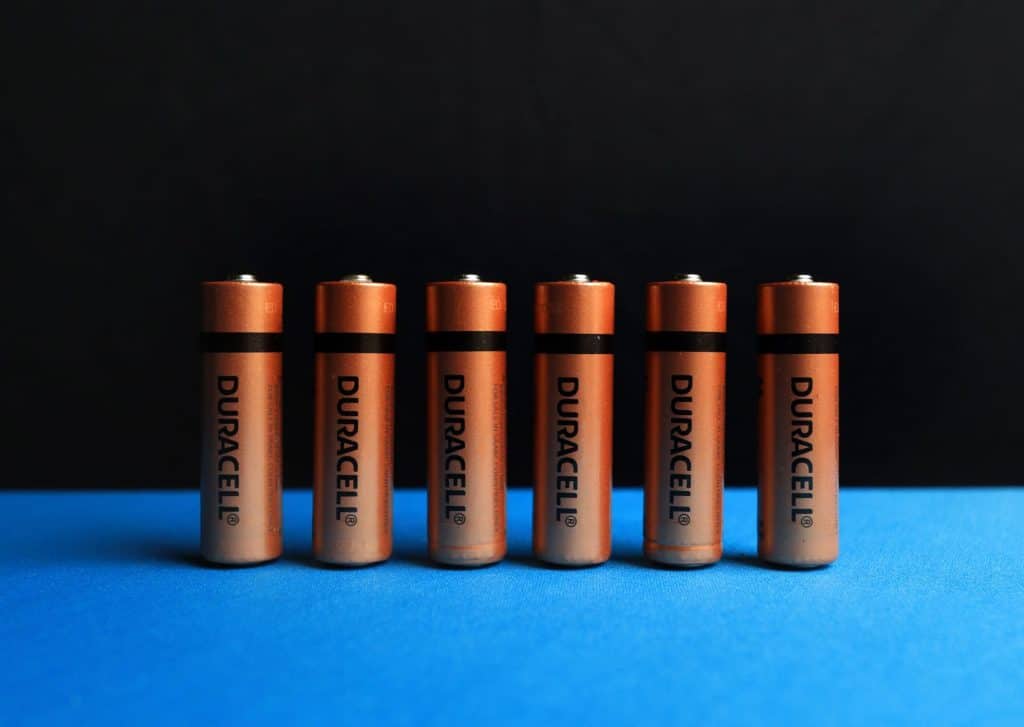
Batteries serve as the energy reservoir. Lithium ion batteries offer high energy density (~150-250 Wh/kg), longer battery lifespan of 10-15 years (based on 3,000-5,000 full charge cycles at 80% depth of discharge), and reduced maintenance. Contrastingly, lead acid batteries typically sustain 500-1,000 cycles (3-5 years lifespan) at similar depths but demand regular maintenance such as electrolyte level checks and equalization charges.
Inverter compatibility is critical for efficient energy conversion and system integration. Inverters transform DC power from batteries into AC electricity compatible with household appliances and the grid. Modern hybrid inverters support both battery chemistries and provide seamless switching between grid, solar input, and battery discharge, meeting grid interconnection standards such as IEEE 1547 and IEC 61727. They also include anti-islanding protection to ensure safety during outages.
The charge controller regulates battery charging from solar panels, preventing overcharging by controlling current and voltage based on battery chemistry and state of charge. Maximum Power Point Tracking (MPPT) charge controllers optimize solar harvest by continuously adjusting solar panel operating voltage. This management improves battery efficiency and longevity by avoiding damage through overvoltage or deep discharge.
Load management functions prioritize critical household circuits during outages, stretching backup duration. Advanced systems allow homeowners or automated algorithms to defer non-essential loads, adjusting power flow based on smart home integration inputs such as occupancy sensors or time-of-use tariffs. System monitoring platforms provide real-time dashboards displaying voltage, current, temperature, and state of charge, enabling proactive maintenance and rapid fault detection via remote communication.
Types of Home Battery Backup Technologies: Lithium-Ion vs Lead Acid
Lithium ion batteries dominate modern applications due to higher energy density and longer battery lifespan of approximately 10-15 years, verified by manufacturers through cycle tests adhering to international standards like UL 1973. These batteries require integrated battery management systems (BMS) to monitor cell voltages, temperatures, and balance charge to maintain battery safety and prevent thermal runaway risks.
Lead acid batteries, primarily valve-regulated lead acid (VRLA) or absorbed glass mat (AGM) types, offer lower upfront costs but shorter lifespan (3-5 years) and increased maintenance, including electrolyte topping and periodic equalization charging. These maintenance activities are necessary to mitigate sulfation and capacity loss, following manufacturer specifications and industry guidelines (e.g., IEEE Std 1188-2005).
Regarding environmental benefits, lithium ion batteries have lower lifecycle emissions per kWh delivered due to longer durability and improved recyclability, though their production involves intensive mining of metals like cobalt and lithium. Lead acid batteries contain heavy metals but benefit from a well-established recycling infrastructure exceeding 90% recovery rates, reducing environmental impact when properly managed.
From a cost effectiveness perspective, lead acid batteries have lower initial costs but higher total cost of ownership because of shorter lifespan and maintenance. Lithium ion technology, despite higher acquisition costs, typically delivers better long-term value for applications requiring high cycle counts and deep discharges. Also, lithium ion’s lighter weight and smaller footprint ease installation constraints in residential settings.
Battery warranty terms reflect these differences: lithium ion warranties commonly span 5-10 years or specified cycle counts, while lead acid warranties often cover 1-3 years or fewer cycles, subject to maintenance conditions.
Solar Power Integration: Enhancing Backup Power with Renewable Energy
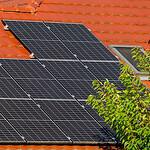
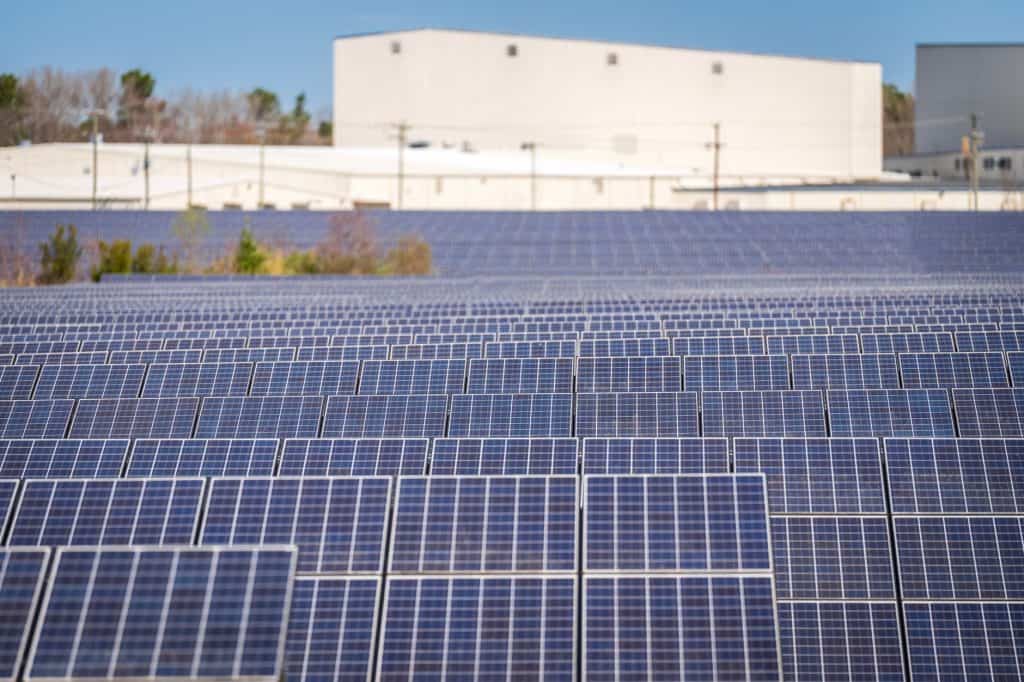
Solar battery integration enables continuous charging of home battery backup systems by converting sunlight into electrical energy during daylight hours. Solar panels rated typically between 3 kW and 10 kW for residential use generate DC power regulated by the charge controller to safely charge batteries, minimizing grid electricity consumption and increasing energy independence.
Two principal configurations exist:
- Grid tied systems with battery backup export excess solar generation to the grid during normal operation and draw grid power when solar or battery reserves are insufficient. Batteries automatically supply power during power outages via seamless switching defined in inverter firmware, complying with grid codes such as EN 50549 in the European market.
- Off grid power systems rely solely on on-site solar generation and battery storage, requiring larger battery capacity and often supplementary generation (e.g., diesel generators) to maintain autonomy. These systems include charge controllers calibrated to optimize solar input and battery health under variable weather conditions, with a stronger focus on backup duration and recharge time.
Solar integration allows for peak shaving, wherein stored battery energy reduces utility peak demand charges during high consumption periods. This results in measurable energy savings and decreased stress on the power grid. Additionally, by displacing grid power with solar plus battery storage, households effectively lower their carbon footprint.
System designs must observe regional technical standards and interconnection policies—such as the Serbian Grid Code and European Technical Specifications—to secure permits and grid-connection approval, ensuring safety and reliable operation under variable grid conditions.
Sizing Your Home Battery Backup: Calculating Capacity and Backup Duration
Accurate sizing of a home battery backup system starts with evaluating the household’s power consumption, focusing on critical loads (e.g., refrigerator averaging 150-300 W, LED lighting around 50-200 W, internet modem approximately 15-30 W, and medical devices if applicable). Aggregated load determines required sustained power in kW over the desired backup duration.
The basic formula is:
Battery capacity (kWh) = Critical load (kW) × Backup duration (hours) / Depth of discharge / Battery efficiency
Assuming a 3 kW critical load, 8-hour backup duration, 80% depth of discharge (to preserve battery health), and 90% round-trip efficiency, a calculation would be:
3 kW × 8 h / 0.8 / 0.9 ≈ 33 kWh usable battery capacity required.
Trade-offs include balancing higher capacity (for longer autonomy) with increased costs and installation space. Recharge time must be compatible with available solar array size or grid charging rates typically in the range of 1-5 kW input power.
Residential systems commonly fall within these ranges based on home size and demand:
- Small homes: 5-10 kWh battery capacity
- Medium homes: 10-15 kWh battery capacity
- Large homes or high electrical loads: Above 20 kWh battery capacity
Incorporating smart home integration with automated load shedding and priority settings can optimize operational efficiency and extend backup duration. Planning should allow for anticipated growth in household energy needs or new appliances adding load over a 5-10 year horizon.
Installation and Maintenance of Home Battery Backup Systems
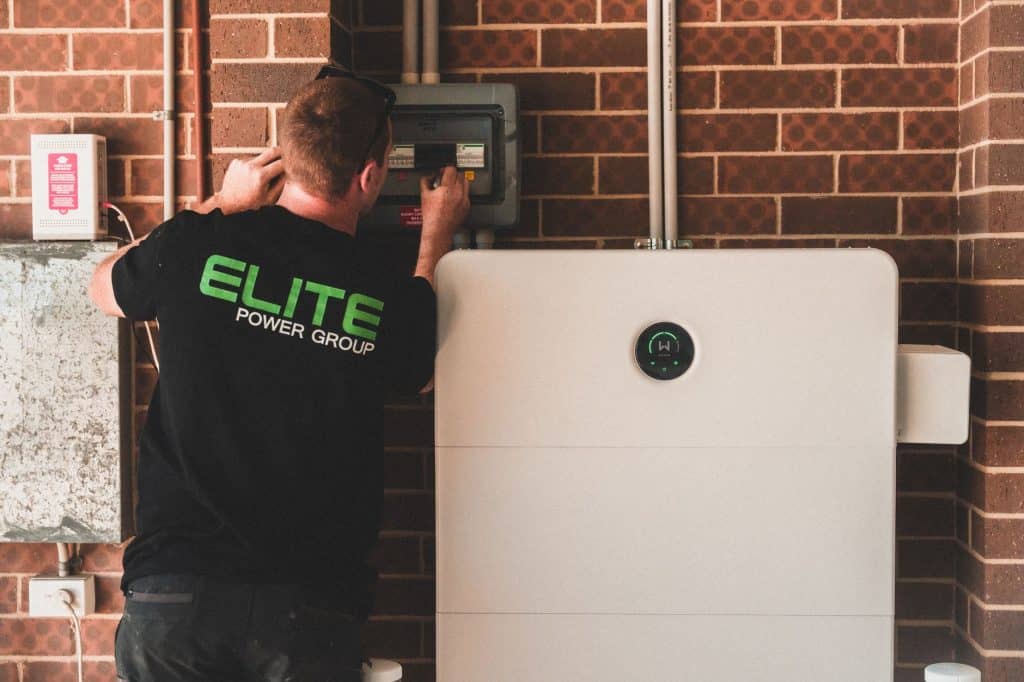
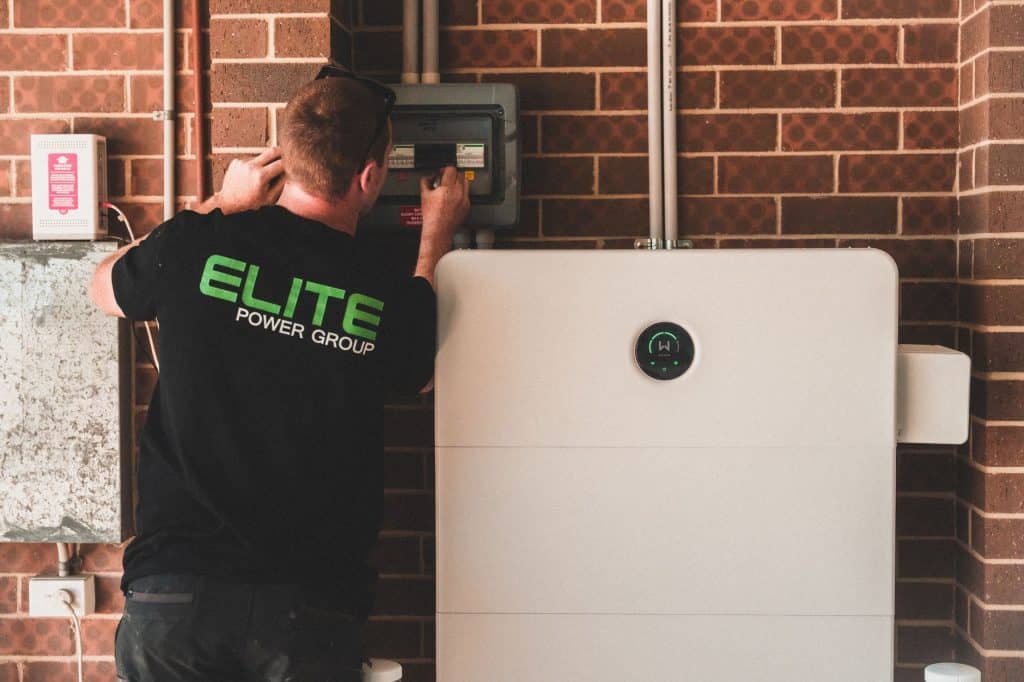
The installation process begins with a detailed energy audit and site survey by licensed professionals who design the system tailored to the home’s load profile, solar capacity, and space constraints. Installation includes securing battery safety, electrical isolation, ventilation, and compliance with local regulations like IEC 62485 (safety requirements for stationary batteries) and national electrical codes (e.g., NFPA 70, NEC Article 706). Proper handling of heavy batteries and high-voltage wiring ensures installer and occupant safety.
The installation sequence involves mounting solar panels and inverters, connecting batteries with appropriate cabling and fusing, configuring charge controllers, and integrating into existing electrical panels via transfer switches or circuit breakers designed for emergency load transfer.
Maintenance requirements vary by battery chemistry. Lead acid batteries require regular checking of electrolyte levels at intervals specified by manufacturers (typically monthly to quarterly) and periodic equalization charging to prevent sulfation. Lithium ion systems emphasize software system monitoring, with firmware updates and thermal management to maintain battery efficiency and safety. All systems benefit from annual or biennial professional inspections to assess cell health, connections, and safety components.
Consistent maintenance preserves warranty conditions and prolongs system service life. Monitoring platforms enable early detection of capacity decline, helping schedule preventive maintenance before backup power benefits diminish.
Planning for Power Outages and Disaster Preparedness with Battery Backup
Home battery backup systems are central to disaster preparedness by maintaining critical home functions during outages lasting from 24 to 72 hours or longer, depending on regional risk assessments and grid restoration timelines. System design should prioritize sufficient backup duration based on historical outage data and essential load calculations.
Portable battery backups provide additional resilience for short-term or mobile power needs, offering typical capacities between 500 Wh and 2 kWh with integrated inverters and USB/DC outputs, suitable for charging small devices or powering medical equipment during evacuation.
Faster recharge times improve resilience by reducing downtime between outages. This typically requires appropriately sized solar arrays or grid chargers capable of inputting 20-30% of battery capacity per hour, minimizing vulnerability to multiple consecutive outages.
Community-supported models, such as those promoted by Solar Plus Garden, pool solar and battery-backed power across many households, enhancing overall power reliability through resource sharing and coordinated load management. These platforms utilize transparent investment structures with regulated oversight, balancing financial returns and sustainability objectives on a regional scale.
Frequently Asked Questions
How long can a typical home battery backup supply power during an outage?
Typical home battery backup systems provide between 4 and 12 hours of power depending on the battery capacity (5-20 kWh) and household load size, with longer durations achievable through increased capacity or load prioritization.
Can I integrate a home battery backup with my existing solar panels?
Yes. Solar battery integration is standard practice, with compatible charge controllers and inverters designed to coordinate solar energy capture and battery charging while maintaining grid connection for grid tied systems.
What are the main differences between lithium-ion and lead acid batteries for home backup systems?
Lithium-ion batteries feature longer battery lifespan (10-15 years), higher energy density, and lower maintenance requirements. Lead acid batteries have shorter lifespans (3-5 years), require electrolyte monitoring, and possess higher weight and volume per kWh stored.
What maintenance is required to keep my home battery backup system reliable?
Regular system monitoring, cleaning terminals, electrolyte checks for lead acid batteries, and professional inspections every 1-2 years are essential to maintain backup power benefits and battery safety.
Conclusion
Enhancing energy independence and resilience with a home battery backup system integrated with solar panels represents a robust solution against power outages while supporting sustainable renewable energy usage. Choosing between lithium ion batteries and lead acid batteries depends on desired backup duration, budget, space, and maintenance preferences. Careful sizing, professional installation process, and adherence to maintenance requirements ensure long-term value and safety. Monitoring evolving regulations and technological advances through trusted sources like Solar Plus Garden can help optimize system design for the residential market.