

Editorial note: this is an independent educational overview. Solar Plus Garden is not affiliated with, endorsed by, or partnered with Klimaschwarm. Fees, minimums and regulatory details change over time. Always check the official pages of the platform before investing.
Comprehensive Guide to Navigating the Klimaschwarm Crowdfunding Platform for Climate Projects
Overview of the Klimaschwarm Crowdfunding Platform
The klimaschwarm platform is a specialized digital crowdfunding platform focused on financing climate change projects that advance environmental sustainability and sustainable finance. Established in 2023 by a coalition of environmental and financial experts, it serves as a conduit between donors and investors and climate initiatives requiring capital. All projects listed are subject to a formal project verification process to ensure alignment with measurable sustainable development goals.
Klimaschwarm operates within the European Union’s financial regulatory environment and complies with the European Crowdfunding Service Providers Regulation (ECSPR), which standardizes investor protection requirements across member states. ECSPR compliance mandates disclosure of risks, transparency on funds usage, and limits on retail investor exposures, particularly to prevent over-investment and fraud. This regulatory framework distinguishes Klimaschwarm from non-specialized crowdfunding websites.
Unlike general crowdfunding platforms, Klimaschwarm exclusively supports projects that demonstrate tangible contributions to decarbonization efforts, including renewable energy projects, carbon footprint reduction strategies, and ecological restoration activities. The platform emphasizes integration of efficient technology solutions and social responsibility standards, ensuring that funded projects produce quantifiable impacts consistent with broader climate action targets.
Mechanics of Investing Through Klimaschwarm
The crowdfunding mechanism on Klimaschwarm is built around a structured pledge system accessible to donors and investors. Each project listing includes detailed descriptions based on standardized project selection criteria, including technical feasibility, environmental impact metrics, and financial projections where applicable.
Investors select projects and commit funds starting from minimum thresholds defined per campaign, typically ranging from €20 to €100 depending on the project’s scale and funding aims. Funds pledged are collected in escrow accounts and only released once the project has met its campaign goals or funding thresholds within a set timeframe, often 60 to 120 days. This escrow system ensures financial discipline and aligns investor and project creator interests.
Throughout an active campaign, the platform provides systematic project updates and documentation of progress against funding milestones via a dashboard and email alerts. These updates include interim technical developments, financial status, and environmental impact reporting, enabling ongoing transparency.
To operate and maintain the platform’s digital infrastructure, Klimaschwarm applies platform fees that typically range between 3-5% of the total funds raised, varying by campaign specifics. Payment methods integrated into the platform include credit/debit cards, SEPA bank transfers, as well as digital wallets to facilitate a seamless user experience.
Who Can Participate and Investment Requirements
Participation on Klimaschwarm necessitates compliance with geographic and legal eligibility criteria shaped largely by the ECSPR. Primarily, investors must be residents of EU member states; however, some projects may permit non-European investors if permitted under their jurisdiction’s financial laws.
Before engaging, investors undergo standard Know Your Customer (KYC) and Anti-Money Laundering (AML) verification processes designed to uphold social responsibility standards and platform integrity. These procedures involve identity verification, source-of-funds checks, and risk profiling consistent with EU directives.
Minimum investment amounts vary per project but generally start from €20 upwards. Full disclosure of platform fees, charges, and investment caps—imposed to control exposure and limit speculative risk for retail investors—are communicated clearly prior to investment.
The ECSPR framework imposes explicit restrictions on maximum investments by non-professional investors per project and across platforms annually, enhancing investor protection. Additionally, projects must provide transparent risk disclosures, including technical, financial, and environmental uncertainties.
Ensuring Trust and Transparency on Klimaschwarm
Klimaschwarm emphasizes rigorous project verification as an initial compliance step, including validation of project creators credentials, feasibility assessments by independent experts, and alignment with recognized climate impact standards such as anticipated CO2 equivalent reduction metrics.
Post-funding, the platform mandates periodic impact reporting typically every three to six months. Reports cover progress against funding milestones, expenditure breakdowns, and quantified environmental outcomes, such as megawatt-hours generated or hectares of land restored.
Maintaining financial transparency, contributors have access to detailed accounts of funds flow and usage via their personalized dashboards. Public summaries of project status and outcome indicators are routinely updated on the platform.
Community support mechanisms on Klimaschwarm encourage volunteer engagement by linking interested parties with projects requiring non-monetary contributions, fostering a sense of collaborative involvement. This collaborative funding model supplements financial input with social capital, amplifying overall project success.
Types of Climate and Sustainability Projects Funded
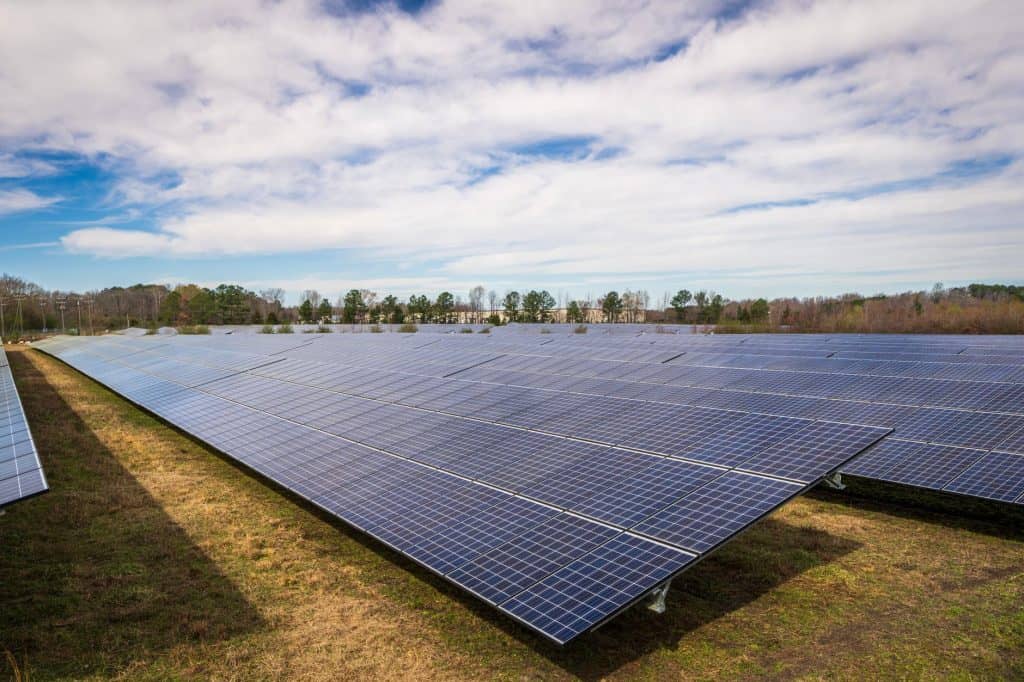
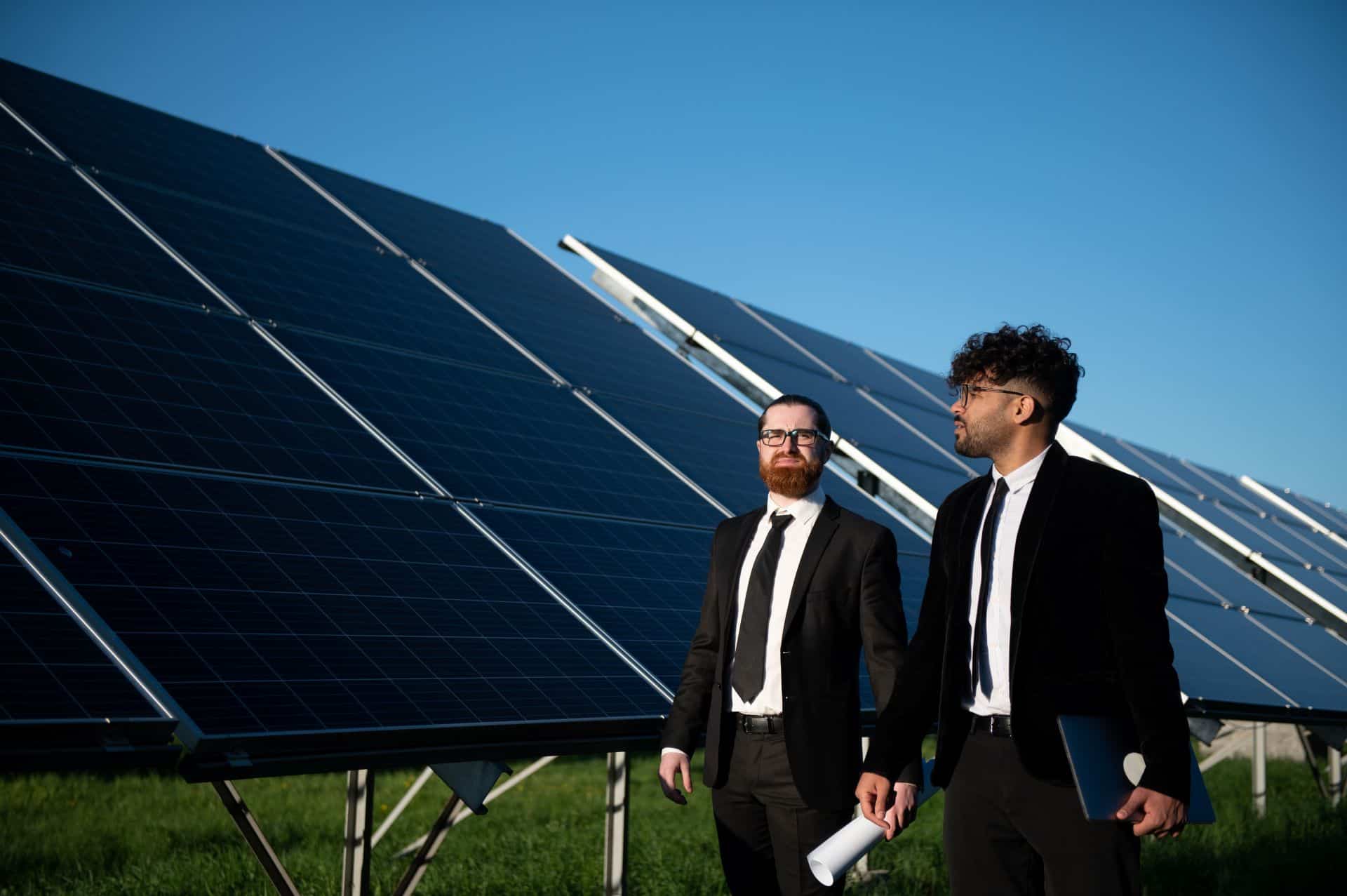
The platform’s portfolio includes diverse renewable energy projects such as photovoltaic solar arrays, small-scale wind turbines, and biogas plants designed to displace fossil fuel consumption. These projects report expected annual energy outputs and carbon emissions avoided as key performance indicators.
Other supported initiatives target comprehensive carbon footprint reduction through urban greening programs, energy efficiency retrofits for public buildings, and sustainable mobility schemes like electric vehicle infrastructure.
Ecological projects encompass habitat restoration, reforestation efforts, biodiversity conservation, and pollution remediation, frequently structured as nonprofit projects or social enterprises. These initiatives often align their objectives with specific United Nations Sustainable Development Goals (SDGs), particularly SDG13 (Climate Action) and SDG15 (Life on Land).
All green initiatives undergo impact quantification protocols using standardized carbon accounting methodologies or biodiversity assessment frameworks, facilitating transparent project updates and donor reporting.
Comparing Klimaschwarm to Community-Based Solar Ownership like Solar Plus Garden
Klimaschwarm operates primarily as an online fundraising platform employing peer-to-peer funding to channel capital across a broad spectrum of climate projects. Contributions are donations or investments without direct ownership or return guarantees, which reflects the platform’s focus on flexible donor participation.
In contrast, Solar Plus Garden offers a structured investment in a 10 MW solar power plant managed via an Estonian OÜ, combined with a garden membership community operated through a Serbian DOO. This model features robust legal structures with regulated payment & escrow models designed to ensure funds usage transparency and prevent misuse.
Solar Plus Garden integrates both financial and community engagement elements via membership fees that fund garden activities, offering tangible benefits such as fresh local produce deliveries tied to solar-generated revenues. This creates an investor journey combining asset ownership with community support and agroecological outcomes, contrasting Klimaschwarm’s broad but less asset-specific approach.
While Solar Plus Garden emphasizes stable long-term returns and regulated equity investment in renewable energy projects with agrivoltaic aspects, Klimaschwarm maintains a wider project spectrum, focusing on adaptable funding models aligned with evolving crowdfunding trends and donor-driven selection.
Managing Risks and Challenges Associated with Klimaschwarm Crowdfunding
Investing via Klimaschwarm involves intrinsic risks including project underperformance, delayed implementation of milestones, or rare instances of fraudulent activity. These are inherent in crowdfunding mechanisms where project execution depends on external parties.
To mitigate these, the platform employs risk management processes as mandated by ECSPR, including mandatory investor risk warnings categorized by project risk level and investment caps tailored for retail investors. Due diligence on project creators extends to background checks, financial audits, and periodic compliance reviews.
Post-investment, dedicated monitoring protocols track milestone achievement and fund utilization, with governance mechanisms allowing for intervention or suspension in case of deviations. Financial transparency provisions require that all transactions and expenditure reports be auditable and accessible to investors.
While Klimaschwarm cannot eliminate all risks typical of online fundraising, these multi-layered controls are designed to reduce exposure and preserve platform integrity within the evolving landscape of climate project crowdfunding.
Getting Started with Klimaschwarm: Step-by-Step
Interested donors and investors register an account on the Klimaschwarm digital platform, completing the KYC and AML verification processes as prerequisite due diligence. Depending on document submission accuracy and regulatory checks, verification typically completes within 3-5 business days.
After account activation, users access the project catalogue with detailed filtering tools based on investment size, project type, geographic focus, and environmental impact goals. Each project profile features comprehensive descriptions, risk assessments, and financing targets aligned with the platform’s project selection criteria.
Contributions are made through integrated payment gateways supporting credit cards, SEPA transfers, and e-wallets, ensuring a user-friendly financial transaction experience. Upon pledging, users receive automated notifications on project updates and funding status to track progress.
Klimaschwarm facilitates campaign promotion through community engagement initiatives and social media integration, which complement contributor efforts to accelerate project funding. Donor incentives vary by campaign but can include recognition in official reports, exclusive progress briefings, and small non-financial rewards, fostering ongoing engagement and loyalty.
Frequently Asked Questions
What is the minimum amount I can invest on the Klimaschwarm crowdfunding platform?
Minimum investment amounts differ by individual project but typically start at €20. These thresholds are set based on project scale and operational costs. Platform fees charged as a percentage of the amount raised are disclosed upfront to maintain transparency.
How does Klimaschwarm ensure that climate projects are credible and effective?
Klimaschwarm enforces a multi-stage project verification process including due diligence on project creators, technical feasibility assessments, and alignment with recognized climate and sustainability standards. Ongoing impact reporting against defined funding milestones ensures continual oversight.
Can non-European residents invest through Klimaschwarm, and what regulations apply?
Primarily governed by the ECSPR, Klimaschwarm caters mostly to EU investors. Access for non-European residents depends on individual project policies and compliance with their local laws, which the platform advises users to verify prior to investment.
How does the Klimaschwarm platform compare to community solar investment models like Solar Plus Garden?
Klimaschwarm facilitates peer-to-peer funding with flexible engagement and no direct ownership or guaranteed returns. Solar Plus Garden offers a legally structured investment in a solar plant with community membership benefits and transparent payment & escrow models, emphasizing steady returns and agrivoltaic synergy.
Conclusion
The Klimaschwarm crowdfunding platform provides a regulated, transparent channel for funding varied climate change projects aligned with sustainable development. Its integration of project verification, risk mitigation under ECSPR, and detailed impact reporting make it a viable option for investors prioritizing environmental and financial responsibility. Prospective participants should evaluate their risk tolerance and alignment with climate action goals, while remaining vigilant for any updates in platform fees, regulations, or project criteria that may influence future investments.
Related reading
Interested in co-owning a solar power plant?
Solar Plus Garden is building a 10 MW agrivoltaic plant in Serbia with direct co-ownership for its members. If a platform like Klimaschwarm caught your attention, leave your email below: we will send you the investor overview (PDF) and add you to the waiting list. No obligation, no spam.