Vai al contenuto





Solar PPA Explained for Investors: How the Agreement Supports Solar Finance
What a Solar Power Purchase Agreement Entails for Investors
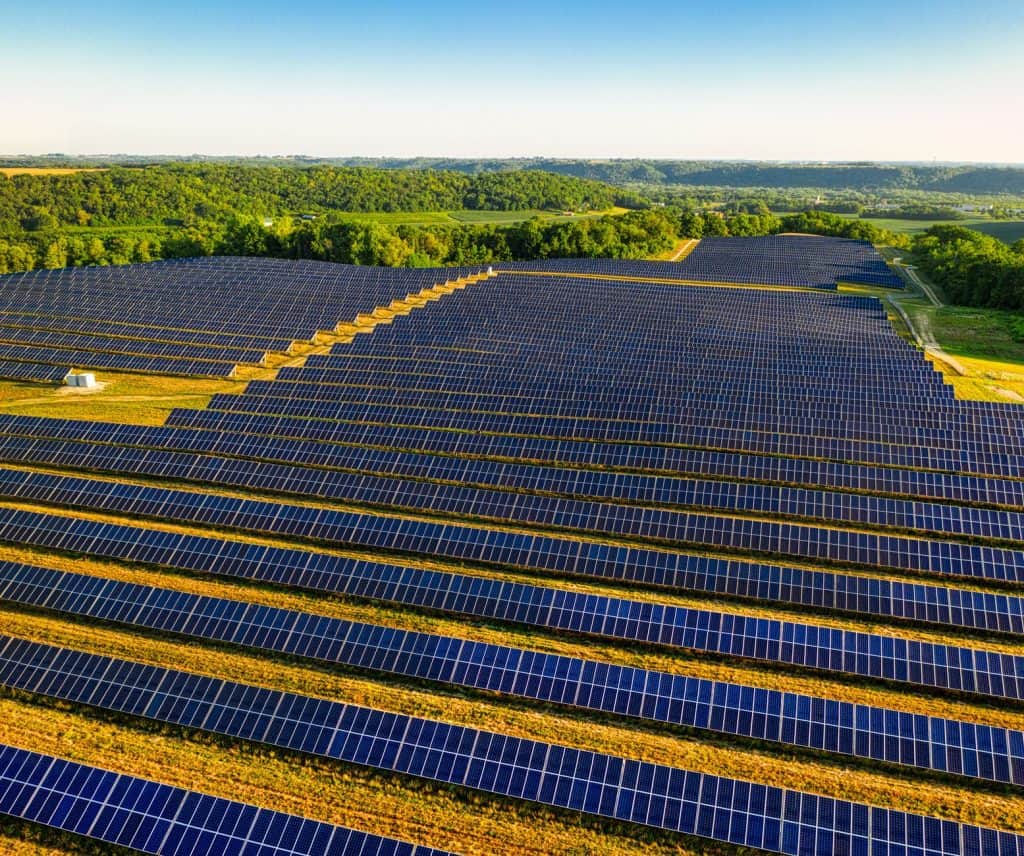
A solar power purchase agreement (solar PPA) is a long-term contract between a solar project owner and an energy purchaser, called the offtaker. The agreement obligates the purchaser to buy electricity generated by a solar panel system at a fixed or pre-agreed price per kilowatt-hour (kWh) over the contract duration, typically insulated from wholesale market price volatility.
In European markets, solar PPAs commonly range from 15 to 25 years, aligning with the operational lifespan of contemporary pannelli solari—typically warrantied for 25 years by manufacturers such as First Solar or Longi—and balancing investor risk against return horizon. During this term, the project developer retains full ownership of the solar power system and is accountable for installation, ongoing maintenance, and grid interconnection compliance under national regulations such as the EU Renewable Energy Directive 2018/2001.
Key parties in a solar PPA include:
- Solar project developers or operators, responsible for capital investment, design, installation, operation, and compliance with technical and environmental standards;
- Offtakers, often commercial or institutional entities like manufacturing plants, retailers, or municipalities, securing renewable energy at predictable costs to meet operational and energy goals.
This structure removes upfront costs for purchasers, enabling them to treat energy procurement as an operating expense without capital expenditures for solar assets. The model improves budgeting accuracy and supports corporate sustainability targets without affecting balance sheet asset ownership.
How Solar PPAs Affect Investor Cash Flow and Financing Structure
Solar PPAs underpin investor financing through predictable, contractually secured revenue streams. By fixing power prices or linking them to transparent escalation clauses indexed to consumer price indices (CPI) or Eurostat inflation data, investors mitigate exposure to wholesale price fluctuations. Typical European PPA agreements set price escalation at 1–3% annually, reflecting inflation expectations.
The fixed-price contract typically specifies payment per delivered kWh, verified by metering systems compliant with IEC 62053-21 standards for revenue-grade metering accuracy class 0.5S or better, ensuring reliable energy measurement and mitigating billing disputes.
Upfront costs per installation, permitting, and commissioning are borne by the project developer or owner. This allows the offtaker to keep the solar asset off-balance-sheet, improving financial ratios such as debt-to-equity and return on assets (ROA) for corporate purchasers. Investors’ returns depend primarily on PPA payment flows rather than direct revenue from asset sale or electricity resale.
Payments in solar PPAs can include two components:
- Capacity charges: Fixed monthly or yearly fees tied to installed capacity in kW, compensating for the availability and readiness of the system;
- Energy charges: Variable fees based on metered electricity delivery (kWh), correlating to actual system performance and sunlight conditions.
Projects with PPA-backed revenue attract investors with moderate risk appetites, including institutional investors and utilities, due to the reduced exposure to operational risks compared to direct ownership and asset management.
Key Contractual Elements Investors Should Scrutinize in Solar PPAs
Investors must assess specific contract terms that materially affect financial performance and risk management of solar PPA agreements.
- Price terms: Fixed-price contracts provide predictable cash flow. Escalation clauses, if present, should specify the inflation index, escalation frequency, and maximum annual adjustment ceilings. Variable or hybrid pricing arrangements may incorporate floor prices or market-price collars to limit downside risk.
- Contract duration and termination rights: Terms typically extend 15–25 years with strict limitations on early termination. Key considerations include penalties, buyout options, or obligation to compensate for lost revenues and sunk costs in the event of premature contract cancellation. Provisions for force majeure events (extreme weather, grid outages) clarify revenue protection under unforeseen circumstances.
- Metering and verification procedures: The contract must specify independent verification mechanisms, calibration schedules, and standardized data reporting to ensure precise energy accounting, usually auditing against IEC 61850 or similar grid communication protocols.
- Performance guarantees and maintenance obligations: The project owner usually guarantees minimum annual energy production based on irradiance data and system design parameters, calibrated by industry standards such as IEC 61724 for PV performance monitoring. Failure to meet guarantees triggers financial remedies or compensation clauses. Maintenance duties, including inverter servicing and panel cleaning, are strictly the owner’s responsibility to minimize investor exposure.
- Legal jurisdiction and regulatory compliance: Contracts must explicitly state applicable jurisdiction—often under Estonian or Serbian law for cross-border investments like Solar Plus Garden’s model—incorporating references to applicable national grid codes, permitting requirements, and the EU Renewable Energy Directive compliance to support enforcement and dispute resolution.
Clear contract articulation of escalation mechanisms and jurisdictional authority is essential for assessing long-term revenue certainty and managing regulatory risks.
Advantages and Disadvantages of Solar PPAs for Different Investor Types
Advantages of solar PPAs include:
- Lower upfront capital commitment: Investors or offtakers avoid the extensive upfront costs collegandosi a solar panel system installation, facilitating entry for investors with limited capital.
- Stable, predictable cash flow: Long-term contracts (often 20 years) with fixed or indexed pricing improve financial planning and debt service reliability, benefiting institutional and low-risk investors.
- Alignment with corporate energy goals: Offtakers demonstrate commitment to renewable procurement without managing physical assets, aiding ESG reporting and compliance.
Disadvantages includono:
- Limited operational control: Investors and offtakers do not participate in day-to-day decisions concerning system maintenance, upgrades, or performance optimization, reducing potential upside.
- Complexity in ownership and exit strategies: Since the contract separates physical asset ownership from energy purchasing rights, secondary market liquidity can be limited, complicating rapid exit or transfer of investment interests.
Institutional investors targeting stable, long-term returns typically prefer the risk profile of solar PPAs over direct equity. Smaller investors with higher risk tolerance might favor direct asset ownership for capital appreciation potential. The fixed 15–25 year contract terms require investors to carefully consider liquidity needs, often necessitating secondary market structures or buyout provisions for early divestment.
Risk exposure under solar PPAs concentrates on counterparty creditworthiness and contract enforcement rather than operational performance risks.
Regulatory and Market Factors Influencing Solar PPAs in 2026-2027
EU legislation significantly impacts solar power purchase agreements, with the Renewable Energy Directive (EU) 2018/2001 mandating member states to expand renewable capacity and regulate market integration. PPAs must comply with national grid codes, which define technical connection standards, system balancing, and curtailment protocols, ensuring grid stability amid intermittent solar generation.
Feed-in tariffs (FiTs) and subsidy schemes continue to influence PPA pricing structures. While several EU countries phase out FiTs, resulting market-referenced pricing or renewable auction outcomes shape negotiated PPA prices. Investors should consider mechanisms like sliding-scale tariffs or floor price guarantees implemented in specific jurisdictions, which influence the expected revenue and contract attractiveness.
Regulatory compliance requires adherence to revenue-grade metering, reporting obligations per REMIT regulations, and contingency handling for curtailment events governed by network codes such as the EU Commission Regulation 2017/2195.
For projects like the Solar Plus Garden 10 MW installation, regulatory due diligence entails documentation of grid connection permits, conformity with environmental impact assessments, and procurement of Guarantees of Origin certificates to validate renewable attribute claims for investors and corporate buyers.
How Solar Plus Garden Integrates the Solar PPA Model with Its Community Membership
Solar Plus Garden combines a 10 MW solar plant under a solar PPA financial structure with a appartenenza alla comunità platform emphasizing sustainability and local engagement. The solar plant’s ownership rests with an Estonian OÜ entity formed 20.02.2026, while the Garden community operates through a separate legal entity responsible for the “Garden” model and agrivoltaic activities.
Community members pay a one-time €200 membership fee invested in solar operations and a transparent escrow-based payment system that finances community programs without obligating membership holders to direct solar asset investment. Optional monthly Garden boxes priced at €20 provide 18 annual deliveries of fresh, local organic produce, directly linking renewable energy financing with tangible environmental and social impact.
This structure separates financial risks and rights: solar asset ownership and operating management remain distinct from community participation, preserving clarity in contract obligations and financial flows. The model avoids conventional escrow-like grey areas by implementing strict reporting, controlled fund allocation, and investor-grade transparency consistent with Estonian and Serbian legal frameworks.
The arrangement aligns investor interests in the regulated solar PPA-backed revenue with broader community sustainability and energy goals, fulfilling long-term investment and social value creation.
Illustration: Financial Breakdown of a Typical Solar PPA Investment
Assuming a 10 MW solar facility with an estimated annual production of 15,000 MWh, operating under a 20-year fixed-price solar power purchase agreement at €0.06 per kWh, the annual revenue calculation is straightforward:
| Year | Annual Energy Production (MWh) | Revenue (€) | Operational Expenses (€) (Estimated 10% of Revenue) |
Net Cash Flow (€) | Cumulative Cash Flow (€) |
|---|---|---|---|---|---|
| 1 | 15,000 | 900,000 | 90,000 | 810,000 | 810,000 |
| 2 | 15,000 | 900,000 | 90,000 | 810,000 | 1,620,000 |
| 3 | 15,000 | 900,000 | 90,000 | 810,000 | 2,430,000 |
Assumptions and notes:
- Upfront costs are excluded for investors, absorbed by the project developer.
- Annual production estimate is based on 1,500 full load hours per year, typical for Central European solar irradiance.
- Operational expenses include routine installation and maintenance, inverter replacements, insurance, and administrative costs, conservatively estimated at 10% of revenue.
- Price stability is assumed; escalation clauses or inflation adjustments would modify revenue and net cash flow projections accordingly.
- The cumulative cash flow supports estimating payback and financing feasibility, crucial for investor due diligence.
Domande frequenti
What are the main differences between owning a solar panel system and investing through a solar PPA?
Ownership entails full responsibility for upfront costs ad esempio installation, permitting, and maintenance, thereby providing direct control and exposure to asset performance and residual value. Investment via a solar PPA involves contractually secured payments for generated electricity without holding the physical asset or incurring initial capital expenses, limiting risk exposure but also direct operational control.
Can solar PPAs be terminated early by investors or offtakers, and what are the consequences?
Early termination clauses in solar PPAs are generally restrictive, with penalties that may include lump-sum buyout fees or contractual damages reflecting the net present value of lost future cash flows. These provisions ensure predictability and protect investors’ financed capital. Force majeure conditions and regulatory changes may provide grounds for renegotiation but seldom unilateral termination.
How does the fixed price in a solar PPA affect investor returns over long-term contracts?
Fixed pricing enables steady and predictable returns, insulating investors from market price fluctuations and enhancing financing certainty. However, it may limit returns if wholesale or retail electricity prices rise substantially above the agreed price. Escalation clauses linked to inflation partially offset erosion of real income but do not capture market upside.
Are there typical risks that investors should watch for when entering solar PPA agreements?
Risks include:
- Underperformance risk from pannelli solari due to degradation, soiling, or equipment failure;
- Regulatory risk from changing subsidy schemes, grid tariffs, or metering requirements;
- Counterparty credit risk if the offtaker fails to meet payment obligations;
- Operational risks concerning maintenance quality and grid interconnection reliability, mitigated through clear contractual duties and performance guarantees.
Conclusione: Gli investitori stanno valutando solar PPAs should prioritize review of detailed contract language, financial projections, and regulatory compliance documentation. Solar Plus Garden’s integrated model offers regulated ownership of a 10 MW solar plant alongside a community membership with transparent, escrow-backed governance. This approach merges predictable solar power revenue with local sustainability engagement. Given evolving policies and market conditions in 2026–2027, continuous monitoring of contract terms and regulatory landscapes is crucial for informed, sustainable investment decisions.
Letture correlate
- Comprendere la piattaforma di crowdfunding Linked Finance: come funziona e cosa devono sapere gli investitori.
- Comprendere la piattaforma di crowdfunding Ascend Finance: una guida completa per gli investitori
- Comprendere la piattaforma di crowdfunding Flow Finance: una guida completa per investitori e responsabili della raccolta fondi.