Vai al contenuto





Solar Tracking Systems Explained: How They Increase Energy Output
How Solar Trackers Improve Energy Production
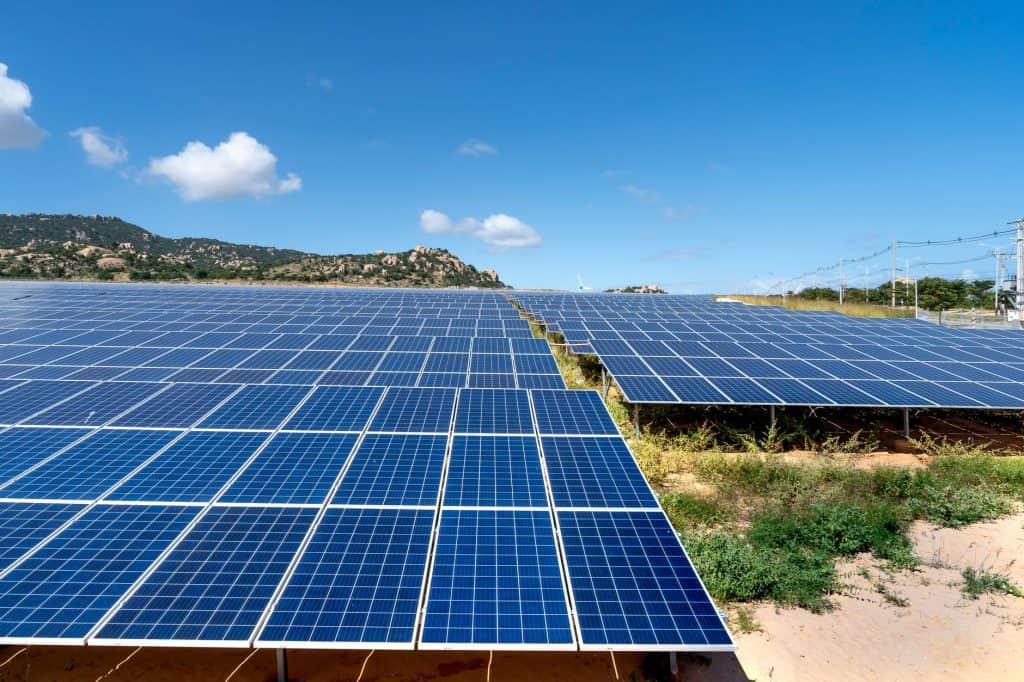
Solar tracking systems improve energy production by adjusting fotovoltaico panels constantly to align with the sun’s position, maximizing the incident solar irradiance captured daily and seasonally. Unlike fixed-tilt panels set at a static angle—often optimized for a specific time of year or latitude—solar trackers maintain an optimal or near-optimal angle to the sun throughout daylight hours.
The core mechanism relies on mechanical actuation controlled by either sensor inputs or preprogrammed algorithms calculating solar position (azimuth and elevation) based on time, date, and geographic coordinates. Fixed-tilt installations receive peak irradiance only near their fixed angle, typically limited to 2-3 hours daily when the sun’s elevation matches the tilt. Beyond this period, cosine losses reduce energy yield due to lower effective irradiance angles.
Over a full year, these cosine losses accumulate, especially at mid to high latitudes where solar altitude varies substantially between summer and winter. Solar trackers mitigate seasonal underperformance by dynamically adapting panel angles. For example, at 45° latitude, a fixed-tilt panel set near 30-35° tilt performs suboptimally in winter when solar altitude drops below 20°. A tracking system automatically ramps tilt and azimuth throughout the year to sustain near-orthogonal solar incidence.
Empirical studies and industry benchmarks show energy output gains ranging from 10% to 30% over fixed-tilt baselines for solar trackers. The variation depends on factors such as latitude, climate, tracker type (single-axis vs dual-axis), local diffuse vs direct irradiance ratio, and shading. For instance, a horizontal single-axis tracker at 40° latitude can deliver 20-25% more annual energy than fixed-tilt.
These gains are net of parasitic losses, including tracker power consumption (typically 1-2% of output) and incremental shading effects from tracker frames. Panel spacing and row-to-row shading also influence overall performance; tighter spacing reduces land use but may require higher clearance or tilt adjustments.
Types of Solar Tracking Systems and Their Movement Axes
There are two principal types of solar tracking systems based on movement axes: single-axis and dual-axis trackers. The choice affects solar alignment precision, cost, complexity, and energy yield.
Single-Axis Trackers
Single-axis trackers rotate around one fixed axis, commonly horizontal and aligned either north-south or east-west. The dominant configuration in large-scale projects is horizontal single-axis tracking (HSAT), where panels rotate about a horizontal axis aligned north-south, following the sun’s azimuth from east to west daily. Typical rotation ranges are ±45° to ±60°, depending on site latitude and design specifics.
These systems offer a compromise between tracking complexity and energy gain, improving yield by approximately 15-25% over fixed tilt. The design must accommodate dynamic wind loads during rotation, requiring wind stow mechanisms that move panels to a safe position under high wind conditions (e.g., gusts exceeding 25-30 m/s) as per IEC 61400-1 structural standards or equivalent regional norms.
Dual-Axis Trackers
Dual-axis trackers enable rotation along two orthogonal axes: azimuth (horizontal plane) and tilt (vertical plane). This capability allows panels to maintain close to perpendicular incidence with the sun’s rays throughout the day and year, maximizing direct normal irradiance capture.
Dual-axis tracking systems can increase energy production by up to 30% over fixed-tilt but carry higher capital and maintenance costs. Their mechanical complexity demands more motors, actuators, and control subsystems, increasing failure points and O&M needs. These trackers are frequently deployed in high-value or limited-area applications, particularly where space constraints justify the investment.
Types and Configurations
- Tilt-only trackers: Adjust panels’ elevation angle around a horizontal axis without horizontal rotation; less common but suited for fixed azimuth orientations where seasonal solar altitude variation is primary.
- Horizontal axis trackers: Rotate panels around an axis parallel to the ground—most commonly used in utility-scale single-axis systems—allowing east-west sun tracking throughout daylight.
Components and Technologies Behind Modern Solar Trackers
Modern solar tracking systems consist of mechanical, electrical, and control subsystems designed for precision and durability across 20+ years of service life.
Key mechanical components: robust structural frames made from galvanized steel or aluminum alloys resist environmental corrosion. Bearings and joints employ sealed, lubricated assemblies for longevity and reduced maintenance. Stepper or brushless DC motors facilitate angular motion with positional accuracy commonly within ±0.5°.
Gearboxes convert motor rotation torque to the necessary movement scale, with backlash minimized to enhance precision. Some systems use direct drive motors eliminating gearboxes to reduce mechanical wear.
Control systems integrate embedded microcontrollers running solar position algorithms (e.g., NOAA solar calculator or NREL SPA algorithm) or accept real-time inputs from photodiode arrays. System communication often employs industrial-grade protocols such as Modbus or CAN bus for data integrity and remote monitoring.
Two main tracking control approaches define the operation:
- Sensor-based tracking: Uses arrays of light sensors measuring solar intensity gradient differences across panel surfaces to orient panels dynamically toward the brightest source. Calibration minimizes response delays and false movements.
- Algorithmic tracking: Uses precise astronomical models based on geographic coordinates, date, and time to compute solar azimuth and elevation. Panels adjust accordingly without continuous light sensing; preferred in cloud-prone environments to reduce sensor faults.
Reliability is enhanced by incorporating emergency stop functions and wind stow protocols, activated at pre-set gust thresholds (commonly 25-30 m/s). Control software periodically logs positional data and fault codes, facilitating preventative maintenance.
Advantages and Limitations of Solar Tracking Systems
Advantages of solar tracking systems extend beyond increased energy output to include:
- Improved capture of diffuse radiation: Tracking systems better orient panels to incident sky diffuse sunlight, potentially increasing energy yield by 5-10% on overcast days compared to fixed systems.
- Increased capacity utilization: Higher module-level energy production per installed watt reduces levelized cost of energy (LCOE).
Limitations include higher upfront capital expenditure—typically 15%-25% above fixed-tilt system costs for single-axis trackers—and increased operational complexity. Trackers introduce mechanical failure risks such as motor burnout, gear wear, and sensor degradation. Sites experiencing wind speeds exceeding design thresholds require robust stow and structural features to prevent damage.
Nonuniform terrain complicates tracker installation due to leveling demands and soil variability. Extensive civil works may add costs or constrain tracker performance. Shading from nearby objects or row-to-row shadowing must be minimized; tracker spacing and orientation require optimization using irradiance modeling software (e.g., PVsyst or SAM).
Annual O&M costs for tracking systems are typically €8-12 per kW, higher than fixed tilt due to motor replacements, lubrication, and control system maintenance. However, the extended equipment lifetime of around 20 years offsets the extra expense when energy yield gains are realized.
Typical Use Cases of Solar Trackers in Utility-Scale and Agricultural Solar Projects
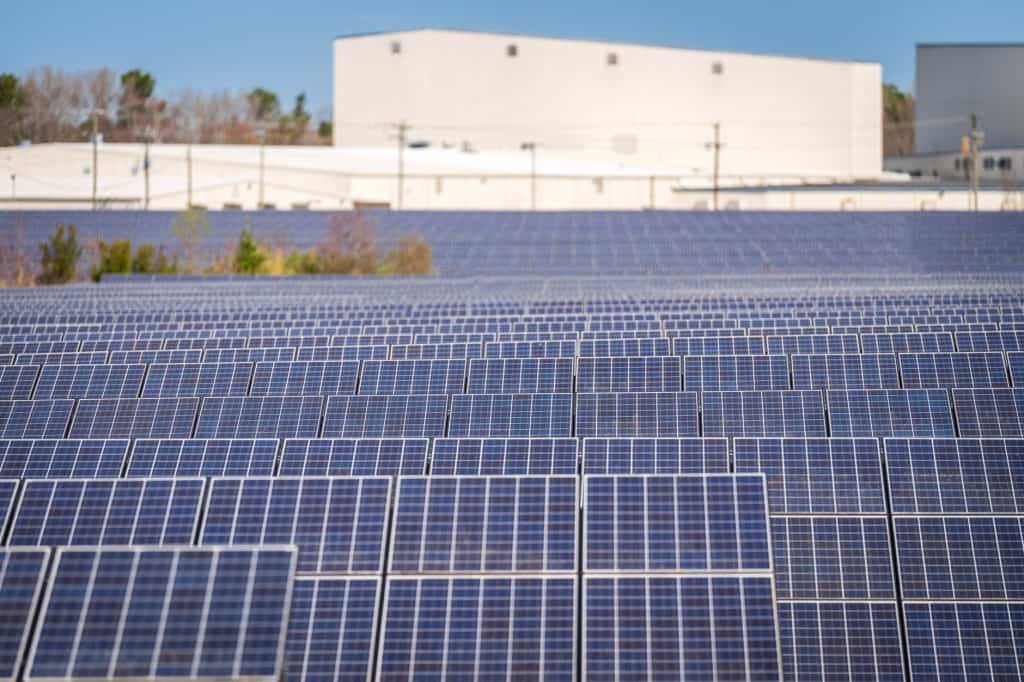
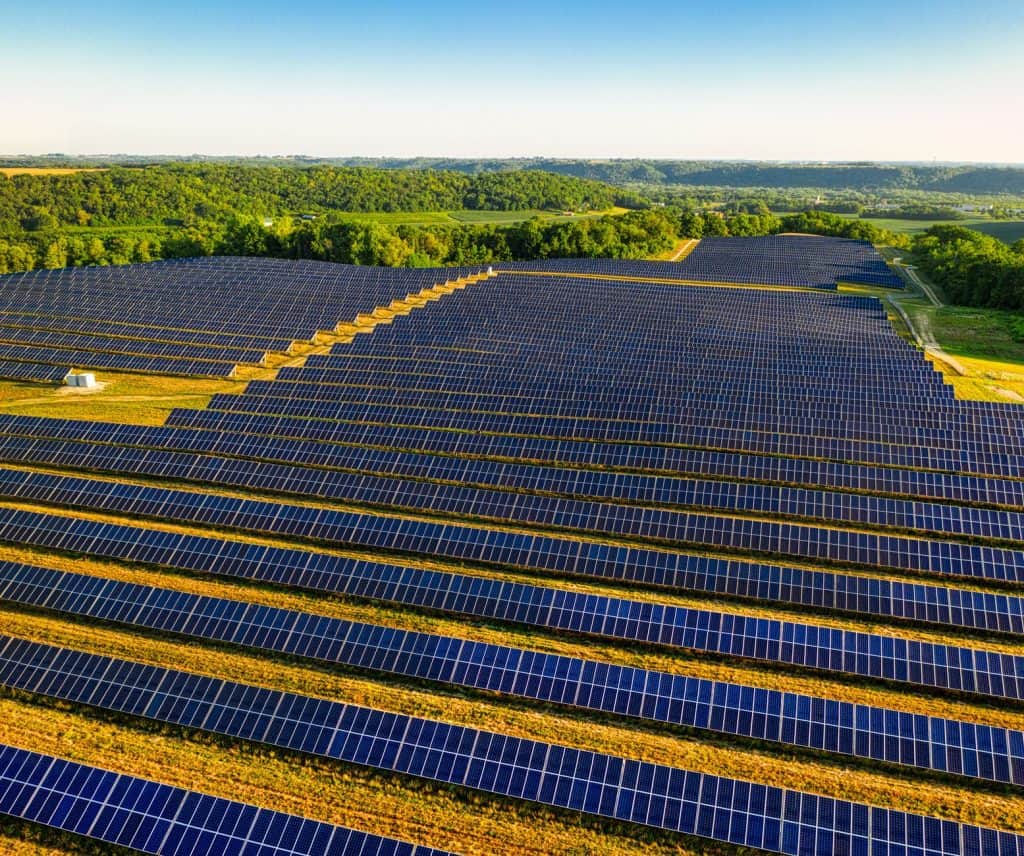
Horizontal single-axis solar trackers dominate utility-scale solar PV plants where maximizing site energy yield per hectare substantially improves project economics. Large arrays consist of tracker rows aligned north-south with motorized rotation enabling east-west sun tracking. Typical installed capacities range from 10 MW to hundreds of MW.
Agrivoltaic projects, such as those developed by Solar Plus Garden, benefit from the ability of solar trackers to adjust panel tilt and azimuth dynamically to modulate shading patterns on underlying crops. By tailoring shading intensity and duration, agrivoltaico combine solar energy generation with optimized agricultural output, meeting both food and energy production goals on the same land footprint.
Community solar initiatives implementing tracking enhance asset value by increasing predictable energy generation aligned with consumer demand peaks, especially when integrated with storage or smart grid controls.
Regional climatic conditions influence deployment decisions. For example, locations with abundant direct normal irradiance (DNI) and moderate to low wind regimes favor tracking system installations. Conversely, areas prone to heavy snowfall may prefer fixed tilt with steeper angles to facilitate snow shedding.
Cost Breakdown Example for Installing a Single-Axis Tracking System
The capital expenditure for a single-axis solar tracking system includes several distinct categories:
- Tracker hardware: motors, gearboxes, structural mounting frames, sensors
- Installation labor: mechanical mounting, electrical wiring, control system setup and calibration
- Control system electronics: controllers, communication modules, software licenses, and integration
Compared with a fixed-tilt system, the incremental cost for single-axis trackers typically ranges between €100 and €200 per kW installed capacity. Annual operations and maintenance costs average around €10 per kW over a 20-year project lifespan, accounting for preventive inspections, repairs, and software updates.
| Cost Item | Estimated Cost (€ / kW) | Notes |
|---|---|---|
| Fixed-Tilt Baseline Equipment | 700 | Includes PV modules, inverters, fixed mounting structure |
| Single-Axis Tracker Hardware | 150 | Motors, gearboxes, frames (incremental over baseline) |
| Installation and Commissioning | 50 | Additional labor and system integration for tracking |
| Annual O&M (20 years averaged) | 10 | Mechanical inspections, minor repairs, software maintenance |
This example illustrates the incremental investment profile required for single-axis solar trackers, facilitating informed decision-making on cost versus expected energy gain over project lifespan.
Key Challenges and Risks When Deploying Tracking Systems
The introduction of moving components in solar tracking systems increases potential failure modes. Common issues include motor burnout due to continuous operation cycles, gearbox wear attributable to torque and environmental exposure, and sensor malfunctions caused by dust or moisture ingress.
Design features to mitigate mechanical risk include adoption of independent actuators for panel segments to contain cascade failure, weatherproof enclosures to safeguard electronics conforming to IP66 or higher ingress protection ratings, and redundant communication pathways to maintain control during partial system faults.
Structural designs comply with applicable regional standards such as Eurocode EN 1991-1-4 for wind actions or ANSI/ASCE 7 for structural loading. These standards dictate safe operating limits, often requiring trackers to withstand gust speeds exceeding 30 m/s while maintaining stow capability.
Jurisdictions may impose local regulations covering electromagnetic compatibility (EMC), electrical safety, and land use planning. Noncompliance risks costly redesign or permit revocation. Site topography, snow loads, and soil conditions must also be assessed thoroughly during design to prevent post-installation operational issues.
Maintenance Needs and Operational Steps for Solar Tracking Systems
Maintaining solar tracking systems ensures sustained energy production over their design life and minimizes downtime risks. Routine maintenance protocols generally include:
- Biannual mechanical inspections focusing on motor health, gear lubrication, bearing condition, and structural fasteners to detect fatigue or corrosion.
- Annual sensor calibration and software updates to maintain tracking accuracy within ±0.5° of calculated solar position, ensuring optimal alignment.
- Real-time monitoring systems to detect anomalies such as motor stalls, actuator misalignments, or sensor drift, triggering alarms for preventive intervention.
- Activation of automated safe shutdown and wind stow mechanisms during extreme weather events using integrated anemometers and temperature sensors, reducing risk of mechanical damage.
Effective maintenance aligns with warranty terms typically spanning 20 years and supports compliance with operational insurance requirements. Detailed logs of service events assist in trend analysis and early diagnostics.
FAQ
What is the typical energy gain from using a solar tracking system compared to fixed panels?
Solar tracking systems commonly increase energy output by 10% to 30%, varying with tracker type (single-axis vs dual-axis), site latitude, and local irradiance conditions relative to fixed-tilt solar panels.
How does a single-axis solar tracker differ from a dual-axis tracker?
Single-axis solar trackers rotate panels around one axis—usually horizontal north-south—tracking the sun’s azimuth east to west. Dual-axis trackers adjust both tilt and azimuth angles, maintaining panel surfaces nearly perpendicular to solar rays throughout the year for maximal irradiance capture.
What are the main maintenance activities required for solar tracking systems?
Maintenance primarily involves biannual mechanical and electrical inspections, gear lubrication, sensor calibration, software updates, and structural integrity checks to prevent operational downtime and maintain tracking accuracy.
Are solar tracking systems suitable for agrivoltaic projects like Solar Plus Garden?
Yes, solar trackers optimize energy production and enable dynamic shading control over crops by adjusting panel angles. This supports agrivoltaic objectives of enhancing crop growth conditions while maintaining high solar asset utilization.
Conclusione: Solar tracking systems explained demonstrate that dynamic panel alignment significantly improves energy yield through single-axis or dual-axis movement. Decision-making should factor in site-specific variables including terrain, wind regimes, and available budget, alongside maintenance capacity and risk management strategies. For projects like Solar Plus Garden integrating agrivoltaics and appartenenza alla comunità models, solar trackers represent a pro investment to maximize renewable asset value while supporting sustainable land use. Future advancements in tracker control algorithms, materials, and standards compliance will further shape deployment considerations in 2026-2027 and beyond.
Letture correlate
- Come i sistemi di inseguimento solare migliorano l'efficienza dei pannelli solari e il valore dell'investimento
- Integrazione di sistemi di accumulo di energia a batteria (BESS) per un'ottimizzazione della produzione di energia solare e della gestione della rete.
- Come i sistemi solari ibridi intelligenti promuovono l'indipendenza energetica grazie all'accumulo intelligente e al controllo off-grid.