








How Solar Inverter Technology Converts Sunlight into Grid-Ready Electricity
The Role of Solar Inverters in Photovoltaic Energy Systems
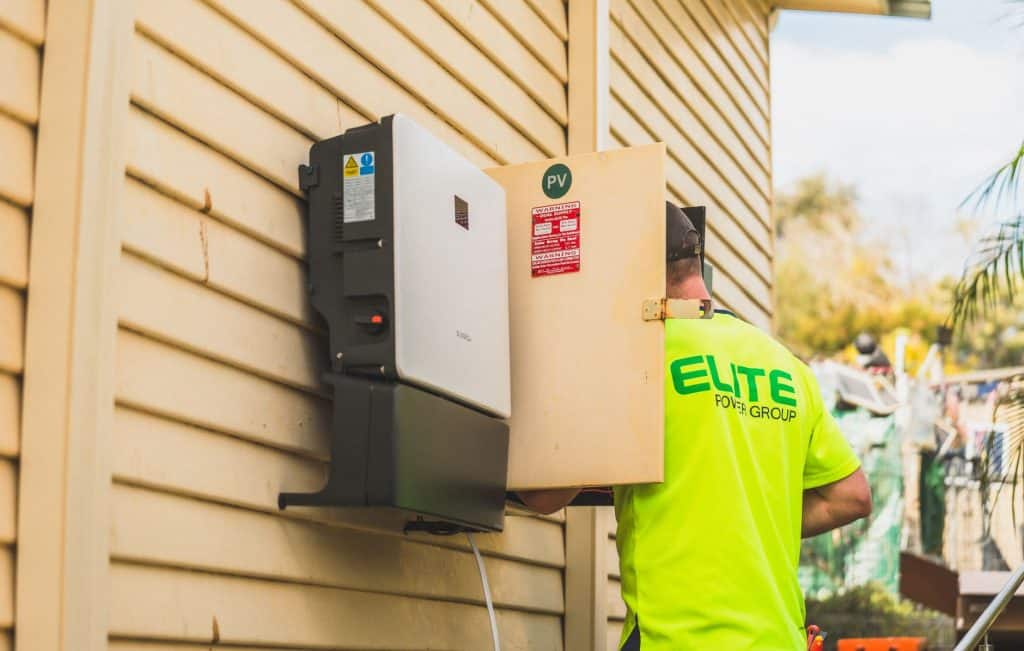
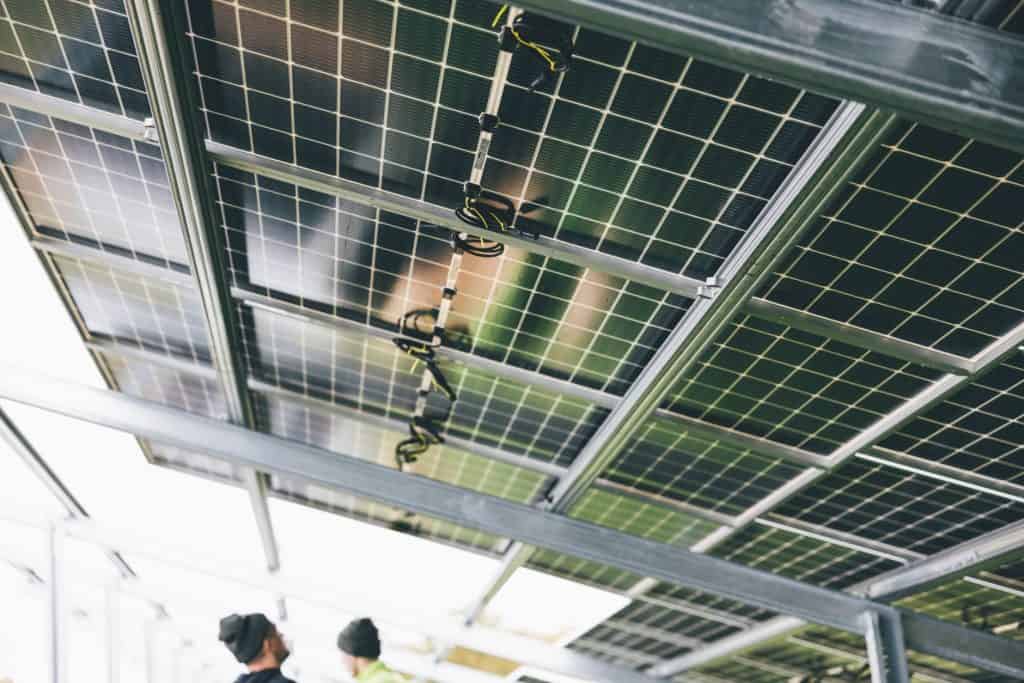
Solar panels generate direct current (DC) electricity by converting sunlight through fotovoltaico cells. This DC power must be converted into alternating current (AC) power to be compatible with electrical grids and common household appliances. The primary function of a solar inverter is to perform this DC power into AC power conversion, enabling the electricity produced by solar panels to be used safely and efficiently.
Photovoltaic inverter technology functions as the essential interface between the solar array and the grid. It electronically inverts the DC waveform into a sinusoidal AC output synchronized to the grid’s voltage and frequency, which in Europe typically means 230 V at 50 Hz, regulated under standards such as EN 50549-1 for grid connection. This synchronization prevents disturbances like voltage fluctuations and frequency deviations that could destabilize the grid or damage electrical devices.
Types of Solar Inverters and Their Operational Differences
There are several types of solar inverters designed for different solar system configurations. The main types of solar power inverters include string inverters, microinverters, and hybrid solar inverters.
- String Inverters: These connect multiple solar panels wired in series into one system input. String inverters are usually installed in central locations and convert combined DC power into AC power for systems generally ranging from a few kW up to several MW. They are cost-effective for medium to large solar power systems, but shading on one panel reduces the output of the entire string, as the string’s current is limited by the lowest-performing panel.
- Microinverters: Microinverters are installed on each individual solar panel, converting DC power at the module level into AC power. This approach improves performance in shading conditions and allows individual panel monitoring. Microinverters are favored in rooftop solar where shading and panel orientation vary, but their higher cost and more complex installation limit use in very large plants.
- Hybrid Solar Inverters: Hybrid inverters integrate solar power conversion with energy storage management. They not only convert DC power from solar panels into AC but also manage battery charging and discharging. These inverters support grid-connected solar-plus-storage systems, allowing better energy self-consumption, load shifting, and backup functionality.
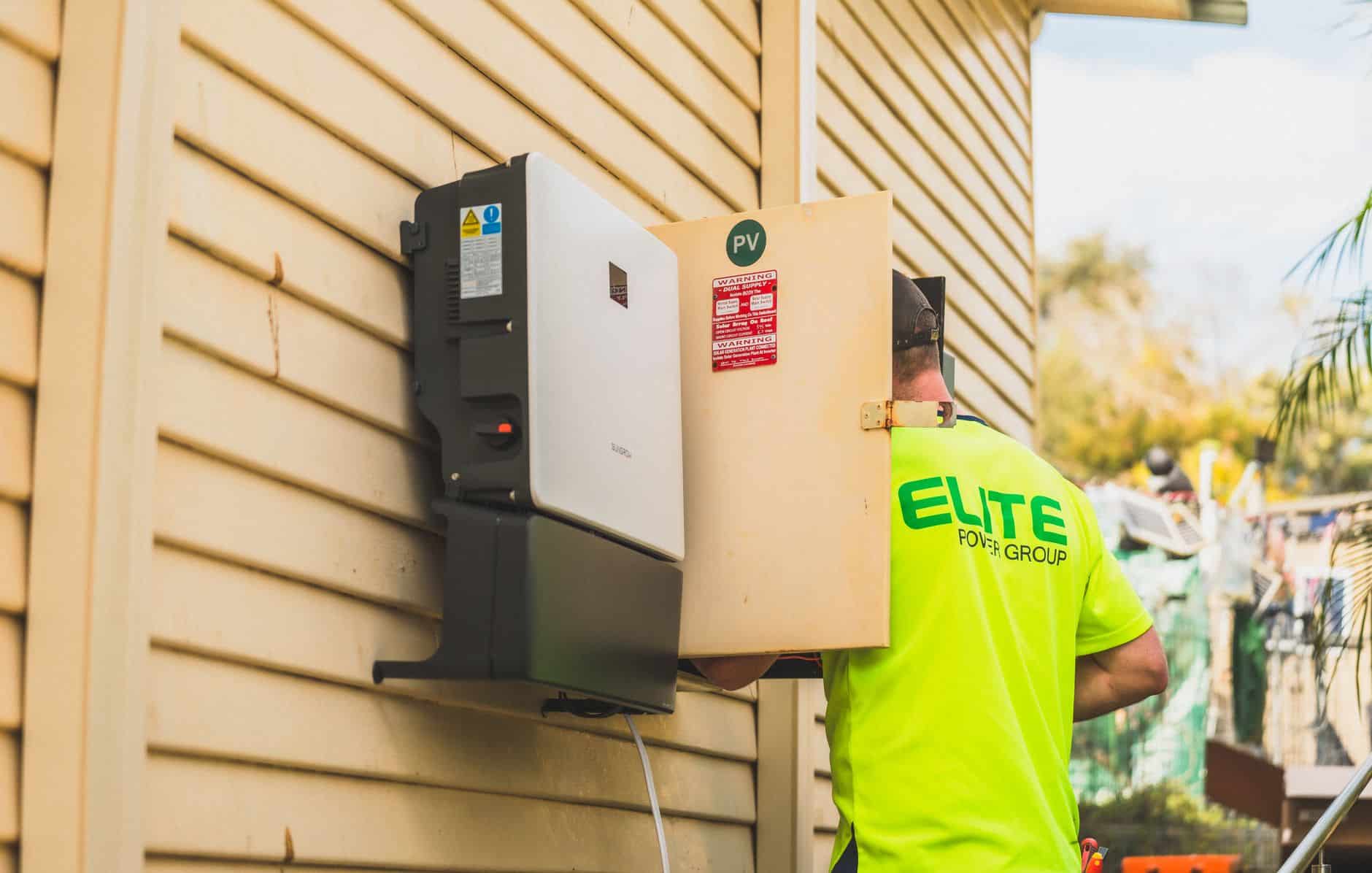
Selection of inverter types depends on the system size, shading environment, and storage integration. String inverters centralize conversion in outdoor-rated enclosures, microinverters decentralize it directly on panels, and hybrid inverters combine power inverter and battery management capabilities in one device.
Maximum Power Point Tracking (MPPT): Ensuring Optimal Solar Energy Harvest
Solar power inverters incorporate maximum power point tracking (MPPT) algorithms to maximize solar energy extraction. The maximum power point refers to the specific voltage and current combination at which a solar panel generates peak power under prevailing irradiance and temperature conditions.
MPPT operates by continuously monitoring solar panel voltage and current—typically measuring every 100 milliseconds or faster—and adjusting the inverter’s input impedance to maintain operation at the maximum power point. This dynamic adjustment compensates for rapidly changing sunlight levels due to cloud cover or temperature fluctuations, potentially improving solar system yield by 10–30% compared to fixed operating points.
The solar inverter work in MPPT mode involves a closed-loop control system that senses real-time DC power, applies perturb-and-observe or incremental conductance algorithms, and commands the power inverter stage to modulate the load, securing the optimal operating point.
Integration of Solar Inverters with the Electrical Grid and Rooftop Solar Systems
Solar inverters for grid-connected systems must comply with grid interconnection standards that regulate power quality, safety, and anti-islanding protection. For example, European grid codes such as VDE-AR-N 4105 and EN 50549-1 specify voltage/frequency thresholds, response to grid faults, and disconnection times (usually within 0.5 seconds of anomaly detection).
Anti-islanding functionality in solar inverters detects the loss of grid supply and immediately ceases exporting electricity to prevent safety hazards for utility workers. Compliance with these standards is mandatory in most jurisdictions for rooftop solar installations, ensuring that the electricity produced by solar panels matches utility grid phase, voltage, and frequency before feeding power back.
Grid synchronization involves precise timing control, using sensors to measure voltage phase angles and frequency, enabling the inverter to output AC power that aligns within ±0.5 Hz frequency variation and ±10% voltage tolerance of the grid parameters. This capability is critical for maintaining grid stability, especially as distributed rooftop solar systems become widespread.
Hybrid Solar Inverter Technology for Combined Solar and Storage Solutions
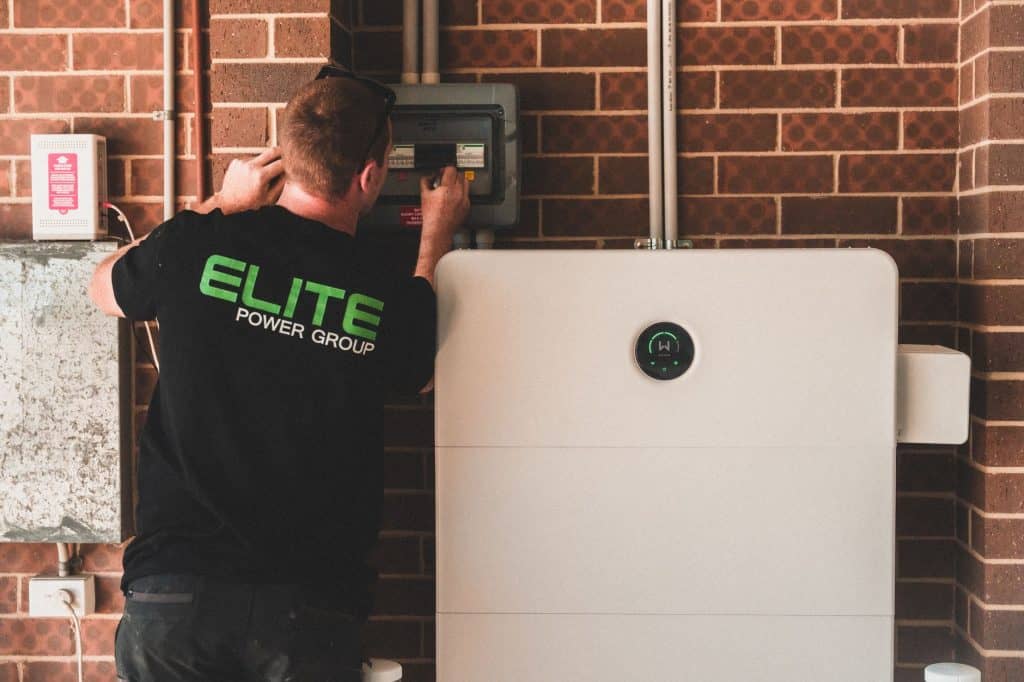
Hybrid solar inverters enable the integration of photovoltaic solar panels with battery energy storage systems (BESS) in one device. They balance the flow of electricity between solar generation, battery charging/discharging, local load consumption, and grid export, orchestrating energy flows through a real-time energy management system.
By storing excess solar electricity during daylight hours and releasing it during peak load periods or grid outages, hybrid inverters facilitate load shifting and peak shaving, improving self-consumption rates up to 70–90% depending on load profiles and battery capacity. This reduces dependence on grid electricity, particularly valuable in community solar projects like Solar Plus Garden that aim for long-term sustainability and stability.
Technically, hybrid inverters include multiple DC inputs and control circuits with bidirectional DC-AC/DC-DC converters. They comply with safety standards for battery integration such as IEC 62109 and support various battery chemistries (Li-ion, lead-acid) with programmable charge/discharge protocols.
Technical Components Inside Solar Inverters and Their Functions
Solar inverters consist of several critical technical components enabling efficient solar inverter work:
- Power Inverter Modules: Utilizing semiconductor switches such as Insulated Gate Bipolar Transistors (IGBTs) or Metal-Oxide-Silicon Field-Effect Transistors (MOSFETs), these modules perform the crucial DC to AC conversion, switching at frequencies from 10 kHz to 100 kHz depending on design to optimize efficiency.
- Transformers: Many inverters include galvanic isolation transformers to step voltage levels up or down and provide safety isolation from the grid. Transformerless inverters prioritize higher efficiency (~98%) but must meet stringent leakage current requirements under IEC 62109.
- Capacitors and Filters: High-quality capacitors and LC filters smooth out the AC waveform and reduce harmonic distortion below 3%, complying with IEEE 519 limits to ensure power quality.
- Control Units: Embedded microprocessors and digital signal processors execute MPPT algorithms, perform grid synchronization, monitor safety limits, and communicate system status via protocols like Modbus or SunSpec.
- Ottimizzatori di potenza: These module-level DC-DC converters are paired with string inverter systems to optimize individual solar panel output, managing mismatch losses caused by shading or degradation.
Thermal management is handled by heat sinks, cooling fans, or liquid cooling depending on inverter size and environmental conditions, maintaining semiconductor junction temperatures below 125°C to extend lifespan and maintain reliability.
Maintenance Needs and Lifecycle of Solar Inverter Technology
Solar power inverters typically have a service lifespan between 10 and 15 years, shorter than the solar panels themselves, often rated for 25 years. This lifespan varies with inverter technology, operating temperature, ventilation, and load profiles.
Inverter failures commonly arise from electrolyte capacitor aging, thermal cycling stress on switching elements, and moisture ingress. Preventive maintenance to maximize solar inverter system uptime includes:
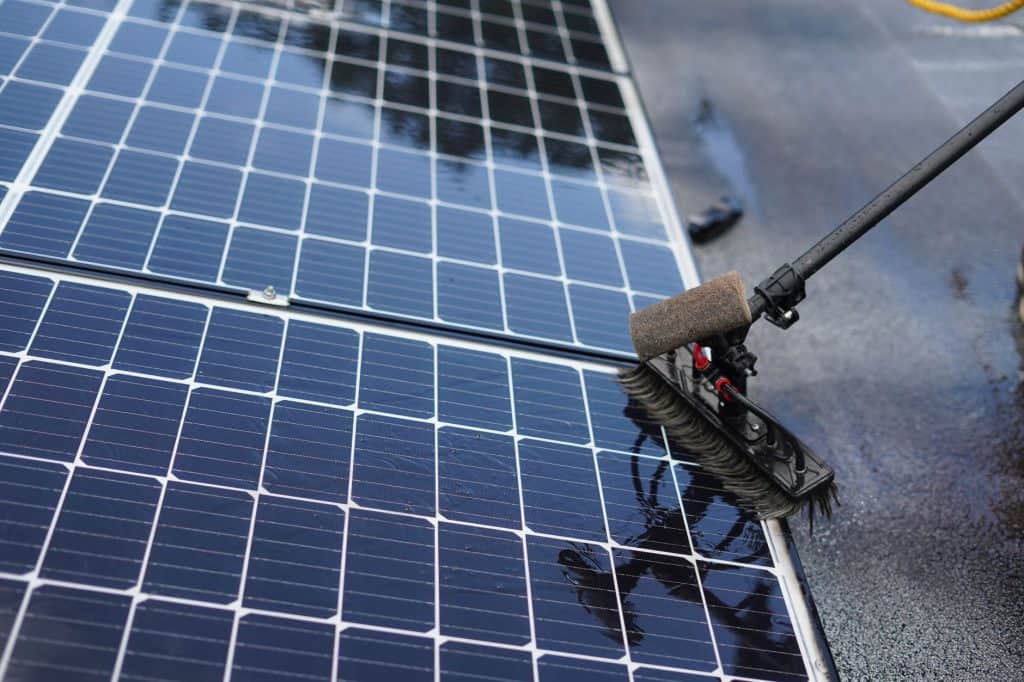
- Quarterly or semiannual inspection of cooling systems to detect fan failures or dust clogging, which can elevate operating temperature by up to 20°C and accelerate wear.
- Checking electrical connections and wiring for loosening or corrosion, which can cause voltage drops or arcing.
- Firmware updates to improve MPPT efficiency, grid code compliance, and cybersecurity protections, which manufacturers release on typical cycles of 6–12 months.
- Continuous online monitoring of inverter fault codes and performance metrics through supervisory control systems, enabling rapid identification of anomalies for preventive repairs.
Comprehensive warranty packages spanning five to ten years covering parts and labor are standard for commercial inverters, often extendable. Prompt service response minimizes downtime, critical for maintaining steady electricity production in community solar projects such as the 10 MW Solar Plus Garden installation.
How Solar Plus Garden’s Solar Project Relies on Advanced Solar Inverter Technology
The Solar Plus Garden investment project features a 10 MW solar system utilizing advanced solar inverter technology to convert DC power from photovoltaic panels into regulated, grid-compliant AC power. The choice of inverter technology supports scalable deployment with modular string inverter architecture combined with power optimizers to mitigate shading and maximize energy yield across diverse site conditions.
Adherence to European grid interconnection standards ensures operational safety and enables the stable export of electricity produced by solar panels to the local grid, which funds both the solar asset and community abbonamento al giardino activities. Inverter control systems provide detailed performance and fault data transparency to investors, supporting the project’s regulated and sustainable investment model.
By integrating hybrid solar inverter solutions, Solar Plus Garden plans to incorporate energy storage functionality, leveraging load management and increasing energy autonomy for community members. This technological foundation supports long-term operational reliability and aligns with the platform’s goals of transparency, scalability, and combined solar plus garden community benefits.
Domande frequenti
- What types of solar inverters are best suited for residential rooftop solar systems?
- String inverters are often the best inverter option for residential rooftop solar systems due to cost-effectiveness and straightforward installation. Microinverters or power optimizers may be preferred when shading or individual panel monitoring is important, as they maximize the electricity produced by solar panels under non-uniform conditions.
- How does maximum power point tracking improve solar panel efficiency?
- Maximum power point tracking (MPPT) constantly adjusts the electrical operating point of solar panels to the voltage and current combination that yields maximum power output, adapting to changes in irradiance and temperature and improving overall system electricity production by up to 30% over fixed voltage operation.
- Can solar inverters store energy or only convert it?
- Standard solar inverters convert DC power from solar panels into AC power for immediate use or export. Hybrid solar inverters additionally manage integrated energy storage, controlling battery charging and discharging processes alongside power conversion.
- What maintenance should I expect for a solar inverter in a community solar project?
- Maintenance for a solar inverter includes scheduled inspection of cooling components, verification of electrical connections, firmware updates, and monitoring of fault logs. The typical operational lifespan is 10–15 years, after which replacement is recommended to sustain optimal system performance.
Understanding solar inverter technology is critical for evaluating and optimizing photovoltaic systems such as the Solar Plus Garden 10 MW project. Investors and developers should match inverter types to system requirements, considering factors such as shading, storage integration, and grid compatibility. Advances in hybrid inverter technology enable combined solar-plus-storage designs aligned with community-supported energy strategies. Ongoing attention to inverter maintenance and compliance with evolving grid standards ensures efficient, reliable power conversion. Future regulatory changes and energy storage economics may influence inverter selection, making detailed technical knowledge essential for timely, compliant project decisions.
Letture correlate
- Come l'energia solare di bilanciamento stabilizza la rete elettrica grazie alla tecnologia delle batterie e degli inverter
- Processo di connessione alla rete per impianti solari: come collegare le centrali solari alla rete elettrica
- Integrazione di sistemi di accumulo di energia a batteria (BESS) per un'ottimizzazione della produzione di energia solare e della gestione della rete.