








Gestione completa degli impianti solari: strategie per ottimizzare gli investimenti nell'energia solare
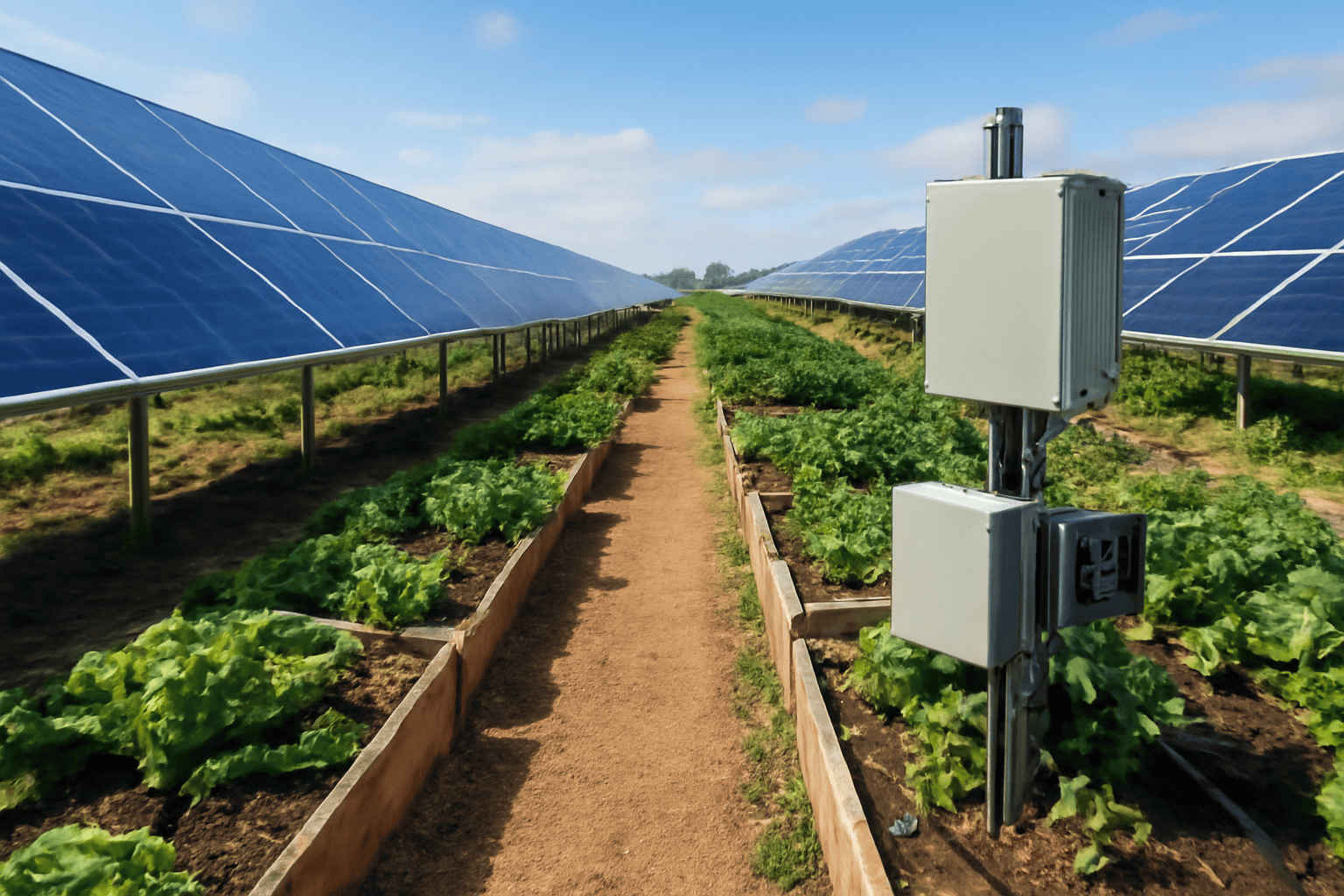
Solar Asset Management within Large-Scale Solar Projects
Solar asset management is fundamental to sustaining operational efficiency and financial viability in large-scale solar power plants. The Solar Plus Garden project exemplifies this with its 10 MW centrale solare coupled with a community-centric Abbonamento al giardino model. The 10 MW solar asset is engineered to produce renewable energy at utility scale, while simultaneously anchoring an investment platform targeted at small and medium-sized investors.
Participation through Garden membership requires a one-time fee of €200 and an optional monthly subscription of €20 for a vaso da giardino delivering fresh produce 18 times annually. These membership fees are reinvested into solar asset operations, maintenance, and community activities, aligning the solar asset’s energy production performance with direct benefits for community members.
Beyond energy generation, the solar asset management system coordinates electricity output optimization, preventative maintenance, and financial management to ensure consistent returns. The dual focus sustains capital flow for both plant upkeep and Garden community program funding, integrating renewable energy production with localized socio-environmental value.
Key Components and Technologies in Solar Asset Management
Solar asset management in Solar Plus Garden leverages advanced monitoring and control technology to optimize performance and minimize downtime. The cornerstone is a Supervisory Control and Data Acquisition (SCADA) system, interfaced with Internet of Things (IoT) sensors installed on photovoltaic (PV) panels and inverters.
- SCADA Systems: This system continuously collects and displays data on key parameters such as string voltage, inverter current, ambient temperature, and solar irradiance at intervals typically below 5 minutes. It enables remote fault diagnosis, performance benchmarking, and trend analysis to preempt system failures.
- IoT Sensors: Sensors mounted on approximately 1,500 PV modules (assuming typical 6.6 kW modules per MW) gather granular data, supporting predictive maintenance algorithms. Parameters include module temperature, soiling levels via irradiance sensors, and inverter load balancing metrics.
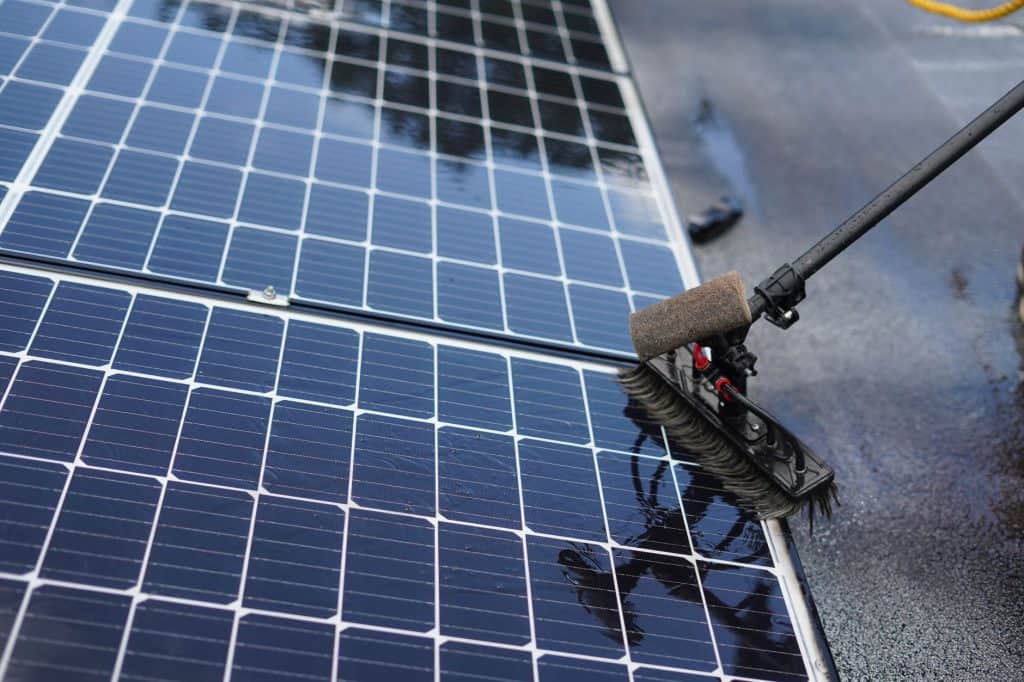
Maintenance is structured around preventive service every six months. Cleaning protocols follow best practice guidelines to reduce soiling losses, which can decrease solar panel output by 5–10% if unchecked. Simultaneously, inverter diagnostics evaluate electrolyte levels in liquid-cooled units or thermal performance in air-cooled models, identifying wear before power loss occurs.
The agrivoltaic component necessitates additional monitoring adjustments. Solar Plus Garden applies shading analysis models and microclimate sensors to assess the impact of panels on underlying crops. This ensures that agronomic activities such as planting and harvesting schedules do not conflict with solar asset maintenance, preserving energy yield and agricultural production simultaneously.
Operational and Financial Controls in Solar Asset Management
Solar asset management in projects combining investments with community models demands precise operational oversight and financial transparency. Solar Plus Garden employs a payment and escrow structure whereby investments and membership fees are held until verified project milestones or operational conditions are met.
Funds are disbursed only with documented evidence of completed construction phases, grid connection, or operational benchmarks verified by an independent technical auditor. This mechanism minimizes risk by enforcing investment discipline and shielding investors from unauthorized expenditures.
Legally, the project uses a dual-entity framework with an Estonian OÜ as the holding company owning project assets and a Serbian DOO responsible for daily operations and local regulatory compliance. This separation clarifies legal responsibilities, aligns with EU and Serbian legislative requirements, and supports transparent reporting for investors.
Further controls involve monthly budget reviews tied to maintenance schedules and quarterly reconciliations of capital expenditure and operating costs, ensuring that solar asset management in solar energy adheres to both governance standards and investor expectations.
Performance Optimization and Risk Management for Solar Assets
Performance optimization in solar asset management relies on proactive risk mitigation and continuous output assessment. Solar Plus Garden uses the performance ratio (PR) metric to monitor plant health, targeting a PR of at least 85%, reflecting actual energy generation as a percentage of theoretical maximum under irradiance conditions.
If PR falls below this threshold, the SCADA system triggers automatic alerts prompting detailed inspections. Potential corrective actions include:
- Cleaning PV modules to address excessive soiling or dust accumulation identified by irradiance sensor deviations.
- Thermal imaging inspections for module or inverter hotspots indicating electrical faults or wiring degradation.
- Inverter recalibration or exchange based on output anomaly detection and manufacturer recommended operational hours to prevent unplanned downtime.
Weather variability is managed by integrating local meteorological forecasts into risk-adjusted energy yield projections. These forecasts incorporate solar irradiation patterns, temperature fluctuations, and incidental shading from passing clouds. The resulting output variance models guide maintenance timing and investor reporting, reducing unexpected production shortfalls.
Community Integration as a Value-Add in Solar Asset Management
Solar Plus Garden’s asset management strategy uniquely incorporates community agrivoltaic initiatives funded by renewable energy proceeds. The Garden community operates through a legally distinct entity holding exclusive rights to the Garden concept, with capacity for up to 3,000 individual plots.
Solar revenues subsidize community programs and garden management costs, providing sustainable financial support. This alignment fosters an ecosystem where the solar asset’s economic performance directly sustains community agriculture and membership benefits, enhancing investor value beyond energy returns.
The separation between the Estonian OÜ managing the solar asset and the Garden’s operating company ensures accountability without commingling funds or operational risks. This model supports transparent governance while expanding the socio-environmental impact of solar asset management in solar energy investments.
Investor Journey and Reporting Protocols in Solar Asset Management
Investor onboarding involves completion of regulatory compliance steps, including Know Your Customer (KYC) and Know Your Business (KYB) verification, reflecting European and Serbian standards for investor due diligence. After registration, investors receive membership access to the Garden community and periodic updates on their solar asset investment.
Reporting protocols are structured as follows:
- Monthly Production Reports: Include energy generation data, system availability percentages, and SCADA-verified performance ratios.
- Quarterly Financial Summaries: Break down revenue distributions from electricity sales, detailed operational expenses, membership fee allocations, and reinvestment activities supporting asset maintenance and community programs.
These structured reports are generated within regulatory timelines and comply with investor transparency standards, enabling performance tracking and timely decision-making.
Legal and Structural Considerations for Solar Asset Management Platforms
Solar Plus Garden’s governance model consists of a project holding company registered as an Estonian OÜ (incorporated on 20.02.2026) and a local operating company in Serbia established as a DOO. This dual structure supports cross-border investment management and local operational control, adhering to relevant energy production laws and financial compliance rules.
Investor funds are held under a regulated conto di deposito a garanzia, with disbursement contingent on verified progress aligned with pre-agreed milestones. This legal framework limits exposure to misuse of funds and ensures contractual adherence with stakeholders.
Operational oversight includes mandated annual audits by licensed accounting firms and compliance checks with EU renewable energy directives and Serbian national energy regulations, ensuring ongoing transparency and accountability in asset management.
Technological Innovation Impacting Solar Asset Management in Agrivoltaic Systems
Agrivoltaic integration imposes specific technological challenges on solar asset management. Solar Plus Garden employs shading management tools that use GIS mapping and real-time irradiance mapping to optimize panel placement for maximum dual-use land efficiency.
Adjustments to monitoring systems incorporate microclimate sensors measuring humidity, soil temperature, and photosynthetically active radiation (PAR) beneath panels, which inform both agronomic management and solar output calibration.
Innovations also include modular panel mounting systems allowing variable panel tilt and height adjustments to adapt to crop requirements while maintaining electrical integrity. Early community-scale deployment focuses on iterative refinement, capturing operational data to guide scale-up in line with agrivoltaic best practices.
Domande frequenti
- What types of maintenance schedules are typical for 10 MW solar power plants?
- Maintenance typically involves biannual preventive checks including PV module cleaning to reduce 5–10% soiling losses, inverter diagnostics applying thermal and electrical testing, and SCADA system health reviews to sustain optimal energy output.
- How does Solar Plus Garden ensure transparency and control over investor funds?
- By utilizing a regulated escrow payment model combined with a dual-company legal structure, Solar Plus Garden restricts fund disbursement pending milestone verification and investor approval, reinforcing financial controls.
- What reporting can investors expect regarding their solar asset performance?
- Investors receive monthly reports with detailed SCADA data on energy output and plant health, plus quarterly financial summaries outlining revenue flows, operational costs, and reinvestment aligned with project milestones.
- How does the Garden membership model relate to the solar asset management strategy?
- The Garden membership fee and optional produce subscription are funded through solar asset revenues, embedding community engagement within the asset’s financial structure and supporting sustainable operational funding.
Conclusione
Solar asset management encompasses technological monitoring, robust financial and legal governance, preventive maintenance, and innovative community integration as demonstrated by Solar Plus Garden. Investors and developers should prioritize platforms delivering clear operational controls, transparent reporting, and integrated community value. Given evolving regulatory environments and technological advances, adaptive management processes remain essential for sustained solar energy project success.