









Comprendere come i pannelli solari funzionano per alimentare la tua casa in modo efficiente
Basic Principles of Solar Panel Operation
Solar panels work on the principle of the photovoltaic (PV) effect, which converts solar energy directly into electricity. This process is the foundation of most solar energy technologies used to power residential and commercial buildings.
The core component in solar panels is the photovoltaic cell, usually made from crystalline silicon—either monocrystalline or polycrystalline. Silicon is selected for its semiconducting properties and abundance. Each photovoltaic cell typically consists of a layered structure where the p-type silicon, doped with boron to create positive charge carriers (holes), forms a junction with n-type silicon, doped with phosphorus to provide free electrons.
When sunlight, composed of photons with energies above silicon’s bandgap (~1.1 eV), strikes the cell, these photons excite electrons, allowing them to break free from atomic bonds. The built-in electric field at the p-n junction directs these free electrons to flow as electric current, generating direct current (DC) electricity.
Standard residential solar panels comprise 60 to 72 individual PV cells connected in series to produce typical voltages between 30 and 40 volts under standard test conditions (STC: 1000 W/m² irradiance, 25°C cell temperature). Hundreds or thousands of such cells in series and parallel configurations within an array collectively generate electricity at usable voltage and current levels.
The DC electricity generated flows to the panel’s output terminals, enabling storage in batteries or conversion to alternating current (AC) for household use. This electricity generated by solar panels is a renewable energy source that can power lighting, appliances, heating systems, and other electrical loads in a home.
Types of Solar Technologies: Photovoltaic vs Solar Thermal Panels
Two primary types of solar technologies are used for energy generation: photovoltaic (PV) panels and solar thermal panels.
Photovoltaic panels convert sunlight directly into electricity via the PV effect in semiconductor materials like silicon. Typical residential silicon-based PV panel efficiency ranges between 15% and 22%, reflecting the portion of incident solar radiation converted into electrical power under standard test conditions.
Solar thermal panels, in contrast, convert solar irradiance into heat energy rather than electricity. These systems use flat-plate collectors or evacuated tube collectors that contain a heat-absorbing fluid—often water or an antifreeze solution—that circulates through the panels. This fluid absorbs solar thermal energy and transfers it to storage tanks or heating systems.
Solar thermal panels achieve conversion efficiencies typically between 40% and 70%, quantified as the fraction of collected solar radiation converted to usable heat. They are predominantly used for domestic hot water systems, space heating, or pool heating, effectively offsetting the need for conventional gas or electric heating.
Hybrid systems combining solar PV and solar thermal technologies optimize household energy use by separately addressing electricity demand and heating needs. The choice depends on climatic conditions, household consumption patterns, and investment priorities.
Key Components of a Solar Panel System and Their Functions
A functional solar power system designed to provide electricity for a house consists of several components working in concert:
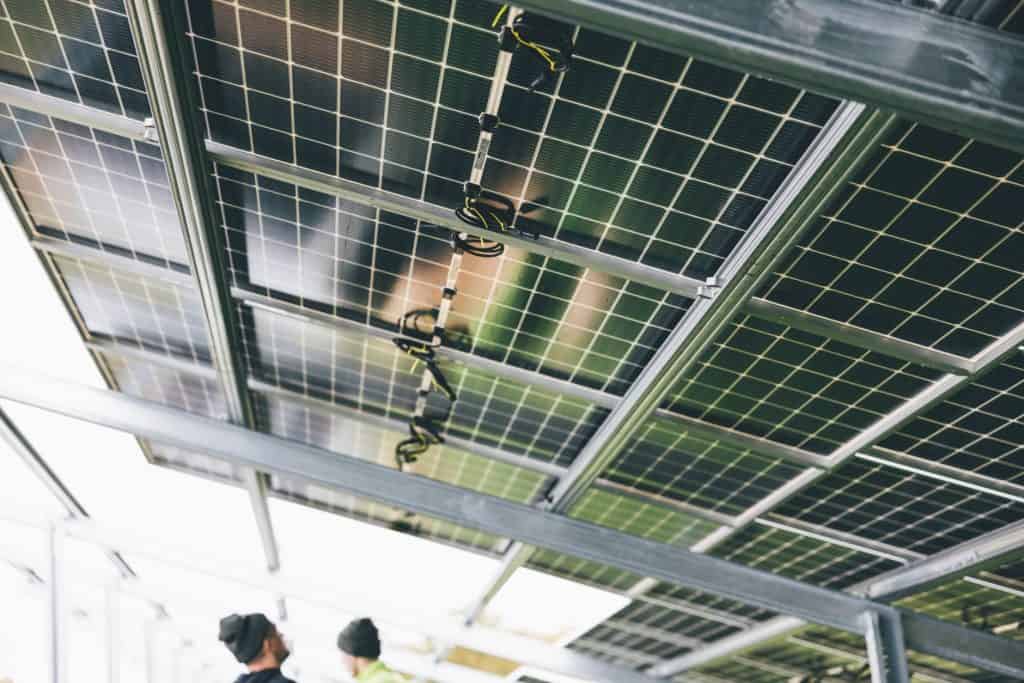
- Solar panel modules: Assemblies of PV cells encapsulated between protective glass and a backsheet, framed for structural integrity, designed to convert solar energy into DC electricity. Panels are tested per IEC 61215 to ensure durability and performance.
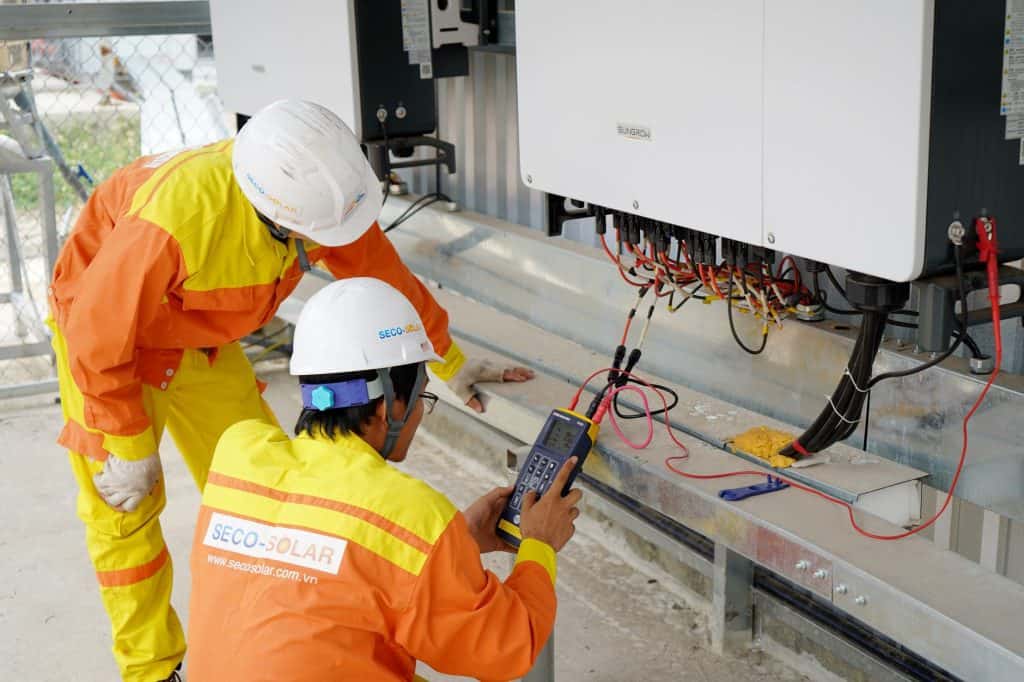
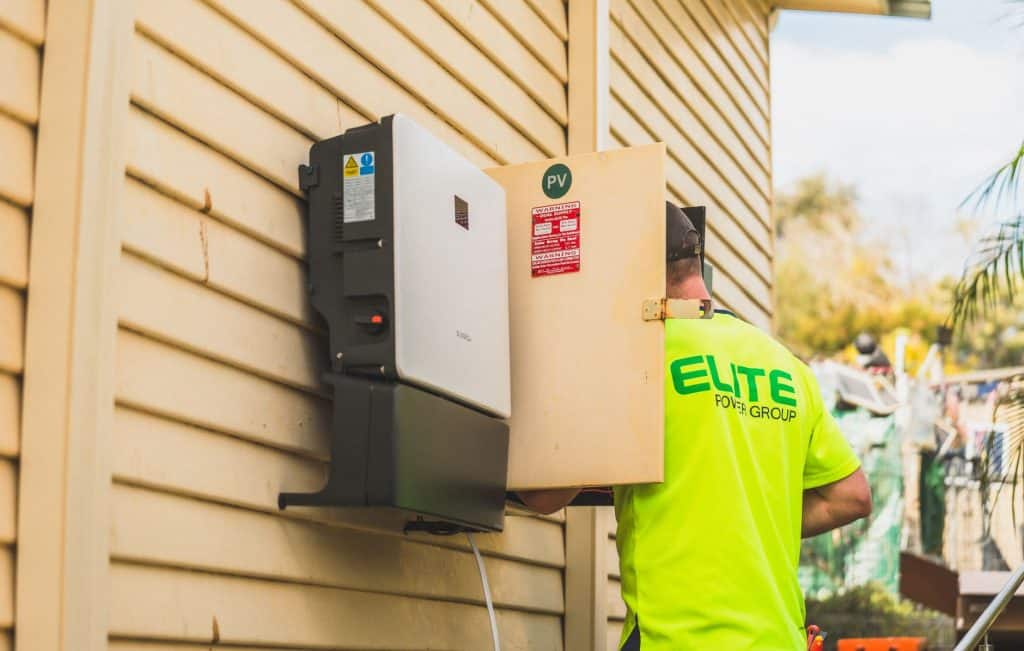
- Inverters: Devices that convert DC electricity produced by solar panels to AC electricity compatible with household wiring and the grid. Common residential models include string inverters, microinverters, and power optimizers. String inverters aggregate input from multiple panels and must comply with standards such as IEC 61727 and IEEE 1547 for safe grid interconnection.
- Mounting systems: Engineered racks and brackets that secure panels to rooftops or ground installations at optimal tilt angles. Proper mounting ensures mechanical stability, resistance to wind loads, and maximizes solar exposure according to site latitude—typically angle of tilt equals latitude ± 10 degrees.
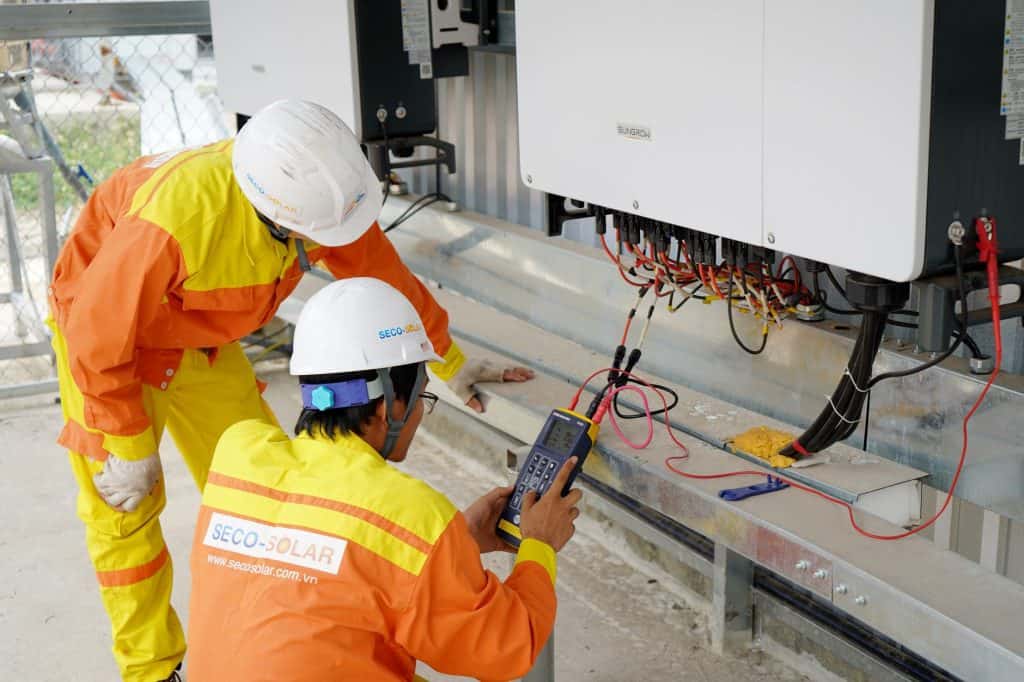
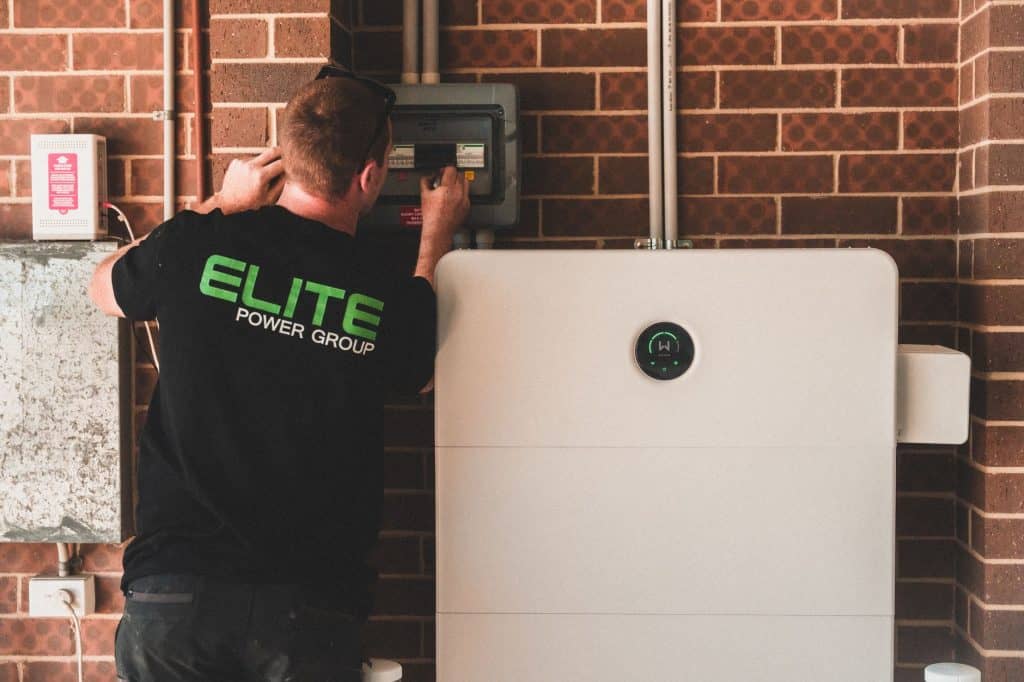
- Electrical wiring and safety devices: Standard wiring per NEC (National Electrical Code) or relevant local regulations connects panels to inverters and home load centers. Safety equipment includes circuit breakers, ground fault detectors, surge protectors, and proper grounding to prevent electrical hazards and ensure code compliance.
Solar panel modules generally have operational warranties guaranteeing 80% performance over 25 years. Inverters tend to have shorter lifespans—most manufacturers specify 10 to 15 years—requiring replacement for system longevity. Scheduled inspections focus on maintaining connections, verifying insulation resistance, and cleaning panels to sustain solar panel efficiency and reliable electricity supply.
How Solar Farms Scale the Solar Panel Concept
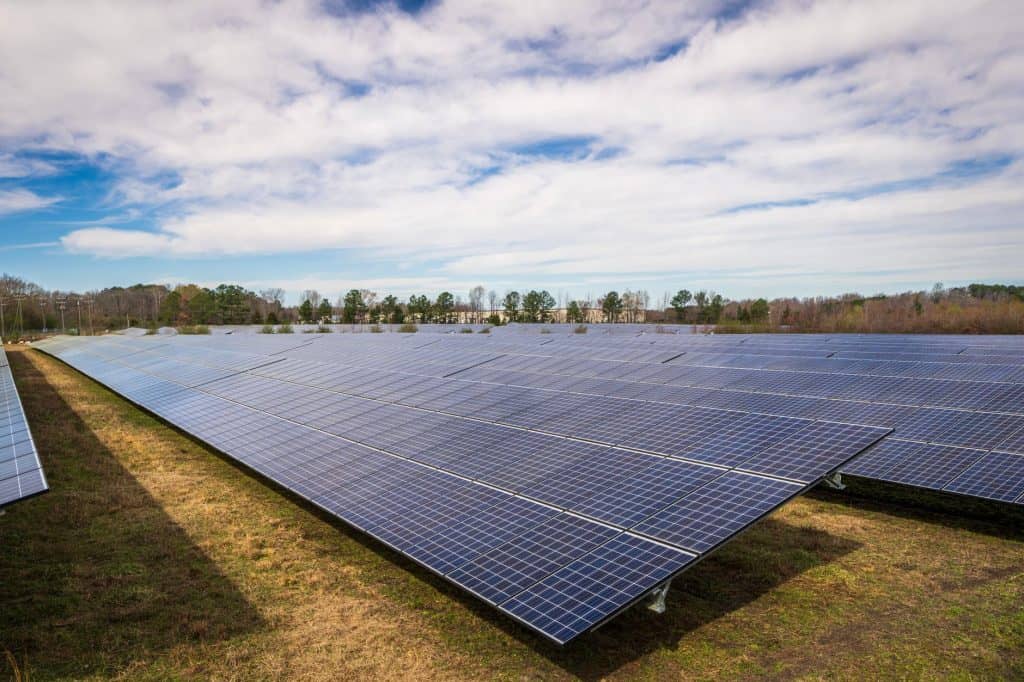
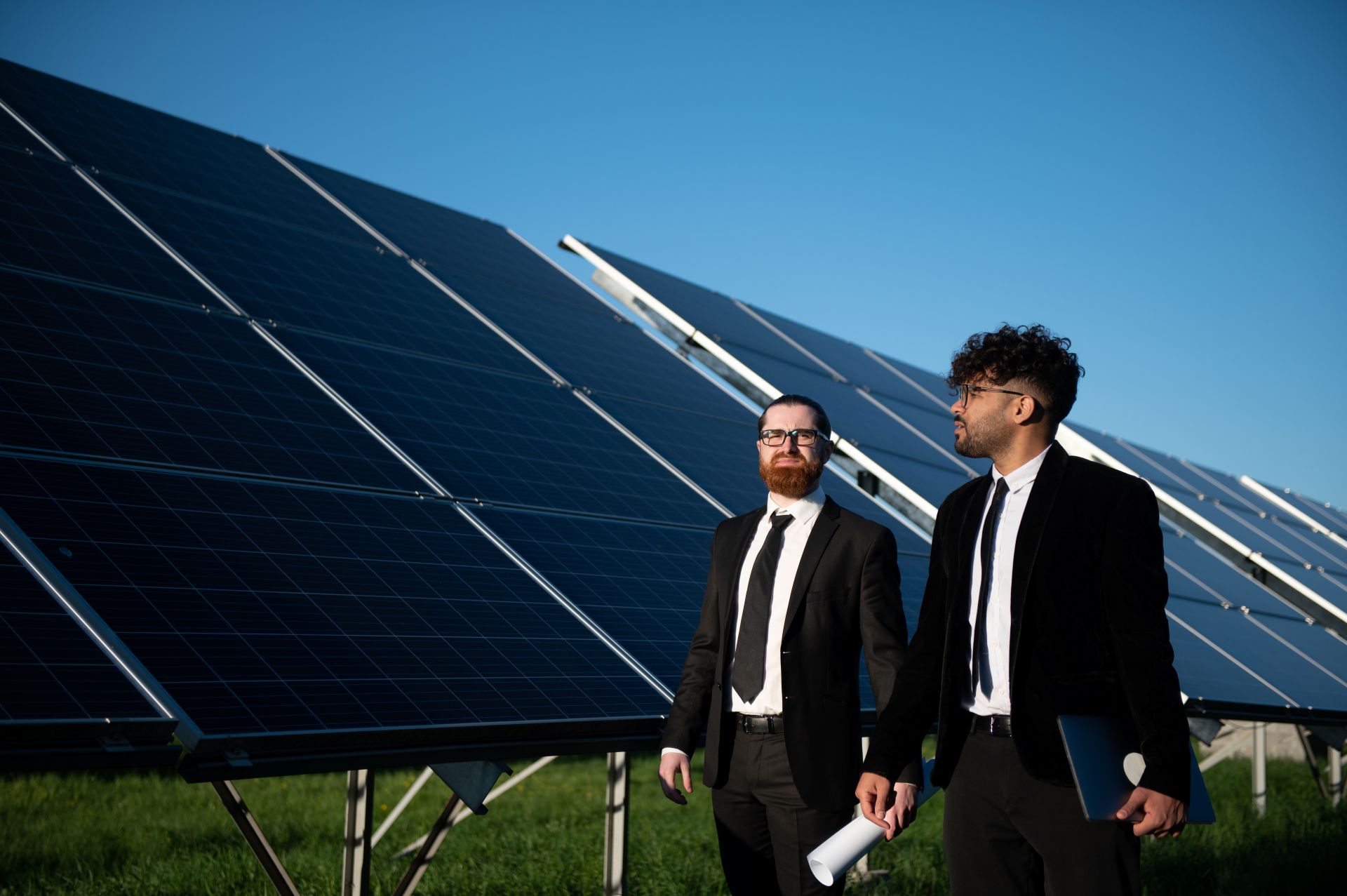
Utility-scale solar farms apply the same photovoltaic principles at large scale, aggregating thousands of solar panels to generate multiple megawatts (MW) of renewable energy. For example, a 10 MW centrale solare typically occupies approximately 25 to 40 hectares, depending on panel efficiency and site layout.
Such solar farms collect electricity from arrays of solar pv modules connected to centralized or decentralized inverter and transformer stations, feeding generated AC power into high-voltage distribution or transmission grids. Grid integration requires adherence to regional grid codes—such as the European Network of Transmission System Operators for Electricity (ENTSO-E) or the North American Electric Reliability Corporation (NERC) standards—to ensure voltage stability, frequency control, and fault ride-through capabilities.
Large-scale solar farms benefit from economies of scale, reducing the levelized cost of solar power. They also enable diversified investor participation through community or crowdfunding models, under regulated frameworks ensuring transparency in fund management, escrow use, and long-term operational governance.
Solar Plus Garden exemplifies such a model by integrating a 10 MW solar farm investment with a community abbonamento al giardino concept, providing not only electricity generation but also agricultural and social value for a wider investor and community base.
Factors Impacting Solar Panel Efficiency and Electricity Generation
Solar panel efficiency—defined as the ratio of electrical output to incident solar radiation—is influenced by various parameters impacting electricity generation:
- Orientation and tilt angle: Panels aligned to face true south (in the Northern Hemisphere) at an angle approximating local latitude maximize annual solar irradiance capture. Seasonal angle adjustment can improve winter production by up to 10%, though fixed arrays often optimize for annual energy yield.
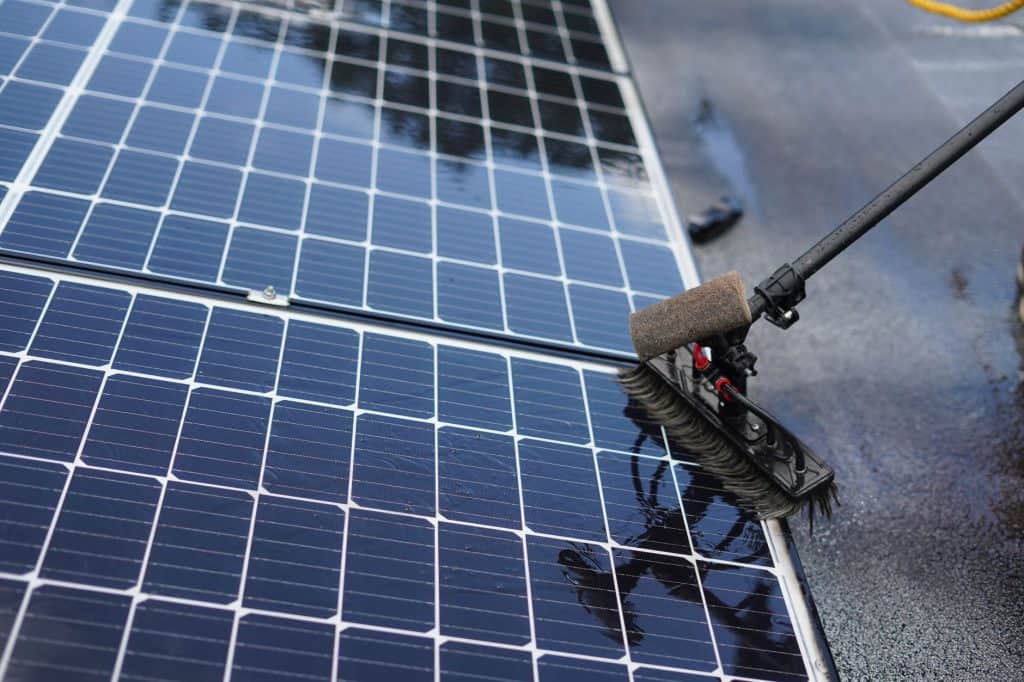
- Shading: Partial shading from obstacles such as trees, chimneys, or dirt can disproportionately reduce output. Even small shaded areas affect full string performance due to series wiring, unless mitigated by module-level power electronics (microinverters or optimizers).
- Temperature effects: Silicon photovoltaic cells exhibit a negative temperature coefficient, with efficiency declining about 0.3% to 0.5% per °C above 25°C. High operating temperatures common in summer can lead to measurable drops in power output.
- Panel degradation: Silicon-based panels degrade primarily due to light-induced degradation (LID) and environmental stress, losing approximately 0.5% efficiency annually. Quality panels maintain above 80% of initial performance after 25 years.
Other factors influencing electricity generation include inverter efficiency (typically 95% to 98%), dust and soiling accumulation, and local climatic conditions such as cloud cover and air pollution. Designing systems with realistic production estimates requires modelling using tools like PVsyst or SAM to incorporate these variables and predict annual kilowatt-hour output accurately.
Process of Integrating Solar Panels to Power Your Home
The installation and integration of solar panels to generate electricity for your home follow a structured multi-step process:
- Site analysis and assessment: Evaluation of rooftop orientation, shading analysis using tools such as Solar Pathfinder or Solmetric SunEye, roof structural integrity inspection, and available area measurement to determine suitable system size and configuration.
- System design and sizing: Selection of number and type of solar panels and inverter capacity based on average household electricity consumption, peak demand, and future load projections. Design must also account for local regulations and net metering policies.
- Permitting, approvals, and interconnection: Submission of system design and application for building permits and electrical permits to local authorities, followed by obtaining interconnection agreements with the utility company, which defines technical requirements and feed-in arrangements.
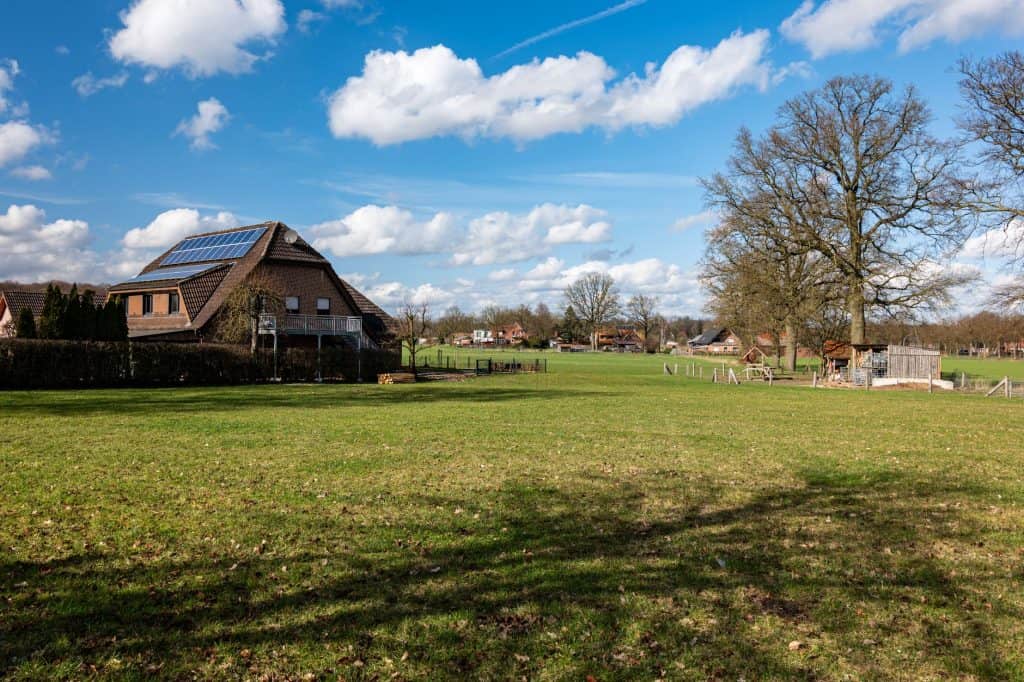
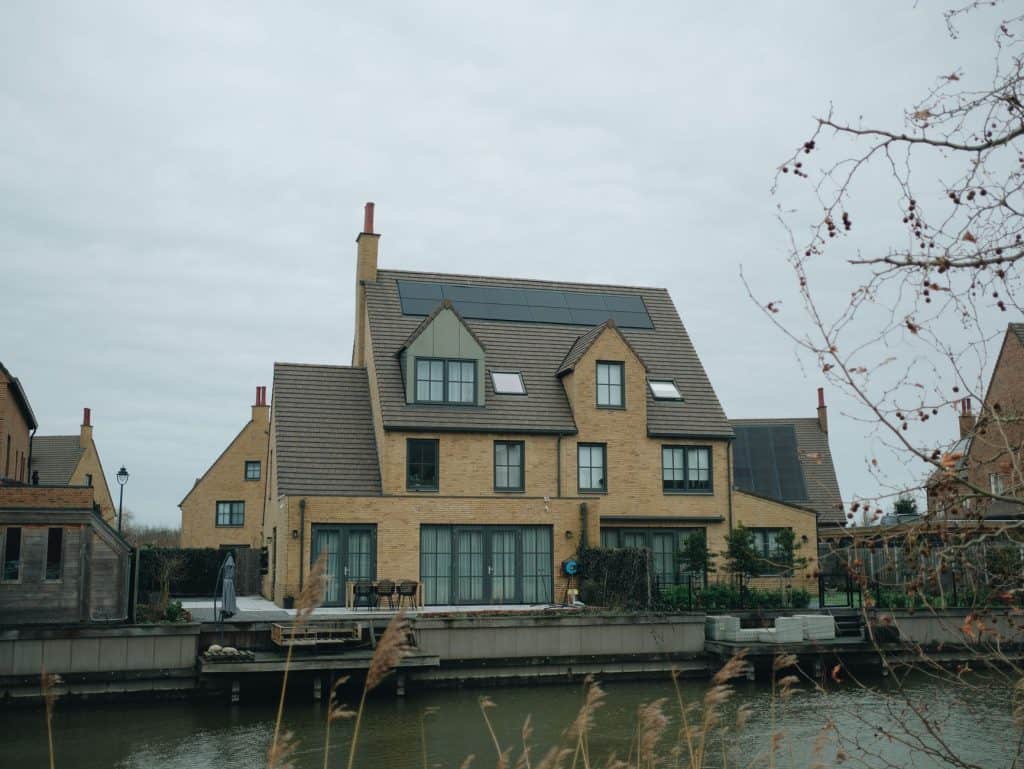
- Installazione: Professional mounting of solar panels on roof or ground mounts, electrical wiring from PV arrays to inverter units, connection to home electrical panel, including installation of production meters if required by utility or net metering framework.
- Inspection and commissioning: Regulatory inspections ensure compliance with electrical and building codes. Commissioning includes inverter set-up, performance testing under sunlight, and grid synchronization according to standards such as UL 1741 or IEC 62109.
The entire process takes approximately one to three weeks for most residential installations, subject to permitting timelines and site-specific challenges. Proper installation ensures efficient solar power work on a house and safe delivery of electricity for your home.
How Solar Plus Garden Bridges Solar Investment and Community Engagement
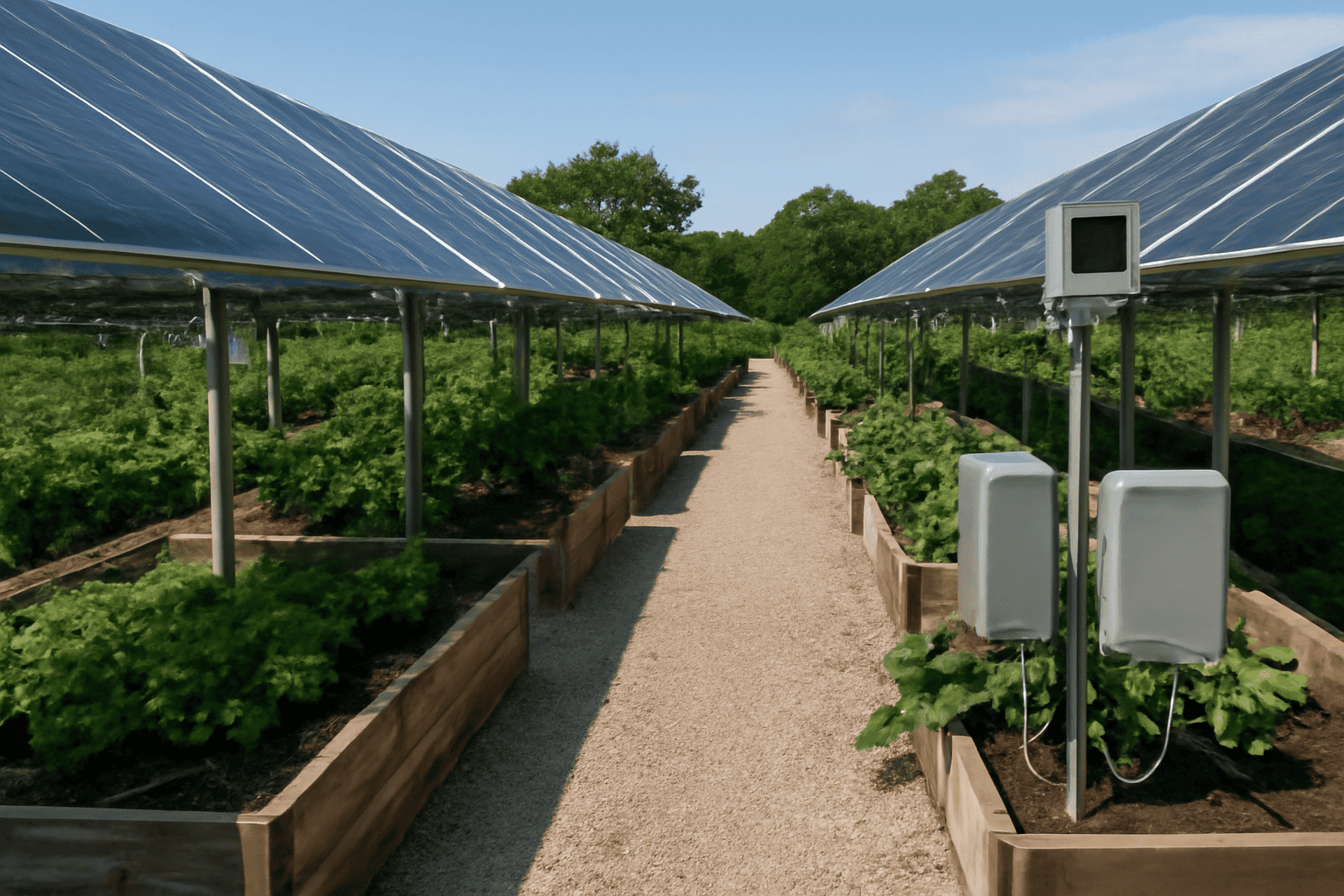
Solar Plus Garden combines investment in a 10 MW solar plant with a community-based garden membership model, providing a hybrid approach that leverages solar energy technologies and community engagement.
Rather than requiring direct investment in solar panels, individuals join the garden community by paying a membership fee—€200 one-time plus an optional monthly vaso da giardino subscription. This fee funds ongoing photovoltaic solar projects and supports the operational costs of community activities tied to the garden concept.
The project’s legal structure involves an Estonian OÜ owning and managing the solar pv plant, while a separate Serbian DOO administers the agrivoltaic garden operations. This clear separation ensures compliance with financial escrow arrangements, transparent fund management, and protects investor interests by avoiding unregulated usage of capital.
Garden membership allows up to 3,000 garden plots (boxes) supported by revenues from solar energy generation, integrating renewable energy with local food production. This model promotes regulated, transparent, and sustainable solar power investment, combining financial return potential with social and environmental benefits.
Domande frequenti
What are the main differences between photovoltaic and solar thermal panels?
Photovoltaic panels convert sunlight directly into electricity using the photovoltaic effect in semiconductor cells, mainly silicon, achieving efficiencies of 15% to 22%. Solar thermal panels convert solar radiation into heat using collectors with circulating fluids, reaching conversion efficiencies from 40% to 70%. Thus, PV panels provide electricity for household appliances, while solar thermal panels deliver heat for water and space heating.
How much electricity can a typical residential solar panel generate?
A residential solar panel rated 300 to 400 watts under standard test conditions typically generates 1 to 1.5 kilowatt-hours (kWh) per day, depending on location, panel orientation, shading, and seasonal sunlight availability. Annual electricity generation varies widely by region but can be estimated using site-specific solar irradiance data.
What steps are involved in installing solar panels on a house?
Installation involves roof and site assessment, system design and sizing according to household energy needs, obtaining building and electrical permits, physical mounting and wiring of panels and inverters, followed by inspections and grid connection approvals. The process conforms to local standards such as IEC 61727 and takes about one to three weeks to complete.
How does investing in Solar Plus Garden differ from traditional solar ownership?
Solar Plus Garden offers a regulated community investment mechanism where members pay a fee to access benefits funded by a 10 MW solar plant, without direct solar panel ownership. The model includes strict legal and financial oversight, supporting transparency and sustainable solar power work community-wide, coupled with community agriculture involvement through garden membership.
Conclusione
Understanding how solar panels work provides foundational knowledge for property owners, developers, and investors considering solar power integration. Rigorous system design, compliance with safety and grid standards, and site-specific considerations ensure efficient electricity generation tailored to household or community needs. Community investment models like Solar Plus Garden represent innovative approaches that combine renewable energy development with transparent, participatory frameworks, expanding access for small and medium investors while delivering measurable environmental and social impacts. As solar technologies and regulatory environments evolve, ongoing assessment and adaptation will remain essential to maximizing the benefits of solar energy systems.
Letture correlate
- Capire i contatori solari netti: come misurano e gestiscono l'energia solare della tua casa
- Comprendere l'energia solare a concentrazione: tecnologia, applicazioni e considerazioni sugli investimenti
- Società di investimento nell'energia solare: alla scoperta delle opportunità nel settore dell'energia pulita.