


Community Solar Mistakes to Avoid
Misjudging Energy Needs for Community Solar Shares
Underestimating energy needs is a frequent error in community solar investments, affecting residential solar and small commercial segments. Many stakeholders rely on average monthly consumption without accounting for seasonal fluctuations driven by heating, cooling, and daylight duration changes. Consequently, solar system sizing becomes inadequate, leading to suboptimal solar system output and lower returns for participants.
A thorough assessment requires a minimum of 12 months of historical consumption data, including time-stamped smart meter readings or electricity bills. Residential solar users may experience seasonal energy demand variations between 10% and 30%, depending on geographic location and household habits. Additionally, expected future growth in consumption—due to appliance upgrades, electric vehicles, or electrification of heating—should be factored in to prevent undersizing.
When solar panels are undersized relative to actual consumption, members continue purchasing grid electricity, reducing the financial benefit of solar credits or feed-in tariff gains. Conversely, oversizing increases capital expenditure and lengthens payback periods without proportionate benefit. Accurate energy need estimation allows designing a solar system capacity that aligns production with consumption patterns, optimizing returns for all community members.
- Aggregate at least 12 months of interval energy consumption data per participant prior to share allocation.
- Incorporate seasonal variation analysis and projected consumption growth into load profiles.
- Adjust solar system capacity—panel count and inverter sizing—to closely match aggregated energy demand.
Addressing this mistake ensures the community solar system’s output effectively offsets participant loads, maximizing financial and environmental returns.
Choosing the Wrong Solar Panel Types and Technologies
Choosing inappropriate solar panels compromises long-term system reliability and yield. The key decision involves selecting between monocrystalline and polycrystalline module technologies. Monocrystalline panels offer higher nominal efficiencies, typically between 18% and 22%, while polycrystalline panels range from 15% to 17%. This efficiency difference influences energy yield per installed kW, affecting land usage and system cost.
Panel uniformity is critical in community solar arrays where multiple investors share production. Variations in power ratings or degradation rates—typically 0.3% to 0.8% efficiency loss annually—can lead to energy output imbalances and complex allocation challenges. Mismatched panels may also complicate system monitoring and maintenance.
Compliance with international standards such as IEC 61215 (performance) and IEC 61730 (safety) is necessary to ensure product quality and regulatory approval, especially within European Union jurisdiction. Panels failing to meet these certifications risk premature failure, warranty disputes, and non-compliance penalties.
- Select solar panels with matching efficiency grades within a 1% tolerance to maintain balanced array output.
- Factor in annual degradation rates—preferably below 0.5%—to project net energy yields over 25 years.
- Verify IEC 61215 and IEC 61730 certifications to ensure compliance with EU solar import and installation regulations.
Choosing the wrong panel technology increases operational costs and reduces investor confidence due to performance uncertainties.
Ignoring Local Grid Connection and Interconnection Requirements
Failing to consider local grid connection protocols often results in costly project delays. Community solar developers must navigate requirements imposed by Distribution System Operators (DSOs) and regional grid codes. In Europe, the European Network of Transmission System Operators for Electricity (ENTSO-E) provides overarching grid operation standards that projects must align with.
Typical interconnection application packages require detailed solar plan documentation: electrical schematics, protection relays compliant with ENTSO-E fault-ride-through obligations, voltage and frequency control settings, and meter type specifications. Omitting these documents or submitting incomplete applications delays approvals, with average postponements exceeding 90 days.
Early engagement with utility representatives facilitates addressing technical concerns before formal submission. Signed interconnection agreements serve as legal confirmation of grid acceptance, specifying conditions and technical constraints.
- Develop comprehensive application dossiers inclusive of system design, protective device details, and compliance statements referencing ENTSO-E and local grid codes.
- Consult grid operators during preliminary design—ideally 3-6 months before intended commissioning.
- Secure formal interconnection agreements with utility approval before procurement or installation phases.
Ignoring these requirements risks delayed energization, financial penalties, and grid code violations.
Neglecting Professional Installation and Wiring Standards
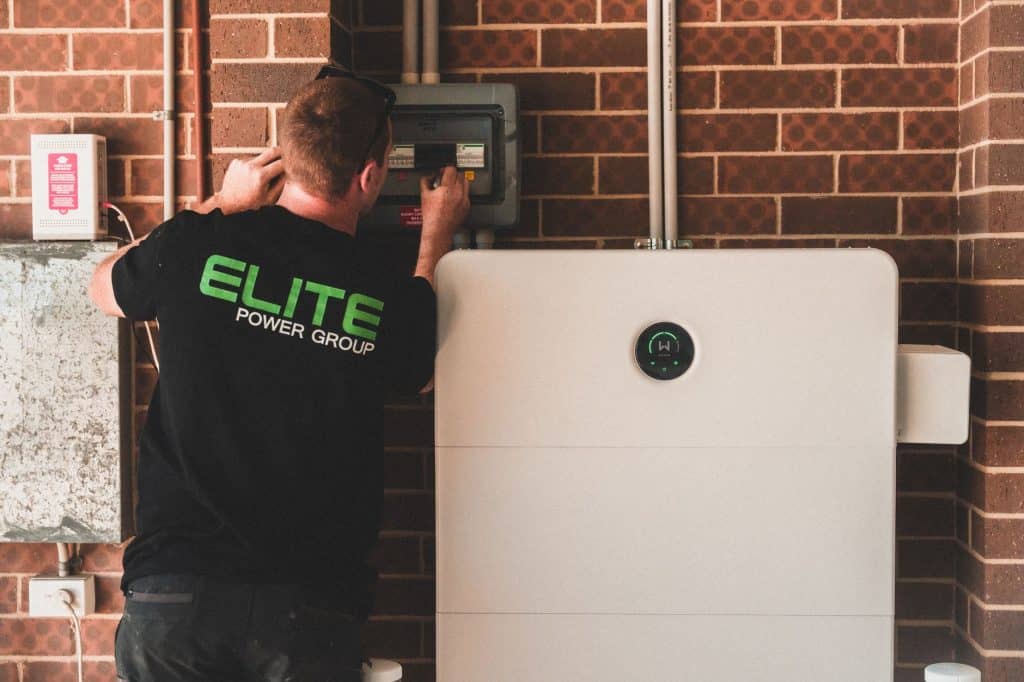
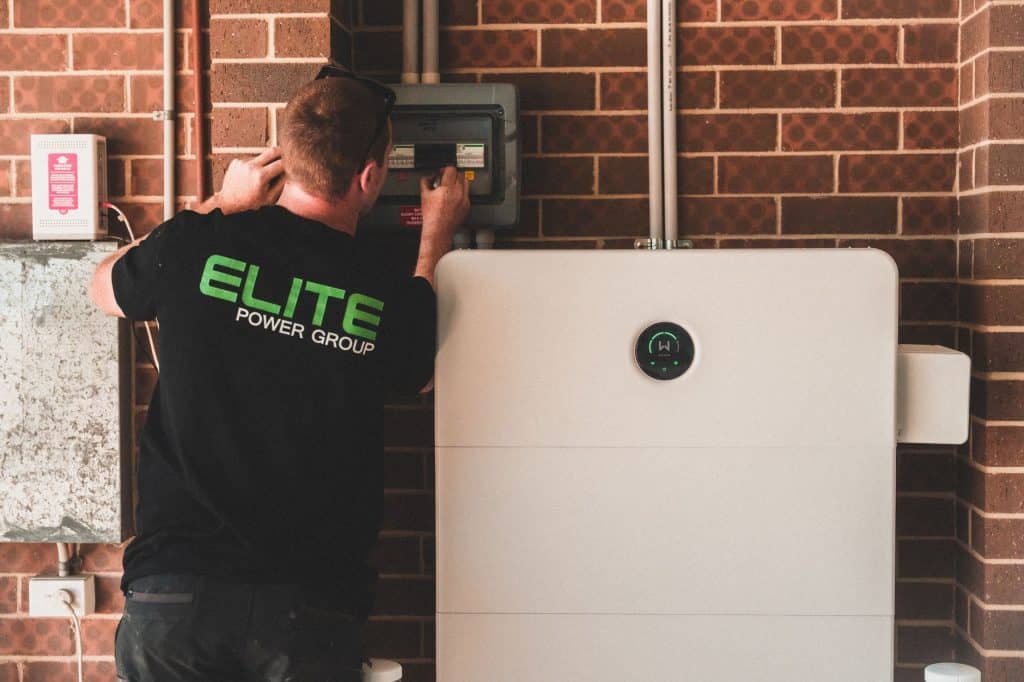
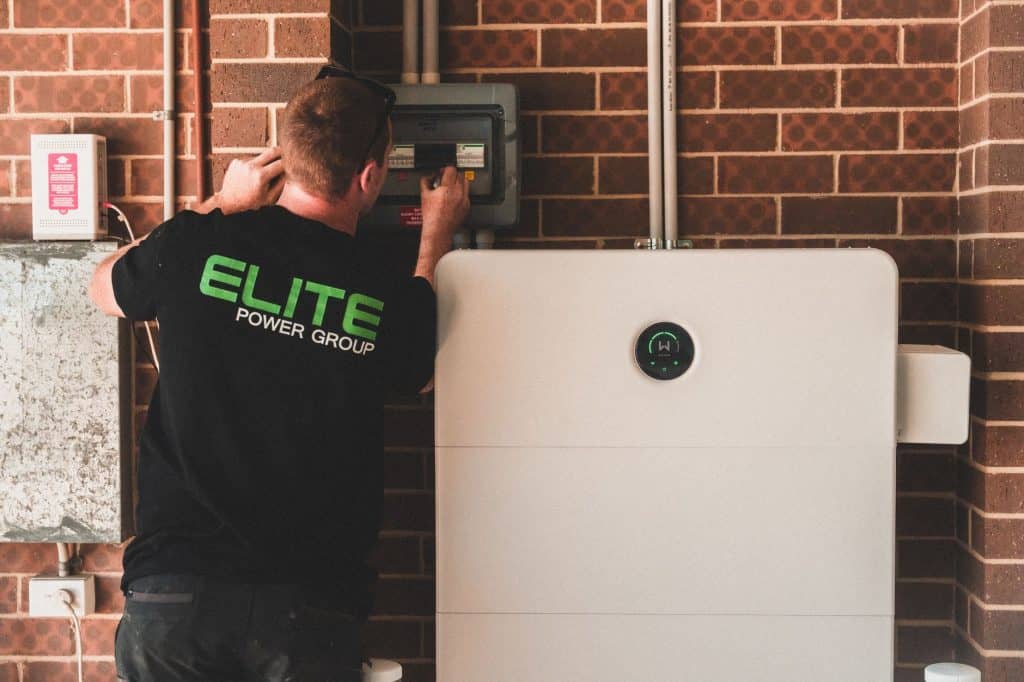
Installation quality directly affects community solar system safety and performance. Improper wiring practices cause resistive losses, sometimes exceeding 10% of potential output, and introduce safety hazards such as short circuits or fire risks. Utilizing qualified solar installers mitigates these issues.
Installation wiring must comply with IEC 60364–7–712, detailing requirements for Photovoltaik power systems regarding conductor sizing, grounding, equipotential bonding, and protective device coordination. National electrical codes may impose additional mandates, including mandatory inspection checkpoints.
Certified solar installers follow systematic protocols, ensuring all wiring meets specified cross-sectional areas for current loads and temperature conditions, avoiding voltage drops beyond 3%. Projects that adhere to these standards reduce early fault rates by approximately 40%, improving system uptime and reducing maintenance.
- Hire installers certified under recognized solar training programs with documented community solar experience.
- Verify all wiring installations conform to IEC 60364 standards and applicable national electrical regulations.
- Maintain comprehensive installation documentation to facilitate inspection and future troubleshooting.
Neglecting professional installation endangers participants and jeopardizes system longevity.
Overlooking Solar Panel Placement and Orientation Challenges
Optimizing panel placement is essential to maximize yields in community solar projects. Incorrect orientation or tilt can reduce solar irradiance capture by up to 25%, directly lowering electricity production shared among members.
Panel tilt angles should correspond to the project site’s latitude—for example, 30 to 40 degrees in Central Europe—to maximize annual solar exposure. Deviation beyond ±5 degrees from optimal tilt decreases energy capture efficiency measurably.
Shading from nearby objects—trees, buildings, or infrastructure—must be evaluated using shading analysis software incorporating site topography and solar path modeling. Unmitigated shading causes partial string output losses, which can cascade in string-based inverter configurations.
IEC Technical Specification 62817 provides guidelines for minimum inter-row spacing based on rack height and tilt angle, ensuring airflow and minimal self-shading. Orientation should aim toward true south in the Northern Hemisphere for maximal direct irradiance.
- Apply 3D shading simulation tools during design to identify shading incidents per month and optimize layout accordingly.
- Select panel tilt angles within ±5 degrees of latitude for highest long-term irradiation capture.
- Implement IEC TS 62817 spacing requirements to minimize shading and permit maintenance access.
Incorrect panel placement reduces system efficiency and complicates operational reliability.
Misapplying Incentive Programs and Investment Structures
Misunderstanding local solar incentive frameworks leads to inaccurate return expectations and legal risks. Community solar investors often confuse membership fees with direct investment amounts, or apply for subsidies without meeting eligibility criteria under national programs.
Feed-in tariffs and renewable energy certificates vary by jurisdiction and may change quarterly, impacting cash flow forecasts. Detailed due diligence on local incentive schemes—such as applicable net metering caps or auction-derived subsidy rates—is required before investment.
Solar Plus Garden implements a distinct legal and financial structure, separating the Estonian OÜ (owning and operating the 10 MW solar asset) from the Serbian DOO managing the garden community, with strict escrow controls on funds flow. This framework prevents misapplication of member fees and ensures funds are allocated transparently toward solar asset development and maintenance.
- Conduct exhaustive eligibility and compliance analysis of incentive programs relevant to the project’s location.
- Clearly separate membership fees (community access) from direct equity investments in solar assets.
- Use regulated escrow-backed investment vehicles to secure funds and safeguard investor interests.
Improper incentive application or unclear fund structure erodes expected returns and investor confidence.
Confusing Community Membership Access with Direct Solar Investment
Solar Plus Garden distinctly separates garden Mitgliedschaft in der Gemeinschaft from direct solar equity investment. Membership, obtained via a one-time fee of €200 and an optional €20/month subscription for fresh produce delivery, grants access to community benefits funded by solar revenues, but does not confer ownership rights in the solar plant.
The garden community can support up to 3,000 parcel memberships managed independently of the solar estate ownership held by the Estonian OÜ. Solar plant revenues fund community activities and administrative costs in the Serbian DOO, maintaining financial and legal transparency.
By contrast, direct solar investors acquire equity stakes through the solar DOO structure, with rights to measurable returns based on power generation and sales. Transparent monthly reporting and governance mechanisms clarify participant status and returns for both categories.
- Recognize community membership provides indirect access funded through solar operations rather than equity ownership.
- Review documentation carefully to understand the distinction between membership benefits and investor rights.
- Rely on transparent legal and financial structures maintained through separate entities to prevent role confusion.
Confusing these roles risks misaligned expectations regarding financial returns and participation rights.
Failing to Plan for Off-Grid or Partial Off-Grid Integration Options
Assuming uninterrupted grid availability without considering off-grid or hybrid solar system design is a common oversight. Systems requiring autonomy during grid outages must integrate appropriately sized battery storage and compatible inverters.
Battery capacity should be calculated based on desired autonomy period—typically 24 to 72 hours—and average consumption profiles. For example, a community load of 100 kWh/day requires a minimum battery bank of 2,400 kWh for a 24-hour backup at an 80% depth of discharge limit.
Hybrid inverters capable of seamless transition between grid-tied and off-grid modes require precise control logic and metering setups to allocate energy flows accurately among grid and storage sources. Regulatory frameworks governing off-grid installations often mandate additional permits, safety inspections, and compliance with national electrical codes.
- Evaluate local grid reliability data and design battery systems providing autonomy aligned with project needs.
- Specify hybrid inverter models certified for grid compliance and bi-directional energy flow control.
- Secure all regulatory permits and pass relevant safety inspections before commissioning hybrid or off-grid systems.
Failing to accommodate off-grid options increases vulnerability to grid interruptions and risks regulatory non-compliance.
Häufig gestellte Fragen
- What should I verify before joining a community solar project?
- Confirm legal and financial structures ensure transparent management and compliance with local regulations. Clarify how membership fees or equity investments translate into solar system support and returns.
- How can I ensure that the solar panels used are suitable for my energy needs?
- Review panel efficiency, degradation rates, and certifications such as IEC 61215 and IEC 61730. Match these data points with detailed consumption audits to properly size the solar system.
- What documentation is required for grid connection in community solar projects?
- Typically, comprehensive technical drawings, protection and control settings compliant with ENTSO-E and local grid codes, plus a signed interconnection agreement with the utility operator are necessary.
- How does community membership differ from direct solar investment?
- Membership grants access to community benefits funded by solar revenues without ownership rights. Direct investment involves equity ownership in solar assets, with associated financial returns and participation rights.
Abschluss
Avoiding common solar community mistakes requires detailed energy needs assessments, adherence to certified panel and wiring standards, early grid compliance planning, and clear differentiation between membership and investment roles. Leveraging structured investment platforms with escrow safeguards, such as Solar Plus Garden’s model, ensures transparency and reduces financial risk. Continuous monitoring of regulatory updates and energy consumption trends is essential to maintain project viability.
Weiterführende Lektüre
- Wie ein Solarenergiehandelssystem erneuerbare Energien und Gemeinschaftsinvestitionen für ein effektives Solarenergiemanagement integriert
- Wie Öko-Gemeinschaften messbare Vorteile für nachhaltiges Leben und die Widerstandsfähigkeit der Gemeinschaft liefern
- Umfassender Leitfaden zum Recycling von Solarmodulen: Prozesse, Standards und Auswirkungen auf die Gemeinschaft