



How to Navigate Solar Private Placement for Effective Clean Energy Investment in 2026

Defining Solar Private Placement: Unique Aspects and Investor Profile
Solar private placement refers to a targeted form of solar investment where ownership interests in a utility-scale solar project are offered directly to a limited number of qualified investors under regulatory exemptions from public offering registration. Unlike public equity instruments such as solar stocks and ETFs, these placements involve a non-public sale of shares or debt instruments to investors who meet specific criteria defined by securities regulations, often accredited or professional investors.
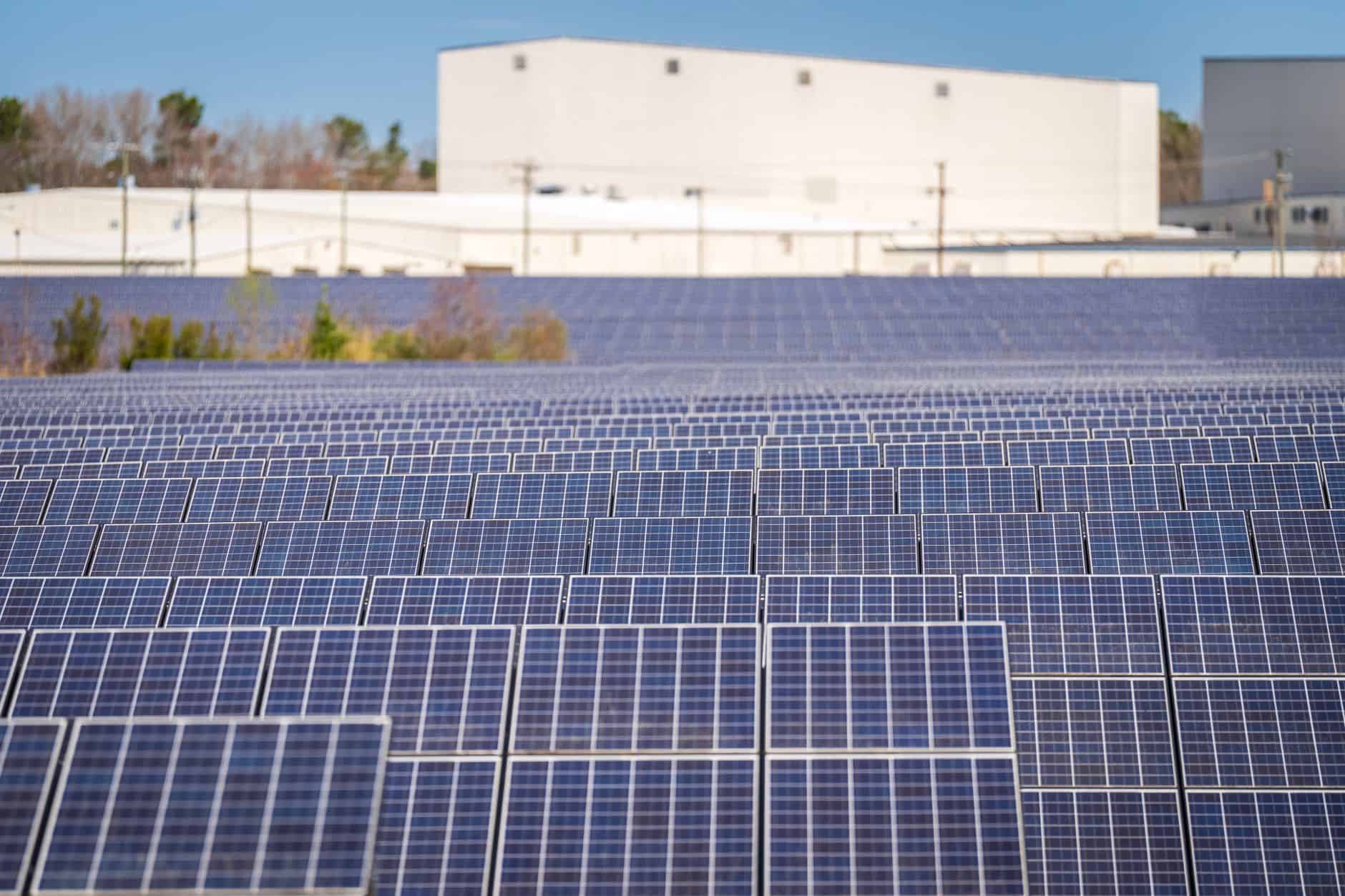
In the renewable energy domain, private placement typically funds larger solar farms rather than rooftop solar projects common in residential solar markets. Rooftop solar involves individual ownership and operation of solar panels on homes or commercial buildings, mainly for self-consumption or net metering benefits, whereas private placements finance centralized projects with capacity measured in megawatts (MW), like Solar Plus Garden’s 10 MW facility.
Investors in solar private placements span from small and medium-sized private investors to institutional entities and private equity funds specializing in renewable infrastructure. The model blends capital provision with community engagement mechanisms, differentiating it from standard private equity solar energy funds that typically emphasize solely financial returns without community integration.
Solar Plus Garden’s legal framework exemplifies compliance within evolving EU regulations, operating through an Estonian OÜ structure established February 20, 2026. This entity facilitates fund management under robust payment and escrow protocols, aligning with investor protection standards under European financial law and Estonian jurisdiction. These regulatory conditions enforce transparency in capital flow and reporting, critical for investor confidence in private placement models.
Legal and Structural Considerations in Solar Private Placements for Renewable Energy Projects
Successful solar investing via private placement requires legally sound structures providing clear asset ownership, capital protection, and regulatory compliance. Solar Plus Garden uses an escrow account system that holds investor funds until contractual project milestones — such as completion of procurement, construction phases, and grid connection verification — are certified by independent auditors. This staged capital deployment minimizes risk of premature disbursement.
The project’s operational design features two distinct legal entities: the Estonian OÜ owns and manages investor relationships and capital deployment, while the Serbian DOO holds and operates the physical solar plant asset. This dual structure adheres to jurisdiction-specific corporate and tax laws, optimizes management efficiency, and separates financial liabilities.
Investor onboarding enforces stringent KYC (Know Your Customer) and KYB (Know Your Business) requirements compliant with Anti-Money Laundering Directive (AMLD 6) standards in the EU. Identity verification includes third-party validation of source of funds and investor status, reducing risk of illicit capital participation.
Corporate governance frameworks delineate decision rights across entities, limiting operational decisions on the solar asset to the Serbian DOO, while community and member-related activities are controlled by a separate Garden entity. This legal compartmentalization prevents conflicts of interest and ensures transparency in financial flows and project operations.
Solar Plus Garden’s investor-ready materials include pitch decks detailing terms of investment, projected financial models based on solar irradiation data from Serbia, contractual exit provisions, and risk disclosures aligned with EU private placement protocols.
Investment Mechanisms and Equity Options in a 10 MW Solar Private Placement Project
The 10 MW solar project offers two primary investment mechanisms in line with private equity best practices for utility-scale renewables. The first is acquisition of long-term equity interests granting ownership proportional to capital contribution, entitling investors to dividends derived from power purchase agreements (PPAs) or feed-in tariff revenues. Typical equity holding durations correspond to project amortization and regulatory tariff periods, often spanning 15-20 years subject to local energy legislation.
The second investment option is a structured loan with fixed or performance-linked repayments, serving investors who prioritize predictable returns over operational control or equity exposure. Loan agreements set clear tenor and interest terms consistent with project cash flow models.
To complement direct solar investments, Solar Plus Garden offers a community membership model requiring a €200 one-time fee. Membership revenues support administrative costs and finance the Garden community’s agrivoltaic activities. The optional Garden box subscription at €20 per month provides 18 fresh vegetable deliveries annually generated from up to 3,000 garden parcels, enhancing sustainability through localized food production co-located with solar infrastructure.
Returns from the solar project derive from electricity generation sold under regulated feed-in tariffs or bilateral contracts, with revenue flows monitored via real-time metering equipment and verified quarterly by independent third parties. Revenues finance both investor distributions and Garden community operations, ensuring transparent allocation without cross-subsidization ambiguities common in mixed-use renewable projects.
Minimum investment thresholds start at €500, facilitating entry by smaller investors and supporting broad-based participation in utility-scale solar ownership that typically requires substantial capital commitments.
Role of Community Membership in Solar Plus Garden’s Solar Private Placement Model
The Garden community membership decouples direct energy investment from participation in community-based agrivoltaic activities. This design allows individuals to join garden programs without financially committing to private placement solar funding.
Membership involves a defined one-time payment of €200, which is channeled into solar project financing and community support. The Garden box program’s monthly €20 subscription delivers local, organic produce harvested from the agrivoltaic garden parcels, enhancing member engagement and promoting regenerative agriculture practices aligned with European organic standards.
The Garden’s legal operations are managed by a separate legal entity with exclusive rights to operate the community concept, distinct from the Serbian DOO that owns the solar plant. This ensures financial and operational independence, mitigating risks of fund commingling and legal liability crossover.
Solar Plus Garden’s transparent financial controls include segregated accounts, third-party audits, and monthly reporting that tracks all community expenses and revenues funded by solar proceeds. There is no use of off-balance-sheet entities or loosely controlled escrow-like arrangements, consistent with best practices in regulated energy investments.
Risks and Risk Mitigation Strategies Unique to Solar Private Placements
Investing in solar private placements involves inherent risks spanning regulatory, operational, market, and community dimensions. Regulatory risks include changes to feed-in tariffs, energy market reforms, or amendments to renewable energy subsidy frameworks within the EU or Serbia, which could reduce project revenues or affect contractual terms.
Operational risks encompass potential equipment failures involving photovoltaic panels, inverters produced to IEC 61215 standards, delays in grid connection, or maintenance issues impacting output. Construction delays may arise from supply chain disruptions or permitting setbacks.
Market risks refer to fluctuations in wholesale electricity prices if the project’s offtake agreements are indexed to market rates rather than fixed tariffs. Price volatility may cause deviations from forecasted cash flows and affect investor returns.
Community engagement risks include insufficient participation in Garden membership programs, which could impair the financial sustainability of agrivoltaic co-benefits and reduce community value-added.
Solar Plus Garden implements mitigation strategies such as legally binding escrow accounts that release funds only upon independent milestone verification, ongoing KYC/KYB compliance to prevent financial misconduct, and phased capital deployment aligning cash calls with construction and commissioning schedules to limit investor exposure to development risk.
Transparent project management delivers monthly performance reports verified by independent auditors. The staggered rollout allows for periodic reassessment of regulatory and market conditions, enabling adjustments to investment terms or operational processes where feasible.
Investor Journey: From Initial Interest to Active Participation in Solar Private Placements
Investors initiate engagement by registering on Solar Plus Garden’s waitlist, enabling orderly management consistent with investor qualification requirements under applicable securities law exemptions. The €500 minimum investment threshold balances accessibility with sufficient capital aggregation for project viability.
Prospective investors complete a comprehensive due diligence process including KYC/KYB verification facilitated by third-party compliance providers in line with AML Directive 6 requirements. This confirms identity, source of funds, and legal eligibility to participate.
Solar Plus Garden integrates Notion AI tools within its investor platform to provide real-time access to project documentation, decision logs, financial statements, and open questions or blockers. This ensures ongoing transparency and timely dissemination of information required for informed solar investing.
Upon successful investment confirmation, participants receive formal equity or loan documentation and gain community membership benefits including access to Garden activities. Quarterly reporting covers solar project output, revenue allocation, and community engagement metrics to maintain accountability.
Comparison of Solar Private Placement Investment to Solar Stocks, ETFs, and Rooftop Solar Projects
Compared to public solar stocks and ETFs listed on regulated exchanges, solar private placements offer direct ownership in specific assets rather than diversified portfolios. This increases transparency regarding operational performance, contractual arrangements, and project risks, though liquidity is substantially lower given the typical multi-year holding periods aligned with asset lifespan.
Public equities provide intraday liquidity, allowing investors to buy or sell shares within minutes, whereas private placement investments lock capital for the duration of development, operation, and decommissioning phases, which for utility-scale solar projects generally encompass 20-25 years under current technology and regulatory assumptions.
Rooftop solar projects usually require direct ownership of equipment with responsibilities for installation, maintenance, and system operation residing with the owner, often outside investment contexts. Private placements like those offered by Solar Plus Garden pool capital to develop and operate large-scale solar plants professionally managed by experts, distributing income passively to investors based on equity or loan terms.
Private equity solar energy investments complement diversified clean energy portfolios by providing stable cash flows tied to long-term PPAs or regulated tariffs rather than the price volatility affecting renewable energy companies’ stock prices. This stability benefits investors seeking predictable energy investment income rather than market-traded securities exposure.
Additionally, Solar Plus Garden’s integration of community membership and agrivoltaic activities differentiates it from conventional public or private solar investments by embedding social impact and local food production within the investment model.
Frequently Asked Questions
- What is the minimum investment required to participate in the Solar Plus Garden private placement?
- The minimum investment begins at €500, allowing diverse investor participation in the 10 MW solar project under regulated private placement terms.
- How does the Garden membership fee relate to investing in solar energy?
- The €200 one-time membership fee contributes to solar project financing and sustains community activities, although membership access does not require direct solar investment participation.
- What protections are in place to ensure investor funds are managed transparently?
- Investor capital is held in escrow accounts governed by Estonian OÜ and Serbian DOO legal entities. Fund releases require milestone achievements verified by independent auditors, preventing unauthorized spending or opaque transfers.
- Can I access support and information during the investment decision-making process?
- Yes, Solar Plus Garden provides Notion AI-powered digital tools enabling investors to query project status, governance documents, financials, and open issues to support fully informed investment decisions.
Conclusion
Solar private placement offers a structured, transparent means of investing in solar energy projects at scale, exemplified by Solar Plus Garden’s 10 MW facility. This model combines regulated capital deployment, distinct governance over solar and community activities, and clear investor protections that are absent in many public market or rooftop solar alternatives.
The Garden membership component further extends value by supporting sustainable agrivoltaic practices, enhancing social and environmental returns alongside financial ones. Prospective investors should engage early via the waiting list, complete required due diligence, and consider community membership to maximize impact within this evolving solar and renewable energy investment framework.
Investors must remain attentive to potential changes in regulatory environments and electricity market conditions, as tariff structures and subsidy programs relevant to solar projects in Serbia and the EU are subject to periodic revision. Solar Plus Garden’s transparent communication and phased project approach facilitate risk management and informed participation in this private placement opportunity.