









How Long Do Solar Panels Last? Understanding Solar Panel Lifespan and Performance Over Time

Typical Solar Panel Lifespan and Life Expectancy Benchmarks
The average lifespan of solar panels typically ranges between 25 and 30 years, defined as the period until their power output declines to approximately 80% of the original rated capacity. This standard aligns with industry benchmarks such as those referenced by the International Electrotechnical Commission (IEC) 61215 durability standards for crystalline silicon modules.
Solar panel degradation is the gradual loss in output efficiency caused by environmental and material factors. Industry-aggregated data show solar panel degradation rates generally fall between 0.3% and 0.8% annually. For example, a panel with a 0.5% degradation rate will retain about 87.5% of its initial capacity after 25 years.
Differences in degradation rates correspond to solar panel technologies. Monocrystalline silicon panels exhibit the lowest solar panel degradation rate, often near 0.3% per year due to their higher material purity and structural robustness. Polycrystalline panels typically degrade around 0.4 to 0.5% annually. Thin-film panels (such as cadmium telluride or amorphous silicon) degrade faster, between 0.6% and 0.8% per year, reflecting their less stable semiconductor materials.
This detailed understanding of the average lifespan of solar panels informs project developers and investors in forecasting energy production, maintenance schedules, and replacement timing over 25-plus-year project lifecycles.
Primary Factors Affecting Solar Panel Lifespan
The lifespan of your solar panels is influenced not only by manufacturer specifications but also by site-specific and operational parameters including:
- Environmental Conditions: Extreme UV radiation, operating temperature ranges exceeding −40°C to +85°C (specified by IEC 61730), humidity above 85%, and snow loads over local design specifications accelerate degradation. Studies show panels in desert climates can experience degradation rates 0.1% to 0.2% higher than milder climates due to thermal stress.
- Material Quality: The use of low-iron tempered glass with anti-reflective coating, high-grade EVA (ethylene-vinyl acetate) encapsulants, and weather-resistant junction boxes compliant with IP67 or better ratings reduces potential failure modes such as delamination and corrosion.
- Installation Quality: Panels installed with proper mounting torque, stress relief, and accurate electrical connections prevent micro-cracks and hotspots, extending the solar panel life expectancy. Installation standards such as the IEC 62446 series outline protocols for inspection and testing to ensure quality.
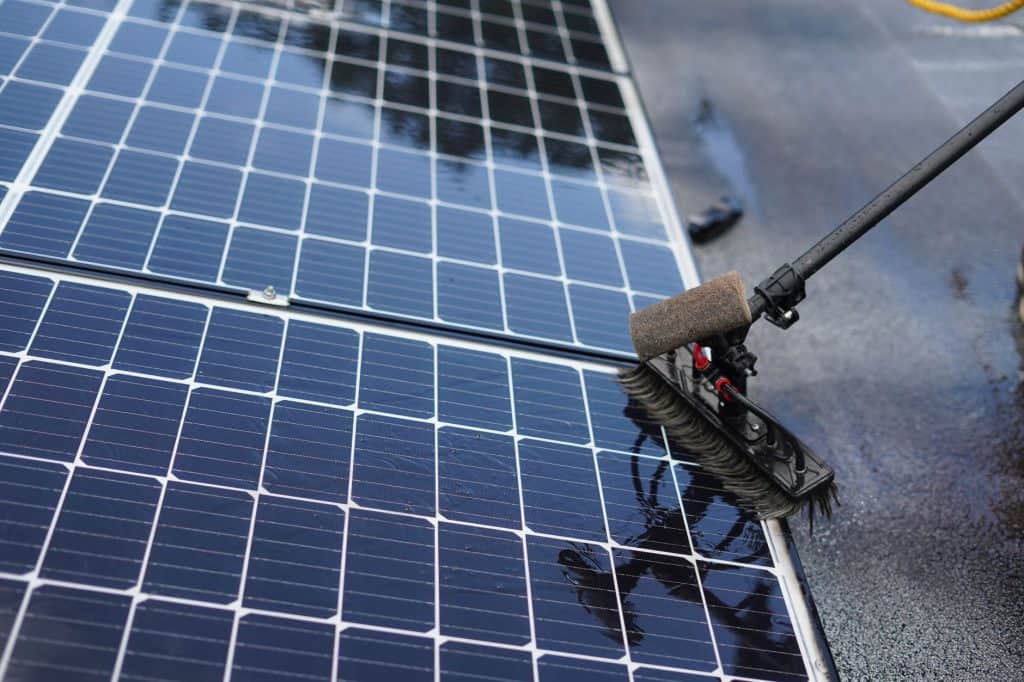
- Maintenance and Inspection: Preventative maintenance including biannual cleaning (using deionized water and soft brushes), infrared thermography for hotspot detection, and electrical performance verification reduce degradation from soiling and material fatigue.
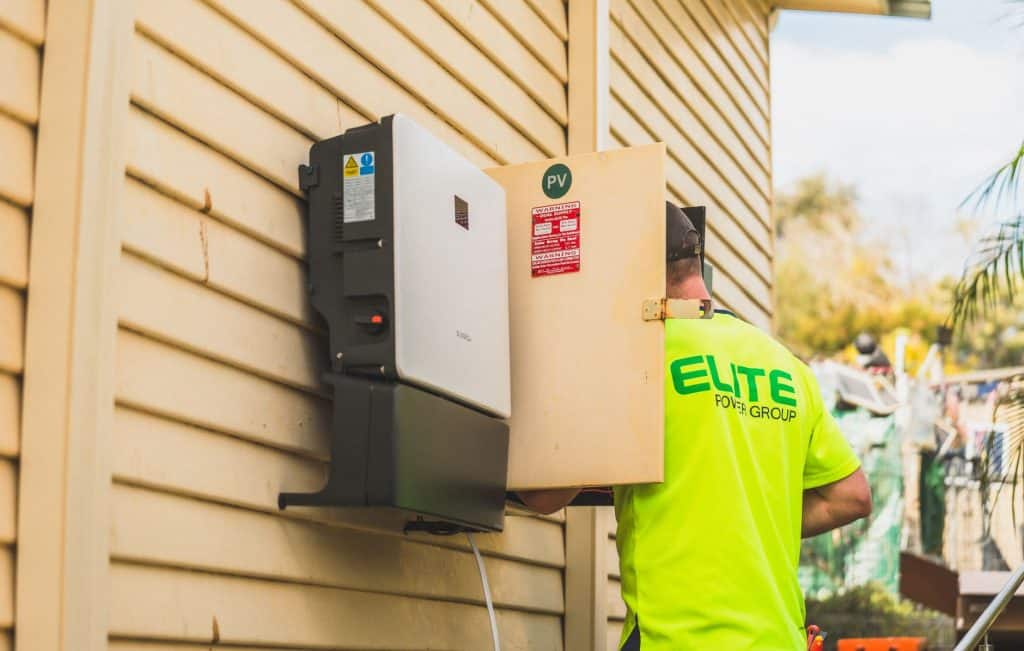
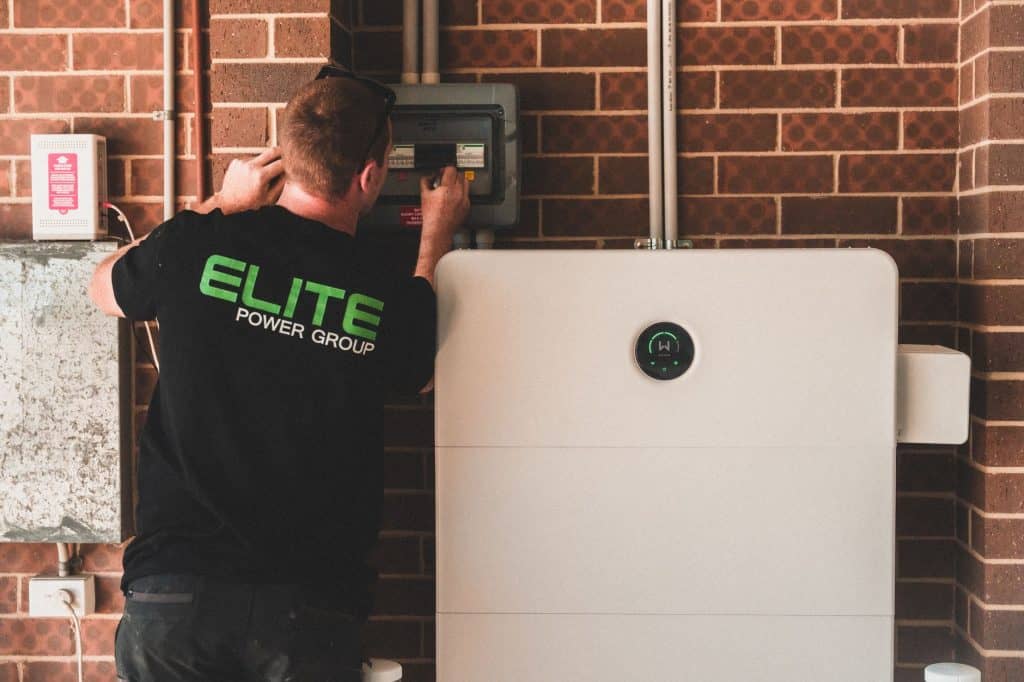
- Solar Inverter Lifespan: Solar inverters convert generated DC power to AC and have typical lifespans of 10 to 15 years, significantly shorter than solar panels. Proper inverter sizing, thermal management, and surge protection extend inverter life, but financial models must include at least one inverter replacement within 25-30 years.
These factors that affect solar panel longevity highlight the need for holistic system design and operation to ensure long solar panels last within expected performance parameters.
Mechanisms of Solar Panel Degradation: What Causes Panels to Age?
Solar panels degrade through multiple established physical and chemical mechanisms:
- Potential Induced Degradation (PID): Results from leakage currents between cells and grounded frames, causing gradual ion migration that reduces cell efficiency. Testing under IEC 62804 protocols quantifies PID risk. PID can reduce performance by up to 20% if not mitigated through system grounding and panel selection.
- Delamination and Corrosion: Moisture ingress during thermal cycling causes separation of encapsulant layers and corrosion of cell interconnects or junction boxes, identified using damp heat testing (85°C, 85% RH for 1000 hours per IEC 61215).
- Micro-cracks: Visible or microscopic fractures in silicon cells caused by mechanical stress during manufacturing, transportation, or installation. Micro-cracks disrupt electrical pathways, reducing output by up to 5% per affected cell string depending on severity.
- Light-Induced Degradation (LID): Occurs mainly in the first operational year due to the interaction of light with boron-oxygen complexes in silicon, typically causing a 1% to 3% initial efficiency drop measurable by IEC 61853 performance testing.
- Soiling and Shading: Accumulations of dust, dirt, bird droppings, or nearby object shading reduce irradiance on cells, mimicking accelerated solar panel degradation. Soiling losses can range from 2% in clean areas to over 10% in dusty environments without cleaning.
Effective degradation mitigation strategies depend on understanding these mechanisms and implementing targeted maintenance and material choices.
How Solar Panel Lifespan Influences Investment and Long-Term Returns
Solar panel life expectancy is critical for financial models and return on investment (ROI) forecasts in solar projects.
- Payback Period Estimation: Using conservative degradation rates (e.g., 0.5% annually) and average solar irradiation data ensures revenue projections reflect realistic energy output over 25-30 years, preventing over-optimistic ROI estimations.
- Inverter Replacement Costs: Factoring in at least one full inverter replacement within the project’s timeline, typically after 10-15 years, avoids unexpected expenditure compromising payback.
- Warranties and Guarantees: Standard industry warranties, such as those from Tier 1 manufacturers, guarantee ≥80% peak power output at 25 years and typically 10 years product workmanship coverage, serving as risk mitigation tools for investors.
- Solar Plus Garden Investment Model: The platform’s investment model incorporates solar panel longevity data and scheduled inverter replacements within transparent financial frameworks, aligning ROI expectations with performance realities.
- Yield Projections: Solar panel degradation rates are integrated into energy yield simulations (e.g., using PVsyst software) ensuring conservative and measurable estimations communicated to investors.
Financial viability depends on precise solar panel life modeling, encompassing technical and economic parameters integrated in investment decisions.
Monitoring and Maintaining Solar Panels to Maximize Their Useful Life
Maintaining solar panel performance over decades requires structured monitoring and upkeep:
- Inspection and Cleaning Intervals: Recommended cleaning every six months using approved non-abrasive techniques mitigates soiling impact, which studies indicate can reduce output up to 5%. For dusty or agricultural environments, quarterly cleaning may be necessary.
- Performance Monitoring Systems: SCADA-based digital monitoring enables real-time tracking of individual panel or string output. Detection of deviations over 5-10% from expected production triggers inspection, avoiding prolonged output loss.
- Repair or Replacement Thresholds: Panels exhibiting output fall below 80% of rated capacity, as measured by standardized IV curve tracer tests, may be candidates for repair (e.g., re-lamination) or replacement, subject to cost-effectiveness analyses.
- Community-Funded Maintenance: Solar Plus Garden channels membership fees into escrow-based funds dedicated to regular system maintenance, inverter replacement, and eventual solar panel replacement, ensuring capital availability for operational continuity.
- Local Climatic Considerations: Maintenance schedules and techniques adapt to site-specific factors such as wind-blown dust, pollen seasons, humidity cycles, and temperature extremes to optimize solar panel longevity.
These practices ensure solar panel life expectancy is realized and that system performance supports stable investment returns and community energy needs.
End-of-Life Options for Solar Panels: Replacement and Recycling
Solar panels are considered at end-of-life (EOL) when performance falls below approximately 80% of original rating or when physical damage compromises integrity and economic viability.
- Replacement Criteria: Assessment protocols include annual performance ratio analysis and physical inspection. Replacement decisions balance repair costs, residual output, and risk of further degradation.
- Recycling Technologies: Advanced recycling processes separate glass (approximately 75% of panel weight), silicon wafers, aluminum frames, and copper wiring. Closed-loop recycling methods recover up to 95% of material mass, reducing landfill waste and environmental impact.
- Environmental Considerations: Compliance with extended producer responsibility (EPR) and waste management regulations such as the EU Waste Electrical and Electronic Equipment (WEEE) directive and equivalent Serbian laws mandates proper disposal and recycling to prevent hazardous leaching of heavy metals.
- Solar Plus Garden Lifecycle Management: The platform plans for systematic decommissioning and recycling aligned with panel replacement cycles funded through community membership fees, sustaining environmental and financial sustainability.
Effective EOL management secures long-term sustainability, minimizes ecosystem disruption, and supports circular economy principles in solar systems.
Interconnection Between Solar Panel Lifespan and Agrivoltaics in Solar Plus Garden
Solar Plus Garden’s agrivoltaic model integrates solar energy production with agricultural land use, relying on reliable solar panel life expectancy to sustain dual benefits.
- Lifespan Underpinning Agrivoltaic Systems: The planned 10 MW solar plant uses panels with IEC-tested degradation rates below 0.5% annually and guaranteed 25-year warranties to maintain consistent energy supply for agrarian community plots numbering up to 3,000.
- Energy Availability and Degradation Impact: As solar panels degrade over time, energy supplied to irrigation, lighting, and other garden infrastructure diminishes proportionally, making longevity critical to operational reliability and food production consistency.
- Funding Maintenance through Membership Fees: Garden membership fees incorporate scheduled allocations for inverter swaps and solar panel replacements, providing a regulated, transparent escrow model for asset upkeep within the community.
- Community-Supported Solar-Agriculture Investments: The model attracts investors seeking combined returns from clean energy production and sustainable agriculture, with solar panel lifespan projection central to transparent investment communication.
- Benefits of Extended Solar Panel Life: Panels that last 25-30 years minimize frequency and cost of replacement, enabling stable governance of solar energy assets and supporting agrivoltaic sustainability goals.
Linking solar panel longevity to agrivoltaic productivity reinforces both environmental and economic frameworks within Solar Plus Garden.
Frequently Asked Questions
What is the average degradation rate of solar panels per year?
Solar panels degrade between 0.3% and 0.8% annually depending on technology and operating conditions, resulting in approximately 80% of their initial output after 25-30 years.
How often do I need to replace the solar inverter in my system?
Solar inverters typically last 10 to 15 years, so replacement is generally required once or twice during the 25- to 30-year lifespan of solar panels.
Can maintenance and monitoring extend the lifespan of my solar panels?
Regular maintenance including cleaning, functional inspections, and performance monitoring can slow degradation effects, often improving effective solar panel life expectancy by reducing early failures.
What should I do when my solar panels reach the end of their lifespan?
When panels produce less than 80% of their rated capacity or exhibit significant damage, replacement is advisable. Responsible recycling programs enable material recovery in line with EU and Serbian waste management laws.
Conclusion
The lifespan of solar panels, averaging 25 to 30 years under standard degradation rates of 0.3% to 0.8% per year, is foundational for solar investment and community energy planning. Degradation mechanisms such as PID, LID, micro-cracking, and environmental stressors cause predictable declines in output over time.
Solar Plus Garden’s investment and operational models integrate inverter replacement cycles, maintenance protocols, and transparent degradation projections to ensure reliable long-term returns and system resilience. Ensuring high-quality materials, compliant installation processes, and proactive upkeep effectively extend the lifespan of your solar panels, supporting both regenerative agriculture and clean energy production within the community framework.
Changes to technological advances, regulatory environments, or site conditions may influence solar panel life expectancy, so continuous monitoring and updated analyses remain essential to sustaining performance and optimizing investment outcomes.