





Invest in Solar Energy Today: A Practical Guide for Investors and Developers

The Context of Solar Investment in 2026-2027
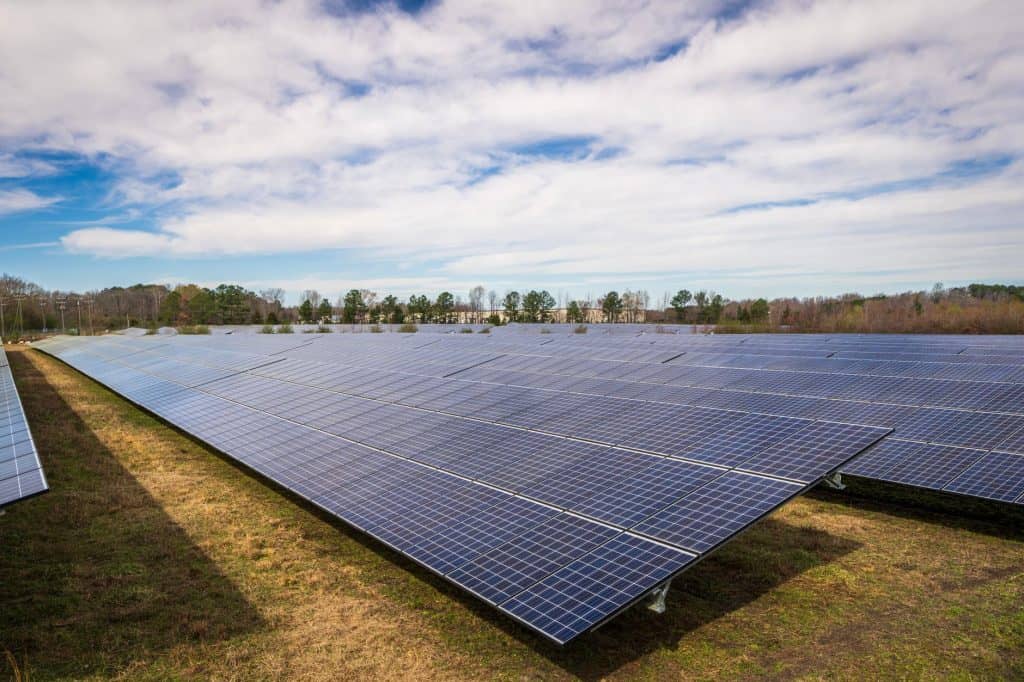
In 2026, solar energy accounts for approximately 40% of new renewable capacity additions globally, making it the leading technology for expanding clean energy assets. This growth is driven by continued declines in panel costs—monocrystalline silicon panels now average between €0.20 and €0.30 per watt installed—and advancements in inverter and balance-of-system efficiency. Rooftop installations alongside ground-mounted solar farms dominate new deployment, with utility-scale projects representing the bulk of new capacity additions.
Within the European Union, regulatory frameworks such as the EU Renewable Energy Directive 2018 and national feed-in tariff (FIT) schemes maintain support for solar development, though individual country incentives vary and are subject to periodic review, typically on an annual basis. These schemes often include premium FIT rates or market premium models tied to electricity market prices, impacting project revenue forecasting. Serbia operates under complementary national incentive programs regulated by the Energy Agency of the Republic of Serbia, which include feed-in tariffs and net metering options but follow distinct permitting and tariff approval procedures that influence project financial modeling.
Developers and investors must continuously monitor policy changes—such as amendments to FIT schedules or emerging auction frameworks—as these directly affect expected cash flows and project valuations. Exposure to regulatory risk remains a material factor when underwriting solar investments in the energy space.
How Solar Investments Generate Value: Mechanisms and Models
Solar investment structures in 2026 integrate multiple financial vehicles tailored to investor preferences and regulatory environments. Key mechanisms include equity participation, debt financing, and hybrid community membership fee models.
- Equity ownership: Direct investment into a solar project confers proportional ownership stakes. Investors benefit from revenues generated by the solar farm—calculated from electricity sales under FIT or power purchase agreements (PPAs)—after operational expenses. Shareholders typically possess voting rights in project decisions, driven by shareholder agreements aligned with standard corporate governance principles under Estonian and Serbian law.
- Loan financing: Debt instruments provide fixed or variable interest returns, often secured against project assets. This method limits investor involvement in operational decisions and exposes lenders primarily to credit and performance risk associated with project cash flow stability.
- Membership fee models: Designed to engage community investors, these schemes involve membership fees funding solar asset development and ongoing community programs. Investors do not hold equity but access benefits like dividend-like payouts or community services, with clearly segregated legal structures to delineate solar asset ownership from community activities.
Solar Plus Garden applies a hybrid model combining a 10 MW grid-connected solar plant with an agrivoltaics-enabled Garden community membership platform. Phase 1 and 2 offer investors choice between receiving a long-term equity share—reflecting proportional participation in project cash flows over typical operational periods of 20-25 years—or a Phase 2 guaranteed payout arrangement structured as a fixed return based on specific contractual terms. The membership fee consists of a one-time €200 payment granting access to the Garden community and optional €20 monthly subscriptions for locally sourced Garden box deliveries, integrating regenerative agriculture beneath or adjacent to PV installations.
This approach links solar asset cash flows with community engagement funding, ensuring that portion of solar revenue finances operational costs and agrivoltaic garden maintenance. This dual revenue stream model broadens the investor value proposition beyond traditional solar projects.
Cost Considerations and Initial Capital Requirements for Solar Investment
Capital deployment into solar projects encompasses installation costs, operational expenditures, and ancillary community-related budgets.
- Minimum investments: Solar Plus Garden’s baseline entry point of €500 aligns with market trends toward democratized solar finance, enabling participation by small and medium investors without sacrificing scalability.
- Capital allocation: Approximately 85-90% of upfront capital is allocated to the installation of the 10 MW solar farm, utilizing monocrystalline silicon photovoltaic panels with PERC (Passivated Emitter Rear Cell) technology, known for higher efficiency rates around 21-22% at standard test conditions (STC). String inverters compliant with IEC 61727 standards optimize DC to AC conversion and facilitate per-string performance monitoring, enhancing fault detection and maintenance response.
- Ancillary costs: The Garden component operates under a separately capitalized legal entity, funded through membership fees (€200 one-time onboarding) and optional monthly subscriptions (€20), supporting a maximum of 3,000 Garden parcels. This segmentation ensures operational budgets for agrivoltaic management and fresh produce procurement remain distinct from solar asset finances.
Storage solutions are not integrated within the core 10 MW solar installation but remain an evaluative factor for complementary investment decisions. Across the EU, lithium-ion battery systems compliant with UN 38.3 and IEC 62619 standards have seen adoption rates increase by 15% annually, driven by improved self-consumption incentives under national policies such as Germany’s KfW 275. Investors should weigh storage costs against forecasted feed-in revenue and local grid tariffs to determine project-specific economics.
Managing Risks in Solar Energy Investments
Key risk categories bearing on solar investment returns include:
- Regulatory and policy risk: Feed-in tariffs and market incentives in the EU and Serbia undergo frequent review, potentially altering revenue streams. Investors should analyze regulatory stability indices and track government consultation cycles for photovoltaic sector policies.
- Operational risks: System downtime, inverter failure, and panel degradation affect output. Typical degradation rates range between 0.5% and 1% annual efficiency loss, consistent with IEC 61215 module performance standards. Scheduled preventive maintenance—approximately €10-15 per kW per annum—mitigates unplanned outages and preserves output.
- Financial risks: Exposure to exchange rate volatility exists for investors funding projects denominated in Euros or Serbian dinars; hedging mechanisms may be employed. Illiquidity is inherent in direct solar assets, requiring investors to account for exit timelines tied to project operational life and secondary market conditions.
Solar Plus Garden implements financial governance through a structured payment model incorporating multi-tier escrow accounts. These mechanisms, operating according to Estonian OÜ and Serbian DOO legal mandates, enforce strict fund usage controls, precluding unauthorized expenditures or misallocation. Transparency is further enhanced via quarterly financial reporting adhering to IFRS principles, accessible through investor dashboards.
Step-by-Step Guide to Investing in Solar Projects Through Solar Plus Garden
The investment pathway is designed for clarity and regulatory compliance:
- Join the waiting list: Register via solarplusgarden.com to indicate investment interest; the waiting list organizes applicant onboarding chronologically.
- Complete KYC/KYB: Submit personal and business identification documents as per EU AML directives and Serbian anti-corruption statutes; verification typically completes within 5-7 business days.
- Choose investment pathway: Select between long-term equity ownership—entailing pro-rata shares in solar-generated profits over the 20-25 year operational lifespan—or guaranteed payout schemes contingent on predefined return schedules.
- Garden community membership: Execute the one-time €200 membership payment to access the agrivoltaics community. Optional recurring subscriptions at €20 per month secure Garden box deliveries supporting regenerative agriculture parcels.
- Ongoing monitoring: Investors receive monthly performance reports detailing solar plant output (in kWh), revenue streams against forecasted budgets, and Garden community updates. Community scale is capped at 3,000 parcels to sustainably manage local ecosystem impact and participation.
Affiliate sponsors expedite subscriber approval within 48 hours via streamlined onboarding protocols, enhancing investor integration into the platform.
Comparing Solar Investment Vehicles: Direct Assets, ETFs, and Community Models
Investment options in solar energy today vary by liquidity, control, and risk exposure:
- Direct ownership of solar farms: Investors obtain tangible assets with operational oversight rights and access to detailed performance and financial data. These assets may qualify for tax incentives such as accelerated depreciation under relevant EU jurisdictions. Control over asset management facilitates active risk management but often entails reduced liquidity and higher minimum investment thresholds.
- Solar ETFs (Exchange-Traded Funds): Solar-themed ETFs provide diversified exposure to publicly traded solar and clean energy stocks, facilitating greater liquidity and lower entry costs. However, these funds aggregate stock-level market risks and offer no direct linkage to individual solar projects, limiting investor control and transparency regarding physical asset performance.
- Community investment models: Solar Plus Garden exemplifies a hybrid model blending direct solar asset investment with community engagement via Garden memberships and agrivoltaics. This structure offers investors partial asset-backed returns paired with social impact participation without mandatory equity acquisition, governed under transparent legal structures to safeguard investor rights.
Liquidity varies across these vehicles: ETFs provide intraday tradability on exchanges, whereas direct and community models possess extended lock-in periods linked to asset lifespan or membership terms. Evaluating portfolio allocation requires balancing granularity, control, and exit strategy aligned with investor risk tolerance.
Local Market Dynamics: Solar Investment Opportunities in the EU and Serbia
Solar Plus Garden’s corporate and operational model involves an Estonian OÜ registered on 20.02.2026 responsible for investment fund management and a Serbian DOO owning and operating the 10 MW solar farm. This bifurcated structure facilitates compliance with both EU investment regulations and Serbian permitting and energy legislation.
In Serbia, permitting and grid connection typically require 12-18 months, encompassing environmental impact assessments compliant with Serbian Law on Environmental Protection, grid connection agreements with Elektroprivreda Srbije following ENTSO-E standards, and municipal construction permits. EU member states maintain comparable regulatory procedures streamlined under EU Directives, often facilitating shorter permitting cycles due to harmonized regulations.
The multi-entity framework enables mitigation of cross-jurisdictional risks, optimizing tax positions and regulatory adherence critical in multinational project portfolios. Developers should assess grid capacity constraints, including peak load limits and curtailment risks, that influence solar plant design and financial performance.
Outlook on Solar Energy Investment: Trends and Expected Industry Developments
- Agrivoltaics integration: Solar Plus Garden’s development of agrivoltaics supports up to 3,000 Garden parcels, optimizing land use by co-locating solar panels with agricultural cultivation—a method shown in recent studies to increase land productivity by 60-70% over singular use. This model supports sustainability and ecosystem services integrated within energy projects.
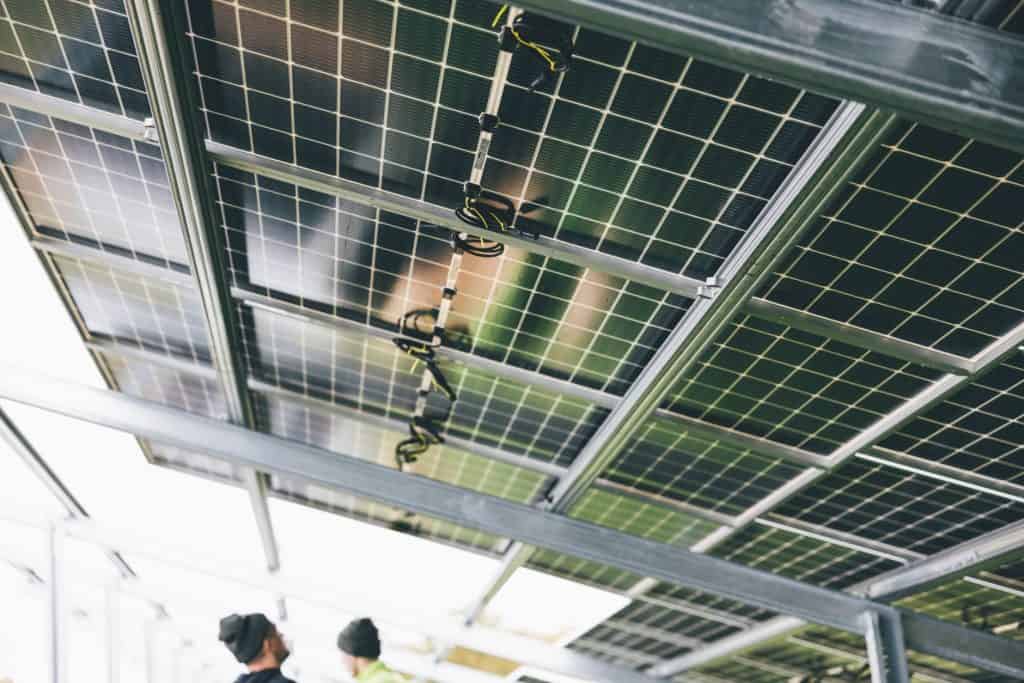
- Technological advances: Photovoltaic modules utilizing heterojunction cell technology (HJT) and bifacial panels are projected to reach commercial maturity, offering efficiency gains beyond 24% and enhanced energy yield through reflected irradiance capture. Storage systems leveraging lithium-ion and emerging sodium-ion technologies with improved cycle lifetimes will increasingly complement solar plants for grid firming.
- Policy shifts: National and EU-level policies increasingly promote community-backed renewable projects, incentivizing models that integrate social and environmental co-benefits. Solar Plus Garden aligns with this trend, providing hybrid investment structures encompassing both solar infrastructure and community agriculture.
- Project scalability: Implementing dual legal entity platforms with clear financial governance and regulatory compliance enables Solar Plus Garden to scale operations regionally without governance dilution or compliance risk. This platform approach is critical for institutional-grade portfolio management across variable regulatory environments.
Frequently Asked Questions
- What is the minimum amount needed to invest in Solar Plus Garden’s solar project?
- The minimum investment amount is €500, enabling a broad investor base to participate in the solar farm’s 10 MW capacity development.
- How does the Garden membership relate to solar investment?
- The Garden membership requires a one-time €200 fee which finances solar projects indirectly by supporting community programs linked to the agrivoltaics initiative. While membership fee income contributes to the overall solar ecosystem financing, it does not confer equity ownership in the solar asset.
- What kind of returns can I expect from investing in solar energy today through Solar Plus Garden?
- Solar Plus Garden offers two financial return models: equity shares providing long-term dividends aligned with solar plant operational cash flows over 20-25 years, and a Phase 2 guaranteed payout structure offering fixed periodic returns. Actual returns depend on regulatory frameworks, project O&M performance, and market conditions prevailing at investment.
- How is investor money protected and managed in Solar Plus Garden?
- Investor funds are controlled via a multi-tier payment and escrow framework compliant with Estonian OÜ and Serbian DOO regulations. Clear fund allocation rules prevent unauthorized spending, supported by quarterly IFRS-based financial disclosures and governance overseen by independent trustees.
Conclusion
To invest in solar energy today with a balance of asset-backed security and community engagement, Solar Plus Garden offers a transparent, regulated approach integrating a 10 MW solar installation and agrivoltaic Garden membership. Investors initiate participation by registering on the project platform, completing compliance steps, selecting investment and membership options, and engaging with ongoing performance reporting. This model may require recalibration aligned with evolving technology, policy changes, or financial markets, mandating continuous due diligence.