









Organic Vegetable Growing Guide
Welcome to a comprehensive guide to growing vegetables organically, designed for any gardener looking to start a productive vegetable garden. Here you will learn how to grow vegetables and fruits with practical growing tips, from compost and organic fertilizers to mulch and green manure. We explore revolutionary methods like cultivating organic vegetables under solar panels, merging modern renewable energy with organic production to improve soil fertility, reduce weed pressure, and extend the growing season.
Introduction to Organic Vegetable Gardening
Organic vegetable gardening focuses on building organic soil rich in organic matter, supporting vegetable crops and growing fruit without synthetic fertilizer or harsh pest controls. This guide to growing vegetables emphasizes compost, cover crop strategies, and organic mulch for better soil fertility. We also outline how organic farmers and the home organic gardener can use solar-panel shade to protect heat-sensitive crops, conserve moisture, and lengthen the season, protecting lettuce and pea while maintaining moisture and supporting a long growing season organically.
What is Organic Vegetable Gardening?
Organic vegetable gardening is an approach where you grow vegetables and fruits using natural inputs like compost, green manure, and organic fertilizers while avoiding synthetic pesticides. It centers on soil health, biodiversity, and closed-loop fertility. An organic garden uses cover crop rotations, organic mulch for moisture, and habitat for beneficial insects. Increasingly, gardeners integrate panels to shade sensitive vegetable crops, aligning organic production with clean energy and modern climate resilience.
Benefits of Growing Vegetables Organically
Vegetables organically typically show superior flavor and nutrition, while soil test results improve as organic matter builds. Compost boosts nitrogen availability steadily, reducing the need to fertilize frequently. Organic mulch suppresses weeds, retains moisture, and raises yields of lettuce, beet, cucumber, squash, and pea. Growing under solar panels moderates heat and extends the growing season, and can make a 100 square feet plot more productive, efficient, and climate-smart for any gardener.
Essential Tools for Organic Gardeners
Every organic gardener benefits from a sturdy hoe for weed management, a soil test kit to track nitrogen and pH, and a compost system to recycle organic matter. A broadfork aerates without tilling, preserving organic soil structure. Watering cans, drip lines, and organic mulch are essential during dry spells. Trays for transplant starts, row cover for pest exclusion, and shade cloth or solar-panel canopies help sensitive vegetable crops grow best throughout the long growing season.
Planning Your Vegetable Garden
Starting a vegetable garden begins with a comprehensive guide to growing that matches your space, climate, and crop preferences. Map your vegetable garden, grouping easy to grow crops like lettuce and beet near pathways for quick harvest. Consider succession schedules for continuous vegetable growing. Plan areas for cover crops/green manure to restore fertility. If available, position rows beneath solar panels to protect heat-prone crops and enable efficient irrigation and organic production organically.
Creating a Garden Plan
Draft a scaled layout for about 100 square feet sections, allocating beds for vegetable crops and a dedicated compost area. Sequence plantings by days to maturity to harvest regularly. Include trellises for cucumber, staking for tomato transplants, and space for squash vines. Schedule soil tests and time organic fertilization. Add rows intended for a cover crop between successions. Where possible, align beds under solar arrays to buffer extremes and grow best yields.
Choosing the Right Location
Select a location with six or more hours of light, good drainage, and access to water. The organic garden thrives on level ground with deep organic soil. In hotter regions, partial shade from solar panels reduces heat stress for lettuce, pea, and beet, improving vegetable growing quality. Ensure wind protection and convenient paths for the gardener. Keep compost nearby, and position trellised crops to avoid shading shorter plants, optimizing vegetables organically across the growing season.
Crop Rotation and Green Manure
Rotate crop families annually to disrupt pest cycles and balance nutrient demand. Follow heavy feeders with legumes to boost nitrogen naturally, then plant a cover crop as green manure to replenish organic matter. For example, harvest early lettuce, then sow pea or a legume mix, and later transplant squash or cucumber. Incorporate residues to fertilize the soil organically. Under solar panels, rotations stay cooler and moister, enhancing soil fertility and sustaining organic production with fewer inputs.
Soil Preparation and Composting
Soil preparation is the foundation of any organic garden, setting the stage for vegetable crops to grow best across a long growing season. Start with a soil test to gauge pH, nitrogen, and organic matter, then amend with compost and green manure for lasting soil fertility. Organic mulch and cover crop residues build organic soil structure, reduce weed pressure, and enhance water retention. For a 100 square feet bed, incorporate well-aged compost evenly and plan rotations that fertilize organically.
Understanding Soil Health
Healthy soil teems with organisms that recycle organic matter into plant-available nutrients, supporting lettuce, beet, cucumber, squash, and pea. A soil test guides fertilizer decisions so gardeners avoid overapplying nitrogen and rely on compost, green manure, and organic fertilizers. Good tilth improves drainage and root growth, while organic mulch moderates temperature. Under solar panels, moderated heat and steady moisture accelerate microbial processes, making organic production resilient and helping vegetable growing thrive with fewer inputs.
Building a Compost Pile
Build a compost pile by balancing greens (nitrogen) and browns (carbon), keeping it moist and aerated for steady decomposition. Add vegetable scraps, shredded leaves, and garden trimmings; avoid diseased plant material to reduce pest risks. Turn the pile regularly to keep it hot and break down weed seeds. Finished compost smells earthy and crumbles easily, ready to fertilize organically. Apply two inches before planting to enrich a vegetable garden for a long growing season.
Using Mulch to Enhance Soil Quality
Mulch protects organic soil, suppresses weed growth, and reduces irrigation needs. Apply organic mulch like straw or shredded leaves around vegetable crops and transplants, leaving a gap at stems to prevent rot. Mulch stabilizes temperature and moisture for lettuce, pea, beet, and cucumber. In gardens under solar panels, mulch complements shade by preventing evaporation, supporting soil fertility and allowing vegetables organically to produce consistent harvests in hot months.
Growing Techniques for Organic Vegetables
Effective techniques help any gardener learn how to grow vegetables and fruits with confidence. Follow growing guides that emphasize proper spacing, timing, and succession for steady harvest. Adopt drip irrigation and mulch for efficient watering, and rotate crop families for pest prevention. Integrate cover crop windows and compost additions to fertilize organically. Modern systems that place organic vegetable beds beneath panels create cooler microclimates, enabling organic production to expand the growing season and support reliable yields.
Starting from Seeds vs. Transplants
Decide whether to start seeds directly in the garden or use a transplant strategy for a head start. Lettuce, beet, and many herbs are easy to grow from seed; cucumber and squash often thrive from transplants in cooler soils. Transplants improve timing and establishment for the growing season, achieve uniform spacing, and reduce weed competition. Under solar panels, seedlings experience less heat stress, helping vegetable crops establish quickly and produce vegetables organically with fewer losses.
Watering and Irrigation Methods
Water deeply and infrequently to encourage strong roots, using drip lines to deliver moisture directly to the crop zone and conserve water. Mulch keeps soil evenly moist and limits evaporation around lettuce, pea, cucumber, and squash. A soil test won’t show water status, so monitor by hand and adjust schedules through the season. Beneath solar panels, reduced solar load decreases irrigation demand, creating a modern, efficient system where organic gardeners maintain soil fertility and dependable harvest quality.
Organic Pest and Weed Management
Prevent pest and weed issues through crop rotation, row cover, and vigilant scouting. Encourage beneficial insects with diverse plantings and avoid broad-spectrum inputs by relying on compost and balanced nutrition to strengthen plants. Hand-weed early and maintain thick mulch to smother new sprouts. Keep paths clean and remove diseased foliage promptly. Shaded beds under panels can slow some pests and reduce weed germination, allowing vegetable growing to proceed organically with fewer interventions and consistent, clean harvests.
Specific Vegetable Growing Tips

Specific growing tips help any gardener translate a comprehensive guide to growing into reliable harvests. Focus on organic soil, steady nitrogen from compost and green manure, and consistent mulch to protect moisture. Use a soil test to tune organic fertilizers, then follow growing guides for spacing and succession. In a 100 square feet vegetable garden, rotate key crops like lettuce, beet, cucumber, squash, and pea to sustain soil fertility and grow best across a long growing season.
Growing Cucumbers Organically
Cucumber thrives when the organic gardener warms soil with organic mulch and supplies compost for gentle nitrogen. Sow or transplant after frost, trellis to lift fruit for clean harvest, and water evenly to prevent bitterness. A soil test ensures you fertilize wisely, avoiding excess. Interplant a low clover cover crop to suppress weed and enhance organic matter. Under panels or light shade, cucumbers avoid stress, keeping flowers set and fruit straight through the growing season.
Best Practices for Growing Tomatoes
Start tomato as a sturdy transplant in rich organic soil amended with compost and a balanced organic fertilizer. Bury stems deeply, mulch to maintain even moisture, and prune for airflow to reduce pest and disease. A soil test guides calcium and pH adjustments to prevent blossom-end rot. Rotate away from last year’s nightshades, and under partial solar-panel shade in hot regions, protect fruit set while sustaining soil fertility and predictable harvest quality organically.
Tips for Growing Squash and Peas
Squash demands warm soil, abundant organic matter, and a thick mulch that limits weed and preserves moisture. Side-dress with compost as vines expand, and encourage pollinators for steady vegetable growing. Pea prefers cool weather and modest nitrogen; too much fertilizer reduces pods. Use a cover crop between successions to rebuild organic matter. Under moderated light, peas extend their window, and squash resists heat stress, improving harvests for the organic garden.
Innovative Methods: Growing Organic Vegetables Under Solar Panels

Growing vegetables organically beneath solar panels merges organic production with renewable energy, creating a modern, revolutionary microclimate. Panels diffuse light, reduce heat, and slow evaporation, letting the gardener grow vegetables with less irrigation and fewer pest surges. Compost, green manure, and organic mulch amplify these gains, improving soil fertility. In a 100 square feet array corridor, careful bed layout and crop rotation deliver consistent harvest while demonstrating how to learn how to grow sustainably in hot seasons.
Benefits of Solar Panel Gardening
Solar-panel gardening stabilizes temperature, conserves water, and extends the season, sheltering tender vegetable crops from extremes. Diffused light helps lettuce, beet, and pea grow best, while cucumber and squash avoid sunscald. Lower weed pressure and moderated stress reduce pest outbreaks, so organic farmers can fertilize less aggressively and rely on compost-driven nitrogen. The system lets an organic garden produce vegetables and fruits efficiently, pairing energy generation with soil-building practices that enhance organic matter and resilience.
Best Vegetables to Grow Under Solar Panels
Choose crops that appreciate filtered light and steady moisture: lettuce, beet, pea, and many herbs are easy to grow. Cucumber and summer squash also perform well with trellising to channel growth through panel rows. Leafy greens and quick vegetable crops fit tight spaces, sustaining harvest cadence. Root crops benefit from cool soil and organic mulch. Follow growing guides to sequence successions organically, maintaining productivity while feeding soil with compost and green manure.
Practical Tips for Successful Solar Panel Gardens
Map beds parallel to panel supports, leaving access for maintenance. Install drip irrigation and maintain mulch to target roots and stabilize moisture, and schedule a soil test to calibrate nitrogen from compost versus fertilizer. Trellis vertical crops to maximize 100 square feet corridors, and rotate cover crop mixes between plantings to rebuild organic matter. Scout pest populations regularly; moderated microclimates can still require timely thinning, pruning, and clean harvest practices.
Harvesting and Storing Your Organic Vegetables
A timely harvest preserves flavor, nutrition, and soil fertility for the next crop. The organic gardener should walk the vegetable garden daily, using growing guides and a soil test history to predict peak maturity. Gentle handling prevents bruises and pest entry on vegetables and fruits. Keep tools clean, use sharp pruners, and harvest in the cool morning. Under solar panels, diffused light keeps organic vegetable quality high, allowing produce to store longer with better flavor.
When to Harvest Your Crops
Use sight, touch, and taste to harvest vegetables organically at their peak. Lettuce heads feel firm yet tender; beet shoulders swell at soil level; cucumber is glossy and uniformly colored; pea pods are plump but not starchy; squash skins resist a thumbnail. Follow growing tips for days-to-maturity. In shaded rows under panels, the growing season may extend, so schedule harvests slightly later to ensure peak quality.
Best Practices for Storing Vegetables and Fruits
Sort produce to remove damaged pieces that could accelerate spoilage and invite pest problems. Store by crop needs: lettuce and pea cool and humid; beet and carrot unwashed in breathable bins; cure winter squash before long storage. Use clean crates, ample airflow, and organic mulch-lined shelves to cushion delicate vegetable crops. Label dates and varieties. Under solar-panel infrastructure, a shaded shed stays cooler, helping the gardener keep vegetables and fruits fresh while protecting organic matter from heat.
Preserving Your Harvest: Canning and Freezing
Canning tomato, pickle cucumber, and freeze blanched beet greens to capture peak nutrition from your organic garden. Follow trusted growing guides and food-safety references; adjust acidity and processing times precisely. Freeze chopped squash and pea in flat packs to save 100 square feet of freezer space efficiently. Compost peels and trimmings to recycle nitrogen and organic matter. This closed-loop approach helps organic farmers and home growers fertilize naturally and sustain organic production through the long growing season.
Conclusion and Further Resources
Healthy soil, compost-driven nitrogen, and smart timing drive organic vegetable gardening. Rotate vegetable crops, integrate green manure and a cover crop, and use organic fertilizers only as needed after a soil test. Mulch to suppress weed and conserve moisture, and scout for pest early. Growing vegetables under solar panels is a modern leap, letting the gardener grow vegetables organically with cooler microclimates, steadier moisture, and resilient yields across a challenging growing season.
Recap of Organic Gardening Best Practices
Start by starting a vegetable garden with a clear plan and a guide to growing vegetables tailored to climate. Build soil with compost and mulch, fertilize sparingly, and rotate families. Follow growing tips for lettuce, beet, cucumber, pea, and squash to harvest at peak quality. Use a soil test to refine nitrogen inputs, manage weed proactively, and preserve the harvest well. Consider solar-panel beds to grow best organically and extend productivity sustainably.
Books and Online Resources for Organic Gardeners
Seek growing guides that explain organic production, crop rotation, and how to learn how to grow vegetables and fruits organically. Look for titles focused on compost science, soil test interpretation, and low-input fertilizer strategies. Explore resources on agrivoltaics to refine vegetable growing under panels. University extension pages and farmer networks detail cover crop mixes, transplant schedules, and pest prevention, helping any gardener turn a 100 square feet plot into a productive organic garden.
Joining Local Gardening Communities
Community networks connect the organic gardener with seed swaps, compost hubs, and hands-on workshops. Meet growers testing innovative systems like organic vegetable beds beneath solar arrays, and compare fertilizer plans, mulch sources, and pest scouting. Mentors share regional growing tips, guide crop rotations, and demonstrate canning. Volunteer days in a vegetable garden offer real practice harvesting and handling. Together, gardeners improve soil fertility, grow organically, and keep seasons productive and climate-smart.
Revolutionizing the Garden: Agrivoltaics
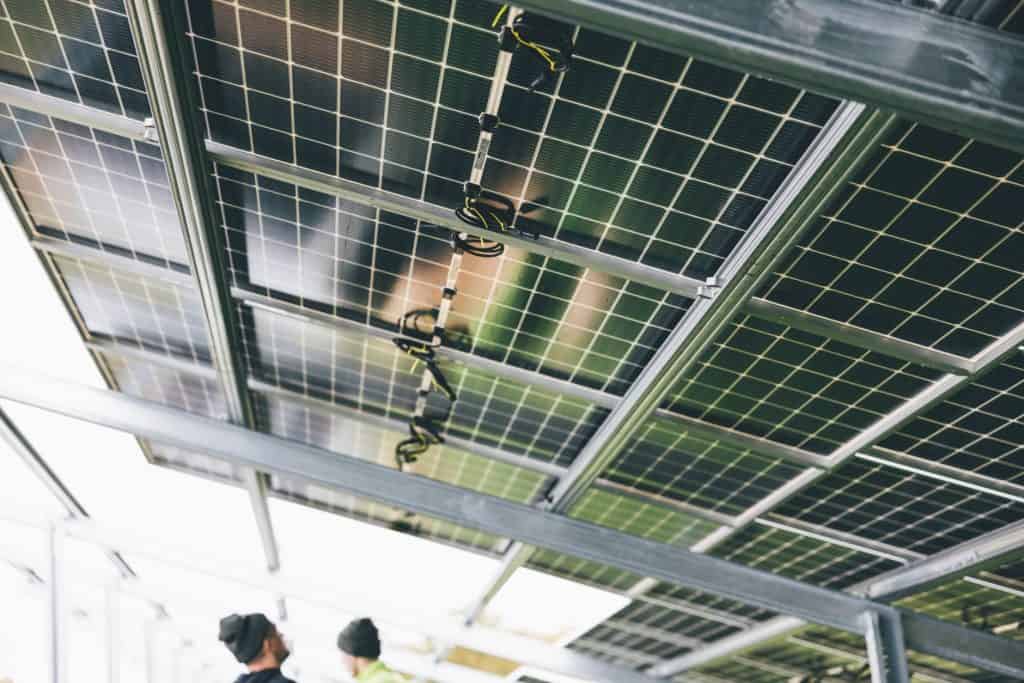
Growing vegetables under solar panels is a breakthrough for the modern organic gardener. This dual-use “Agri-PV” system transforms a standard solar installation into a high-yield vegetable plant.
Why Growing Under Panels Works:
Microclimate Control: The panels act as a partial shade canopy, reducing leaf temperatures. This prevents lettuce from bolting and allows peas to survive much longer into the summer.
Water Efficiency: Shaded soil loses significantly less water to evaporation. Drip irrigation under panels creates a highly efficient, humid environment where cucumbers and squash thrive without the risk of sunscald.
Extended Seasons: The thermal mass of the panels and the protection from frost can extend your harvest window by weeks in both spring and autumn.
Best Crops for Solar-Shaded Rows
| Crop | Benefit Under Panels |
| Leafy Greens | Prevents bitterness and bolting in summer. |
| Beets & Carrots | Keeps soil cool for sweeter, crisper roots. |
| Cucumbers | Filtered light reduces heat stress on vines. |
| Peas | Extends the cool-weather growing window. |
Join the Solar Plus Garden Project
If you want to experience the future of naturally grown production firsthand, the Solar Plus Garden project offers a unique opportunity to own or lease your own agricultural parcel within a professionally managed solar plant.
Get Your Own Agrivoltaic Parcel
Don’t let a small backyard or lack of space stop you from growing professional-grade bio vegetables. By joining Solar Plus Garden, you gain access to:
Premium Growing Conditions: A dedicated parcel optimized with agrivoltaic shading to ensure your vegetables grow bigger and stay fresh longer.
Zero Infrastructure Hassle: We provide the solar-racking environment and professional-grade soil foundation; you just bring the seeds.
Climate-Smart Investment: Support renewable energy while harvesting high-quality, naturally grown food from your own plot.
Community & Expertise: Connect with other farmers and gardeners to share seeds, compost tips, and harvest secrets.
Ready to grow your own slice of nature under the sun?