









Organic Herb Cultivation
Organic herb cultivation blends time-tested growing wisdom with modern ecological practice. This guide introduces how herbs can be grown organically for culinary herbs, medicinal herbs, and value-added products, whether in a herb garden, herb farm, greenhouse production, or herbs in containers. We explore biodiversity, organic matter, compost, and methods approved for organic systems that help a grower and gardener build resilient herb production while supporting local food networks.
Introduction to Organic Herbs
Growing organic means cultivating herb plants without synthetic fertilizer or prohibited inputs, focusing on soil health, weed management, and balanced ecology. Herbs organically thrive when growers prioritize soil health, biodiversity, and compost-based fertility. Organic farmers emphasize compost, organic matter, and biodiversity to reduce pest pressure and produce herb products with integrity that are organic certified and aligned with sustainable herbs program principles.
What are Organic Herbs?
Organic herbs are grown without synthetic pesticides or fertilizers and follow approved organic standards. Herbs are grown with compost-enriched soils, diverse rotations, and careful weed control, avoiding synthetic pesticides. Herbs can be grown in containers, raised beds, or greenhouse production. From rosemary to cilantro and many herbs, the grower nurtures herb plants so that when a herb is harvested, it meets organic certified quality for herb products and local food markets.
Benefits of Growing Herbs Organically
Organic practices protect biodiversity, build living soils, and enhance flavor and phytochemical density. Compost-based fertility improves flavor and phytochemical density in medicinal herbs and culinary herbs. Herb production becomes resilient, supporting domestic herb demand and value-added products. For organic farmers and the gardener, herbs grown organically elevate quality, market trust, and sustainability across herb pharm ventures and herb farm operations.
Overview of Medicinal Herbs
Medicinal herb production depends on proper cultivation, harvest timing, and careful drying for peak potency. Medicinal herbs encompass a wide variety of herbs, from rosemary to cilantro and specialty species detailed in profiles of 50 medicinal herbs, often featured in the edition of the organic medicinal literature such as “the organic medicinal herb farmer.” Herb production for medicine stresses proper cultivation, harvest timing, and drying so each herb is harvested at peak potency. Growers incorporate medicinal plants into raised beds, herbs in containers, or greenhouse production to supply herb products and support sustainable herbs program goals.
Setting Up Your Herb Garden
Establishing an organic herb garden begins with matching site conditions to the herb crop you plan to grow. Whether you manage a small herb garden, a diversified herb farm, or herbs in containers, align light, airflow, and access to water with growing organic priorities. Right plant, right place: match light, airflow, drainage, and water access to each herb. Good placement supports biodiversity, reduces pest issues, and streamlines herb production for high-quality herb products.
Selecting the Right Location
Provide 6+ hours of sun for most culinary herbs; ensure good drainage and easy access to water and compost. Choose a sunny location with six or more hours of light for culinary herbs like rosemary and cilantro, while recognizing some medicinal herbs prefer partial shade. Favor areas with gentle slope and drainage to prevent root rot. Nearness to compost, water, and pathways helps the grower and gardener maintain weeds organically and harvest efficiently for domestic herb needs and local food markets.
Soil Preparation and Organic Matter
Build living soil with mature compost and organic matter; avoid synthetic fertilizers. Healthy herb plants start with living soil rich in organic matter. Incorporate mature compost and well-decomposed plant residues to build structure, water-holding, and aeration for many herbs. Avoid synthetic fertilizer; instead, feed soils with inputs approved for organic. Raised beds help where drainage is poor, and they make it easier to manage weed pressure and keep herb crops clean for organic certified standards.
Choosing the Best Herb Plants
Select organic, vigorous seeds or starts suited to climate and production system. Select a variety of herbs suited to your climate and herb farm goals, balancing culinary herbs and medicinal herbs. Source seeds and starts that are organically produced and approved for organic use. Herbs can be grown from seed, cuttings, or divisions; ensure vigor and disease-free status so each herb is harvested at peak quality. Match rosemary, cilantro, and other herbs to greenhouse production or field conditions as needed.
Techniques for Growing Organic Herbs
Integrate soil-first fertility, efficient irrigation, mulches, and ecological pest control. To grow herbs successfully, integrate watering, nutrients, and ecological controls so herbs are grown resiliently. Emphasize soil-first fertility, timely irrigation, and weed suppression with mulches. Use cultural practices to limit pest outbreaks, and document inputs to remain organic certified. These techniques help a gardener or grower produce consistent herb products and value-added products that support the sustainable herbs program.
Watering and Nutrient Management
Irrigate deeply and infrequently; feed with compost, cover crops, and slow-release organic amendments. Irrigate deeply but infrequently to encourage sturdy roots in herbs organically, tailoring frequency to raised beds or containers. Drip lines reduce leaf wetness and pest risk. Build fertility with compost, cover crops, and slow-release amendments approved for organic rather than synthetic fertilizer. Monitor plant color and growth; adjust feedings so herbs are grown with balanced nutrition for steady herb production and superior flavor.
Integrated Pest Management for Herbs
Prevent first: enhance biodiversity, rotate crops, improve airflow, and intervene only with approved, targeted measures. Prevent pest problems by encouraging biodiversity, rotating a variety of herbs, and spacing to improve airflow. Scout regularly for early signs of pest and disease, handpick when feasible, and use row cover to protect young herb plants. Mulch to suppress weed populations that harbor pests. If needed, apply targeted interventions approved for organic, always prioritizing beneficial insects and ecological balance.
Organic Certified Practices
Keep thorough records and verify all inputs meet organic standards; maintain separation from non-organic crops. Maintain records of seeds, fertility, and pest inputs to meet organic certified requirements. Verify that all materials are approved for organic systems and traceable. Separate organic herb lots from conventional crops during handling so each herb is harvested and processed with integrity. Align your plans with guidance from the edition of the organic medicinal and “the organic medicinal herb farmer,” and consult profiles of 50 medicinal herbs for best practices.
Cultivating Organic Herbs Under Solar Panels
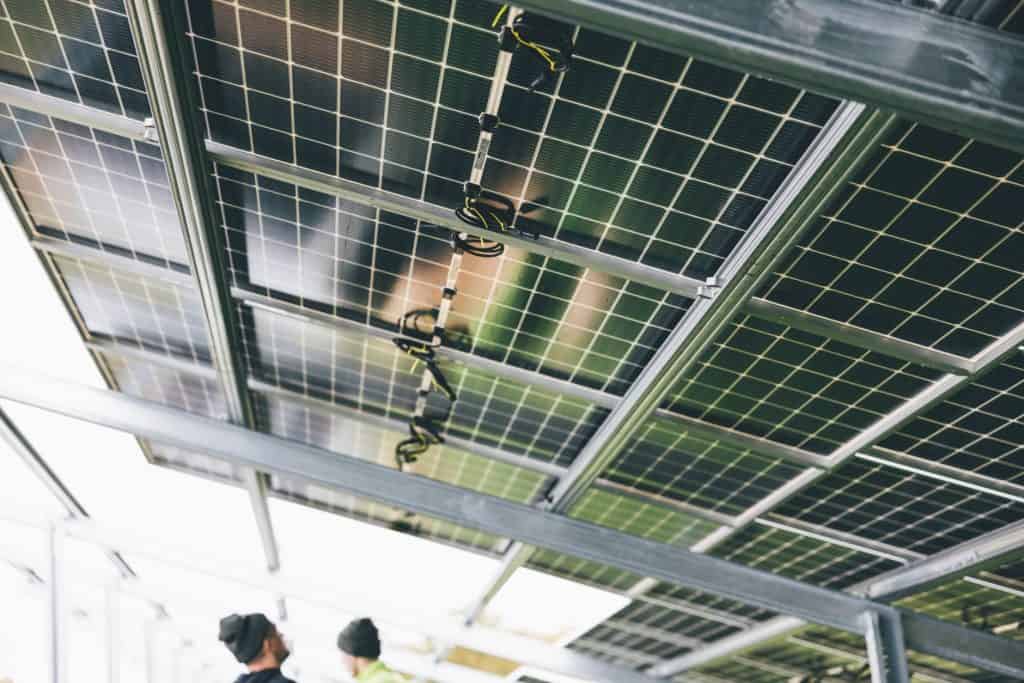
Agrivoltaics provides filtered light and moderated temperatures that reduce water use and heat stress. Herbs can be grown beneath solar panels using agrivoltaics, where panels provide filtered light and moderated temperatures that many herbs appreciate. Partial shade prevents heat stress in rosemary, cilantro, and a variety of herbs, reduces irrigation needs, and protects soil organic matter. This system boosts biodiversity, yields energy, and supports local food through efficient land use on a herb farm.
Why Solar-Shaded Herbs Thrive
Panel shade lowers leaf temperatures and evapotranspiration, stabilizing moisture and limiting pests. Solar panels create a microclimate that lowers leaf temperature and evapotranspiration, helping herbs organically maintain turgor during heat. Drip lines under arrays deliver water precisely for herb plants while mulches manage weed pressure. The moderated environment limits pest flare-ups and preserves soil moisture, improving herb production quality and consistency for herb products and value-added products.
Design and Management Tips Under Panels
Ensure access and light, position beds along drip edges, and document organic practices. Choose panel heights that allow comfortable access for the grower and gardener, ensuring light reaches beds. Arrange raised beds or herbs in containers along drip edges where rain concentrates. Select medicinal herbs and culinary herbs adapted to dappled light. Use compost to build organic matter, keep all inputs approved for organic, and document practices to remain organic certified in this integrated system.
Cultivating Organic Herbs Under Solar Panel Shade
Combining solar power with herb production increases land-use efficiency while improving crop resilience. Agrivoltaics lets a grower combine solar power with an herb farm, creating a shaded microclimate where herbs are grown with steady moisture and moderated heat. Herbs organically benefit as compost-enriched soils keep organic matter cool, weeds are slower, and biodiversity thrives. This approach helps herb production, supports local food, and yields clean energy.
Benefits of Growing Under Solar Panels
Shade reduces irrigation and nutrient needs, protects organic matter, and preserves flavor oils. Under panels, herb plants experience reduced heat stress and evapotranspiration, so herbs can be grown with less irrigation and fertilizer inputs approved for organic. Shade lowers pest flare-ups and protects organic matter. Rosemary, cilantro, and many herbs maintain flavor oils better, supporting high-quality herb products and value-added products for a herb pharm or domestic herb market.
Best Herbs for Solar Panel Cultivation
Choose partial-shade-tolerant herbs that thrive with steady moisture and good drainage. Here are some suitable options and considerations:
- Cilantro, parsley, mint, lemon balm, chives, oregano, and thyme
- Rosemary in dappled light when drainage is strong, especially in raised beds
- Culinary and medicinal herbs that prefer partial shade and consistent moisture
- A variety of medicinal herbs trialed using profiles from 50 medicinal herbs, guided by “The Organic Medicinal Herb Farmer”
These herbs are resilient choices for gardens with partial shade and can be selected based on culinary or medicinal uses.
Tips for Successful Growth in Shade
Place beds along drip lines, use compost, space for airflow, and favor drip irrigation. Arrange raised beds or herbs in containers along panel drip lines, and use compost to enrich soils for herbs organically. Space herb plants to improve airflow and reduce pest risk. Choose drip irrigation, and keep all inputs approved for organic to remain organic certified. A gardener should weed lightly, rotate herb crops, and incorporate medicinal plants that suit filtered light.
Harvesting and Using Your Herbs
Harvest cool, handle gently, and protect oils to preserve quality. Thoughtful harvest and handling ensure each herb is harvested at peak potency and flavor. Whether from a herb garden, greenhouse production, or an agrivoltaic herb farm, plan for clean tools, cool mornings, and quick shade. This protects volatile oils in culinary herbs and medicinal herbs, elevating herb products for local food markets and value-added products.
Best Practices for Harvesting
Harvest after dew dries, cut above nodes, and track lots for organic compliance. Harvest when the dew has dried but temperatures are still cool, clipping above nodes so herbs regrow vigorously. The following points help ensure quality and compliance:
- For rosemary and many herbs, take tender growth; for cilantro, cut before bolting.
- Keep bunches shaded and avoid crushing during handling.
- Track lots to maintain organic certification.
- Document timing so the herb is harvested at peak quality.
Storing and Preserving Herbs
Cool quickly, dry with airflow or dehydrate gently, and store airtight with labels. To keep herbs safe and high-quality, handle them promptly after harvest and choose a suitable preservation method.
- Cool quickly, rinse gently if needed, and dry with airflow to prevent mold and pest issues.
- Dehydrate at low temperatures to preserve aroma in a variety of herbs.
- Freeze pesto-style for culinary herbs.
- Store dried leaves in airtight containers, labeled for traceability approved for organic.
Proper storage supports herb production consistency and extends domestic herb supply.
Using Medicinal Herbs in Everyday Life
Use organically grown herbs for teas, tinctures, and salves, following trusted references. Incorporate medicinal herbs as teas, tinctures, and salves crafted from herbs grown organically. Cilantro, mint, and lemon balm offer daily wellness, while rosemary supports culinary flavor and digestion. Follow guidance from profiles of 50 medicinal herbs and “the organic medicinal herb farmer” to align with the sustainable herbs program, ensuring herb products meet organic certified expectations for the gardener and grower alike.
The Agrivoltaic Advantage: Herbs and Solar Energy
One of the most exciting innovations in modern herb farming is agrivoltaics—the practice of growing crops beneath solar panels. This dual-use system creates a “beneficial microclimate” that is particularly effective for organic herb cultivation:
Filtered Light: Many herbs, especially leafy ones like cilantro, mint, and parsley, evolved as woodland understory plants. The dappled light under solar panels prevents leaf scorch and bolting (going to seed prematurely).
Water Conservation: Shade reduces soil evaporation by up to 30%, keeping organic matter moist and reducing the need for intensive irrigation.
Temperature Stability: Panels act as a buffer, keeping plants cooler during summer heatwaves and trapping a small amount of ground heat during cool nights to extend the growing season.
Phytochemical Density: Research suggests that moderated stress levels in shaded environments can actually increase the essential oil content in herbs like oregano and lemon balm, enhancing their medicinal and culinary value.
Best Herbs for Solar Cultivation
| Herb Category | Examples | Benefits Under Panels |
| Culinary Staples | Cilantro, Parsley, Chives | Reduced bolting; more tender leaves. |
| Aromatic Mint Family | Mint, Lemon Balm, Oregano | Higher essential oil retention; fewer “burnt” leaves. |
| Medicinal Gems | Valerian, Calendula, Echinacea | Consistent moisture for roots; protected blooms. |
| Hardy Perennials | Thyme, Rosemary (raised beds) | Protection from extreme weather like hail or frost. |
Join the Solar Plus Garden Project
Are you ready to grow your own apothecary while contributing to a cleaner planet? The Solar Plus Garden project is designed to bridge the gap between renewable energy and local food security by offering individuals their own dedicated growing space within a professional solar plant.
Secure Your Own Herb Parcel
With a parcel at Solar Plus Garden, you don’t just get a plot of land; you get a high-tech, eco-friendly environment optimized for natural success.
Your Own Growing Space: Get a dedicated parcel beneath our advanced solar arrays, perfectly suited for a variety of naturally grown herbs and vegetables.
Hassle-Free Infrastructure: We provide the solar-shaded environment, professional-grade soil amendments, and drip irrigation pathways—you provide the seeds and the passion.
Sustainable Community: Join a network of growers committed to the “Sustainable Herbs Program” and local food resilience.
Integrity: All parcels are managed under strict gardening standards, ensuring your harvest is as clean as the energy produced above it.
Start Your Harvest Today
Whether you want to blend your own medicinal teas or supply local markets with fresh-cut rosemary and cilantro, Solar Plus Garden is your partner in agrivoltaic excellence.