
What Is Agrivoltaics?
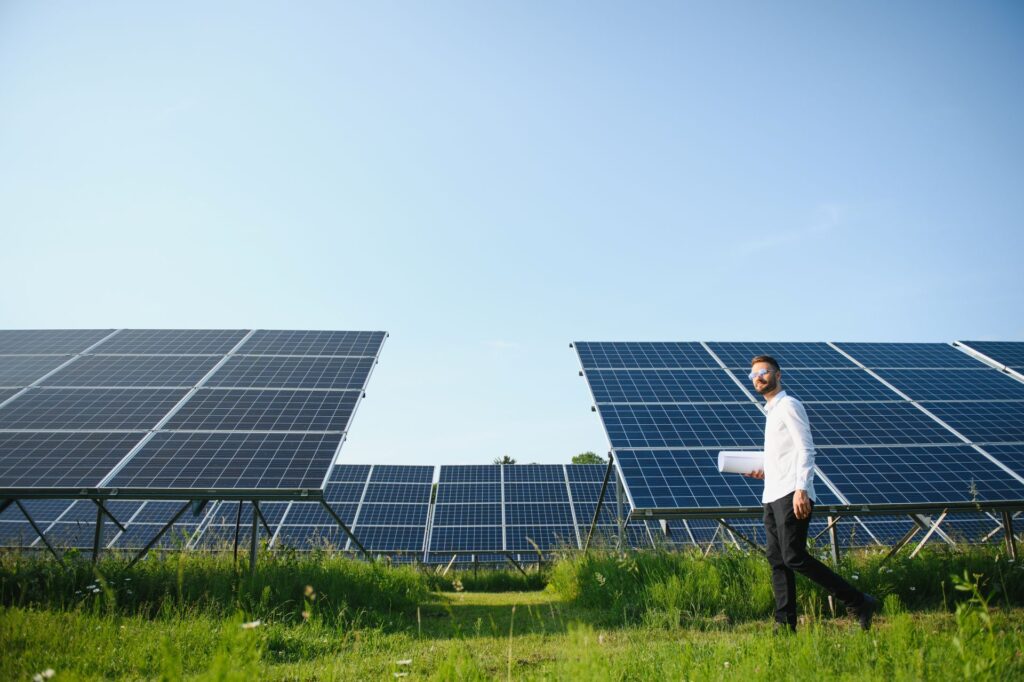
Agrivoltaics blends agriculture and solar energy on the same land to deliver food and energy production together. This introduction to agrivoltaics explains how solar panels and crop production can share land use, how photovoltaic systems influence microclimate, and why clean energy paired with agriculture offers mutual benefits for landowners and communities.
Understanding Agrivoltaics
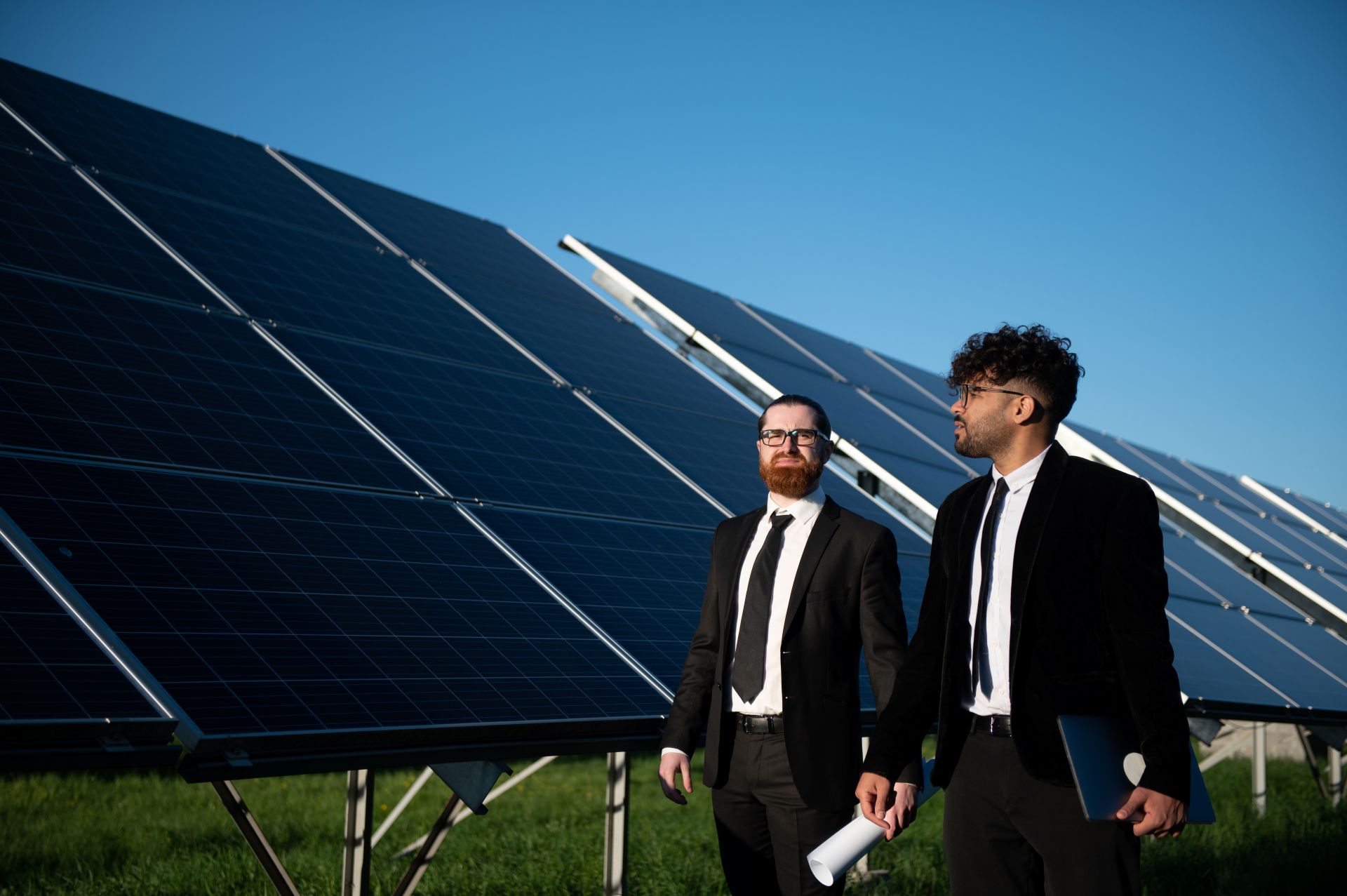
Agrivoltaics aligns agriculture and solar energy production by positioning solar photovoltaic panels so crops, pollinator habitat, or livestock can thrive beneath solar panels. This approach optimizes land use while expanding renewable energy and diversifying farm income. By integrating agriculture and solar energy, farmers enhance agricultural production and diversify income, and solar developers gain resilient solar sites that support local food and energy systems simultaneously.
Definition and Concept
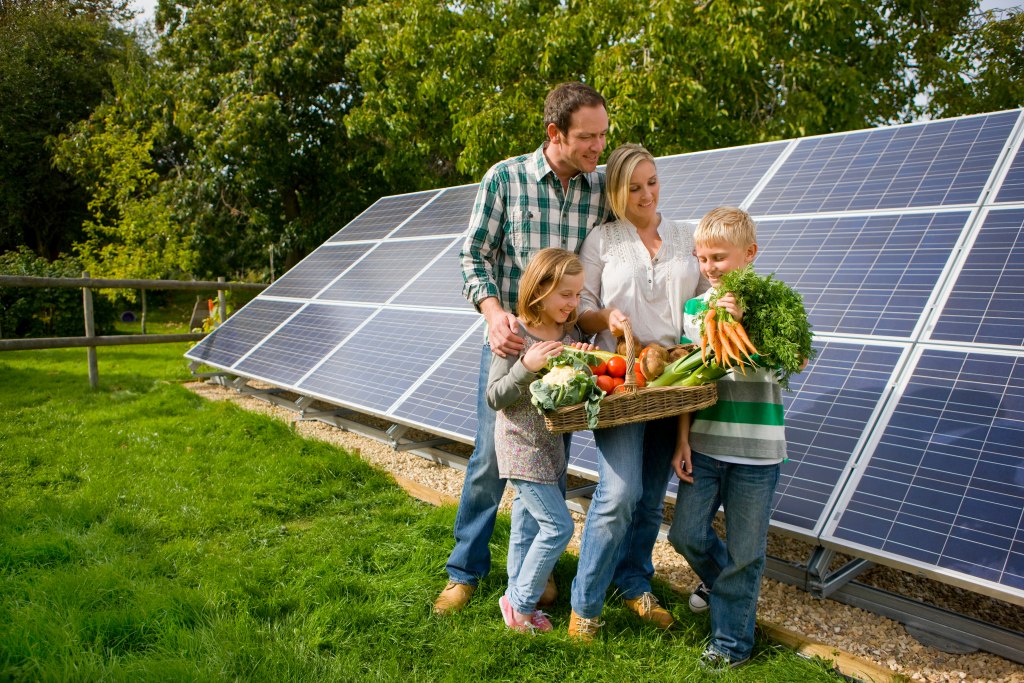
An agrivoltaic system co-locates photovoltaic systems with agriculture to enable crop production, pollinators, or livestock grazing within a solar array. The concept balances energy generation and agricultural benefits through elevated solar pv structures, thoughtful spacing, and light management. Agrivoltaics research shows agrivoltaic designs can reduce heat stress, support graze rotations, and create pollinator habitat, strengthening both food and energy outcomes.
How Agrivoltaics Works
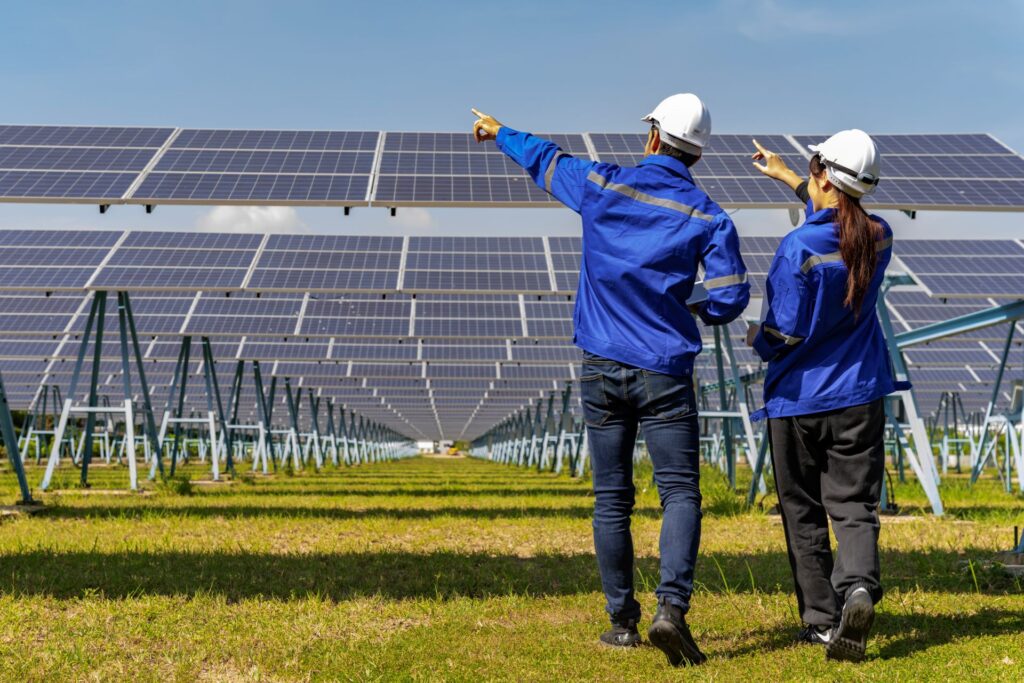
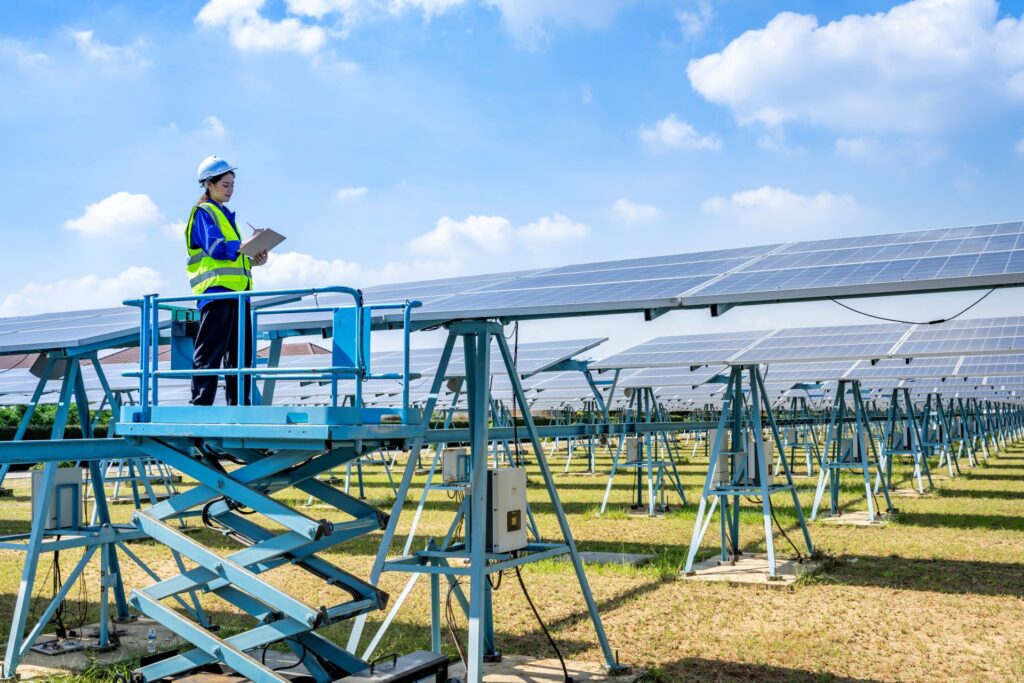
Agrivoltaic systems use solar photovoltaic panels mounted to allow equipment access and sunlight diffusion over crops. The pv system shapes microclimate, reducing evaporation and moderating temperature while producing electricity. Farmers can graze livestock, seed pollinator species, or cultivate shade-tolerant crops beneath solar panels while generating power. Solar developers coordinate with landowners to align solar development with agricultural operations.
Importance in Climate Change Mitigation
Agrivoltaics increases renewable energy while preserving farmland, displacing fossil fuels and buffering crops against heat and drought. By integrating food and energy, agrivoltaics strengthens local energy systems and supports adaptive agriculture under shifting climate conditions.
Agricultural Benefits of Agrivoltaics
Key benefits: stabilized yields, diversified revenue, and improved land-use efficiency.
Crops grown beneath solar PV may experience reduced heat stress and improved water-use efficiency. Livestock grazing under solar arrays lowers vegetation management costs. Pollinator habitat within solar sites enhances nearby crop yields, while agrivoltaics project designs maintain access for farm equipment and seasonal rotations.
| Practice/Feature | Observed/Expected Benefit |
|---|---|
| Crops beneath solar PV | Reduced heat stress; improved water-use efficiency |
| Livestock grazing under arrays | Lower vegetation management costs |
| Pollinator habitat within sites | Enhanced nearby crop yields |
| Agrivoltaics project design | Maintains access for equipment and seasonal rotations |
Enhancing Crop Yields
Partial shading can improve or stabilize yields for certain crops by reducing heat and radiation stress. Shade-tolerant crops may maintain photosynthesis longer on hot days, supporting higher or more stable yields. With careful agrivoltaic layout, row orientation, and solar array height, farmers optimize light distribution and airflow, improving crop performance while sustaining robust solar energy production.
Water Conservation in Agrivoltaics
Cooler soils and reduced wind beneath panels lower evapotranspiration, cutting irrigation needs and boosting drought resilience. Agrivoltaic systems often require less irrigation, extending limited supplies and enhancing drought resilience. Rain redistribution from panel drip lines can be harnessed for targeted moisture. This integration helps agriculture and solar energy thrive together, cutting pumping energy and supporting sustainable pv system operations on water-stressed agricultural land.
Improvement of Soil Health
Ground cover, pollinator habitat, and managed grazing improve soil structure, organic matter, and biodiversity. Pollinator habitat between rows builds soil organic matter and supports beneficial insects. Managed livestock grazing in solar farms cycles nutrients, while moderated temperatures beneath solar panels protect soil biota. These practices strengthen the agroecosystem, supporting long-term agricultural benefits alongside reliable solar energy generation.
Best Plants for Agrivoltaic Systems
Selecting crops for agrivoltaics hinges on light needs, canopy height, and compatibility with solar panels and farm equipment. The goal is balanced solar energy production and crop production on agricultural land. Leafy greens, forage, berries, and pollinator mixes often thrive beneath or between panels when matched to site conditions. Matching agriculture and solar energy production preserves land use value and stabilizes agricultural production.
Shade-Tolerant Crops
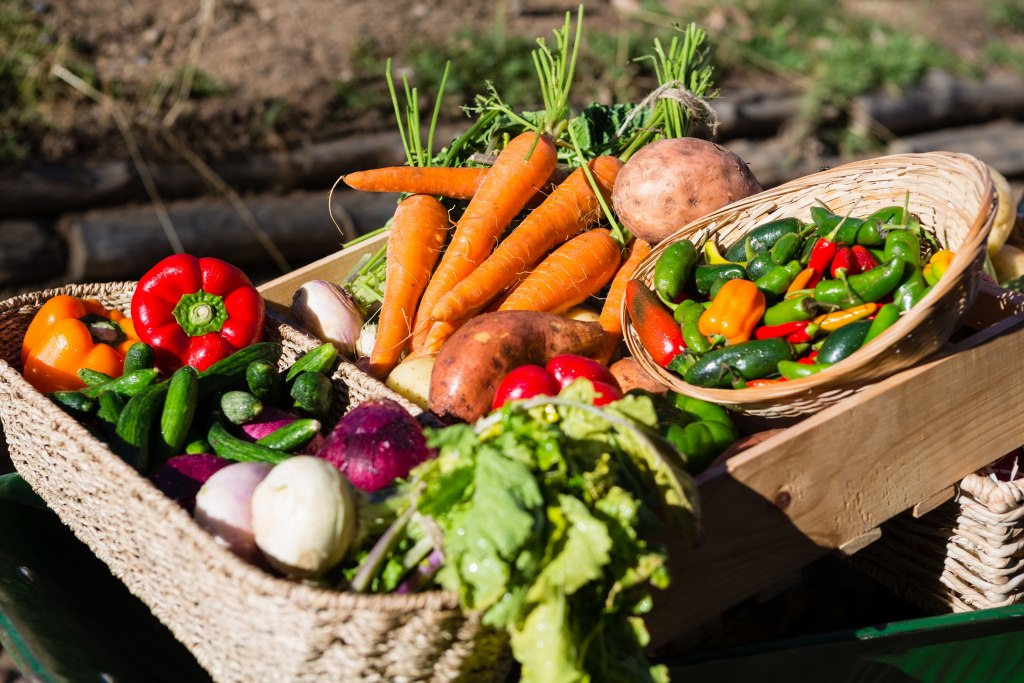
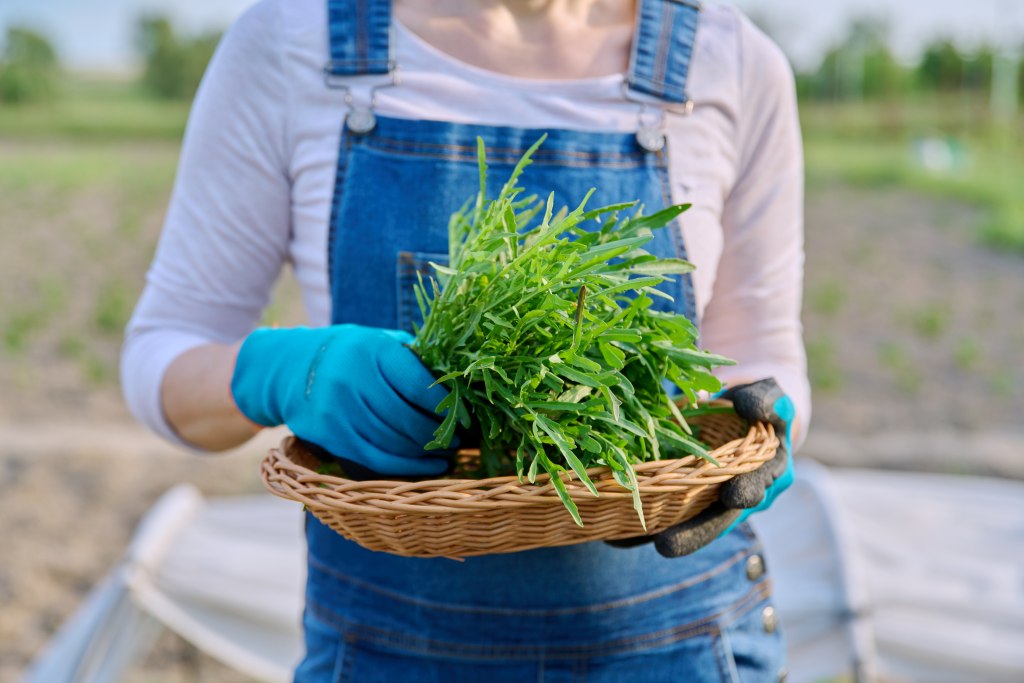
Lettuce, spinach, kale, chard, herbs, berries, and forage grasses/clover perform well in partial shade under solar arrays. Lettuce, spinach, kale, chard, cilantro, and basil maintain photosynthesis with reduced heat stress in agrivoltaics. Strawberries, blackberries, and raspberries handle partial shade under a solar array. Forage grasses and clover for livestock grazing perform reliably in solar grazing systems. Pollinator habitat mixes of native flowers support bees, improving nearby agriculture and solar energy synergies.
| Category | Examples / Notes |
|---|---|
| Leafy greens and herbs | Lettuce, spinach, kale, chard, cilantro, basil; maintain photosynthesis with reduced heat stress |
| Berries | Strawberries, blackberries, raspberries; handle partial shade under a solar array |
| Forage for grazing | Forage grasses and clover; perform reliably in solar grazing systems |
| Pollinator habitat | Native flower mixes support bees and enhance agriculture–solar synergies |
Annual vs. Perennial Plants
Annuals enable flexible rotations and trials; perennials stabilize soil and suit grazing and low-disturbance management. Quick-maturing greens, peas, beans, and brassicas adapt well beneath solar photovoltaic arrays. Perennial plants like berries, herbs, and forage perennials stabilize soil and reduce disturbance around PV system posts. Perennials also complement livestock, allowing graze cycles and pollinator habitat continuity, while annuals let landowners refine light-sharing agrivoltaic designs each season.
| Plant Type | Key Benefits |
|---|---|
| Annuals (greens, peas, beans, brassicas) | Flexible rotations and trials; adapt well under PV arrays; enable seasonal refinement of light-sharing agrivoltaic designs |
| Perennials (berries, herbs, forage perennials) | Stabilize soil and reduce disturbance near PV posts; suit grazing; support graze cycles and pollinator habitat continuity |
Case Studies of Successful Cultivation
Real-world projects show stable energy generation alongside strong crop performance and water savings. At Jack’s Solar Garden, agrivoltaics research demonstrates lettuce, kale, and peppers thriving beneath solar systems with improved water efficiency. Research projects in Europe show berries and pasture maintaining yields under photovoltaic systems while supporting livestock. U.S. solar farm pilots integrate pollinator habitat to boost nearby crop pollination. These solar sites illustrate mutual benefits: stable energy generation, robust agriculture, and resilient food and energy production on shared agricultural land.
Research and Innovations in Agrivoltaics
New agrivoltaics research explores microclimate control, panel spacing, and crop responses to light spectra on agricultural land. Integrated solar and agriculture designs use elevated photovoltaic structures to balance energy production and plant growth. Innovations focus on maximizing clean energy without sacrificing agricultural productivity or flexibility. Researchers compare solar garden layouts, measure evapotranspiration beneath solar panels, and refine agrivoltaics systems for livestock grazing and pollinator habitat. The innovations aim to maximize clean energy without sacrificing agricultural production or land use flexibility.
Current Trends in Agrivoltaics Research
Trends: dynamic light management, bifacial modules, precision sensors, and economic models for dual-use sites. Studies quantify water savings and yield stability under pv compared to open fields. Agrivoltaics research also models economics for landowners, blending renewable energy revenues with crop margins. There is rising interest in solar grazing logistics, pollinator corridors across solar installations, and multi-crop rotations tailored to agriculture and solar energy constraints.
Technological Advances in Solar Photovoltaic Systems
Taller racking, tracking, and bifacial panels improve energy output while enabling better crop conditions and equipment access. Bifacial photovoltaic panels harvest albedo from groundcovers, improving energy generation while allowing diffuse light beneath solar panels. Robust cabling and wider row spacing improve equipment access for agriculture. Smart pv system controls integrate weather forecasts, optimizing solar energy production and protecting crops during heat waves, enhancing the benefits of agrivoltaics.
Future Directions for Agrivoltaics
Expect standardized guidelines, crop-specific designs, and scalable mechanization for dual-use solar. Future agrivoltaic directions target crop-specific spectra tuning, agronomic models for planting density under solar systems, and mechanization compatible with racking. Expect standardized agrivoltaics project guidelines for solar developers and landowners, plus seed mixes balancing forage and pollinator needs. Large-scale solar will pilot regional crop portfolios, while distributed solar garden sites test community-supported agriculture and solar grazing, advancing food and energy systems that deliver enduring mutual benefits.
Land Use and Sustainability
Agrivoltaics delivers dual outcomes—agricultural production and solar energy—on the same land, reducing farmland fragmentation. An agrivoltaic layout elevates solar photovoltaic panels to retain crop access, protect soils, and sustain pollinator habitat, while the pv system delivers clean energy. This introduction to agrivoltaics shows how solar and agriculture share infrastructure, reduce fragmentation of farmland, and turn solar sites into resilient food and energy production landscapes.
Maximizing Land Efficiency
Thoughtful panel spacing, crop selection, and equipment corridors unlock higher combined returns per acre. By co-locating agriculture and solar energy, the same use of land supports energy production and crop production, improving returns for the landowner. Elevated solar pv, bifacial photovoltaic designs, and adaptive solar array heights maintain airflow and light for crops beneath solar panels, while livestock grazing and solar grazing reduce vegetation management costs.
Impact on Biodiversity
Pollinator habitat, native plantings, and reduced tillage enhance biodiversity and ecosystem services at solar sites. Under a solar array, moderated microclimate and reduced tillage support soil biota and beneficial insects. Pollinator corridors across solar installations connect habitats, aiding crop pollination on adjacent farms. Agrivoltaics research shows diversified understories in solar sites benefit birds and invertebrates, while livestock grazing regimes can be timed to protect flowering cycles and ground-nesting species.
Regulatory Considerations
Supportive zoning and clear standards that recognize dual-use enable agrivoltaic adoption. Regulatory considerations for agrivoltaic systems include zoning for agricultural land, interconnection rules, and definitions that recognize agriculture and solar energy production together. Clear standards for solar development can require pollinator habitat, decommissioning plans, and access for farm equipment. Policies that classify agrivoltaic operations as agricultural production help landowners retain tax status. Solar developers should document crop yields, livestock grazing plans, and soil protections to demonstrate mutual benefits and community alignment.
Conclusion: The Future of Agrivoltaics
Agrivoltaics can scale clean energy and resilient agriculture together, preserving land use while improving climate resilience. As large-scale solar and solar garden projects expand, agrivoltaic project design will refine photovoltaic spacing, crop portfolios, and pv system controls. From Jack’s Solar Garden to research projects abroad, evidence shows agriculture and solar energy production can scale together, preserving land use while delivering clean energy and resilient crop outcomes.
Integration of Clean Energy in Agriculture
Solar PV and crops function as one system—reducing irrigation, powering farms, and enhancing yields and habitats. Agrivoltaic practices use solar pv to shade heat-sensitive crop species, reduce irrigation, and power farm loads. Livestock can graze under solar systems, and pollinator plantings boost nearby crop performance. This agriculture and solar energy integration transforms solar farm footprints into productive agroecosystems, strengthening local energy generation while sustaining long-term agricultural benefits on the same acreage.
Potential for Renewable Energy Growth
Agrivoltaics unlocks more sites for solar without displacing crops, accelerating renewable deployment near demand centers. Scalable agrivoltaics systems, standardized racking, and supportive policy lower barriers for solar development. With photovoltaic and pv system advances, solar energy production rises while maintaining biodiversity and soil health. The model accelerates energy generation near demand centers, reduces grid losses, and aligns landowner incentives with resilient food and energy co-production.
Final Thoughts on Agrivoltaics
When designed well, agrivoltaics delivers mutual benefits: efficient land use, reliable clean energy, and thriving farms and habitats. By prioritizing land use efficiency, crop compatibility, and pollinator habitat, agrivoltaic systems enhance agricultural production and clean energy output. Continued agrivoltaics research, collaboration with solar developers, and transparent monitoring at solar sites will refine practices. The result is a durable energy system where photovoltaic systems support thriving farms, livestock, and communities beneath solar panels.
Join the Green Revolution at Solar Plus Garden
The future of farming is here, and you can be a part of it. At Solar Plus Garden, we are turning the concept of agrivoltaics into a reality for everyone. Why choose between renewable energy and fresh, organic food when you can have both?
By integrating state-of-the-art solar arrays with sustainable farming practices, we’ve created a unique ecosystem where technology and nature work in harmony. Now, we are inviting you to step into the field.
Get Your Own Solar-Powered Garden Parcel
Ready to grow your own food in the shade of clean energy? Whether you are a seasoned gardener or a beginner looking for a sustainable way to produce organic vegetables, we have the perfect space for you.
- Premium Growing Conditions: Benefit from the moderated microclimate and water-saving benefits of our agrivoltaic arrays.
- Sustainability at Heart: Your plants grow while the panels above produce clean electricity for the community.
- Organic Focus: We provide the ideal environment for chemical-free, nutrient-dense produce.
Start Growing Today
Don’t miss your chance to be at the forefront of the agricultural energy transition. Secure your parcel and start harvesting the benefits of the sun—both for power and for plates.
Visit our website to reserve your plot: 👉 solarplusgarden.com