Hoppa till innehåll






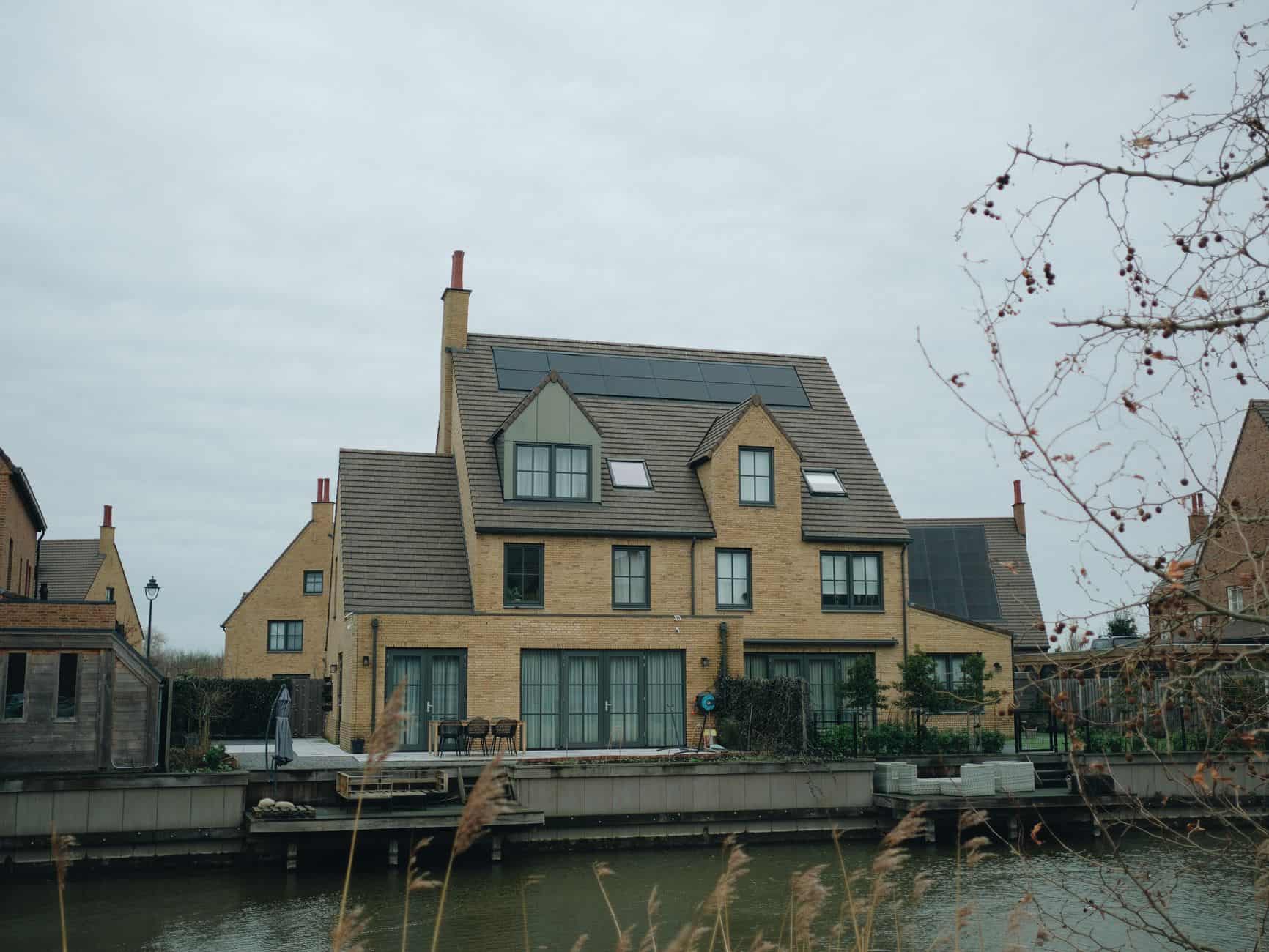
Solar for Rental Property: Options and Considerations for Landlords and Tenants
How Ownership and Control Influence Solar Installation on Rental Properties
Ownership and control of solar panel systems directly determine the viability and process of installing solar power on rental properties. The primary distinction lies between landlord-owned and tenant-owned solar systems, each carrying different operational, legal, and financial implications.
Landlord-Owned Solar Systems: Landlords typically own and install solar panels affixed to the rental home’s rooftop or structure. This arrangement requires landlord consent governed by lease agreements or addenda defining installation scope, maintenance duties, insurance obligations, and allocation of energy cost savings or revenue. Landlords also retain eligibility for investment tax credit (ITC) benefits, which under current U.S. federal law provide a 30% tax credit on qualified solar installation costs before scheduled stepdowns post-2026.
Tenant-Owned Solar Systems: Tenants rarely have rights to structurally modify rental rooftops but can utilize portable solar panel kits that avoid permanent installation. Additionally, tenants may engage in power purchase agreements (PPAs) or subscribe to community solar programs, securing solar power access without owning physical panels. Under PPAs, tenants purchase solar-generated electricity at negotiated rates from third-party owners, often below utility prices.
The type of rental property affects solar opportunities. Single-family rental homes generally facilitate landlord-installed solar due to simpler ownership and user structures, with installation timelines typically between 4 and 8 weeks (covering site survey, permitting, and system commissioning). Multifamily rental properties, such as apartment buildings, present challenges in shared rooftop access, multiple lease agreements, and compliance with local regulations governing common areas, requiring tailored legal frameworks and coordination among tenants and owners.
Typical landlord consent process for installing solar panels on rental homes:
- Tenant or representative submits a detailed solar installation proposal including equipment specifications, installer credentials, and projected energy production.
- Landlord commissions a structural assessment conducted by a certified engineer to evaluate roof load capacity and system impact.
- Negotiation of terms covering installation timeline, maintenance responsibilities, liability coverage, and revenue sharing or rent adjustment mechanisms.
- Formal written consent issued, typically incorporated as an addendum to the existing lease or a separate solar access agreement.
- Installer obtains all relevant permits, submitting landlord approval documentation to municipal authorities as required.
Adhering to this process ensures compliance with local building codes, structural safety standards (such as the International Building Code sections relevant to photovoltaic installations), and clear delineation of responsibilities.
Solar Installation Options Suitable for Rental Properties
Solar panel installations on rental properties vary according to ownership rights, location, and tenant preferences. The primary options include fixed rooftop solar systems, portable solar panel kits, and community solar participation, allowing different levels of physical installation and investment.
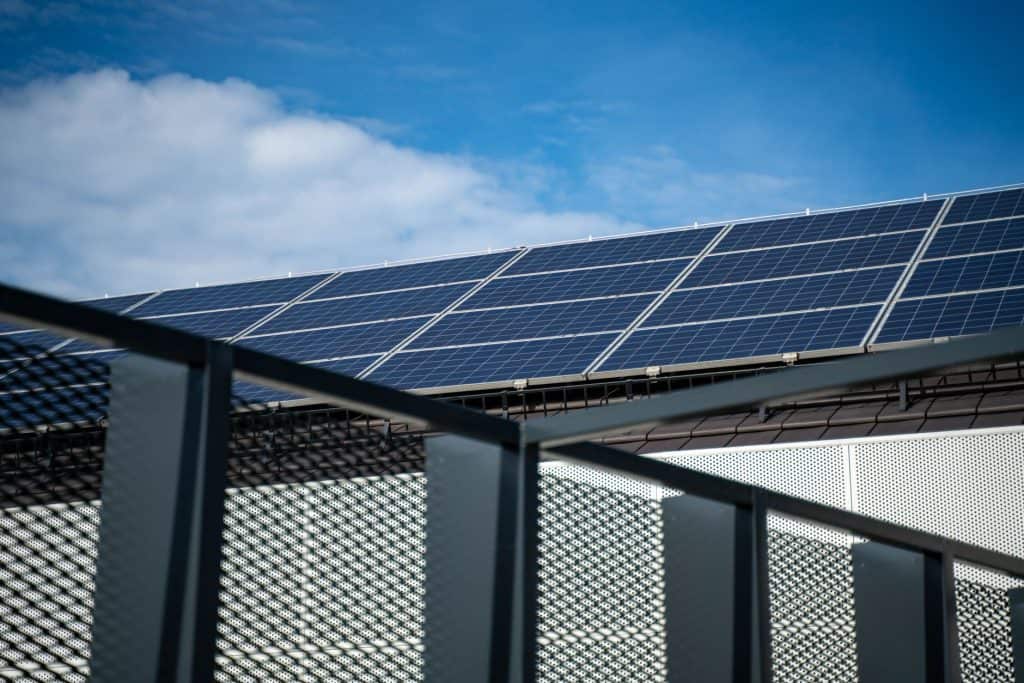
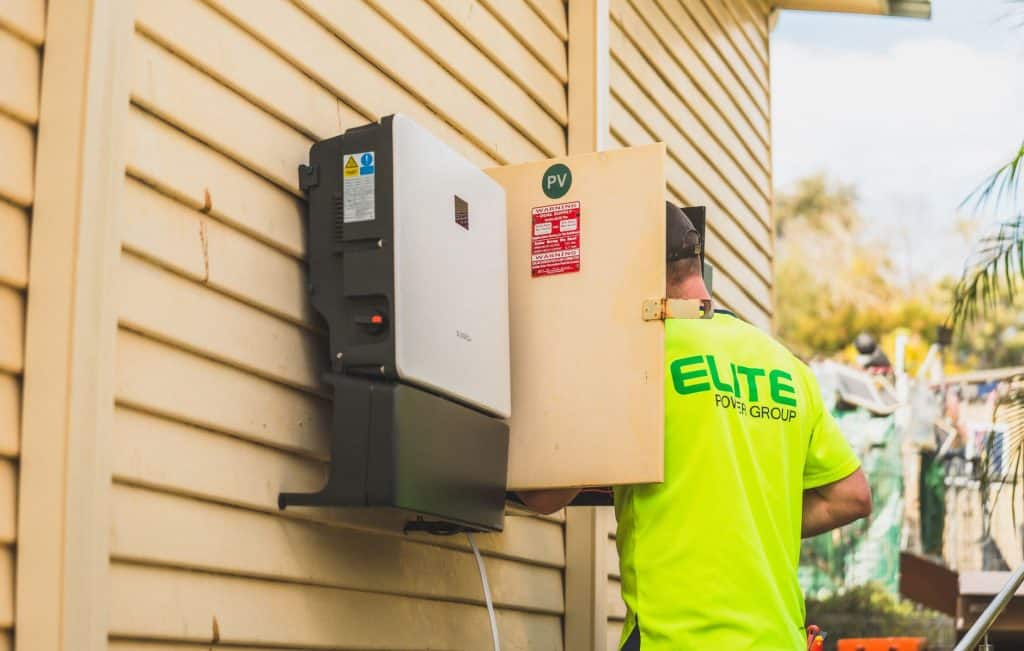
Fixed Rooftop Solar Systems: These involve permanent installation of solar panels, typically monocrystalline photovoltaic modules recognized for efficiencies exceeding 20% and long-term durability. The installation process generally spans 4 to 8 weeks, encompassing site evaluation, structural assessment, application for electrical and building permits, equipment procurement, and final system commissioning. String inverters or microinverters with monitoring capabilities are standard components to optimize energy yield and system diagnostics.
Portable Solar Panel Kits: Portable solar devices provide flexible solutions for tenants or landlords unable or unwilling to install fixed systems. These kits typically include lightweight, foldable photovoltaic panels coupled with integrated lithium-ion battery storage and DC-AC inverters for immediate electricity use. Lead times for these kits range from 1 to 3 days for delivery and setup, with no permitting necessary since they require no structural modifications. They support loads such as charging devices, running small appliances, or emergency backup power.
Community Solar Programs: Community solar allows renters to buy or lease a share of a remotely located solcellspark, receiving energy credits proportional to their subscription. This model circumvents the need for on-site solar devices and landlord approval. Participants typically pay monthly membership fees ranging from around €15 to €30, receiving utility bill credits reflecting 50 to 150 kWh of solar generation per month, depending on subscription size. Community solar contracts often span from 1 to 20 years, with flexibility to opt-in or transfer subscriptions based on provider policies.
Power Purchase Agreements (PPAs): PPAs allow landlords or tenants to procure solar power without upfront capital expenditure. A third-party developer installs and maintains the solar panel system, with the site owner or tenant purchasing electricity at pre-negotiated rates under a long-term contract (usually 10–25 years). This structure shifts performance risk to the third-party while delivering operational savings compared to utility tariffs.
| Option | Typical Lead Time | Hardware Type |
|---|---|---|
| Fixed Rooftop Solar System | 4–8 weeks (Includes site survey, structural assessment, permitting, installation) | Monocrystalline panels on fixed racks; string or microinverters |
| Portable Solar Panel Kits | 1–3 days (Ordering and minimal setup) | Modular foldable panels with integrated battery/inverter |
| Community Solar | Immediate subscription after application and approval | No on-site hardware; remote solar farm participation |
Financial Incentives and Tax Credits for Solar on Rental Properties
Financial incentives critically influence landlords’ and tenants’ decisions to install solar panels or participate in solar projects on rental properties. The investment tax credit (ITC) is the primary federal incentive, offering a 30% credit on eligible solar installation expenses for qualifying property owners. This credit is currently scheduled for stepwise reductions after 2026, necessitating timely project deployment.
Eligibility Criteria for ITC: The ITC applies to property owners who own or lease solar energy devices installed on rental properties. Tenants generally cannot directly claim the ITC unless they are involved in arrangements such as PPAs that may confer indirect benefits. In some jurisdictions, landlords treating rental properties as commercial or mixed-use for tax purposes may use accelerated depreciation (Modified Accelerated Cost Recovery System – MACRS) alongside the ITC to improve investment cash flows.
Variations by Residence Classification: Residential solar installations for single-family rental homes qualify under residential incentive programs, whereas multifamily rental properties often straddle residential-commercial classifications, influencing eligibility for energy credits and rebate programs. Geographic location further modifies incentive availability; for example, some U.S. states and municipalities provide supplemental rebates or performance-based incentives to complement the federal ITC.
Impact on Payback Timelines: Utilizing the 30% ITC typically shortens project payback periods by several years compared to unsubsidized installations. Additional state or local incentives can reduce upfront costs or operational expenses, further enhancing financial viability. Landlords incorporating these incentives into property valuation can offer more competitive rental pricing or benefit from increased asset appreciation.
- Federal Investment Tax Credit (ITC): 30% of eligible system costs (subject to legislative updates post-2026)
- Potential state and municipal rebates, including performance-based incentives and tax abatements
- Accelerated depreciation (MACRS) benefits available for commercial-class rental properties owned by landlords
Impact of Solar on Rental Property Value and Tenant Relations
Solar panel installations on rental properties affect both asset valuation and tenant satisfaction metrics. Industry data from appraisals indicate residential properties with solar panels typically experience a market value increase between 3% and 7%, accounting for energy cost savings and buyer demand for energy-efficient housing. This uplift supports landlords in asset management and rent setting.
Tenant Energy Savings: Access to solar-generated electricity onsite or through community solar reduces tenants’ monthly energy expenses. Transparent lease agreements clarifying how energy savings translate to rent adjustments or bill credits are essential to prevent disputes. For example, net metering policies under local utilities often credits landlords or tenants for excess solar generation, necessitating explicit contractual arrangements on credit utilization.
Community Membership Models: Integrated models such as Solar Plus Garden combine solar power investment with agricultural community benefits. Their Trädgårdsmedlemskap scheme includes a one-time €200 membership fee supporting solar projects and an optional €20/month Trädgårdslåda subscription delivering fresh local produce. Such community solar frameworks enhance tenant engagement by extending benefits beyond energy savings, fostering long-term tenant retention and positive landlord-tenant relations.
Installation Process and Maintenance Responsibilities in Rental Properties
Installing solar panels on rental homes follows a structured multi-step process to assign responsibilities and comply with regulatory requirements:
- Approval Stage: Obtain landlord authorization and complete a structural integrity assessment per local building codes to ensure roof suitability for panel load (typically assessed by a Professional Engineer or certified solar installer).
- Permitting Phase: File applications for electrical permits, building permits, and, if applicable, net metering agreements with utility companies. Permit timelines vary by jurisdiction but generally range from 1 to 4 weeks.
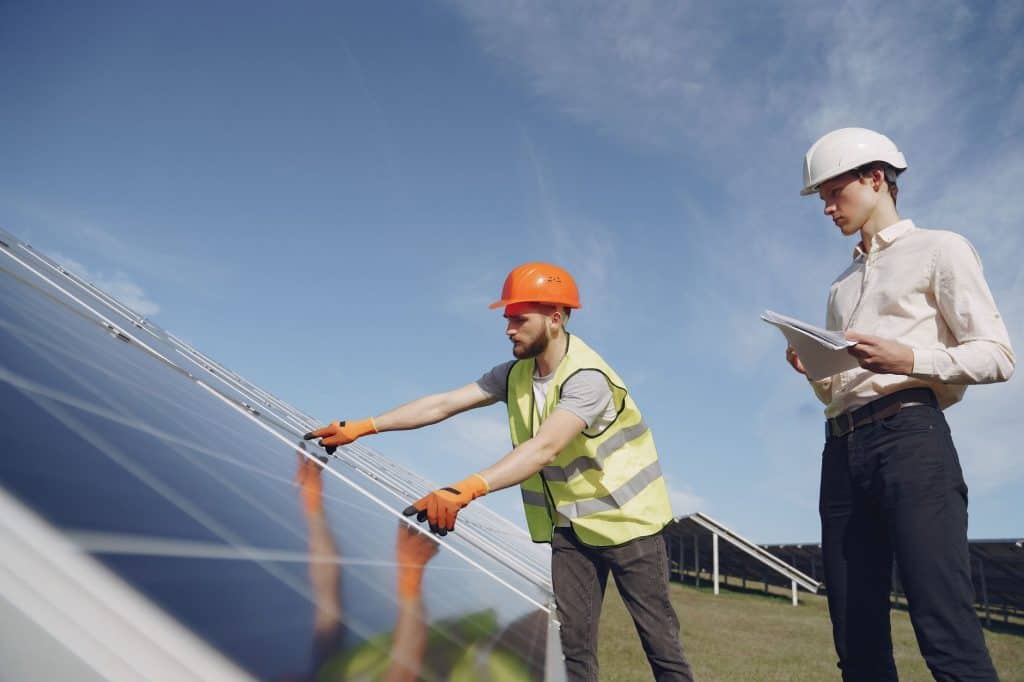
- Installation Scheduling: Coordinate contractor availability, equipment delivery based on lead times (4 to 8 weeks for fixed systems), and execute installation, including panel mounting, wiring, inverter installation, and system testing.
- Inspection and Commissioning: Municipal or utility inspections verify code compliance before the system is energized and interconnected with the grid.
The full timeframe from landlord consent to operational system typically runs 6 to 10 weeks depending on local permitting efficiency and project complexity.
Maintenance Responsibilities:
- Landlord Obligations: Maintain roof integrity and solar system components covered under manufacturers’ warranties—commonly 25 years for panel performance and 10 years on inverters or equipment defects—to ensure safety and optimal energy output. The landlord must also maintain appropriate insurance coverage for solar installations.
- Tenant Duties: Report any observed system malfunctions or damage promptly and avoid damage or interference with solar components. Tenant cooperation supports system longevity and uninterrupted energy provision.
Comparing On-Site Solar Versus Community Solar for Rental Situations
Deciding between fixed on-site solar panels and community solar participation depends on financial, logistical, and regulatory factors specific to rental properties.
Advantages of Community Solar Programs:
- Bypass the need for landlord approval and structural modifications required for rooftop solar panel installation.
- No upfront capital expenditure or maintenance responsibility for participants.
- Flexibility through subscription-based models with membership fees typically between €15 and €30 monthly.
- Subscribers receive energy credits that reduce electricity bills proportionally to their share of the solar farm’s generation, generally between 50 and 150 kWh per month.
Limitations of On-Site Solar:
- In multifamily rental homes, access to rooftops and shared systems complicates installation and requires coordination among multiple stakeholders.
- Installation relies on landlord consent which may delay or prevent deployment.
- Upfront installation costs and maintenance largely remain landlord responsibilities, affecting investment decisions.
| Cost Element | Typical Monthly Fee | Estimated Energy Credits |
|---|---|---|
| Community Solar Membership | €15–€30 | 50–150 kWh equivalent solar power credits per month |
This pricing and energy credit structure make community solar programs viable and accessible for rental property occupants aiming to go solar without the challenges of installation.
How Solar Plus Garden Connects Rental Property Investment with Community Benefits
Solar Plus Garden integrates solar power investment for rental properties with a community-centric agrivoltaic approach, employing a dual corporate structure and Garden membership concept.
Corporate Structure:
- Estonian OÜ: Acts as the principal investment entity owning and managing the solar farm. Registered in Estonia, it oversees the clean energy asset and returns to investors.
- Serbian DOO: Operates the Garden community separately, exclusively managing agrivoltaic activities such as community gardens and local produce distribution.
The Garden membership requires a €200 one-time fee, granting community access funded through solar project revenues. Members may additionally subscribe to an optional €20/month Garden box, delivering fresh local agricultural products during 18 seasonal deliveries per year. The community is capped at 3,000 members to maintain sustainability and exclusivity.
This model provides dual benefits for rental property investors and community members:
- Stable financial returns from solar power investments managed under transparent, legal frameworks designed for long-term sustainability.
- Regular access to fresh, regionally produced food, enhancing community engagement and tenant wellbeing.
By combining investment in large-scale solar projects with agrivoltaic community benefits, Solar Plus Garden offers a replicable model for landlords and tenants to realize comprehensive value beyond ren energi generation alone.
Vanliga frågor
- Can renters install solar panels on rental property roofs without landlord approval?
- Generally, renters require landlord approval to modify rental property roofs. Alternatives include using portable solar panel kits without structural changes or subscribing to community solar programs that provide solar power access without on-site hardware.
- Who qualifies for the solar Investment Tax Credit on rental properties?
- Property owners who install solar panels on rental properties typically qualify for the ITC. Tenants do not qualify directly unless engaged in PPAs or community solar subscriptions transferring credit benefits indirectly.
- What are the benefits of community solar programs for rental properties?
- Community solar enables renters and landlords to access renewable energy without installation or maintenance burdens. Subscribers pay monthly membership fees and receive proportional energy bill credits based on their share of a solar farm’s production.
- How does solar installation impact landlord-tenant relationships?
- Solar installations can reduce tenants’ utility expenses and increase rental property market value. Defining cost-sharing, maintenance responsibilities, and savings distribution transparently in lease agreements helps sustain good landlord-tenant relations.
Slutsats
Landlords and tenants evaluating solar power for rental properties should assess ownership control, legal lease terms, and property type to determine viable solar options. Portable solar devices and community solar programs provide immediate, low-barrier access to solar energy where installation rights are restricted. Landlords should consider eligibility for tax credits such as the ITC, relevant local incentives, payback timelines, and the effect of solar on property valuation before initiating solar projects. Tenants benefit from community solar and portable systems as practical avenues to go solar. The Solar Plus Garden model demonstrates how integrating solar investment with community agriculture can add tangible value. Regional tax credits, regulatory frameworks, and technology costs evolve over time; stakeholders must stay informed and consult specialized advisors to optimize solar investment decisions.
Relaterad läsning
- Maximera värdet genom skattebefrielse för solenergi: En praktisk guide för fastighetsägare och investerare
- Comprehensive Guide to Solar Investment Financing Options for Property Owners and Developers
- Understanding the Colectual Crowdfunding Platform: How It Works, Investment Options, and Key Considerations