









How Solar Energy Storage Systems Enhance Community and Investment Value in Solar Plus Garden
Integrating Solar Energy Storage with a 10 MW Solar Plant: The Solar Plus Garden Approach
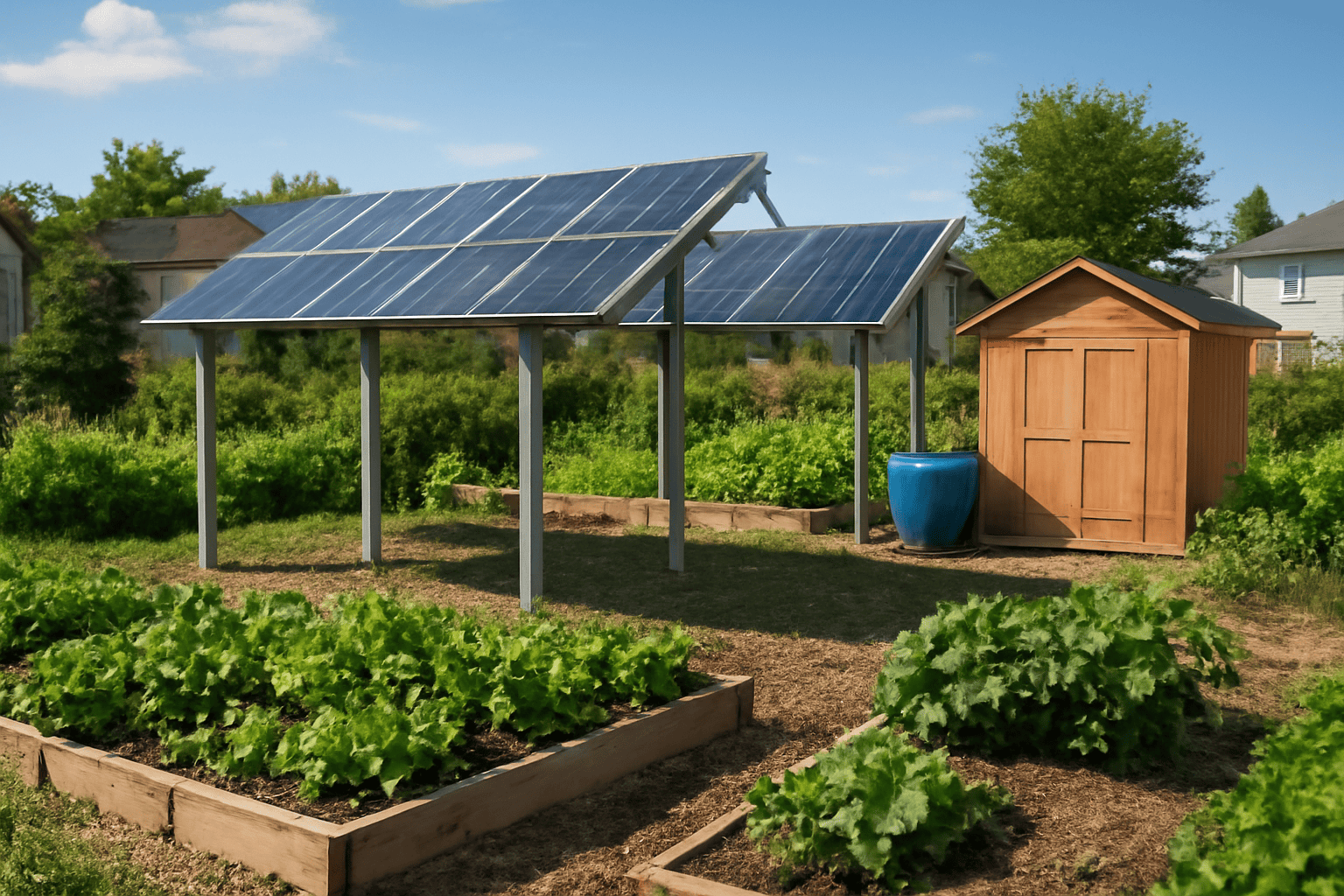
Solar Plus Garden combines a 10 MW solar energy plant with a community-driven agrivoltaic model that links renewable energy production to local benefits through a trädgårdsmedlemskap platform. The project includes two distinct legal entities: an Estonian OÜ owning and operating the solar plant and its associated solar energy storage system, and a Serbian DOO that manages the garden community activities.
The integrated energy storage system, based on lithium-ion technology with a nominal capacity supporting approximately 4 hours of full-load discharge at the solar plant, is essential in stabilizing the variable solar energy output. It stores solar energy produced during peak sunlight—typically around midday—and dispatches this energy during periods of reduced irradiation or increased demand, improving supply consistency for grid export and direct community consumption.
Financial flows from the sale of both direct and stored solar energy finance community operations, enabling garden membership benefits regardless of individual direct investment in the solar plant. Membership fees serve as capital to expand and maintain the solar infrastructure and the energy storage system. Revenues generated through the optimized use of stored solar energy underpin community activities such as fresh vegetable distribution and garden maintenance, supporting a transparent, long-term sustainable investment model across Estonia and Serbia.
Core Components of Solar Energy Storage Systems in Large-Scale Solar Projects
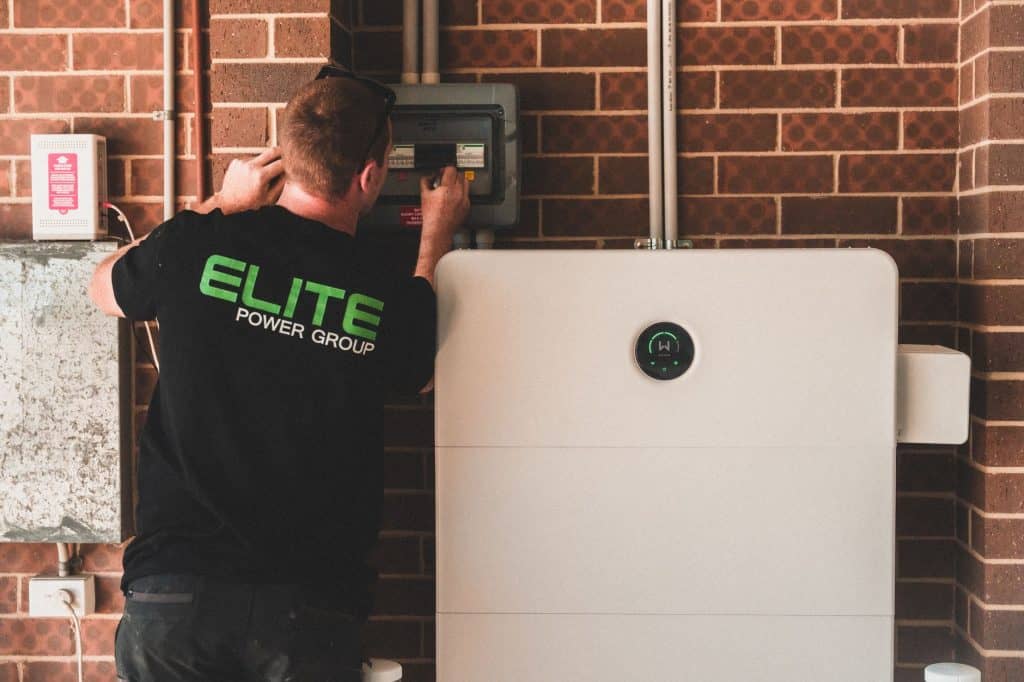
Solar Plus Garden’s energy storage system utilizes modular lithium-ion battery arrays, each sized at approximately 250 kW power and 1 MWh energy capacity per unit. The total system is designed to deliver at least 4 hours of discharge at full load relative to the 10 MW DC solar plant capacity, balancing investment cost and operational efficiency given typical solar production cycles and daily community demand profiles.
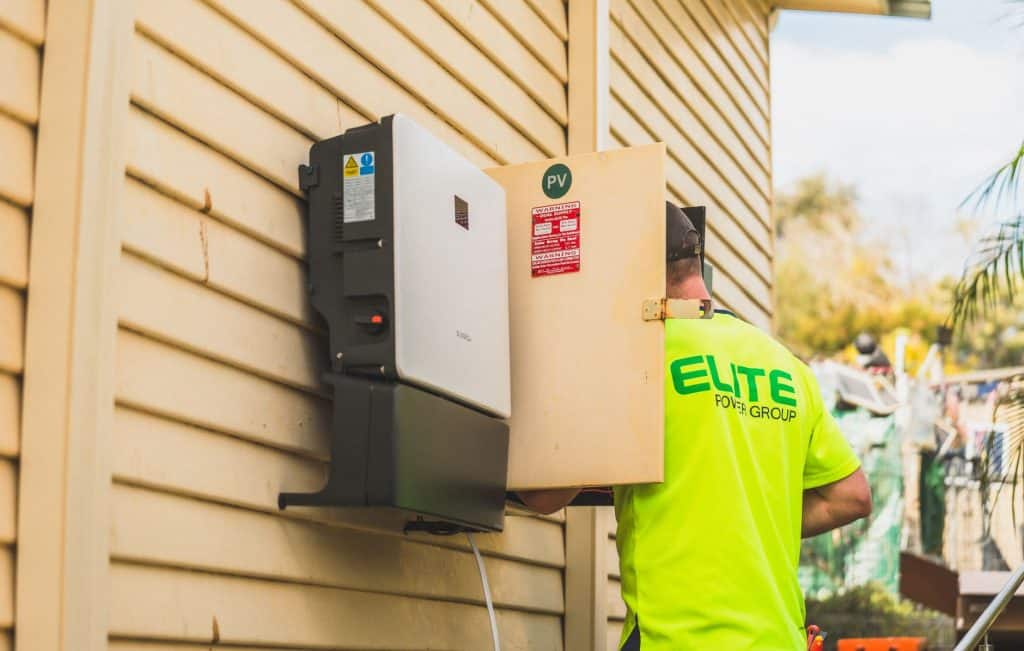
The battery system interfaces with the grid through advanced grid-tied inverters compliant with European EN 50438 and IEC 62109 safety and performance standards. These inverters convert DC from solar batteries to grid-compatible AC, managing voltage, frequency, and reactive power to meet grid code requirements, including dynamic response to fluctuations in solar energy stored.
A supervisory control and data acquisition (SCADA) platform continuously monitors battery performance parameters—state of charge (SoC), temperature, voltage, and current—to optimize charging and discharging schedules. This system uses weather forecasting data and load demand profiles to dynamically adjust operations, maximizing energy stored usage while protecting battery longevity through controlled depth of discharge and temperature management.
How Solar Energy Storage Enables Stable Community Benefits and Garden Membership Operations
The financial and operational link between stored solar energy and garden community services is structured to guarantee transparency and stability. Members pay a one-time €200 membership fee and can optionally subscribe to a monthly €20 Trädgårdslåda program, delivering 18 fresh vegetable installments per year.
These membership payments are pooled in an spärrkonto, compliant with local financial regulations, and invested exclusively in solar energy infrastructure operation and expansion. The revenue generated from dispatching energy stored during optimal solar production times balances variable grid pricing and ensures predictable cash flows supporting the agrivoltaic community.
The energy storage system’s ability to store solar energy mitigates the mismatch between production and consumption patterns. This temporal shifting of energy availability ensures continuous funding for community services even during low solar input periods. By enabling members without direct equity stakes in the solar plant to access garden benefits financed through solar battery storage revenue, Solar Plus Garden establishes a financial model that maintains operational independence of the agrivoltaic activities from direct solar asset investment.
Battery Storage Specifications Optimized for Solar Plus Garden’s Agri-Community Model
Battery storage capacity sizing targets at least 4 hours of backup energy storage, equivalent to 40 MWh, sufficient to cover essential community energy needs during evening hours, overcast days, or grid disturbances. This duration supports uninterrupted power for critical garden infrastructure, including refrigeration and logistics necessary for the Garden Box delivery schedule.
Efficiency management includes maintaining the battery system state of charge between 20% and 90% to enhance life cycle expectancy beyond 3,000 full equivalent cycles, as per manufacturer specifications for the selected lithium-ion chemistry. The system is equipped with thermal management components ensuring safe operation across ambient temperature ranges of -10°C to +45°C, complying with IEC 62619 safety requirements for stationary energy storage.
Scheduled preventative maintenance occurs bi-annually, focusing on battery module health checks, inverter calibration, and software updates to control algorithms optimizing energy storage cycles aligned with solar generation and community consumption demand schedules.
Legal and Financial Structuring of Solar Energy Storage in Cross-Border Community Investment
The project’s dual-entity legal framework separates the Estonian OÜ controlling the solar energy plant and its energy storage system from the Serbian DOO overseeing the garden community. This delineation segregates asset ownership, operational responsibilities, and revenue entitlements, ensuring compliance with cross-border regulatory frameworks.
All cash flows from solar energy stored and sold are managed via an escrow mechanism conforming to EU and Serbian financial and anti-money laundering regulations, ensuring funds are disbursed solely for agreed project expenses or distributions. Investor equity participation or loan agreements are tied exclusively to the solar asset’s legal entity, thereby limiting cross-liability and providing clear contractual paths for returns based on verified solar battery storage system performance metrics.
Energy production measurements utilize industry-standard metering devices compliant with IEC 62053-21 accuracy class 0.5, enabling transparent verification of solar energy stored and dispatched. This data supports contractual reporting and governance frameworks to safeguard investor and community interests.
Implementing Scalable Solar Battery Storage to Support Up to 3,000 Garden Community Parcels
The energy storage system employs a modular architecture with increments of 250 kW power capacity and 1 MWh energy per unit, allowing capacity scaling proportional to growth in Garden membership from initial phases up to 3,000 garden boxes (parcels). Scaling decisions are guided by real-time monitoring of energy stored versus community consumption demand, mediated by energy management system analytics.
Integration of predictive solar irradiation models based on satellite data and ground measurements supports dispatch schedule planning to align energy storage drawdown with expected garden activity loads and grid export opportunities. This approach minimizes both oversizing and undersizing risks, optimizing capital expenditure timing relative to community growth.
Control system fault diagnostics adhere to IEC 62402 maintenance standards, enabling prompt identification and resolution of module or inverter anomalies to maintain continuous support for scheduled garden operations.
Optimizing Storage System Operations to Maximize Solar Energy Value for Investors and Community
Operational optimization focuses on load shifting and peak shaving strategies enabled by solar battery storage to reduce grid purchasing during utility peak price intervals, typically in early evening hours. The system targets an approximate 10% reduction in peak grid dependency, leveraging stored solar energy dispatched at up to 2.5 MW during peak periods.
Real-time dispatch algorithms incorporate inputs from wholesale electricity market prices, lagging demand patterns, and weather forecasts, dynamically adjusting storage system state of charge to maximize revenue from energy sold while ensuring energy stored suffices for community service continuity.
This integrated energy management enhances investor returns by increasing system utilization factors above 85% annually and improves community energy resilience through reducing reliance on external grid supply, aligning with regulatory incentives for demand-side management where applicable (subject to change).
Vanliga frågor
What types of batteries are commonly used in solar energy storage systems for projects like Solar Plus Garden?
Utility-scale solar energy storage systems commonly use lithium-ion solar batteries due to their high energy density, efficiency levels above 90%, and cycle life exceeding 3,000 cycles at 80% depth of discharge. Modular battery racks enable system scalability and redundancy consistent with operational demands.
How does the Solar Plus Garden membership fee support solar energy storage and community activities?
Membership fees are pooled into escrow accounts and invested in the solar plant’s operational costs, including the energy storage system. Revenues generated from dispatching both direct solar energy and energy stored in the solar battery storage financing community activities such as local agriculture and fresh food delivery, thereby extending benefits even to members without direct solar investment.
What operational benefits does integrating solar battery storage bring to a community-based agrivoltaics project?
Solar battery storage enables power supply reliability during non-generation periods, supports scheduled delivery of garden produce, and creates financial flexibility through peak demand management and load shifting. These benefits collectively improve community service consistency and enhance investment stability.
How do legal and escrow structures protect investors in solar energy storage-backed community projects?
Distinct legal entities and regulated escrow arrangements ensure transparent cash flow management. This segregation prevents unrestricted fund use, clearly defines investor rights relative to the solar asset and its energy storage systems, and ensures compliance with jurisdictional financial regulations, thereby reducing investment risks.
Slutsats
Effective integration of solar energy storage within community solar projects like Solar Plus Garden requires precise system sizing, modular scalability, and clear legal and financial frameworks. A battery storage system providing at least 4 hours of backup supports both grid export smoothing and continuous community operation, balancing energy production with garden demand.
Ongoing operational optimization using control algorithms based on weather and demand forecasts maximizes the value of solar energy stored, directly benefiting investors and supporting sustainable local agrivoltaic services. Monitoring regulatory developments related to energy market mechanisms and battery technology costs remains essential to adapt system parameters and maintain project viability in the evolving energy future.
Relaterad läsning
- Integrering av batterilagringssystem (BESS) för optimerad solenergiproduktion och näthantering
- Hur intelligenta solhybridsystem ökar energioberoendet med smart lagring och off-grid-styrning
- Hur ett solenergihandelssystem integrerar förnybar energi och samhällsinvesteringar för effektiv solenergihantering