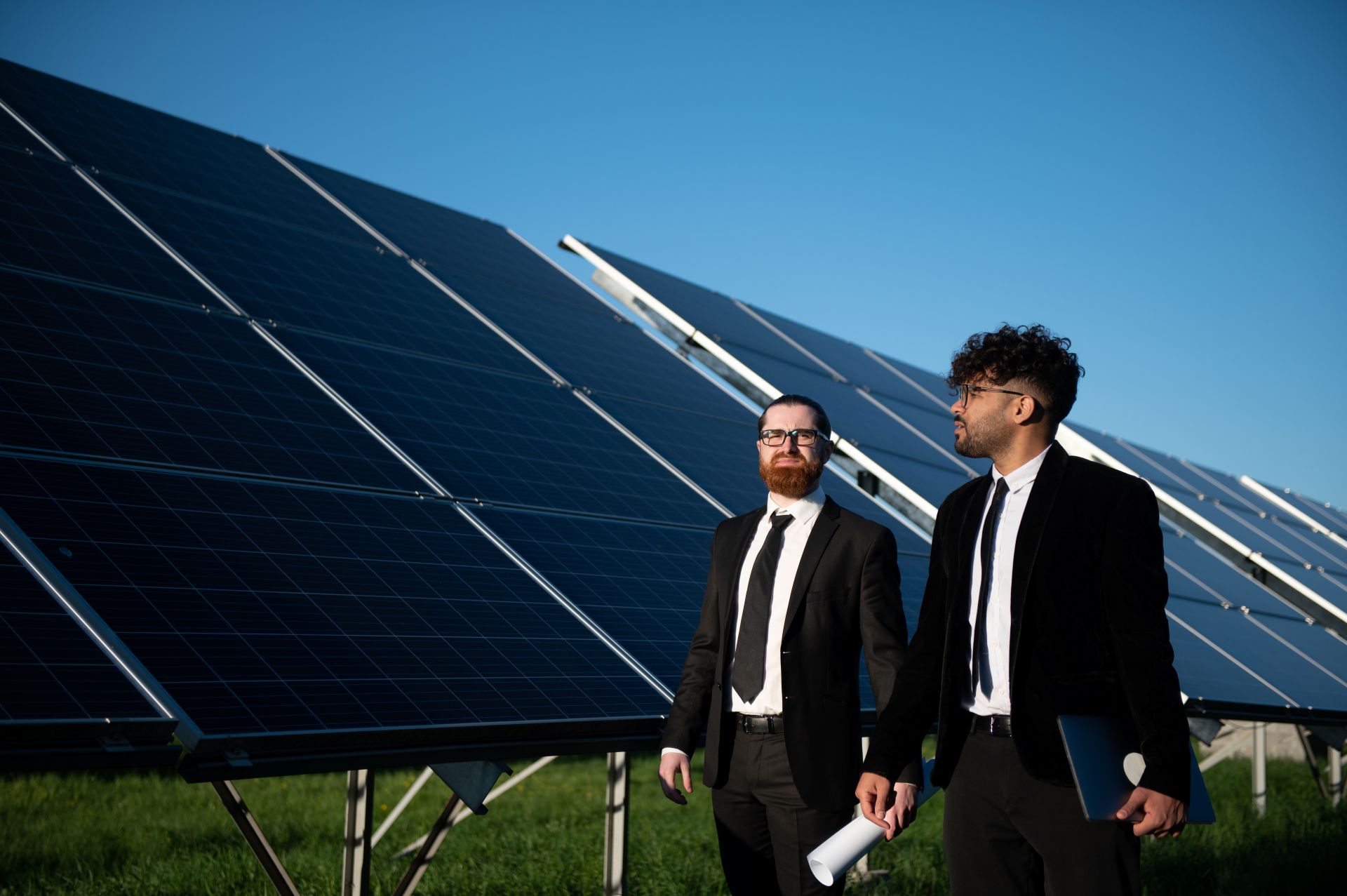










Hur solcellsladdstationer möjliggör hållbar laddning av elbilar i samhällen
Key Components of Solar Charging Stations and Their Role
Solar charging stations consist of integrated hardware engineered to convert solar energy into usable power for electric vehicle (EV) charging and outdoor charging needs. Core components include solceller solar panels, battery storage systems, DC and AC chargers, USB ports, power controllers, and specialized solar charging poles.
Solpaneler employed are typically monocrystalline or polycrystalline photovoltaic (PV) types, adhering to IEC 61215 standards for durability and efficiency. Station arrays range from 5 kW for small community setups up to 50 kW or more to meet varying EV charging demand and compensate for local insolation variability, including during cloudy conditions or partial shading. Panel orientation and tilt angles are adjustable—often 20–35 degrees depending on latitude—to maximize incident solar radiation year-round.
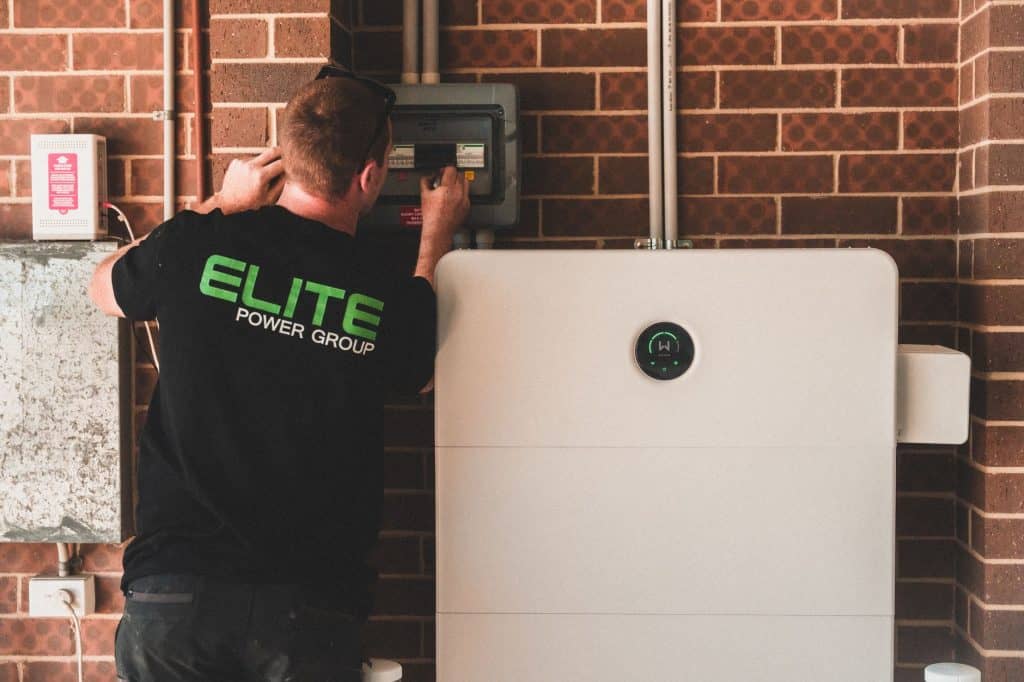
Battery storage systems, designed to IEC 62619-compliant lithium-ion or advanced lead-acid batteries, provide between 20 and 50 kWh capacity. This buffer ensures continuous solar-powered EV charging during nighttime or low irradiance periods by smoothing power output fluctuations and supporting peak load management. Battery management systems (BMS) continuously monitor voltage, temperature, and state-of-charge to optimize longevity and safety.
Charging infrastructure features dual charging modes integrating DC fast chargers with power ratings up to 50 kW peak for rapid charging, alongside AC Level 2 chargers supplying up to 7.4 kW for standard EVs. USB ports compliant with USB Power Delivery (USB-PD) standards offer up to 18W for outdoor USB charging of mobile devices like phones and tablets, enhancing user convenience during extended stops.
Solar charging poles act as structural mounts for panels and chargers. These poles incorporate weather-resistant materials such as powder-coated steel and UV-stabilized plastics that meet IP65 ingress protection rating requirements, ensuring durability under rain, wind (up to 120 km/h gusts), and temperature ranges from -20°C to +50°C. Poles are equipped with adjustable brackets enabling manual or motorized tracking adjustments to optimize solar panel orientation through the day, increasing yield by up to 15% compared to fixed installations.
Solar Charging Station Installation: From Site Selection to Commissioning
Deployment of solar charging stations follows a structured process from initial site evaluation through final commissioning.
Site selection critically assesses solar irradiance using data from sources such as PVGIS or NASA’s SSE databases, targeting insolation above 4 kWh/m²/day for economic viability. Accessibility for EV users, proximity to existing road networks, and ease of installation also guide site choice. Hybrid systems with grid-tied capability require sites with reliable low-voltage grid access meeting IEC 61000 electromagnetic compatibility norms to permit seamless integration.
Installation approaches vary between retrofit integration into existing EV charging infrastructure and standalone off-grid stations. Integration workflows include compatibility testing for inverter-charger communication protocols (e.g., CHAdeMO or CCS standards) and ensuring control systems can harmonize power flows among solar arrays, battery storage, and chargers.
Typical installation follows a 90-to-180-day timeline comprising:
- Initial site survey incorporating topographic and shading analysis
- Solar potential assessment using pyranometers or satellite data
- Regulatory permitting including electrical, building, and environmental clearances
- Procurement and delivery of PV panels, battery packs, chargers, and ancillary materials
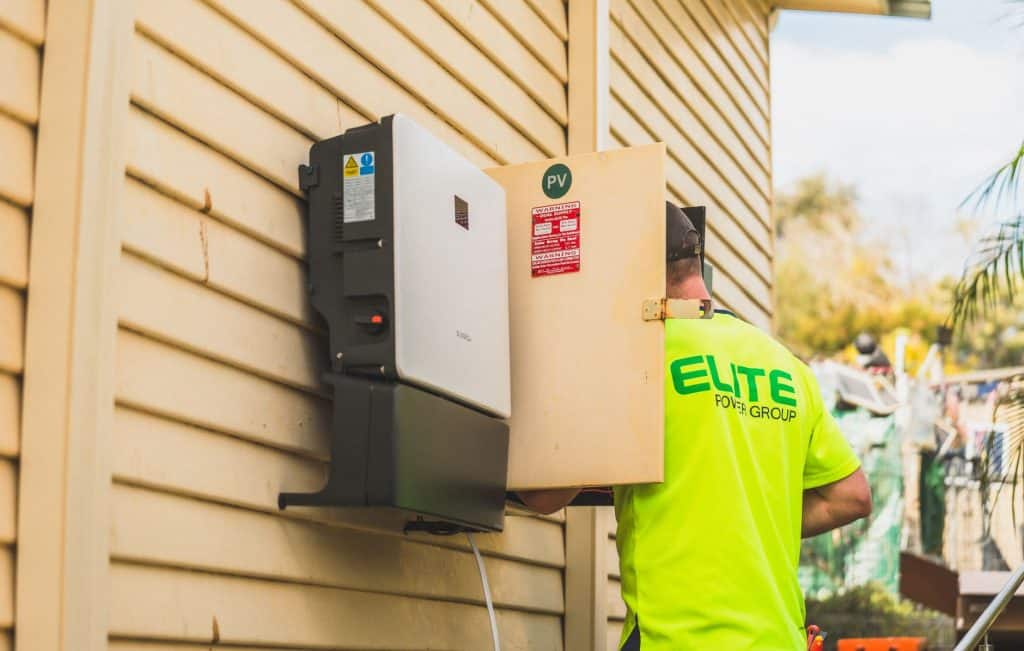
- On-site assembly, including mounting of solar panels on charging poles, wiring of DC/AC systems, battery enclosure setup, and commissioning of solar energy controllers
- Functional acceptance testing conforming to IEC 61851 EV charging system standards before handover
Local electrical codes such as the NEC (USA) or IEC 60364 (Europe) govern installation standards, emphasizing personnel safety, grounding, and overcurrent protection to meet regulatory and operational requirements. During the planning phase, stakeholder consultations with local communities promote transparent decision-making and alignment with user expectations.
Optimizing Energy Management for Solar-Powered EV Charging
Energy management systems (EMS) govern the dynamic flow of solar power to optimize availability and efficiency in solar-powered EV charging.
Solar energy controllers implement algorithms considering real-time metrics—solar panel output, battery state-of-charge, EV charger demand, and grid conditions—to allocate power where most effective. For example, when solar generation exceeds local consumption, power may charge batteries or be fed to the grid if permitted.
Load balancing prioritizes directing solar power toward EV charging stations to minimize grid dependency. Peak shaving strategies reduce grid demand by discharging batteries during high electricity tariff periods or peak grid load, protecting grid stability and lowering operational costs.
EMS designs incorporate climate considerations such as fluctuating irradiance due to cloudy weather or seasonal solar variability, utilizing predictive models to schedule battery charge/discharge cycles that extend battery lifecycle. Advanced EMS may use IoT sensors for environmental monitoring and machine learning-based forecasting to optimize system performance.
Backup power options include grid connectivity where available and emergency power generators compliant with emissions standards. These enable uninterrupted solar-powered EV charging during extended cloudy periods, grid outages, or maintenance windows.
Environmental and Community Benefits of Solar Charging Stations
Solar charging stations reduce direct and indirect CO2 emissions by using renewable solar power for EV charging, lowering fossil fuel dependence relative to conventional grid electricity mixes that include fossil-generated power. This aligns with decarbonization targets in transport and energy sectors.
Onsite power generation reduces grid transmission losses, typically 5–8% depending on local infrastructure, improving overall energy efficiency. This local production also reduces pressure on transmission networks during peak times.
Community engagement, as exemplified by Solar Plus Garden, integrates solar investment with agrivoltaic initiatives and social membership models. Revenue generated from large-scale solar projects (exceeding 10 MW capacity) supports local agricultural activities and community programs, funded through regulated, transparent mechanisms with segregated solar and garden entities. This approach fosters a circular ecosystem where solar-powered EV charging and regenerative agriculture coexist, generating both environmental and social returns.
Accessible solar-powered EV charging infrastructure facilitates community transition toward sustainable mobility while enabling economic benefits from cooperative participation in renewable energy and local food production programs.
Design Innovations: Combining Solar Charging Stations with Agrivoltaics and Community Spaces
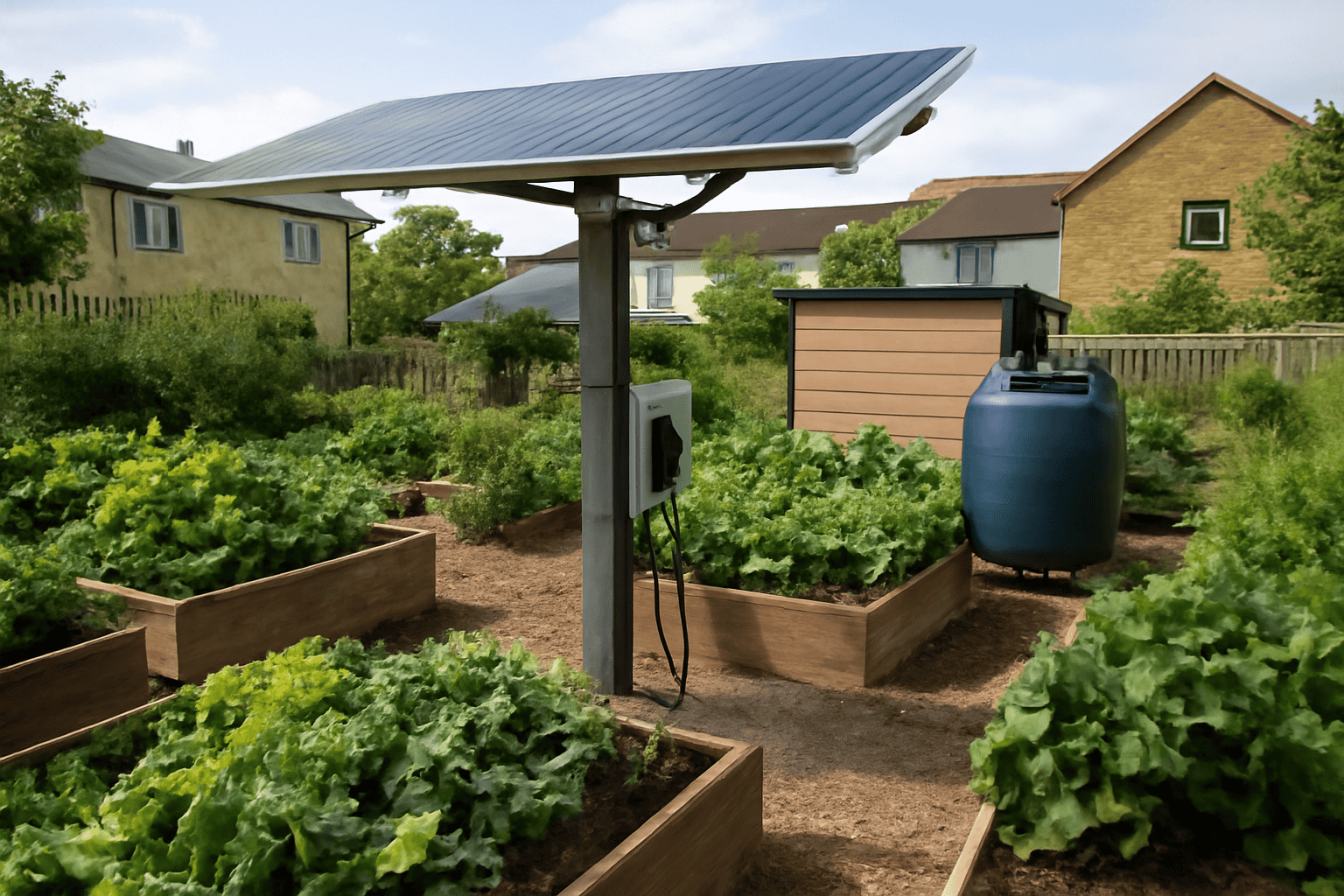
Recent developments integrate solar charging stations within multifunctional solar gardens or solar canopies to maximize land utilization and user experience.
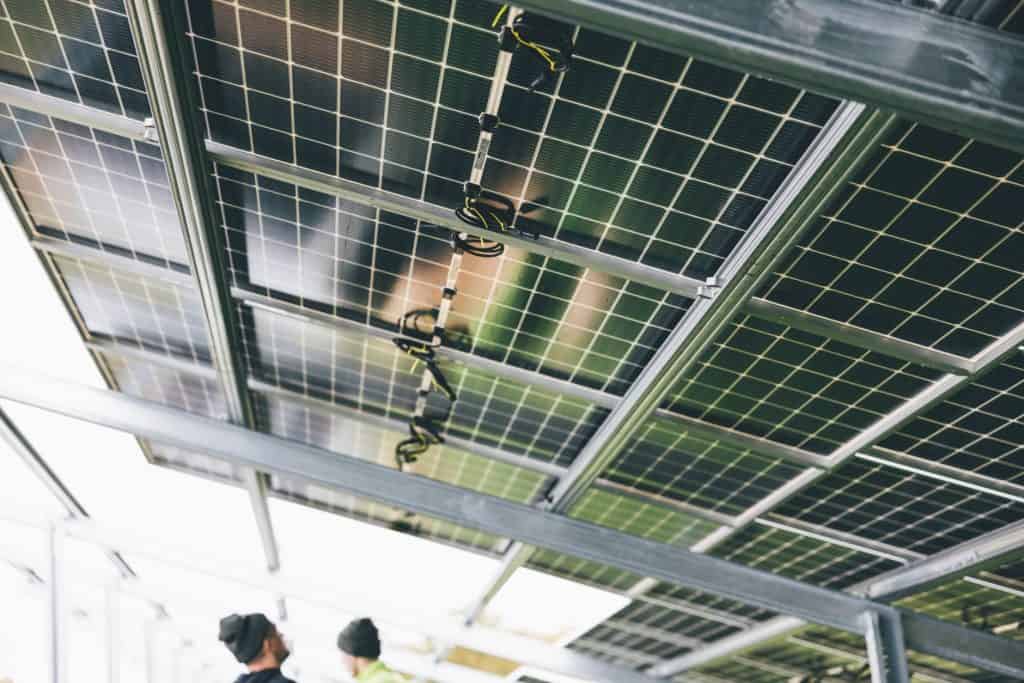
Solar canopies provide shaded outdoor park spaces that function as community hubs equipped with solar chargers. By creating partial shade, canopies reduce panel temperatures by approximately 10–15°C compared to unshaded panels, mitigating thermal degradation and improving PV efficiency and lifespan.
Agrivoltaic configurations with rows of elevated PV panels above crops use spacing and orientation to provide optimal sunlight for cultivated plants while benefitting the solar panels from microclimate cooling effects, improving overall electrical yield by up to 5% relative to flat installations.
Solar Plus Garden’s garden community supports up to 3,000 garden parcels, structured under distinct legal entities with clear payment and escrow models to ensure operational and financial transparency. This separation between the solar system owner (Estonian OÜ) and garden management (local DOO) provides clarity on asset ownership and revenue flow, enabling scalable community participation.
The integrated model links solar-powered EV charging infrastructure with local food production and shared green space management, fostering environmental stewardship and social cohesion.
Challenges and Solutions for Off-Grid and Remote Solar Charging Stations
Off-grid or remote solar charging stations face significant technical and operational challenges related to solar energy variability, infrastructure limitations, and maintenance constraints.
Solar insolation variability is higher in remote locations with shading from terrain or vegetation and rapid weather changes. To mitigate this, battery storage capacity is typically oversized by 50–100% compared to grid-connected equivalents, enabling continuous EV charging for 24 to 48 hours during extended low sunlight periods.
Hardware must meet stringent weather resistance criteria, including IP65-rated enclosures for batteries and charging electronics, corrosion-resistant solar panels (e.g., tempered glass with AR coating), and reinforced solar charging poles designed to withstand sustained winds exceeding 100 km/h.
Simplicity in system design is essential as local technical support is limited. Control systems utilize modular components with remote monitoring capabilities to minimize on-site interventions. Portable solar chargers compliant with IEC 62752 standards may supplement fixed stations, providing emergency power solutions during hikes or EV charging outages in remote zones.
These design principles ensure the resilience and dependability of solar-powered EV charging infrastructure in off-grid and remote environments.
Evaluating Financial Aspects and Community Membership Models for Solar Charging Stations
Capital expenditures encompass procurement of solar panels, battery storage, chargers, poles, and controllers, while operational costs include maintenance, energy management, and administrative expenses.
Medlemskap i gemenskapen models are pivotal in funding and sustaining these projects. Solar Plus Garden employs a model where members pay a one-time entry fee of approximately €200, granting access to the garden community, plus optional monthly Trädgårdslåda fees of around €20 for services like fresh, local produce delivery. Membership fees are channeled into solar investment capital and operational funds maintained in escrow accounts under strict legal separation between solar generation and community gardening entities.
This approach enhances investor trust by strictly controlling fund allocation and preventing unauthorized expenditure. Members reap social and environmental benefits alongside access to solar-powered EV charging and gardening activities, supporting long-term viability.
Financial transparency combined with active community engagement establishes a resilient framework for expanding solar charging station networks with committed stakeholder participation.
Vanliga frågor
Can solar charging stations provide fast charging for electric vehicles?
Yes, many solar charging stations include DC fast chargers with rated outputs up to 50 kW, enabling rapid EV charging that reduces wait times. These chargers dynamically adjust draw based on available solar power and battery state to optimize energy use.
How reliable are solar charging stations on cloudy or low sunlight days?
Reliability during cloudy weather is ensured through integrated battery systems that store surplus solar energy for use when irradiance is low. Additionally, stations often incorporate backup grid connections or emergency power systems to maintain uninterrupted solar-powered EV charging.
What is the typical process and timeline for installing a solar charging station?
Installation generally takes 3 to 6 months, including site evaluation, permitting, equipment procurement, assembly of solar panels, battery and charger installation, and final commissioning with conformity to IEC 61851 standards for EV charging.
How does community membership support solar charging station projects like Solar Plus Garden?
Membership fees finance both solar infrastructure investments and community agri-projects via regulated legal and escrow structures. This creates sustainable funding streams that maintain the solar-powered EV charging network and foster community participation beyond direct investors.
Slutsats
Implementing or investing in solar charging stations requires careful assessment of local solar potential, energy storage sizing, and community engagement strategies exemplified by Solar Plus Garden. Selecting durable, weather-resistant components including IEC-compliant solar panels, batteries, and controllers with integrated energy management optimizes continuous, reliable solar-powered EV charging.
Decision-making should consider climatic variability, grid availability, and community needs. Innovations such as agrivoltaic integration and membership-funded financial models advance the sustainability, functionality, and social impact of solar charging stations in evolving regulatory and technological landscapes.