Preskoči na sadržaj








Solar Panel Fields: Key Factors for Large-Scale Photovoltaic Projects
Types of Solar Panel Fields and Their Applications
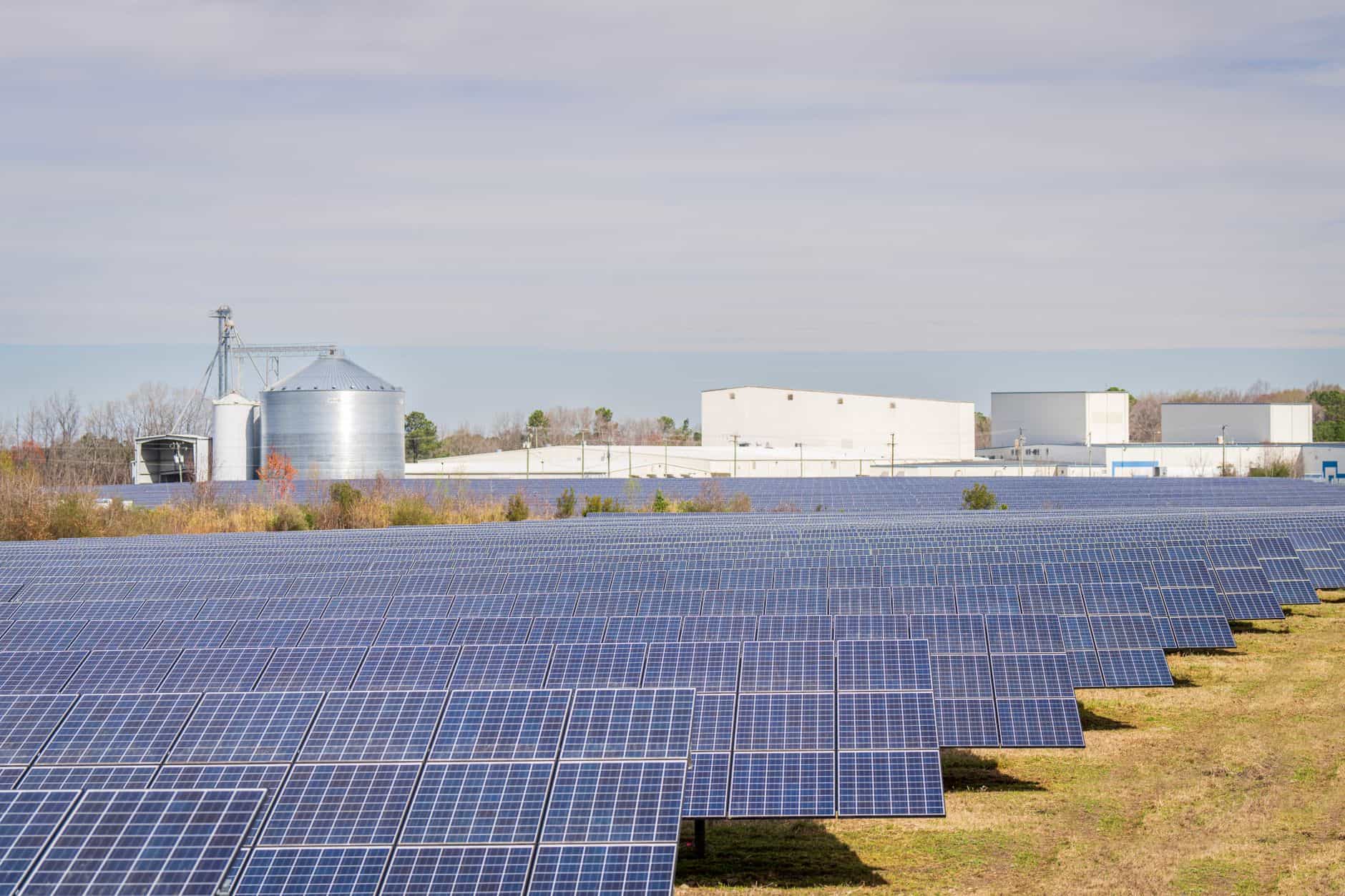
Solar panel fields encompass various types of large-scale photovoltaic (PV) installations designed to harness solar energy and produce renewable energy at utility or community scale. The main types of solar farms include utility-scale solar farms, community solar farms, and agrivoltaic systems that integrate solar energy production with agricultural land use.
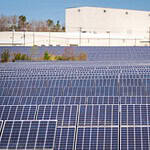
Utility-scale solar farms represent the largest photovoltaic facilities, typically exceeding 10 MW of installed capacity. These farms require extensive land areas, often between 15 and 30 hectares per 10 MW, depending on panel efficiency and system layout. They focus on generating significant volumes of clean electricity delivered to transmission or distribution grids, serving utilities or large commercial off-takers. Utility solar farms rely on fixed-tilt or single-axis tracking systems to optimize energy yield throughout the year.
Community solar farms are smaller photovoltaic installations, generally ranging from 100 kW to approximately 3 MW. These farms enable multiple subscribers—residential, commercial, or institutional—to participate financially and benefit from solar energy without owning rooftop solar panels. Community solar farms promote democratized access to solar energy by allowing investment diversification and shared energy credits or outputs. Their smaller footprint fits well within urban outskirts or repurposed farmland, supporting local renewable energy goals.
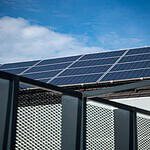
Agrivoltaic systems combine the installation of solar panel fields with agricultural activities on the same land. Panels are typically elevated 2 to 4 meters above the ground to allow cultivation, grazing, or garden plots underneath. This dual-use method maximizes land productivity, especially in regions with limited farmland availability. Panels are spaced to balance sunlight requirements for crops while maintaining efficient PV performance—this requires detailed solar shading and crop tolerance assessments. Agrivoltaika support sustainable land stewardship by producing both food and solar energy.
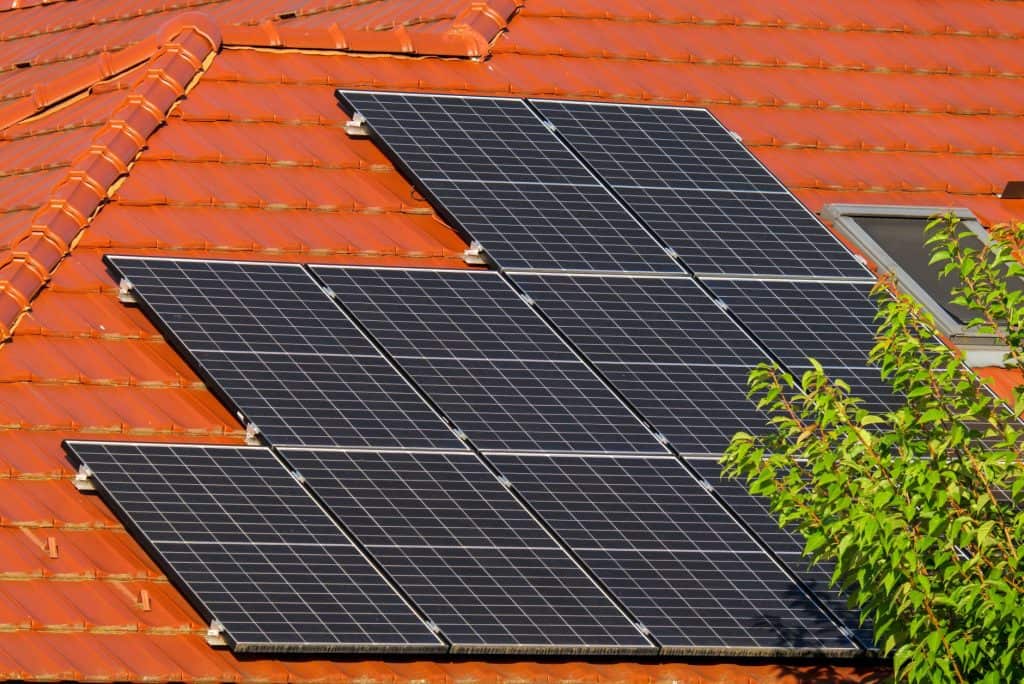
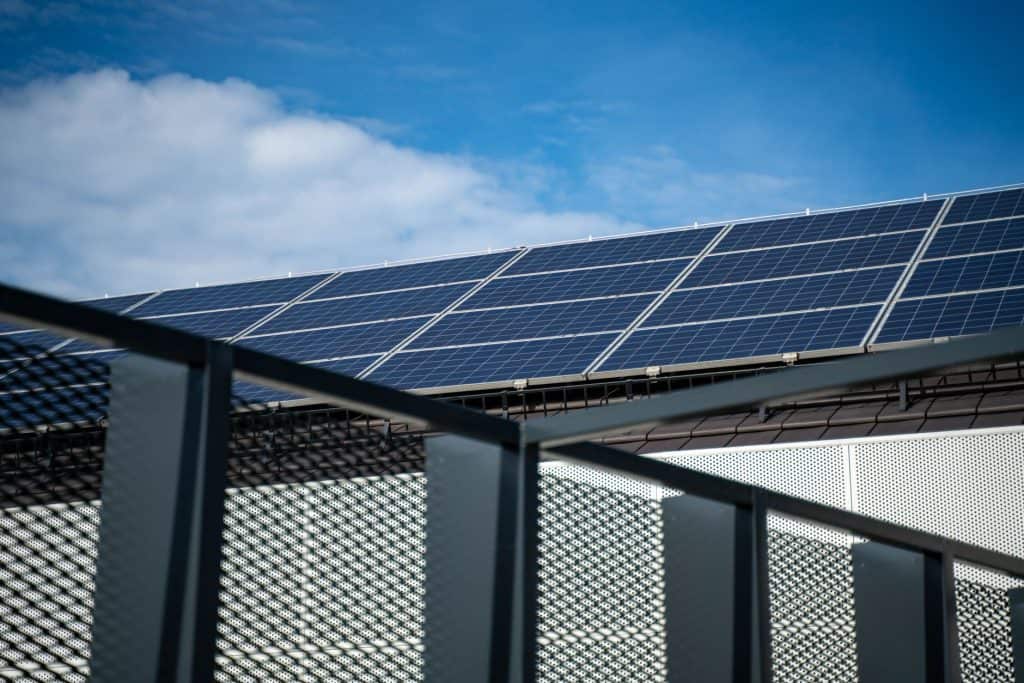
In addition to the ground-mounted solar farms discussed above, krovna solarna energija installations cover building surfaces, usually smaller in size—from a few kilowatts up to several megawatts in aggregated capacity. Rooftop solar systems serve localized electricity consumption, reducing distribution losses and leveraging existing infrastructure without additional land use. Overall, rooftop solar complements solar panel fields by meeting distributed generation needs, though they do not replace the scale or production volumes of large solar farms on farmland or brownfield sites.
Different types of solar farms align with distinct investment and community engagement objectives. Utility solar farms focus on high-volume, predictable power generation, while community solar farms and agrivoltaics prioritize wider participation, land-use efficiency, and social benefits. Understanding these distinctions aids project developers, property owners, and investors in selecting the appropriate solar energy approach for their goals.
How Solar Panel Fields Convert Sunlight into Grid-Connected Energy
Solar panel fields produce renewable energy by converting sunlight into electricity using photovoltaic technology. The process involves several technical components arranged to ensure grid-compatible power delivery.
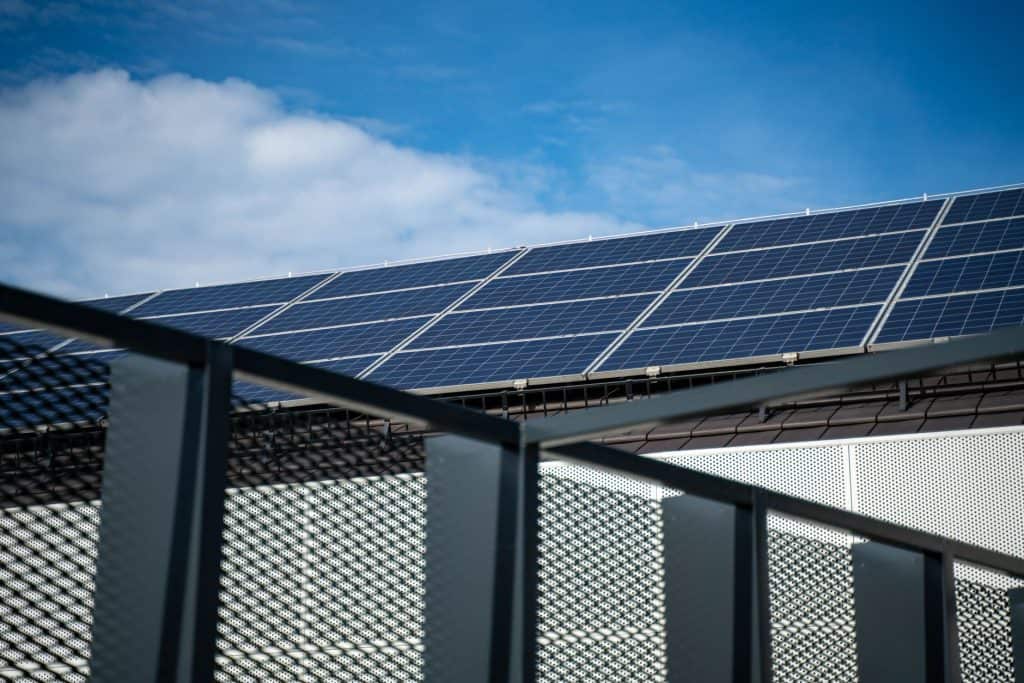
Solar panels consist of photovoltaic modules made primarily from monocrystalline or polycrystalline silicon cells, with conversion efficiencies currently ranging between 18% and 22%. These PV modules absorb solar photons, exciting electrons to generate direct current (DC) electricity proportional to the incident solar irradiance measured typically in kWh/m²/day.
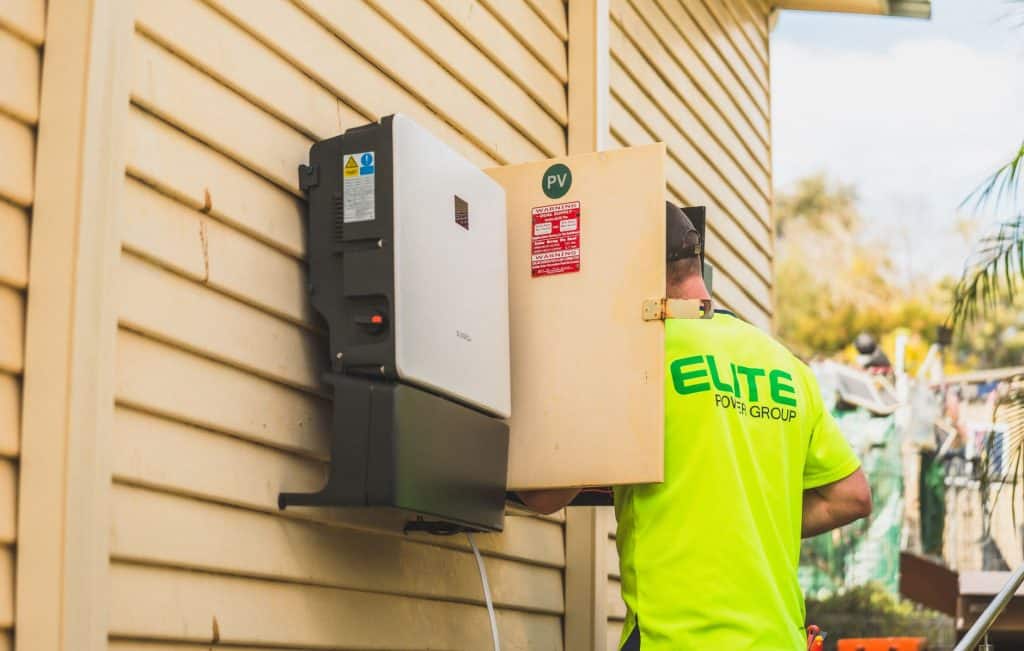
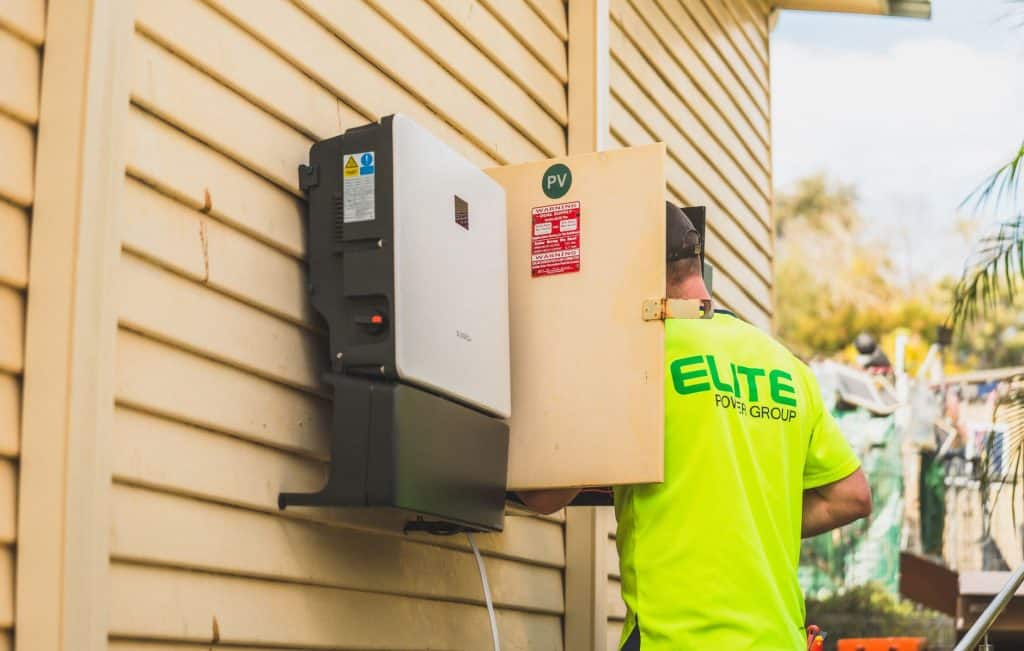
The generated DC electricity is collected via wiring to inverter stations distributed across the site. Grid-tied inverters transform DC into alternating current (AC) that matches grid specifications for voltage, frequency, and phase. Inverters used in large solar farms comply with standards such as IEEE 1547 and IEC 62116, ensuring safe interconnection and anti-islanding protection.
- Inverters execute synchronization with grid voltage and frequency, enabling seamless power injection.
- Advanced inverter functions include reactive power control, voltage regulation, and fault ride-through capabilities, enhancing grid stability.
Post-conversion, AC power is routed to step-up transformers where voltage is increased to match grid transmission or distribution levels, followed by delivery through optimized cabling to grid interconnection points. Compliance with interconnection guidelines issued by local grid operators is critical to prevent power quality issues and maintain operational safety.
Solar farms incorporate comprehensive supervisory control and data acquisition (SCADA) systems that continuously monitor PV module output, inverter performance, ambient temperature, solar irradiance, and wind speed. Data acquisition devices collect this information in real time, enabling remote diagnostics, maintenance scheduling, and performance optimization over the project’s lifespan, which typically exceeds 25 years.
Overall, solar farms work by efficiently capturing solar radiation, converting it into grid-standard electricity, and integrating it into power systems under strict technical and regulatory standards that govern the safety, reliability, and interoperability of PV power plants.
Land Requirements and Site Selection Criteria for Solar Panel Fields
Accurate land assessment and careful site selection are foundational to achieving optimal performance and cost-effectiveness in solar panel fields.
Ground-mounted solar farms generally require between 1.5 and 2.5 hectares per MW of installed capacity. This range reflects system design variables such as:
- Panel efficiency and wattage ratings
- Type of mounting system: fixed tilt vs. single- or dual-axis tracking, with trackers requiring greater spacing
- Topography and slope, where slopes under 5 degrees favor construction and energy yield
- Row spacing to minimize inter-row shading, commonly 3 to 5 meters or more depending on latitude
For a 10 MW solarna farma, typical land use ranges from 15 to 25 hectares, configured to balance maximum irradiance capture and access for maintenance equipment. Site-specific shading analysis using software tools like PVsyst or Helioscope is standard practice to quantify expected energy losses and optimize layout.
Key site selection criteria include:
- Topografija: Preference for flat or gently sloping land below 5° to reduce civil works costs and facilitate module alignment.
- Solar Irradiance: Sites with annual global horizontal irradiance (GHI) above 1,200 kWh/m² are preferred for viable solar yield.
- Shading and Obstructions: Avoidance of nearby trees, buildings, or terrain features that create shadows affecting PV output.
- Soil Conditions: Soil bearing capacity must support mounting foundations; erosion risk and water drainage also assessed.
- Proximity to Grid Infrastructure: Sites closer to medium-voltage substations or transmission lines reduce interconnection costs and losses.
- Legal and Environmental Compliance: Land use must conform to zoning regulations, environmental impact assessments (EIA), and protected area restrictions relevant to farmland or brownfield sites.
Solar farm projects frequently secure land through long-term leases or purchase agreements. Leasing farmland involves contracts specifying duration (often 20-30 years matching project lifespan), renewal terms, annual lease payments, and access rights for construction and operational personnel. Transparent lease terms mitigate future land use risks and facilitate financing.
Benefits and Operational Advantages of Solar Panel Fields
Solar farms offer multi-dimensional benefits, spanning environmental impact, economic returns, and community value.
Environmental benefits of solar farms uključuju:
- Substitution of fossil fuel electricity with renewable solar energy, reducing greenhouse gas emissions.
- Estimated CO2 emissions savings average approximately 600 tons per MW of installed solar capacity annually, based on displacement of coal or gas-fired power plants.
- Support for compliance with national renewable energy targets and international climate accords.
Economic advantages uključuju:
- Stable revenue streams enabled by power purchase agreements (PPAs), feed-in tariffs (subject to regulatory changes), or corporate off-takes.
- Operating expenditures post-construction are relatively low, primarily covering cleaning, preventive maintenance, and inverter replacements typically every 10-15 years.
- Investment horizons typically span 20 to 30 years, aligning with institutional investment profiles seeking long-term asset stability.
Community benefits arise through models such as Solar Plus Garden’s community solar and garden membership approach:
- Community solar farms provide access to renewable energy investments for individuals lacking rooftop solar options, increasing participation and equity.
- Membership fees from participants support not only solar plant financing but also fund community engagement and garden activities.
- Linking solar farms with local agricultural initiatives adds value through fresh produce delivery and social inclusion, enhancing acceptance of renewable infrastructure.
Solar farms therefore combine direct renewable energy generation with broader socio-economic benefits, reinforcing regional sustainability and attracting diverse stakeholders.
Integration of Agrivoltaics: Combining Solar Fields with Agriculture
Agrivoltaic systems implement a dual land-use strategy by combining solar photovoltaics with agricultural activities on the same land area, enabling concurrent energy generation and food production.
Panels are typically mounted on strutted frames elevated 2 to 4 meters above ground, allowing machinery access and crop cultivation beneath. Common configurations space rows between 5 and 10 meters apart, balancing solar energy capture and crop light requirements. Crops selected for agrivoltaics often tolerate partial shading, such as leafy greens, berries, or herbs. This approach may moderate microclimates, reducing heat stress and evapotranspiration, which can improve crop yields in arid environments.
Land-use efficiency increases as the same footprint generates energy and yields agricultural products, maximizing economic output per hectare. Agrivoltaic fields are particularly valuable in regions where farmland availability is limited or costs are high.
Solar Plus Garden employs a legal and operational model separating ownership of the photovoltaic plant (managed by an Estonian OÜ) from the agrivoltaic garden component (run by a Serbian DOO). The garden can accommodate up to 3,000 individual plots or boxes, with access granted through membership fees ensuring controlled funding flow. This segregation facilitates clear governance, mitigates financial risks, and supports scalable agrivoltaic community development.
The integration reinforces the benefits of renewable energy production by coupling environmental stewardship with local food security and community resilience.
Financial Structure and Membership Engagement in Solar Panel Field Projects
Financing solar farms involves structuring investment options that accommodate various investor profiles and capital sizes, while ensuring regulatory compliance and fund transparency.
Solar Plus Garden offers investors two primary paths:
- Akcije u kapitalu: Investors purchase ownership stakes in the solar plant, sharing long-term returns tied to project performance and revenue.
- Guaranteed Payouts: Alternative investment options provide fixed returns over pre-agreed periods, appealing to investors seeking lower risk exposure.
Participation in the agrivoltaic garden and community activities is facilitated through a membership fee. This includes a one-time €200 membership payment plus an optional €20 monthly fee for a baštenska kutija subscription, which provides 18 deliveries of fresh local produce annually. These fees cover operational costs of the garden community and provide additional funding to solar investments.
All financial transactions are processed via escrow accounts to enforce proper use of funds and regulatory adherence. This escrow model provides transparency and security, separating capital destined for solar project construction and operation from community-related expenditures. Such governance structures are critical for attracting and retaining small and medium investors by demonstrating financial responsibility and legal clarity.
This membership-based model expands access to renewable energy investment beyond large capital holders and fosters inclusive community participation.
Key Technical and Legal Standards Governing Solar Panel Field Projects
Execution and operation of solar panel fields must comply with rigorous technical and legal standards to ensure electrical safety, grid compatibility, and safeguard investor interests.
Primary technical standards include:
- IEEE 1547: Defines requirements for interconnection and interoperability of distributed energy resources, including voltage regulation, protection coordination, and communication protocols between PV systems and the utility grid.
- IEC 61215 and IEC 61730: Govern design qualification, performance testing, and safety of photovoltaic modules.
- Local electrical installation codes addressing wiring, grounding, overcurrent protection, and inverter performance.
Solar Plus Garden employs a multi-entity legal structure supporting operational, financial, and legal clarity:
- Ownership and operational control of the photovoltaic solar power plant reside with an Estonian OÜ company established on 20.02.2026.
- The agrivoltaic garden and membership community activities are managed separately by a Serbian DOO, with exclusive rights to the garden concept.
This separation delineates rights, liabilities, and fund flows. Integrated escrow and payment control mechanisms comply with applicable financial regulations, ensuring funds are disbursed only for stipulated purposes. Such transparent governance reduces risk of fund mismanagement and increases confidence among small and medium-sized investors.
Adherence to these standards supports trustworthy project delivery and stable long-term operation within evolving regulatory environments.
Često postavljana pitanja
What size of land is typically needed to build a 10 MW solar panel field?
Ground-mounted solar farms generally require between 15 and 25 hectares per 10 MW installed capacity, depending on panel efficiency, mounting system (fixed vs. tracking), and site topography.
How does a solar panel field connect to the local electricity grid?
Solar panels generate DC electricity converted into AC by inverters compliant with IEEE 1547. The AC power is synchronized with grid voltage and frequency, then delivered to substations for integration into the transmission or distribution network.
Can I join a solar panel field investment without directly funding the solar installation?
Yes. Solar Plus Garden allows access through a membership fee model that funds solar investments indirectly while providing membership in the garden community and access to associated benefits like fresh produce.
What are the benefits of integrating agriculture with solar panel fields?
Agrivoltaics permits concurrent solar energy generation and agricultural production on the same land, increasing land use efficiency, supporting local food systems, and providing partial shading benefits that may improve crop resilience.
Zaključak
Selecting the appropriate type of solar panel field—utility-scale solar farm, community solar farm, or agrivoltaic system—depends on land availability, investment objectives, and community engagement goals. Land requirements typically range from 1.5 to 2.5 hectares per MW, with site selection guided by irradiance, topography, and proximity to grid infrastructure. Financing options and membership models such as those used by Solar Plus Garden expand participation in renewable energy projects while ensuring transparent financial governance.
Changes in regulatory frameworks, grid interconnection standards, and emerging PV technologies will influence future optimal project design and investment structuring.
Illustration: Land Use and Cost Breakdown for a 10 MW Solar Farm
| Parameter | Value / Range | Notes |
|---|---|---|
| Land area | 15–25 hectares | Assuming ground-mounted fixed-tilt PV modules, slope ≤5° |
| Average panel efficiency | 18–22% | Based on contemporary monocrystalline and polycrystalline PV modules |
| Mounting system | Fixed tilt or single-axis tracker | Trackers increase land use up to 2.5 ha/MW |
| Approximate CAPEX | Subject to project specifics | Varies by location, component choices, and permitting |
| Estimated annual CO2 reduction | ~6,000 tons | Calculated as 600 tons/year per MW installed |
| Membership fee (Solar Plus Garden) | €200 one-time + €20/month optional garden box | Supports solar investment and community operational costs |