









Harnessing Solar Fencing: How Integrated Solar Panels Boost Farm Security and Energy Independence
Understanding Solar Fencing and Its Unique Agricultural Applications
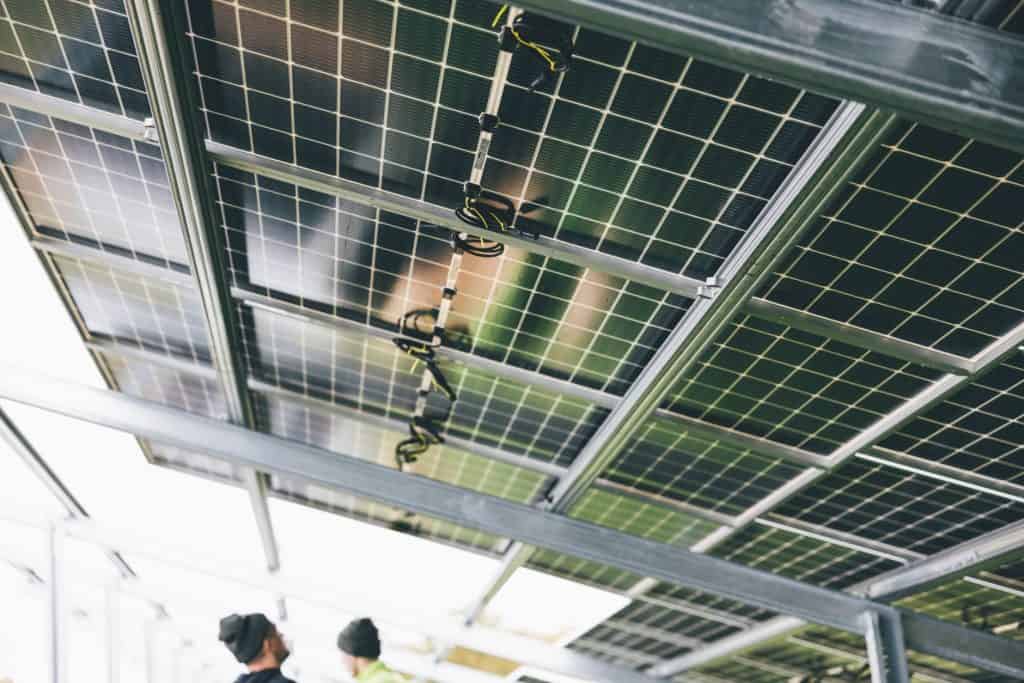
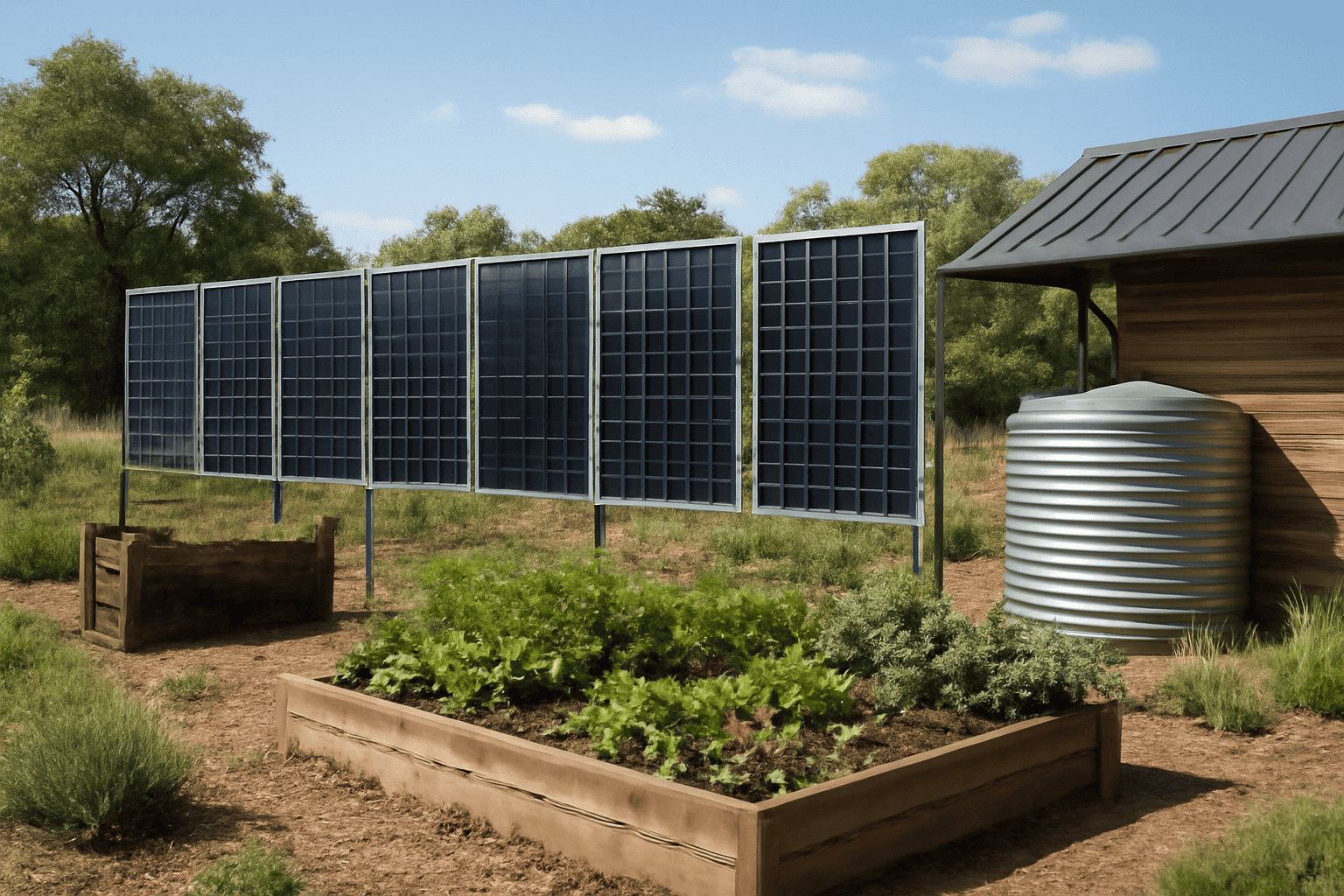
Solar fencing is a fence system integrating solar panels into the physical boundary, designed to provide both perimeter security and on-site solar power generation simultaneously. These systems frequently employ vertical bifacial solar panels, which capture sunlight from both the front and rear surfaces. The rear side benefits from the albedo effect—reflected sunlight from surfaces such as soil, grass, or crop residues—typically increasing energy yield by 10–20% compared to traditional monofacial panels.
Vertical bifacial panels are mounted upright as part of the solar panel fence architecture, making efficient use of farm boundaries where limited space precludes horizontal panel installation. This approach is particularly suited for agricultural settings where fence lines stretch for hundreds of meters or more.
Solar fencing combined with electric fence systems enhances livestock exclusion and predator control by powering electrified fencing components through generated solar power, reducing or eliminating reliance on grid electricity. This is essential for managing farm animals such as goats, deer, poultry, and other small animals that graze across large areas, ensuring boundary integrity while also producing renewable energy to support farm operations and lighting.
Technical Components and Design Considerations for Solar Panel Fences
A solar fence system consists of several essential components and design factors critical to operational stability and energy yield on agricultural properties:
- Mounting Systems: Aluminum mounting frames are standard for solar panels in fencing applications due to their favorable strength-to-weight ratio and resistance to corrosion. Aluminum brackets and rails are rated to at least IP65 under IEC 60529 standards, certifying protection from dust ingress and water jets, making them suitable for outdoor farm environments regularly exposed to rain, dust, and agrochemicals.
- Fence Designs Compatibility: Solar panel fences must adapt to a variety of agricultural fence designs such as post-and-rail, woven wire, or welded mesh. Customizable mounting brackets and modular panel sizes ensure compatibility with existing fencing infrastructure without compromising structural integrity or animal exclusion effectiveness.
- Electric Fence Integration: Solar fences power electric fences by directly supplying energy to electric fence controllers and energizers. Typical energizers for livestock exclusion operate in the range of 5 to 15 joules output, with solar components sized accordingly. The system often includes battery storage (12V lead-acid or lithium-ion) sized to maintain functionality during periods of low sunlight, achieving energy independence for fence operation year-round.
- Orientation and Spacing: To optimize energy production, vertical bifacial panels are spaced to minimize inter-panel shading—typically with clearances of 0.5 to 1 meter between panels depending on latitude and seasonal sun angles. Panels are oriented southward (in the northern hemisphere) or northward (in the southern hemisphere) to maximize incident and reflected sunlight capture. Site-specific microclimatic factors such as vegetation height and surrounding topography must also be considered to prevent energy losses due to shade.
Aluminum mounting frames are engineered to withstand regional wind loads per relevant standards, such as Eurocode EN 1991-1-4 for wind actions. This ensures structural stability under storm conditions common in agricultural areas, with typical design safety factors of 1.5 applied to bending moments and shear forces on mounting posts and brackets.
Key Benefits of Installing Solar Fencing on Farms
Solar fence systems deliver quantifiable operational benefits to farms blending agricultural productivity with renewable energy generation:
- Renewable Energy Generation: Solar fencing generates clean solar power on-site, enabling energy independence and reducing farm reliance on external electricity sources. Typical generation ranges from 100 to 300 kWh annually per 10 meters of solar fence, depending on local solar irradiance (measured in peak sun hours, generally 4 to 6 hours/day in temperate zones). This energy often powers electric fence energizers, lighting, and low-power sensors.
- Enhanced Physical Security: Integration of solar-powered lighting, motion sensors, or surveillance cameras into the solar fence system improves perimeter monitoring and deterrence of unauthorized access. These security features are powered by the same solar panel fence infrastructure, maintaining operational independence from unreliable rural grid supplies.
- Improved Livestock Management: Solar-powered electric fences provide consistent and reliable exclusion zones for livestock including goats, deer, poultry, and various small animals, reducing escape incidents and predator access. Controlled grazing facilitated by secure boundaries contributes to sustainable land management and aligns with regenerative agricultural techniques emphasizing soil health and ecosystem balance.
- Community and Environmental Impact: Solar fencing supports community sustainability goals by integrating renewable energy use with productive farming. The agrivoltaic synergy of concurrently producing solar power and managing agricultural land demonstrates a scalable model for reducing environmental footprints and promoting rural development backed by clean energy.
Sizing Your Solar Fence System: Using a Fence Calculator for Optimal Energy and Security
Accurately sizing a solar fence system is essential to balance adequate energy generation with reliable boundary protection. A systematic approach using a dedicated fence calculator involves these steps:
- Estimate Boundary Length: Accurate measurement of the total fence perimeter length is critical, as each meter corresponds to a segment of solar panel fence contributing to energy production and security coverage.
- Evaluate Energy Consumption: Power consumption of electric fence components (controllers, energizers, lighting, sensors) must be quantified. Typical electrified fences consume between 1 and 5 watts per meter, varying with system complexity and livestock exclusion demands.
- Account for Sunlight Intensity: Input local average daily peak sun hours, obtainable from meteorological datasets or satellite solar resource mapping services. Seasonal variability and weather conditions affecting irradiance must be factored into system sizing.
- Calculate System Size: The fence calculator outputs the number of solar panels required, panel wattage specifications, and recommended battery storage capacity (often 12V, 50–100 Ah depending on backup duration required). The goal is to ensure uninterrupted electric fence operation with a safety margin—typically 20–30% over average power consumption—to cover cloudy days and weather fluctuations.
This data-driven methodology prevents undersized installations that risk power deficits and oversizing leading to unnecessary capital expenditure, improving cost-effectiveness and long-term system reliability.
Installation Challenges and Maintenance Requirements for Solar Fences
Agricultural solar fence systems demand attention to site-specific challenges and ongoing maintenance to sustain performance:
- Mounting Stability: Uneven or sloped terrain necessitates customized mounting solutions, such as adjustable post foundations or concrete footings, to maintain vertical alignment of bifacial panels and structural rigidity under wind and mechanical stress.
- Vegetation and Shading: Proximity to trees, crops, or grass can cause temporary or permanent shading, diminishing solar panel output. A maintenance plan including seasonal vegetation trimming or buffer strip management helps sustain optimal sunlight exposure.
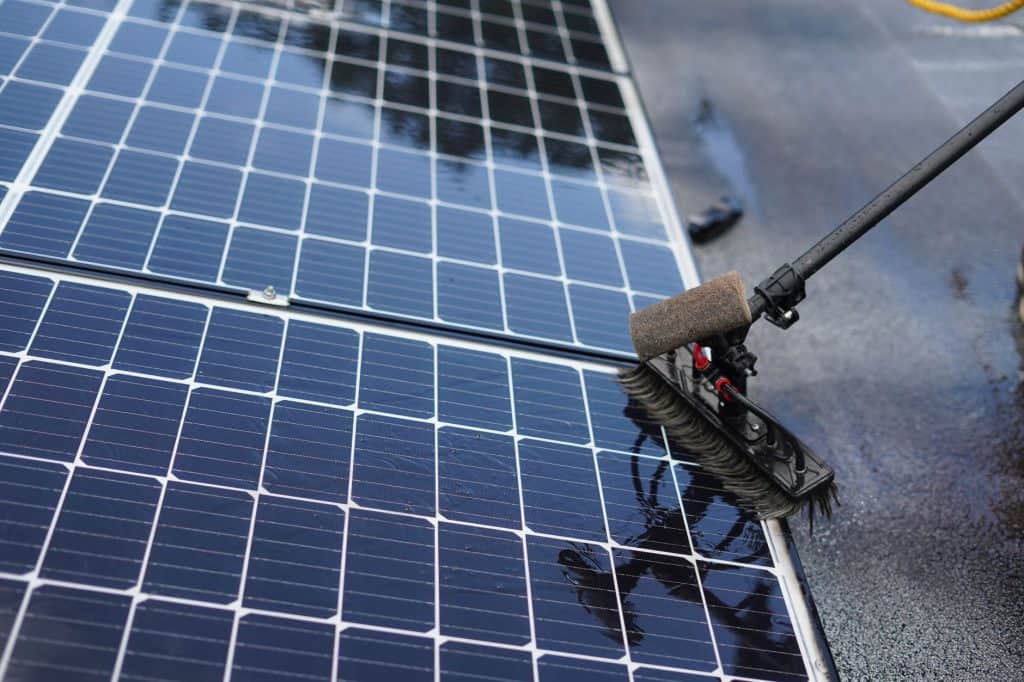
- Cleaning and Debris: Dust, pollen, bird droppings, and organic debris accumulate on panel surfaces in agricultural environments, reducing solar irradiance absorption. Panels should be inspected and cleaned biannually or after extreme weather events, using water and non-abrasive cloths or automated cleaning systems where justified.
- Electrical Inspections: Yearly inspections of wiring connections, junction boxes, and electrified fence components prevent degradation due to corrosion, animal damage, or mechanical stress. Practices include verifying insulation integrity and system voltage outputs per manufacturer recommendations.
- Lifespan and Warranty: Bifacial solar panels typically carry warranties guaranteeing 80% of rated power output for 25 years. Aluminum mounting structures do not corrode easily but should be monitored for mechanical wear, loose fittings, or damage caused by farm machinery over comparable maintenance cycles.
Comparing Solar Fencing with Conventional Fence Systems in Agricultural Settings
Comparison of solar fencing to traditional fencing options outlines economic and operational trade-offs relevant to agricultural stakeholders:
- Cost and Energy Offsets: Solar fences demand higher capital investment than conventional electric or non-energized fences, driven by costs of bifacial solar panels, batteries, and control electronics. However, anticipated payback periods range between 6 and 9 years when accounting for energy cost offsets from solar power generation and reduced grid dependency. By contrast, standard electric fences typically incur recurrent maintenance and energy costs without offsetting generation benefits, with upkeep intervals averaging 2 to 4 years.
- Durability and Environmental Footprint: Use of weatherproof aluminum and long-life solar panels extends service life and reduces material turnovers relative to wood or steel fences prone to rot or rust. Energy generated by the solar fence reduces the farm’s carbon footprint by displacing fossil fuel-derived electricity consumption for electrification.
- Added Value: The dual-functionality of solar fences—simultaneous renewable energy production and livestock exclusion—provides enhanced operational sustainability, supporting environmental compliance and community renewable energy adoption goals.
Regulatory and Legal Considerations for Deploying Solar Fencing
Solar fencing installations on farms must comply with electrical, zoning, and safety regulations applicable to combined fence and solar power systems:
- Permitting: Installation requires electrical permits due to integration of solar panels and electric fence electrification components. Construction permits may be mandatory depending on jurisdiction when modifying or erecting new farm boundaries, informed by local building codes.
- Safety Standards: Electric fencing and solar power equipment must comply with relevant safety directives. In the European Union, solar fence electrical components fall under the Low Voltage Directive 2014/35/EU, mandating safe design and installation of low-voltage systems (50–1000 V AC or 75–1500 V DC). Electric fence energizers must also meet EN 60335-2-76, the safety standard for electric fence equipment.
- Fence Dimensions and Aesthetics: National and regional zoning regulations often limit fence height (e.g., a maximum of 2 meters in Serbia), while appearance requirements aim to preserve rural landscape character. Solar fencing systems must therefore balance functional panel dimensions with permitted structural limits.
- Certification and Compliance: Using solar panels certified under IEC 61215 for durability and performance ensures system reliability. Electric fence components certified to EN 60335-2-76 or equivalent guarantees regulatory compliance, minimizing liability for farm operators.
Često postavljana pitanja
- Can solar fencing fully power an electric fence on a large farm?
- Yes, provided the solar panel fence system is correctly sized using a fence calculator that factors in fence length, electrical load, local sunlight hours, and energy storage capacity. Vertical bifacial solar panels enhance yield, enabling reliable year-round power supply for electric fence controllers and related devices on large farms.
- How weather-resistant are solar fences installed outdoors on farms?
- Solar fences employ aluminum frames rated at IP65 or higher per IEC 60529, ensuring dust and water resistance suitable for exposed farm environments. They are engineered to withstand local wind loads and temperature fluctuations, with additional preventive maintenance recommended to address environmental wear.
- Is solar fencing compatible with existing agricultural fence designs?
- Yes. Solar fencing systems are designed with adaptable mounting solutions compatible with commonly used fence designs including post-and-rail, wire mesh, and panel fences. This integration supports maintaining boundary integrity while enabling energy generation.
- What are the energy production benefits of using vertical bifacial solar panels in fences?
- Vertical bifacial solar panels capture sunlight on both their front and rear surfaces, increasing energy production by 10-20% compared to traditional panels. This gain is due to the albedo effect, with reflected sunlight off soils and vegetation boosting total irradiance, particularly effective in agricultural settings with reflective ground surfaces.
Zaključak
Solar fencing presents a practical solution for farms seeking to combine farm boundary security with renewable energy production. Property owners, project developers, and investors should conduct thorough assessments including boundary length measurement, power demand analysis, local solar resource evaluation, and review of regulatory frameworks prior to system selection and deployment.
Utilization of vertical bifacial solar panels mounted on weatherproof aluminum structures enhances energy independence and supports modern livestock exclusion methods with electric fencing integration. Regular maintenance and adherence to safety standards are essential for sustained performance.
As solar technology evolves and regulatory landscapes adjust, cost-benefit analyses for solar fence systems should be revisited to maintain alignment with operational objectives and sustainability commitments. A data-driven approach using fence calculators and compliance checks helps optimize installation outcomes for farms pursuing long-term agricultural and environmental resilience.
Povezano čitanje
- Investicione mogućnosti za solarne farme 2026: Sveobuhvatni vodič za ulaganje u solarnu energiju
- Prikupljanje sredstava za solarne farme u Evropi: Ulaganje u projekte obnovljive energije širom kontinenta
- Investicione mogućnosti za solarne farme 2026: Šta vlasnici nekretnina i investitori treba da znaju