








Kompanija za investicije u solarnu energiju: Snalaženje u mogućnostima u čistoj energiji
Kontekst ulaganja u solarnu energiju
Ubrzana globalna energetska tranzicija favorizuje obnovljive izvore, sa solarna energija služeći kao glavni doprinos strategijama dekarbonizacije. Regulatorni okviri širom Evropske unije i drugih regiona unapređuju mehanizme podrške kao što su fid-in tarife, poreske olakšice i zeleni sertifikati kako bi se stimulisala ulaganja u solarnu energiju. Ovi mehanizmi utiču na održivost projekta i periode povrata, koji se obično kreću od 6 do 9 godina, u zavisnosti od lokalnih tarifnih režima i tržišnih uslova.
Standard 10 MW (megavata) Komercijalni solarni projekat predstavlja primer skalabilne klase imovine srednje veličine pogodne za modele vlasništva koje podržava zajednica. Ova skala omogućava ravnotežu između složenosti izgradnje, usklađenosti sa propisima i operativnog upravljanja, omogućavajući reprezentativnu investicionu priliku koja integriše tehničke performanse i finansijsku izvodljivost.
Sa stanovišta investicionog portfolija, sticanje udela u komercijalna solarna energija postrojenja uvode izloženost realnoj imovini koju karakteriše dug operativni vek trajanja (25+ godina), predvidljivi novčani tokovi generisani iz ugovora o kupovini električne energije ili prodaje na tržištu i aktivno učešće u prelasku na niskougljenična energetska infrastrukturna rešenja.
Kako posluju kompanije za ulaganje u solarnu energiju
Tipičan kompanija za investicije u solarnu energiju koristi korporativnu strukturu osmišljenu da optimizuje tokove kapitala, uz istovremeno obezbeđivanje usklađenosti sa zakonima specifičnim za jurisdikciju. Na primer, Solar Plus Garden koristi estonsko OÜ (društvo sa ograničenom odgovornošću osnovano 20. februar 2026.) uparen sa srpskim DOO, razdvajajući vlasništvo, upravljanje imovinom i funkcije zajednice između ovih entiteta kako bi se ispunili regulatorni okviri na tržištima EU i Balkana.
Investicione ponude obično prate dva modela:
- Akcije: Investitori dobijaju proporcionalno vlasništvo u solarnom projektu, usklađujući prinose sa operativnim učinkom i rastom vrednosti imovine na srednji i duži rok (10+ godina).
- Zagarantovane isplate: Strukturirani kao instrumenti sa fiksnim prinosom, obično sa zakazanim plaćanjima koja odražavaju unapred dogovorene prinose, privlačni investitorima koji izbegavaju rizik i fokusirani su na stabilan novčani tok.
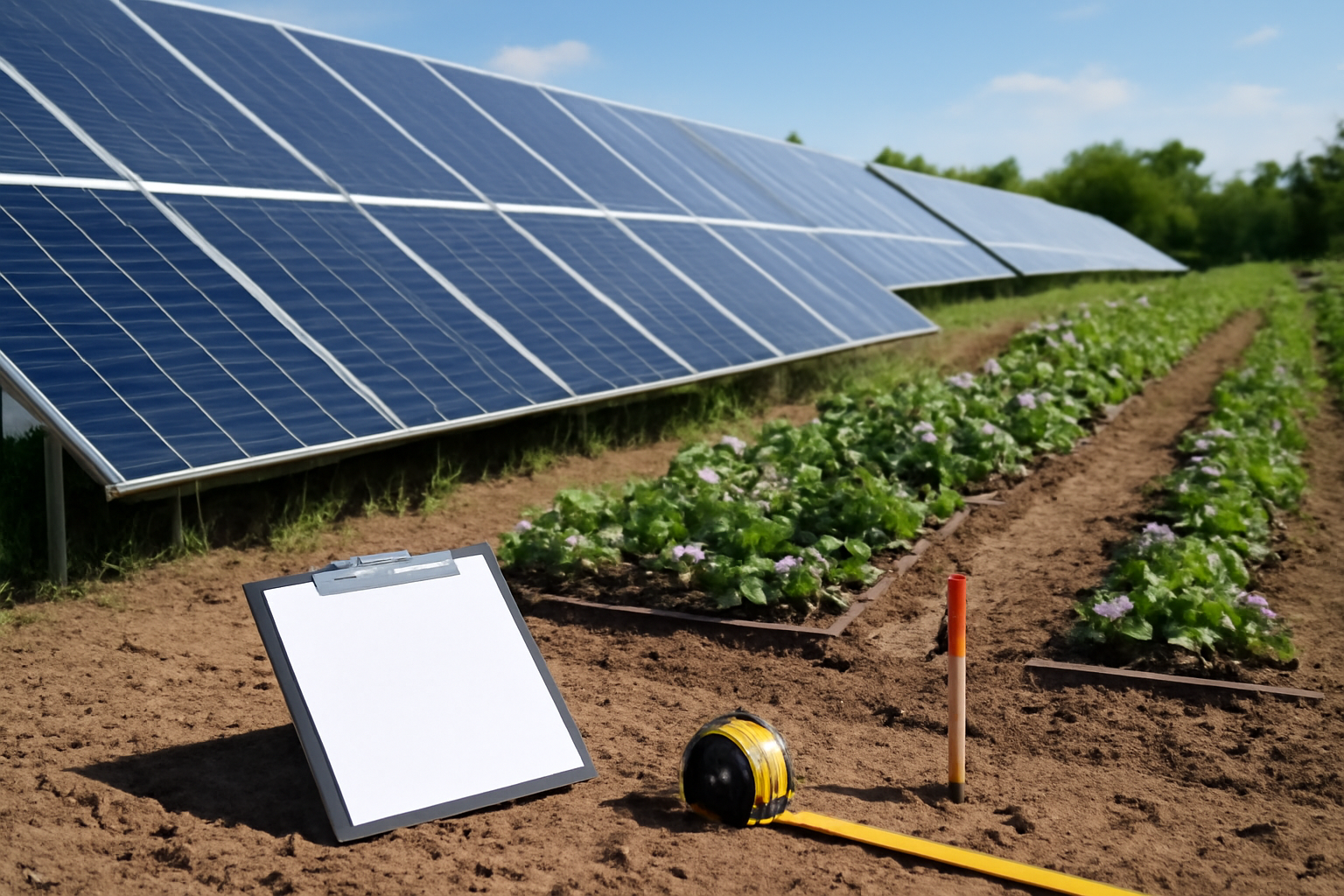
Uz direktno solarni i projekti skladištenja energije investicije, a Članstvo u bašti model integrates agrivoltaic concepts, blending solarna farma operation with agricultural productivity. Access requires a Jednokratna članarina od 200 evra, što doprinosi kapitalu razvoju solarne energije. Opciono. Mesečna pretplata od 20 evra isporučuje 18 godišnjih pošiljki svežeg, lokalno uzgajanog povrća članovima, podstičući angažovanje zajednice i optimizaciju korišćenja zemljišta.
Prihodi od solarnog projekta pokrivaju troškove programiranja zajednice i operativne troškove putem transparentnog aranžmana plaćanja i depozita, osiguravajući da finansijski tokovi namenjeni energetskoj infrastrukturi i agrovoltaičnim aktivnostima ostanu odvojeni i da se njima upravlja pod mehanizmima dvostruke kontrole.
Komponente troškova i investicioni zahtevi
Pragovi ulaska za energetske investicije u Solar Plus Gardenu počinju sa najmanje €500, omogućavajući pristup malim i srednjim investitorima bez obaveznog učešća u članstvu u Gardenu. Međutim, pridruživanje Garden zajednici otključava dodatne pogodnosti vezane za agronaponski model i društveni uticaj.
Troškovi vezani za investiciju uključuju:
- Jednokratna članarina (200 evra): Omogućava pristup upravljanju zajednicom i pogodnostima bašte;
- Mesečna pretplata za Garden Box (20€): Opciono, isporučuje sezonske, organske poljoprivredne proizvode u skladu sa agrivoltaičnom poljoprivredom;
- Raspodela kapitala: Vremenski određeno prema fazama projekta kao što su prethodna inkorporacija (pravno osnivanje estonskog OÜ završeno 20.02.2026.) i naknadne strukturne prekretnice, omogućavajući fazno ulaganje usklađeno sa rezultatima projekta.
Investitorski fondovi se upravljaju putem regulisanog sistema plaćanja i model depozita, što osigurava da raspodele odgovaraju definisanim fazama projekta i da ih odobravaju imenovani kontrolori projekta pre isplate.
Rizici povezani sa investicijama u solarnu energiju
Investicije u solarnu energiju po svojoj prirodi nose regulatorne, finansijske i operativne rizike. Regulatorni rizici uključuju promene fid-in tarifa, okvira subvencija ili zahteva za dozvole koje mogu promeniti projektovane novčane tokove. Finansijski rizici se odnose na ograničenja likvidnosti ili fluktuacije tržišnih cena električne energije i sertifikata za obnovljivu energiju.
Operativni rizici obuhvataju potencijalna kašnjenja u izgradnji, lošije performanse solarnih modula i invertora, kao i zastoje vezane za održavanje. Ublažavanje uključuje korišćenje dokazanih brendovi fotonaponske (PV) tehnologije sa definisanim stopama degradacije (tipično godišnji pad efikasnosti od 0,5% do 1%), i uključivanjem platformi za praćenje učinka u realnom vremenu povezanih sa timovima za upravljanje imovinom.
Pravna jasnoća se uspostavlja unapred definisanjem korporativne strukture (estonski OÜ i srpski DOO) i sprovođenjem ugovorne zaštite investitora. Projekat eksplicitno isključuje neformalne aranžmane za depozit, umesto toga se odlučuje za sistem depozita sa dvostrukim ovlašćenjem koji sprečava neovlašćeno korišćenje sredstava. Usklađenost sa Opštom uredbom EU o zaštiti podataka (GDPR) i povezanim finansijskim zakonodavstvom jača transparentnost i bezbednost podataka.
Korak-po-korak putovanje investitora sa Solar Plus Garden-om
Proces uvođenja investitora u kompaniji Solar Plus Garden odvija se na sledeći način:
- Registracija na listi čekanja: Investitori izražavaju interesovanje putem posebnog portala, što omogućava projektnom timu da proceni profil investitora.
- KYC/KYB procedure: Završetak provera „Poznaj svog klijenta“ i „Poznaj svoje poslovanje“ u skladu sa propisima o sprečavanju pranja novca (AML) osigurava verifikaciju identiteta i finansijske podobnosti.
- Izbor investicije: Investitori biraju između učešća u kapitalu ili instrumenata sa fiksnim prinosom, vođeni sveobuhvatnim objašnjenjima o scenarijima rizika i prinosa osmišljenim da odgovaraju individualnim tolerancijama na rizik.
- Članstvo u baštenskoj zajednici: Investitori se mogu odlučiti da se pridruže programu članstva u Gardenu, plaćajući naknadu od 200 evra i opciono se pretplaćujući na mesečne isporuke proizvoda, integrišući koristi zajednice sa svojom investicijom u solarnu energiju.
Pored toga, program pridruženih partnera pojednostavljuje angažovanje u četiri koraka: registracija, odobrenje u roku od 48 sati, investiciona akcija i tekuća interakcija. Ovaj efikasan proces uvođenja u posao uravnotežuje brzinu sa strogom dužnom pažnjom kako bi se ispunili regulatorni i operativni standardi.
Poređenje investicija u solarnu energiju sa drugim rešenjima za energetsku infrastrukturu
Solarne farme obezbeđuju vlasništvo nad opipljivom, stvarnom imovinom koja proizvodi obnovljivu električnu energiju sa fiksnim operativnim troškovima. U poređenju sa proizvodnjom električne energije zavisnom od goriva, solarna infrastruktura ima koristi od minimalnih varijabilnih troškova - prvenstveno održavanja, osiguranja i operativnog nadzora - što daje predvidljivije dugoročne novčane tokove u stabilnim regulatornim okruženjima.
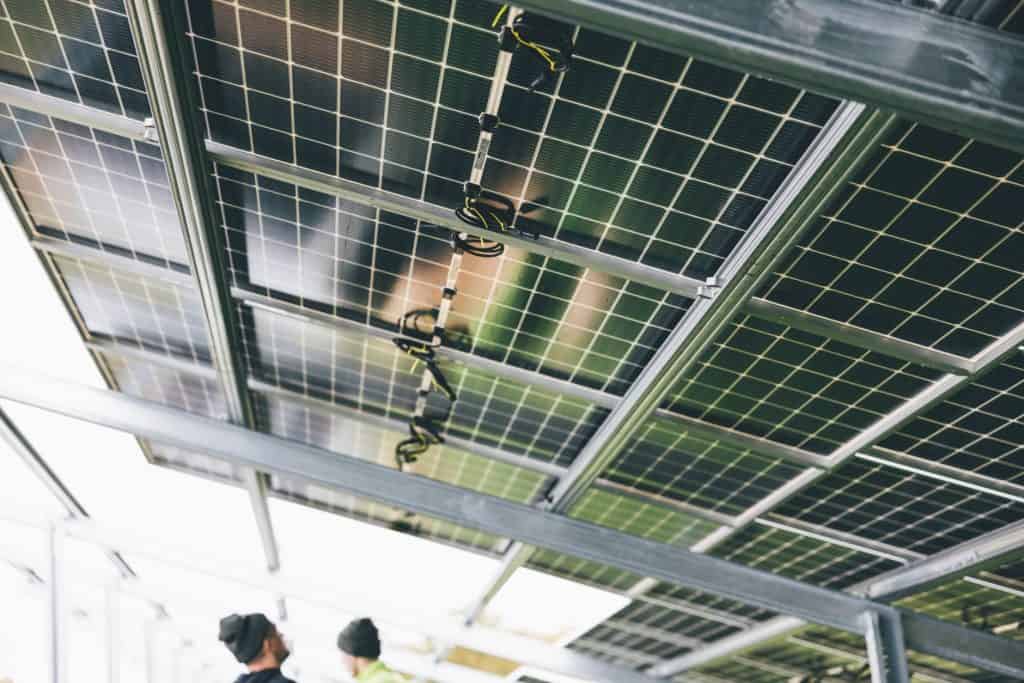
Integracija agrivoltaiku optimizuje korišćenje zemljišta kombinovanjem nizova solarnih panela sa poljoprivredom, povećavajući produktivnost zemljišta do 60%, kako je prijavljeno u studijama sistema dvostrukog korišćenja zemljišta. Model zajednice Solar Plus Garden podržava do 3.000 poljoprivrednih parcela upravljano prema ovom konceptu, isporučujući 18 godišnjih pošiljki of fresh vegetables per Baštenska kutija subscription, thereby fostering local food security alongside clean energy generation.
Kombinovanje solarni i skladištenje Rešenja poboljšavaju otpornost infrastrukture rešavanjem problema koji su svojstveni solarnim fotonaponskim sistemima. Sistemi za skladištenje baterija omogućavaju kontrolu raspodele energije, stabilizaciju mreže i usluge odgovora na potražnju, što poboljšava vrednovanje energetske imovine i pruža robusnu... komercijalna solarna energija diverzifikacija portfolija.
Lokalno tržište i regulatorno okruženje
Solar Plus Garden posluje u okviru dve jurisdikcije — Estonije kao članice EU i Srbije kao balkanske zemlje — što nalaže usklađenost sa različitim regulatornim režimima. Estonski OÜ entitet pruža okvir upravljanja u skladu sa propisima EU, dok srpski DO upravlja lokalnim operacijama i agrofotonskim sistemima zajednice u skladu sa srpskim korporativnim zakonom.
Projekat je u skladu sa Opšta uredba EU o zaštiti podataka (GDPR) i sprovodi transparentnu politiku kolačića uvedenu u martu 2026. godine radi regulisanja rukovanja digitalnim podacima na svojoj platformi. Dokumentacija za investitore i ugovori sa akcionarima su usklađeni sa direktivama EU o finansijskom tržištu i srpskim zakonskim normama, obezbeđujući pravnu čvrstinu.
Pozicioniranje na ovim regionalnim tržištima omogućava pristup instrumentima politike koji se razvijaju, uključujući aukcije obnovljivih izvora energije, šeme određivanja cena ugljenika i zelene finansijske okvire, koji zajedno podržavaju skalabilno raspoređivanje rešenja za solarnu infrastrukturu.
Izgledi za rast investicija u solarnu energiju
Tržišne projekcije ukazuju na održivi rast srednjih komercijalnih solarnih projekata, vođen smanjenjem troškova u proizvodnji fotonaponskih panela, napretkom u invertorskim tehnologijama i sve većom integracijom hibridnih sistema. solarni i skladištenje sistemi. Investicione platforme koje uključuju modele zajednice i agronaponske proizvode dobijaju na zamahu širenjem učešća investitora izvan tradicionalnih institucionalnih kanala.
Transparentno upravljanje platforme Solar Plus Garden, jasne pravne strukture i ugrađene koristi za zajednicu stvaraju model koji se može replicirati i pogoduje skaliranju na tržištima u razvoju sa neiskorišćenim solarnim potencijalom. Ovaj pristup koristi stabilne prilive kapitala i diverzifikovane tokove prihoda od prodaje energije i agrofotonskih proizvoda.
Angažovanje zajednice, obuhvaćeno strukturiranim članstvom u Gardenu, prelazi iz sporednog u osnovni pokretač održivosti projekta, omogućavajući kontinuirano reinvestiranje kapitala za operativne troškove, održavanje i buduće širenje.
Česta pitanja
- Koja je minimalna investicija potrebna za učešće u programu Solar Plus Garden?
- Minimalna početna investicija je 500 evra, nezavisno od članstva u Gardenu. Gardenska zajednica zahteva posebnu jednokratnu članarinu od 200 evra, koja podržava inicijative zajednice finansirane prihodima od solarne energije.
- Kako je članstvo u Gardenu povezano sa ulaganjem u solarnu energiju?
- Članarine za baštu se namenjuju za finansiranje solarnog projekta, a prihod ostvaren solarnim sredstvima finansira aktivnosti zajednice i operativne troškove. Ovo stvara model kružnog finansiranja koji povezuje investicije u energetsku infrastrukturu sa koristima agrovoltaične zajednice.
- Koje pravne zaštite postoje za investitore u ovoj kompaniji za ulaganje u solarnu energiju?
- Pravna struktura uključuje estonsko OÜ i srpsko DOO, što obezbeđuje usklađenost sa dvostrukom jurisdikcijom. Investitorski fondovi se upravljaju korišćenjem regulisanog modela plaćanja i eskroua koji uključuje dvostrano ovlašćenje pre bilo kakvog troška, minimizirajući zloupotrebu i povećavajući transparentnost.
- Da li investitori mogu ranije da izađu iz svoje investicije u solarnu energiju ako je potrebno?
- Opcije izlaska zavise od izabranog investicionog puta. Akcionari kapitala suočavaju se sa dugoročnijim periodima držanja, obično vezanim za operativni životni ciklus imovine, dok instrumenti sa fiksnim prinosom mogu imati unapred definisane uslove prevremenog otkupa. Detalji se otkrivaju tokom uvođenja u akcije kako bi se investitori informisali o donošenju odluka.
Zaključak
Investitori koji žele da učestvuju u regulisanom i transparentnom kompanija za investicije u solarnu energiju Savetuje se da počnu registracijom na listi čekanja za Solar Plus Garden. Naknadni procesi dužne pažnje i izbora investicija osiguravaju usklađenost sa individualnim finansijskim ciljevima i tolerancijom na rizik. Ovaj metodični pristup uravnotežuje dvostruke ciljeve postizanja stabilnih prinosa portfolija i negovanja učešća zajednice kroz agrivoltaiku.
Uslovi ulaganja podložni su promenama u regulativi tržišta, usvajanju tehnologije i političkim okvirima. Preporučuje se kontinuirano praćenje putem zvaničnih komunikacija o projektu kako bi se održala ažurna svest i optimizovali rezultati ulaganja u okviru evoluirajućeg pejzaža čiste energije i infrastrukture.