









Exploring Alternatives to Real Estate Investing for Diversified Portfolios in 2026

Understanding the Limitations of Traditional Real Estate Investing
Real estate investing remains a foundational asset class within diversified portfolios, offering tangible property ownership and income potential through rentals or capital appreciation. However, the conventional approach to invest in real estate, especially direct ownership of commercial real estate or residential properties, involves notable constraints that affect investor accessibility and flexibility.
- Barriers to entry: Minimum investment amounts for direct real estate commonly start at approximately €100,000 for residential properties and upward of €20,000 to €50,000 for participation in established commercial real estate funds. These thresholds limit accessibility for small and medium investors seeking to diversify without committing large capital sums.
- Market volatility and regional risk factors: Real estate markets experience volatility influenced by local economic cycles, changes in zoning laws, property taxation updates, and evolving landlord-tenant regulations. This results in geographically concentrated risk exposure and variable rental income stability.
- Operational management requirements: Property owners must engage in continuous maintenance, legal compliance, tenant relationship management, and handling potential vacancies. These operational tasks introduce time and cost commitments that may detract from passive investment goals.
- Illiquidity and transaction timelines: The process of selling physical real estate assets typically requires 4 to 8 months from listing to closing, restricting the ability to quickly adjust portfolio composition in response to market shifts or liquidity demands. This contrasts with more liquid alternative assets.
Given these parameters, investors increasingly explore alternative real estate investments that can provide more accessible entry points, operational simplicity, and enhanced liquidity profiles in 2026.
Investing in Solar Energy Projects as a Sustainable Alternative
Solar energy projects offer an emerging alternative real estate investment channel with defined operational frameworks and community participation models that align with sustainability objectives. Solar Plus Garden exemplifies this by combining a 10 MW solarna farma development with an integrated garden community backed by solar revenues.
- Investment minimum and structure: Solar Plus Garden sets a minimum investment at €500, a figure well below typical commercial real estate thresholds, allowing diversified portfolios broader access to clean energy asset classes.
- Investment phases and timelines: The project follows a multi-phase timeline including pre-construction, construction (estimated 12-18 months), operational start (year 2), and subsequent scaling phases. Investors transition through each phase with defined reporting and milestone communication.
- Revenue sources and contractual stability: Income derives from power purchase agreements (PPAs) or feed-in tariffs regulated under current EU renewable energy policies, providing predictable cash flows over 15-20 year contract durations. Additionally, community membership fees contribute to operational budgets supporting communal activities.
- Decoupled ownership and community access: Unlike real estate investing where owning property is prerequisite to income and use, Solar Plus Garden’s membership model allows investors to access community benefits and local produce without direct solar asset equity ownership, expanding participation potential while maintaining transparent governance.
- Legal and governance framework: Solar Plus Garden is structured as an Estonian OÜ, subject to EU corporate regulations, with clear investor rights, escrow-backed payments, and transparent financial oversight documented in the project’s decision log.
This regulatory and operational rigor supports solar energy projects as an alternative asset class providing sustainable income and diversification beyond traditional real estate investing strategies.
Real Estate Crowdfunding Platforms: Accessible Alternatives for Smaller Investors
Real estate crowdfunding platforms democratize investment access by fractionalizing large commercial and residential projects into smaller stakes, thereby enabling investors to participate with substantially reduced capital commitment.
- Fractional investment minimums: Online real estate crowdfunding platforms typically accept minimum investments ranging from €500 to €5,000, lowering the barrier compared to direct property investments and allowing participation in diversified portfolios.
- Return profiles by project type: Returns from crowdfunding investments generally arise from rental income distributions or capital appreciation upon project sell-out. Yield expectations vary according to property class, location (urban vs suburban), and lease structure, with typical gross annualized returns in the range of 5%-10%, subject to platform fees and performance risk.
- Platform risk and regulatory oversight: Investor protections differ markedly within the EU due to divergent member state regulations governing crowdfunding activities. Platforms complying with the European Crowdfunding Service Providers Regulation (ECSPR) provide standardized disclosure and investor safeguards. Due diligence is critical to assess platform transparency, governance, and regulatory compliance.
- Leading platforms and market positioning: Top platforms in 2026 distinguish themselves through clear fee structures, verified project pipelines, and robust secondary markets, enabling partial liquidity—a feature uncommon in direct real estate holdings.
Real estate crowdfunding platforms furnish a viable alternative real estate investment strategy by allowing investors to diversify exposure across multiple projects and geographies without the operational complexity of owning property.
Real Estate Investment Trusts (REITs): Liquid Exposure to Property Markets
Real estate investment trusts (REITs) continue to be an essential real estate investment strategy for obtaining liquid exposure to diversified commercial real estate portfolios without direct ownership responsibilities.
- Dividend yields and income consistency: European REITs commonly distribute between 85%-90% of taxable income as dividends, yielding approximately 3% to 6% annually. This dividend stream constitutes a significant component of total returns, alongside potential capital appreciation.
- Types of REITs and liquidity characteristics: Publicly traded REITs offer daily liquidity through stock exchanges, facilitating portfolio rebalancing. Non-traded or private REITs, by contrast, often impose lock-up periods ranging 2 to 5 years and limited secondary market activity, restricting immediate liquidity but potentially providing lower volatility.
- Taxation and regulatory considerations: Jurisdiction-specific tax regimes govern REIT distributions, frequently allowing pass-through taxation to avoid corporate double taxation. Investors should consult tax advisors to optimize returns based on their domicile and investment structure.
- Portfolio diversification role: REITs serve as a liquid alternative asset that can hedge portfolio real estate exposure by offering property market participation with increased flexibility and scalability.
Investors using REITs benefit from regulated, trust-based structures that balance yield generation with liquidity, complementing other real estate strategies.
Incorporating Agrivoltaic Investments for Dual-Use Land Utility and Returns
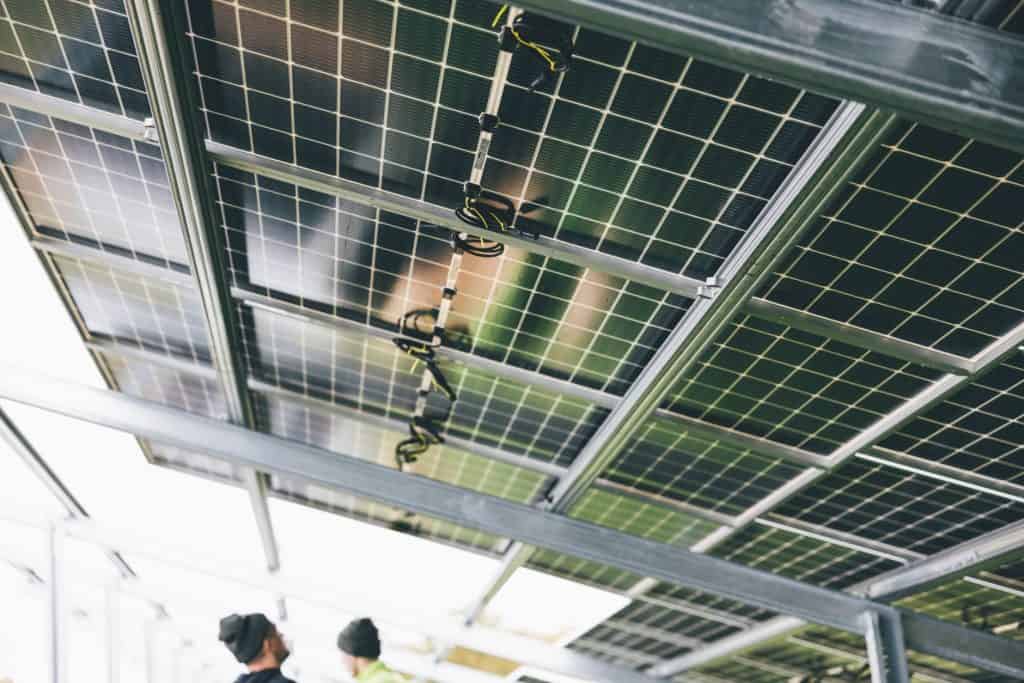
Agrivoltaic systems—where solar panels are integrated with agricultural land use—represent an innovative alternative real estate investment merging sustainable energy production with local food cultivation.
- Dual revenue streams: Investors capture value from both solar power sales and agricultural yields, mitigating single-industry risk through diversified cash flows. This co-location model improves land-use efficiency and enhances asset resilience.
- Legal and operational separation: Solar Plus Garden applies industry best practice by maintaining separate legal entities for solar operations (Estonian OÜ) and garden community engagement (Serbian DOO). This separation delineates operational risks and governance responsibilities, enhancing transparency and limiting cross-liability.
- Scalable community engagement: The garden community offers up to 3,000 individual parcels, each representing leasehold or subscription rights tied to fresh local produce. This scale supports sustainable community development and stable operational funding streams.
- Subscription-based garden box model: Participants can subscribe to a €20 monthly garden box service delivering approximately 18 shipments of seasonal vegetables per year. This model aligns agricultural production with consumer demand and community membership revenue.
Agrivoltaic investments integrate real estate strategies with environmental and social impact considerations, providing a sophisticated alternative investment profile for portfolios emphasizing sustainability and community engagement.
Private Debt and Equity Funds: Real Estate Alternatives with Defined Risk-Return Profiles
Private debt and equity funds targeting real estate or infrastructure assets offer structured alternative investment opportunities with defined risk-return characteristics suited for investors requiring robust governance without direct ownership responsibilities.
- Fund strategies and structure: These funds deploy capital through senior or mezzanine debt and equity positions in real estate developments or operating assets, employing bank-like underwriting and asset monitoring protocols aligned with investment mandates.
- Risk factors: Risks include borrower creditworthiness, collateral liquidation values, and macroeconomic influences on underlying real estate markets. Typical investment durations range from 3 to 7 years, depending on the fund’s deployment strategy and exit planning.
- Liquidity limitations and investor governance: Unlike public REITs, private funds usually lack secondary markets and require investors to commit capital for fixed terms. However, they provide governance through fund boards, regular reporting, and sometimes co-investment opportunities.
- Minimum investment and yield expectations: Private real estate debt funds often require minimum commitments around €50,000, reflecting operational and regulatory costs. Target net yields generally range between 5% and 8% annualized, varying by risk appetite and portfolio composition.
This asset class caters to investors with moderate-to-high risk tolerance focused on income stability and capital preservation in alternative real estate investments.
Evaluating Tokenized Real Estate and Blockchain-Based Alternatives in 2026
Tokenized real estate leverages blockchain technology to represent fractional ownership interests via digital tokens, introducing novel alternative real estate investment routes with varying liquidity features.
- Minimum investments and fractionalization: By subdividing property ownership into digital tokens, platforms enable minimum investments often below €1,000, enhancing accessibility to diversified real estate opportunities.
- Usklađenost sa propisima: Platforms operating within the EU comply with the Markets in Crypto-Assets Regulation (MiCA), imposing investor protection requirements such as transparent disclosures, anti-money laundering measures, and safeguarding token custody protocols.
- Liquidity mechanics: Some tokenized real estate platforms maintain secondary marketplaces allowing token trading. However, liquidity depth varies, and tokens may be subject to lock-up provisions or limited buyer pools depending on jurisdictional regulation and platform design.
- Operational challenges: Issues such as uneven legal clarity, technology adoption rates, and token price volatility require investors to conduct rigorous platform due diligence and risk management prior to allocation.
While tokenized real estate offers a potentially transformative alternative asset, it remains a nascent market segment requiring careful evaluation of regulatory environments, technology reliability, and trading liquidity throughout 2026.
Često postavljana pitanja (FAQ)
What are the typical minimum investments required for alternatives to real estate investing?
Minimum investment thresholds vary by asset type: solar energy projects like Solar Plus Garden require a minimum of €500; real estate crowdfunding platforms range from approximately €500 to €5,000; private debt funds often start at €50,000; and direct commercial real estate investments typically begin at €20,000 with residential properties often higher. These minima reflect varying capital structures and operational complexities.
How do community membership models work in solar investments compared to owning property?
Članstvo u zajednici models, exemplified by Solar Plus Garden, allow participants to contribute membership fees that support solar farm operations and related community farming activities without necessitating direct equity ownership of solar infrastructure. This model separates benefits such as fresh produce and community engagement from asset ownership, offering broader inclusion and simplified governance.
What liquidity options exist when investing in alternative real estate assets?
Liquidity profiles differ substantially: publicly traded REITs and some tokenized real estate platforms provide daily or near-daily liquidity through exchanges or secondary markets. Crowdfunding investments and private debt funds often involve lock-up periods ranging from several months to multiple years. Direct property ownership typically requires transaction timelines of 4 to 8 months for sale completion, impacting portfolio flexibility.
Are returns from solar energy investments comparable to traditional real estate investments?
Solar energy investments generate stable cash flows backed by long-term contracts such as power purchase agreements, providing income streams less correlated with traditional real estate market cycles. While specific returns depend on contract terms, project scale, and regulatory environment, solar projects like Solar Plus Garden emphasize transparent, regulated structures integrating community benefits alongside financial returns.
Zaključak
Investors seeking to diversify real estate exposure in 2026 can consider a spectrum of alternative real estate investment strategies. Renewable energy projects with community membership models, such as Solar Plus Garden’s 10 MW solar farm, offer sustainable income with low minimum investments. Real estate crowdfunding platforms and REITs provide accessible and liquid alternatives, while agrivoltaiku combine dual-use land assets with environmental impact. Private debt and equity funds offer structured risk-return profiles suited for larger commitments, and tokenized real estate introduces blockchain-based fractional ownership, though it remains emergent.
Selection among these options should be guided by careful assessment of investment minimums, liquidity needs, regulatory clarity, governance mechanisms, and alignment with portfolio risk tolerance and sustainability objectives.