Preskoči na sadržaj








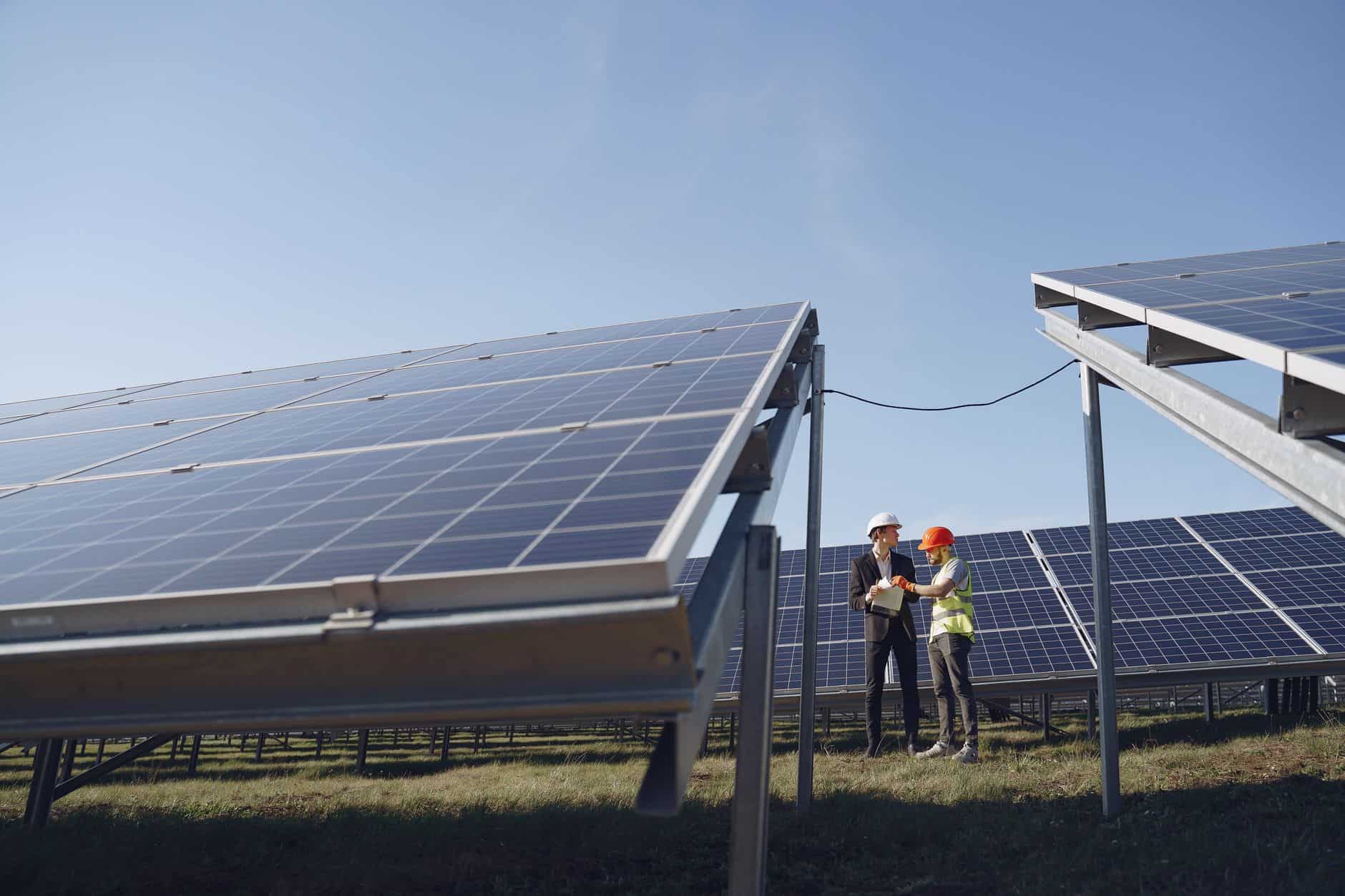
Agrivoltaics Challenges and How Projects Deal With Them Efficiently
Site Selection and Land Use Constraints in Agrivoltaics
Integracija agrivoltaiku requires thorough site assessments to optimize dual-use of land, balancing solar projects with viable agricultural production. Typical capacity density for agrivoltaic projects ranges between 0.65 to 1 MW per hectare, depending on crop shading tolerance and panel layout. For a 1 MW agrivoltaic system, required land area generally spans 1 to 1.5 hectares, accounting for panel spacing and agricultural machinery access.
EU regulations, such as those referenced under the European Common Agricultural Policy (CAP), often limit shading on crops to a maximum of 30% to preserve photosynthetic activity and yield stability. This threshold guides the permitted panel density and arrangement on arable land classified as agricultural.
Legal restrictions on converting agricultural land into energy production zones vary by jurisdiction but frequently include:
- Mandatory retention of agricultural use rights under land zoning laws to protect food production capacity.
- Dual-use land definitions that require land-use permits specifying the maximum solar footprint per hectare—often limiting array coverage to 25-35% of total parcel area.
- Considerations of multi-owner parcels, requiring negotiated agreements to ensure all stakeholders consent to installation and sustained farming operations.
Due diligence on land title structure and local regulations is critical before project commitment, often necessitating engagement with agricultural cooperatives or land registries to confirm dual-use feasibility without incurring legal disputes.
Technical Challenges of Integrating PV Panels with Crop Growth
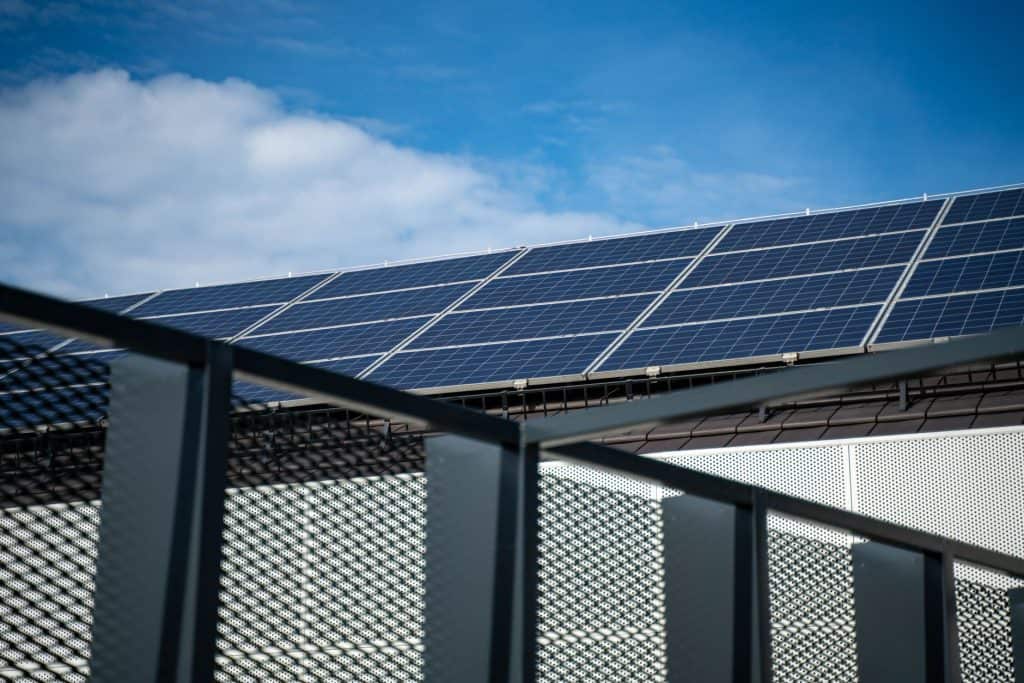
Solar developers face technical complexity in designing agrivoltaic systems that optimize simultaneous solar energy generation and crop growth. Panel height is a principal parameter; commercial agrivoltaic installations typically mount panels at 3.5 to 4.5 meters above ground to accommodate standard farm machinery, such as tractors with implements up to 3 meters high.
Panel tilt and orientation critically affect shading patterns. Adjustable-angle solar trackers or manually tiltable mounts allow seasonal variation—panel angles range from 10° to 35° tilt. For example, during low solar altitude months (winter), panels may be tilted steeper (up to 35°) to increase diffuse light penetration beneath the arrays, while in summer, panels flatten (around 10°) to provide partial shade that mitigates heat stress on specific crops.
Panel spacing design employs ratios of solar panel row width to spacing (1:2 to 1:3), balancing solar access for photosynthesis with energy yield. This spatial arrangement influences soil microclimate by reducing daytime soil surface temperature by up to 3–5°C compared to open fields, which in some crops correlates with improved water-use efficiency.
Microclimatic variables such as humidity, wind flow, and soil moisture retention are altered beneath panels; site-specific agronomic trials must evaluate these parameters and their impacts on crops over at least two growing seasons before commercial scale-up.
- Panel heights between 3.5 and 4.5 meters accommodate tractors with working clearance between 3 and 3.3 meters.
- Adjustable tilt systems operate within 10°–35° seasonal ranges to optimize sunlight exposure and shading per crop requirements.
- Typical panel spacing ratios of 1:2 to 1:3 allow 30% or less shading on crops.
- Microclimate changes can reduce soil temperature by 3–5°C and decrease evaporation rates by 10–15%, affecting irrigation schedules.
Navigating Regulatory and Permitting Barriers
Permitting agrivoltaic solar projects involves compliance with intersecting regulatory regimes for both energy infrastructure and agricultural land use. As of 2026, project developers often initiate concurrent applications with:
- Local agricultural zoning authorities to confirm dual-use land eligibility.
- Energy regulators for grid connection rights and compliance with photovoltaic equipment standards (e.g., IEC 61215 for PV module reliability).
- Environmental agencies mandating Integrated Environmental Impact Assessments (EIA) per EU Directive 2014/52/EU, addressing soil health, biodiversity, water resources, and landscape visual effects.
EIA for agrivoltaics must explicitly analyze combined impacts of solar technology and agricultural practices, including potential soil compaction risks from construction and risks to pollinators due to shading and microclimate changes.
Permitting timelines for agrivoltaic systems extend from 9 to 18 months, longer than standalone solar or agricultural projects, due to coordination among multiple authorities and the uniqueness of dual-use land classification. Early consultation with all relevant agencies is advised to reduce processing risks.
- Permitting requires integrated applications addressing agricultural land use and solar infrastructure standards.
- EIAs follow Directive 2014/52/EU with specific focus on agrivoltaic combined environmental effects.
- Lead times range between 9 and 18 months contingent on local zoning regulations and documentation completeness.
Maintenance Complexities in Agrivoltaic Systems
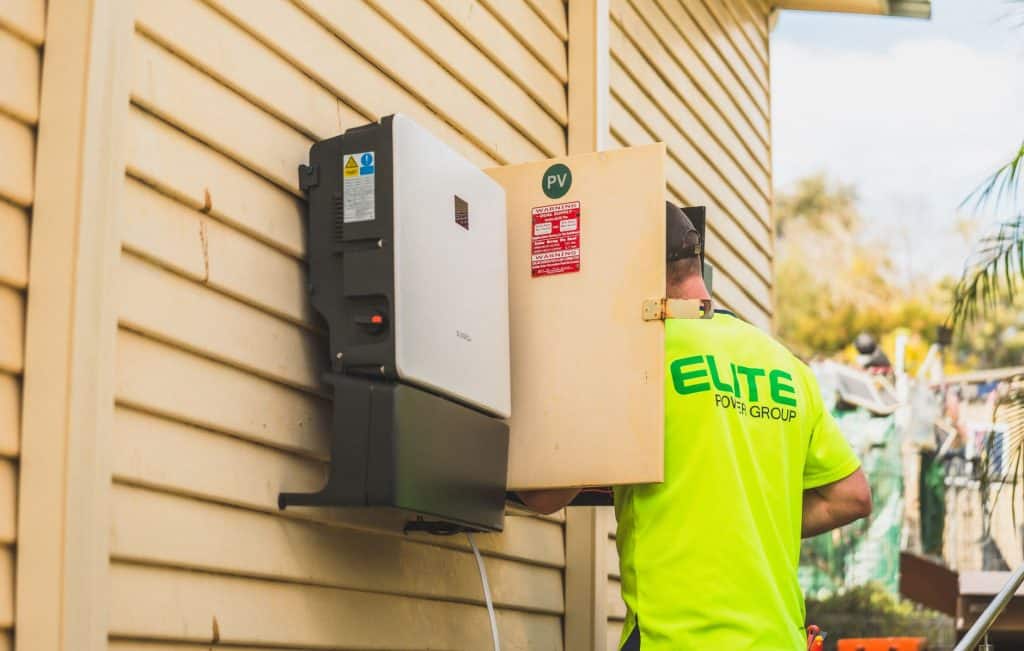
Agrivoltaic solar developers confront maintenance challenges heightened by the interaction of agriculture and PV infrastructure. Increased dust accumulation from agricultural activities, including soil disturbance and crop pollen, demands panel cleaning cycles every 4 to 6 weeks, compared to 8-12 weeks typical for open-field solar farms.
Panel mounting heights and spacing are designed to comply with ISO 12100 safety standards regarding machinery clearance, and to facilitate safe, scheduled maintenance without crop damage during sensitive growth stages.
Integration of Internet of Things (IoT) technologies is increasingly employed to monitor solar fotonaponska system performance alongside real-time agronomic metrics such as soil moisture sensors, leaf chlorophyll fluorescence, and temperature probes. This unified monitoring supports predictive maintenance scheduling, reduces unplanned downtime, and optimizes both energy and agricultural outputs.
Maintenance operational costs are elevated by 20–30% relative to conventional solar projects, reflecting additional agronomic labor, cleaning frequency, and coordination with farming activities.
- Panel cleaning frequency typically every 4–6 weeks versus 8–12 weeks for conventional solar.
- Panel clearance designs conform to ISO 12100 to ensure safe machinery operation beneath arrays.
- IoT platforms integrate photovoltaic module monitoring with agronomic sensors to optimize maintenance.
- Maintenance cost and time extend 20–30% beyond standard solar farm expectations.
Financial Structuring and Investment Complexity in Agrivoltaics
Capex for agrivoltaic projects exceeds conventional solar installations due to customized hardware—adjustable mounting systems cost 15% to 25% more, and higher structural supports increase material and installation expenses. Installation time also extends by 10–20%, driven by added complexity in balancing both crop and energy requirements.
Revenue streams combine electricity sales under typical feed-in tariff structures—e.g., €0.12 per kWh in select EU countries (subject to change)—with sale of agricultural produce grown under partial shading. The latter usually realizes 70% to 80% of yield compared to open-field farming, with price variations linked to crop type and market conditions.
Financial models segment risks into energy generation (weather variability, panel performance) and agriculture (crop growth variability, microclimate effects). Investors often allocate capital into separate vehicles or tranches to differentiate solar infrastructure risk from agro-production risk, facilitating clearer risk-return profiles.
- Customization-related capex premiums range from 15% to 25% over standard PV projects.
- Revenue sources include feed-in tariffs for electricity and market sales of partially shaded crops.
- Investment vehicles segregate solar and agricultural risks to clarify investor exposure.
Managing Community and Farmer Engagement Challenges
Social acceptance of agrivoltaic projects depends on effective alignment of farmers, investors, and local communities with divergent priorities. Farmers prioritize crop productivity and land access, investors seek reliable returns, and communities emphasize environmental and social benefits.
Solar Plus Garden’s membership model illustrates a practical approach: access to the Garden community requires payment of a membership fee (€200 one-time), detached from direct investment in solar infrastructure. This fee consolidates funds for solar operation and community garden activities, promoting inclusion without mandating capital investment.
Programmatic communication includes agronomic support workshops, transparent financial reporting of revenue allocation, and structured feedback channels to maintain trust and manage expectations throughout the project lifecycle.
- Stakeholder interests differ: productive land use for farmers, investment stability for financiers, environmental goals for communities.
- Effective communication leverages agronomic advisory services and transparent reporting.
- Solar Plus Garden advances community engagement through membership fees pooled to fund solar operations and garden projects independent of direct solar investment.
Unresolved Agrivoltaic Challenges Affecting Scalability
Large-scale agrivoltaic deployment is constrained by limited long-term agronomic data. Most pilot projects have monitoring periods under five years, insufficient to fully assess multi-seasonal crop yield variability and system resilience under climate fluctuations.
Financial models face unpredictability from evolving subsidy regimes and sustainability criteria post-2026, with national feed-in tariff adjustments and evolving cross-compliance rules impacting revenue forecasts.
Technologically, full dynamic agrivoltaic systems that automate panel tilt and spacing adjustments to various crop cycles have yet to mature. Current commercially available solutions focus on seasonal manual adjustments or limited mechanized rotation, restricting responsiveness to intra-seasonal growth phases.
- Most pilot projects provide incomplete multi-year yield variance data, limiting generalizability.
- Post-2026 subsidy and regulatory frameworks remain volatile, requiring ongoing financial revision.
- Fully automated dynamic agrivoltaic systems are under development but not yet widely deployed.
Illustration: Year-by-Year Cost and Benefit Breakdown for a 1 MW Agrivoltaic Pilot
This table projects capital expenditure (Capex), operational expenditure (Opex), and revenue streams over a decade for a hypothetical 1 MW agrivoltaic pilot based on realistic assumptions.
| Year | Capital Expenditure (€ / Year) | Operational Expenditure (€ / Year) | Electricity Revenue (€ / Year)* | Agricultural Revenue (€ / Year)** | Net Cash Flow (€ / Year) |
|---|---|---|---|---|---|
| 1 | 1,200,000 | 50,000 | 0 | 0 | -1,250,000 |
| 2 | 0 | 100,000 | 120,000 | 15,000 | 35,000 |
| 3 | 0 | 110,000 | 144,000 | 16,000 | 50,000 |
| 4 | 0 | 115,000 | 144,000 | 17,000 | 46,000 |
| 5 | 0 | 120,000 | 144,000 | 18,000 | 42,000 |
| 6 | 0 | 125,000 | 144,000 | 18,500 | 37,500 |
| 7 | 0 | 130,000 | 144,000 | 19,000 | 33,000 |
| 8 | 0 | 135,000 | 144,000 | 19,500 | 28,500 |
| 9 | 0 | 140,000 | 144,000 | 20,000 | 24,000 |
| 10 | 0 | 145,000 | 144,000 | 20,500 | 19,500 |
*Electricity revenue assumes a feed-in tariff of €0.12/kWh and steady annual generation of 1,000 MWh.
**Agricultural revenue assumes crop yields at 70–80% of open field performance due to shading effects, with average market prices stabilized over the period.
Capital expenditure occurs primarily in year 1, reflecting system customization for agrivoltaic integration, including elevated mounting and adjustable panels. Operational expenditures rise gradually due to increased maintenance aligned with agriculture seasonal demands. Revenue generation begins in year 2 after commissioning, combining energy sales and agricultural produce. The payback period occurs between years 6 and 7, contingent on stable input costs and market conditions.
Često postavljana pitanja (FAQ)
What types of crops can successfully grow under agrivoltaic systems?
Crops with partial shade tolerance such as leafy greens (lettuce, spinach), berries (strawberries, blueberries), and some root vegetables (carrots, beets) perform best. Shading under 30% is typically sustainable for these crops, while sun-demanding crops (corn, tomatoes) often require specialized installations with minimal shading.
How does the presence of solar panels affect agricultural maintenance activities?
Solar panels necessitate adaptations in farm operations, including mechanized machinery with restricted height, scheduled agrivoltaic-compatible maintenance to protect crops during critical growth phases, and integration of IoT-based monitoring systems to track both photovoltaic system status and crop health in concert.
Are there specific permits needed for agrivoltaic projects compared to standard solar farms?
Yes, agrivoltaic projects require dual permits addressing agricultural land use and energy infrastructure. Additional environmental impact assessments tailored to capture combined effects on ecosystems and farming operations extend the standard permitting process to commonly over 9–18 months.
How is community membership managed when not all members invest directly in solar infrastructure?
Membership fees finance solar plant operations and community agriculture without mandating direct capital investment in solar infrastructure. The Solar Plus Garden model features a regulated membership fee structure, with transparent funds allocation to both energy and garden activities, enabling broader community participation.
Zaključak
Prospective property owners, project developers, and investors assessing agrivoltaic solar projects should prioritize detailed site evaluations emphasizing land-use legal status and crop-specific shading tolerance. Early collaboration with regulatory authorities expedites permits and reduces legal risk.
Technical integration demands consideration of panel height, tilt, and spacing tailored to local crop microclimates, ensuring operational coexistence of solar and agriculture. Proactive maintenance strategies and technology adoption such as IoT monitoring support sustainable performance over project lifespans.
Financial structuring must account for higher capex and operational complexity inherent to agrivoltaics, while leveraging dual revenue streams and spreading risks across energy and agricultural operations. Continuous monitoring of evolving subsidy frameworks and technology advances remains essential for adaptive investment planning.