









Comprehensive Guide to Successful Organic Grape Production for Vineyards and Home Growers
Essential Site Selection and Soil Fertility Management for Organic Grape Growing
Organic grape production depends on selecting sites with climate and soil conditions that enable vine health and berry quality without synthetic chemical use. The growing season temperature between 10°C and 30°C is optimal, as temperatures below 10°C delay vine phenology and ripening, while highs above 30°C may increase vine stress and reduce sugar accumulation. A minimum of 1,500 hours of direct sunlight during the growing period supports photosynthetic activity vital for sugar synthesis in grape berries.
Soils should offer proper drainage to avoid root hypoxia and associated fungal root diseases. Sandy loam or loamy soils with good tilth are preferred to ensure aeration and water movement.
Organic matter content between 3% and 5% in the top 15 centimeters improves soil moisture retention and provides a reservoir of nutrients through microbial mineralization processes. Soil pH in the range of 5.5 to 7.0 maintains optimal nutrient availability such as nitrogen, phosphorus, potassium, and micronutrients required for vine growth, while supporting beneficial microbial populations, including mycorrhizal fungi that enhance nutrient uptake.
Annual incorporation of well-matured compost at rates up to 30 tons/hectare replenishes soil organic carbon and macro- and micronutrients consistent with organic production standards. Cover crops such as legumes (e.g., clover, vetch) planted between vine rows contribute biologically fixed nitrogen, reducing dependency on external nutrient inputs and improving soil structure through root biomass. Natural mineral amendments—rock phosphate for phosphorus and potassium sulfate for potassium—are applied based on soil test recommendations and within limits defined by organic certification bodies to avoid soil contamination. These steps collectively sustain vine fertility and resilience needed for consistent organic grape growing.
Planting and Training Organic Vines: Techniques for Maximizing Berry Quality
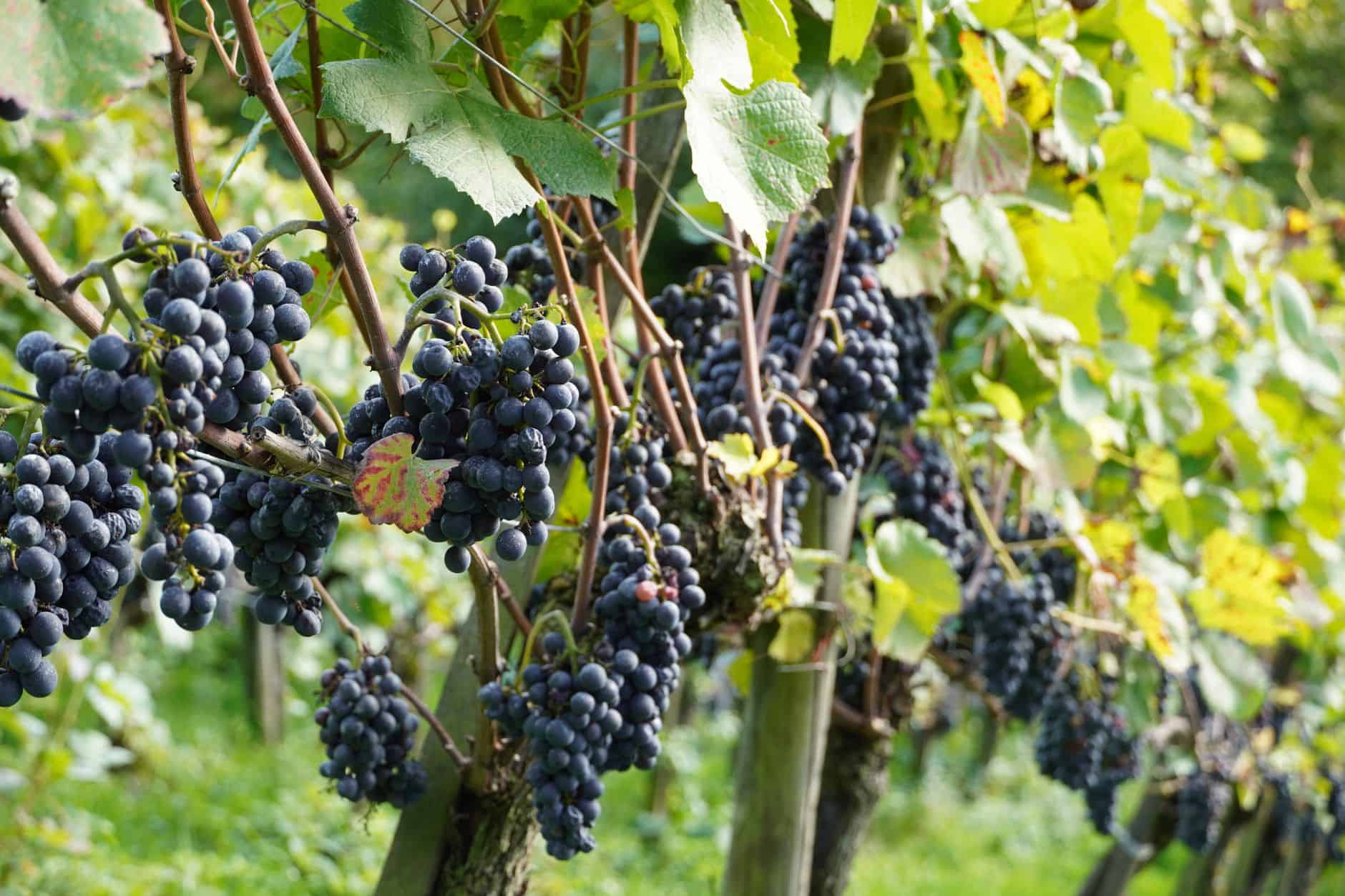
Selection of disease-resistant grape cultivars suitable for organic viticulture is imperative. Varieties such as Concord I Cabernet Sauvignon have moderate to high resistance to powdery mildew and downy mildew, reducing chemical intervention needs. Site-specific climate and soil conditions should guide cultivar selection to optimize adaptability and berry characteristics.
Plant densities in organic vineyards commonly range from 2,000 to 3,000 vines per hectare. This density provides sufficient spacing to enable airflow through the canopy and reduce humidity, a key factor in controlling fungal diseases without synthetic fungicides. It also balances vine competition for nutrients and light to maintain yield potential.
Vertical Shoot Positioning (VSP) training aligns shoots vertically along trellis wires, uniformly exposing leaves and clusters to sunlight, accelerating phenolic development and sugar accumulation while minimizing shading and canopy humidity. This system facilitates mechanical operations where permitted and optimizes manual canopy management.
- Pruning occurs during late winter dormancy to remove unproductive wood, balance bud load, and open the canopy. Timing avoids pruning during wet conditions to minimize infection risk.
- Manual leaf thinning and shoot positioning support airflow and reduce mildew favorable microclimates.
- Synthetic growth regulators are prohibited; vine vigor is managed solely by pruning, canopy shaping, and rootstock selection.
These planting and training techniques improve berry uniformity, flavor development, and disease suppression key to organic viticulture.
Organic Pest and Disease Management in Grape Production: Addressing Mildew and Insect Threats
Effective pest and disease management in organic grape growing utilizes an integrated approach under organic standards, excluding synthetic chemicals.
Powdery mildew (Erysiphe necator) and downy mildew (Plasmopara viticola) are the principal fungal diseases. Both require consistent monitoring, especially during warm, humid conditions that favor outbreaks.
- Sulfur formulations, including wettable sulfur, are applied up to an annual limit of 10 kg/hectare to control powdery mildew. Application timing aligns with the grapevine phenological stages: pre-bloom, bunch closure, and early véraison to maximize efficacy.
- Copper-based fungicides for downy mildew are restricted to 4 kg/hectare annually due to potential soil copper build-up. Use is limited to critical infection periods as defined by weather-driven disease forecasting models to ensure precision application.
Canopy management—training, pruning, and leaf removal—increases sunlight penetration and air flow through grapevine foliage, reducing leaf wetness duration essential for mildew proliferation.
Biodiversity enhancement around vineyards through planting flowering species attracts predatory insects and beneficial arthropods. Biological controls such as predatory mites (e.g., Drobinek persimilis) target mite pests without chemical residues. Application is timed with pest emergence to maintain effective control.
Adherence to organic pest management preserves the vineyard ecosystem, maintains grapevine health, and fulfills certification requirements.
Harvesting and Post-Harvest Handling in Organic Grape Farming for Optimal Winemaking
Harvest initiation is primarily based on target grape berry parameters critical for winemaking quality. Monitoring sugar levels, typically between 22 and 26 °Brix, ensures desired balance with titratable acidity, which should be maintained near 6-9 g/L tartaric acid equivalents depending on wine style. These parameters are measured through weekly sampling starting at véraison until optimal ripeness is reached.
Hand harvesting minimizes berry damage by ensuring precise selection and gentle handling. Mechanical harvesting, though efficient, increases the risk of berry bruising and broken skins, which can introduce oxidation and microbial spoilage incompatible with organic winemaking quality standards.
Following harvest, grapes should be placed in ventilated containers and transported rapidly to processing facilities to avoid thermal damage and microbial proliferation. Sorting tables remove damaged, diseased, or underripe berries to maintain batch consistency.
Pre-processing storage at temperatures between 0 and 4°C inhibits microbial activity without chemicals, preserving fruit integrity and flavor profiles until fermentation begins. These practices comply with organic certification and contribute to premium wine characteristics.
Community-Based Organic Vineyard Models Aligned with Solar Plus Garden’s Agrivoltaic Approach
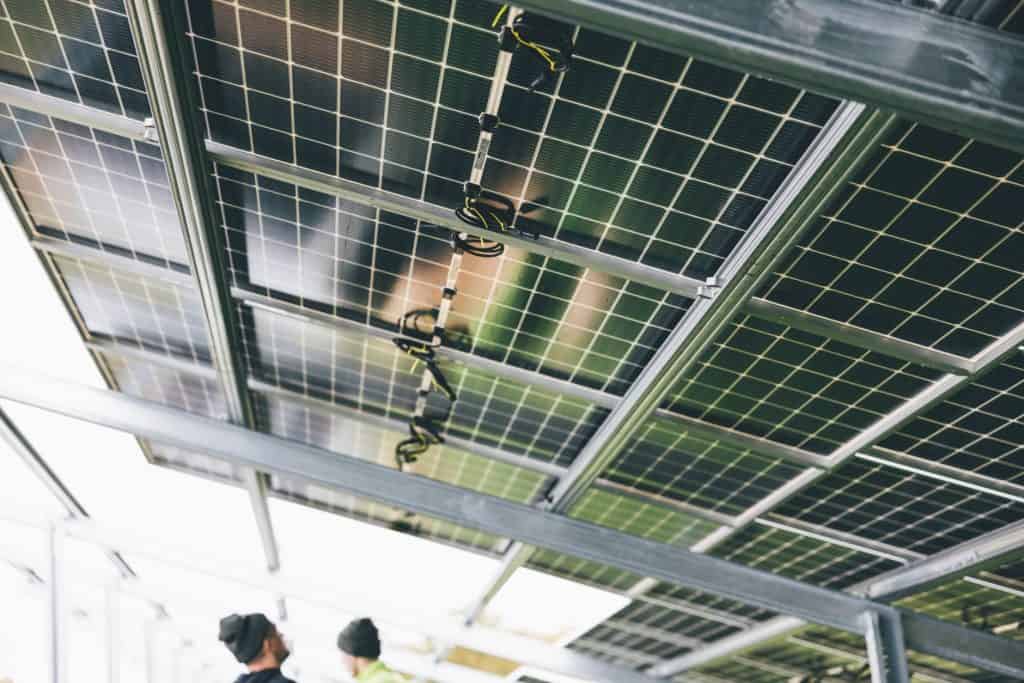
Solar Plus Garden integrates organic agriculture with renewable energy through its członkostwo w społeczności platform, enhancing project sustainability and investor engagement.
The platform facilitates investment in a 10 MW elektrownia słoneczna coupled with organic agriculture initiatives, including up to 3,000 backyard vineyard plots managed under the Garden concept. Członkostwo w ogrodzie, accessible via a one-time €200 fee, provides community participation without obligatory direct solar investments.
The optional Skrzynka ogrodowa subscription at €20 per month supplies members with 18 seasonal deliveries of fresh, locally grown organic produce, supporting continuous community engagement.
Solar Plus Garden operates under a dual-entity legal structure with an Estonian OÜ managing the solar asset and a Serbian DOO running the Garden component. This separation enforces clear financial accountability and legal compliance compliant with Estonia and Serbia regulations. Payments flow through defined escrow models ensuring that funds allocated for community activities and solar infrastructure are securely managed and monitored.
This scalable community approach enables small and midsize investors, as well as backyard vineyard owners, to participate in organic grape growing projects tightly coupled with renewable energy investments, aligning long-term financial returns with environmental and social objectives.
Regulatory Compliance and Organic Certification Standards for Grape Production
Certification under organic standards requires stringent compliance with regulatory frameworks such as the EU Organic Regulation 2018/848 and applicable Serbian organic standards harmonized with EU norms.
Producers must document all cultivation inputs, including validated sources for fertilizers, pest and disease treatments restricted to those allowed under the regulation (e.g., copper, sulfur), and detailed cultivation practices. Records are retained for a minimum of five years for inspection and traceability audits.
Strict prohibitions apply to synthetic chemical fertilizers, pesticides, herbicides, and growth regulators. Soil amendments and pest management must rely exclusively on products permitted on the EU organic inputs list.
Solar Plus Garden’s organizational structure supports compliance through transparent governance and operational protocols, reducing certification risks and fostering investor confidence through auditable financial and operational controls.
Maintaining organic certification enables vineyard products to enter premium markets, satisfying consumer demand for verified sustainable agriculture.
Economic Considerations: Investment, Yield Expectations, and Market Opportunities in Organic Grape Growing
Initial investments for organic vineyards average €15,000 to €25,000 per hectare, reflecting costs for land preparation, organic-certified planting material, trellis and irrigation infrastructure, and higher labor inputs necessitated by manual pruning, weed control, and harvest operations.
Certified organic vineyards yield between 6 and 10 tonnes of grapes per hectare, typically 10-30% lower than conventional systems due to limited chemical input and emphasis on ecological balance. These yields are counterbalanced by premium pricing resulting from organic certification, recognized quality, and niche market positioning.
The organic grape market benefits from increasing consumer preference for sustainably produced wines with unique flavor profiles derived from organic viticulture. This supports stable demand in specialty wine markets, organic food stores, and upscale restaurants.
Solar Plus Garden’s integrated investment model offers community-backed financing mechanisms linking organic vineyard establishment with solar energy projects. This approach diversifies income sources and leverages investor interest in environmental impact, promoting financial sustainability over typical single-sector projects.
Growers and investors must analyze upfront capital requirements, ongoing maintenance costs, and realistic yield and price projections within this investment framework to optimize project feasibility.
Często zadawane pytania (FAQ)
What are the best grape varieties for organic grape production in temperate climates?
Disease-resistant cultivars such as Concord I Cabernet Sauvignon are commonly preferred due to their proven resilience against powdery and downy mildew. Site-specific factors like soil type, temperature range, and precipitation patterns should guide cultivar selection to maximize adaptation and berry quality.
How do organic growers control powdery mildew without synthetic chemicals?
Control strategies involve scheduled sulfur applications up to 10 kg/hectare annually, canopy management to increase airflow and reduce humidity, planting of resistant cultivars, and biological controls such as predatory mites. Integral timing of treatments based on disease phenology enhances control efficacy within organic standards.
Can backyard organic vineyards be profitable and how does community membership support this?
Backyard vineyards typically produce limited volumes suitable for personal use or local sales, with profitability constrained by scale. Joining community membership models like Solar Plus Garden grants access to shared resources, collective expertise, and potential market channels, improving economic viability and participation in larger organic grape growing initiatives.
What documentation is needed for organic certification of a grape vineyard?
Growers must maintain comprehensive records of soil amendments, pest and disease treatments, harvest data, and input sources for at least five years, as required by the EU Organic Regulation 2018/848 and equivalent Serbian regulations. This documentation supports traceability and facilitates annual audit inspections.
Wniosek
Organic grape production demands rigorous site and soil fertility assessment, cultivar selection focusing on disease resistance, and vine training systems designed to reduce disease pressure naturally. Integrated pest and disease management avoids synthetic chemicals, complying with organic certification standards such as the EU Organic Regulation 2018/848. Harvest and post-harvest practices tailored to preserve berry integrity support quality winemaking. Economic success depends on balancing investments with expected organic yields and premium market access. Community-based models like Solar Plus Garden extend scalability and sustainability by combining organic agriculture with solar energy investment, offering transparent governance and regulatory compliance. Continued monitoring of organic standards and agrivoltaic innovations will be essential for adapting to evolving agricultural and environmental frameworks.