Przejdź do treści






Most Efficient Solar Panels: What the Efficiency Numbers Really Mean for 2026
How Solar Cell Efficiency Differs from Module and System Efficiency
Solar panel efficiency is a layered metric, beginning with the wydajność ogniw słonecznych—the percentage of sunlight converted into electrical energy by an individual fotowoltaiczny (PV) cell under standardized conditions—and extending through module and system performance.
Wydajność ogniw słonecznych is measured under Standardowe warunki testowe (STC) defined by IEC 60904-3: irradiance of 1000 W/m2, cell temperature at 25°C, and air mass 1.5 spectrum. Commercial monocrystalline silicon PV cells in 2026 typically achieve between 19% and 24% efficiency at this stage, depending on technology. For example, TOPCon cells report laboratory efficiencies exceeding 25%, while conventional monocrystalline cells usually range 19-22%.
A solar panel module consists of dozens of solar cells connected in series and parallel, sandwiched between encapsulant layers, tempered glass, and a backsheet. This assembly introduces several losses:
- Electrical losses from intercell connections and soldering resistances.
- Optical losses from reflection and absorption by encapsulants and glass.
- Inactive spaces between cells causing partial shading.
- Manufacturing defects or cell mismatch.
The combined effect reduces module efficiency below cell efficiency, typically yielding commercial modules rated between 16% and 22% efficiency in 2026. High-quality modules with advanced passivation technologies can reach towards the higher end of this range.
Beyond the panel, system efficiency incorporates real-world factors such as:
- Shading by nearby obstacles or soiling on glass surfaces.
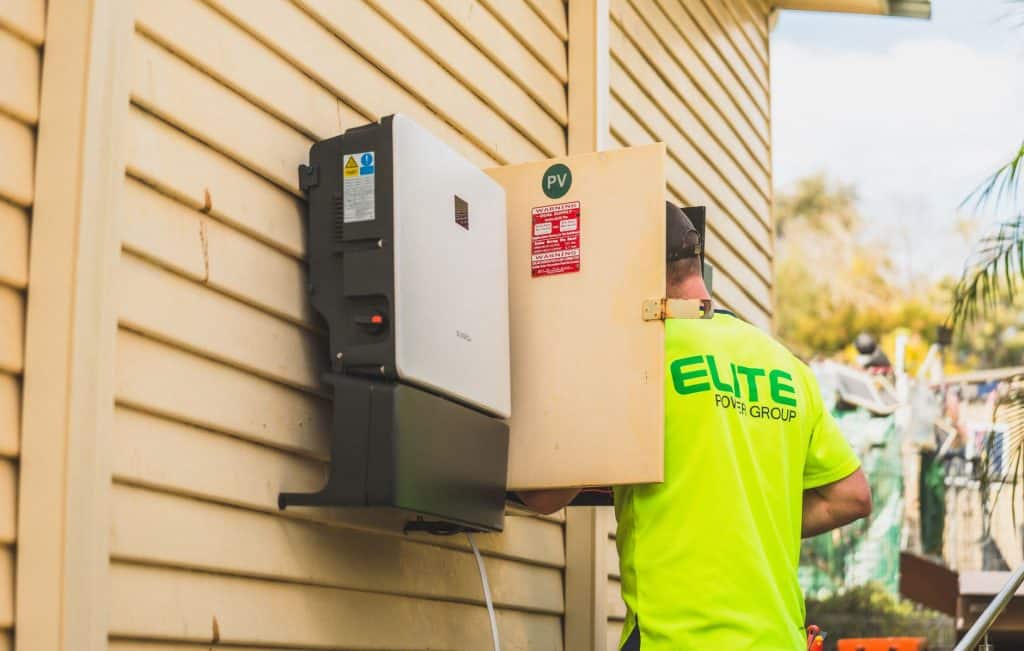
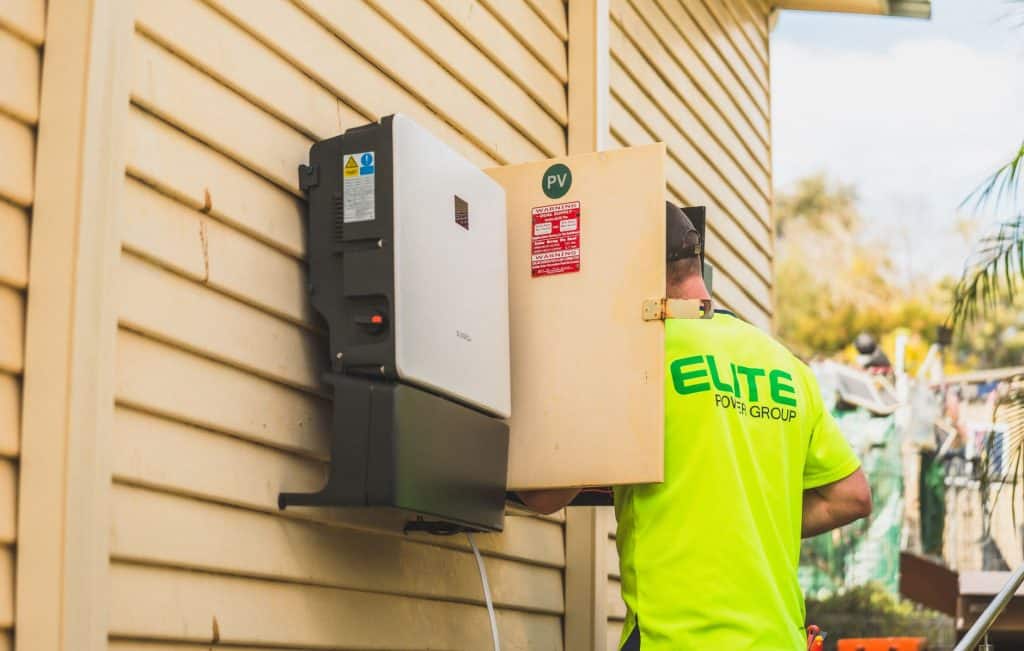
- Electrical losses in wiring and inverter conversion (typically 2-5%).
- Temperature-induced drops in efficiency as module temperature rises above 25°C.
- Degradation of panel output over time.
These factors cause the overall wydajność słoneczna at the system level to be several percentage points lower than the module’s nameplate rating. In practice, system-level yield expressed as a percentage of incident irradiance can be 14%-18% for well-designed and maintained systems.
In brief:
- Wydajność ogniw słonecznych refers to the theoretical conversion capability under STC of an individual PV cell.
- Module efficiency accounts for losses from assembly and packaging of multiple cells.
- System efficiency reflects operational realities affecting energy yield including temperature, shading, inverter losses, and degradation.
Dla efficient solar panels in 2026, manufacturer efficiency values usually indicate module efficiency measured under STC, while actual energy production varies according to site-specific conditions.
Factors That Affect Solar Panel Efficiency in Real-World Conditions
Several environmental and technical factors affect solar panel efficiency when installed outdoors, causing real performance to deviate from laboratory ratings. Understanding these factors that affect solar is vital for realistic yield projections.
- Temperature coefficient: Solar panels tested at 25°C encounter operating temperatures frequently above 40°C. According to IEC 61215, commercial crystalline silicon panels experience efficiency reductions of 0.3% to 0.5% per °C increase. For example, a panel operating at 45°C can experience efficiency losses of 6-10% relative to STC.
- Degradacja: Panels degrade annually at 0.5% to 0.8%, accumulating to 12%-20% power reduction over 25 years. Factors include UV-induced polymer breakdown, mechanical stress, and thermal cycling. Degradation is quantified through Long-Term Stability Testing defined in IEC 61215:2025 revisions.
- Irradiance spectrum variations: Geographic location and weather conditions alter the solar spectrum and the ratio of direct to diffuse light. For instance, cloudy conditions increase diffuse light incidence, which crystalline silicon panels convert less efficiently. Combined with low solar angles during winter months, overall energy yield declines despite unchanged panel efficiencies.
- Soiling and shading: Accumulations of dust, bird droppings, and pollen reduce light transmission through glass by 2%-5% or more if panels are not cleaned regularly, as quantified in IEC 60364-7-712 maintenance guidelines. Partial shading from nearby trees or structures causes mismatch losses disproportionately larger than the shaded area alone.
- Mismatch losses: Variability in panel output within a string due to manufacturing tolerances or uneven soiling creates current bottlenecks, reducing the string’s total power below the sum of individual panels.
These collective effects cause operational wydajność słoneczna to fall consistently below module nameplate ratings. Investors and property owners should incorporate site-specific loss factors between 10%-20% when estimating real system yields based on rated efficiency.
Comparing Leading Solar Technologies by Efficiency and Practical Application
Solar technologies have advanced alongside research targeting improvements in wydajność ogniw słonecznych and mitigations of real-world losses. The major commercial options in 2026, with typical cell and module efficiency ranges, are:
- Monocrystalline Silicon Cells: Standard in residential and commercial PV, these cells combine cost-effectiveness and stable efficiency between 19%-22% at cell level, yielding module efficiencies of 16%-20% depending on manufacturing.
- TOPCon Cells: These incorporate a tunnel oxide passivated contact layer reducing surface recombination, achieving lab cell efficiencies over 25%. Commercial modules verified by PV Cycle reports often exceed 22% module efficiency. TOPCon also improves temperature coefficient, resulting in better performance in hot climates.
- Heterojunction Technology (HJT) Cells: Combining crystalline silicon wafers with amorphous silicon layers, HJT panels deliver commercial efficiencies around 23%-24% at module level with better low-temperature coefficients (0.25%/°C) and slower degradation rates below 0.3% per year, evidenced in accelerated aging tests per IEC 61215:2025.
- Perovskite Tandem Cells: Emerging as high-efficiency technology, tandem cells pair perovskite layers with silicon to capture a broader solar spectrum. Laboratory cell efficiencies exceed 29%, but widespread commercial module deployment remains limited due to unresolved durability challenges and lack of long-term field data as of early 2026.
The selection among these efficient solar panels in 2026 depends on balancing initial cost, efficiency gains, degradation profiles, and environmental suitability. TOPCon and HJT represent matured technologies offering incremental gains beyond standard monocrystalline cells, particularly for residential solar in constrained spaces.
When Efficiency Matters Most: Space-Constrained vs Cost-Optimized Installations
Wydajność ma znaczenie differently depending on project constraints and objectives, such as residential versus commercial applications or limited rooftop versus expansive ground mount sites.
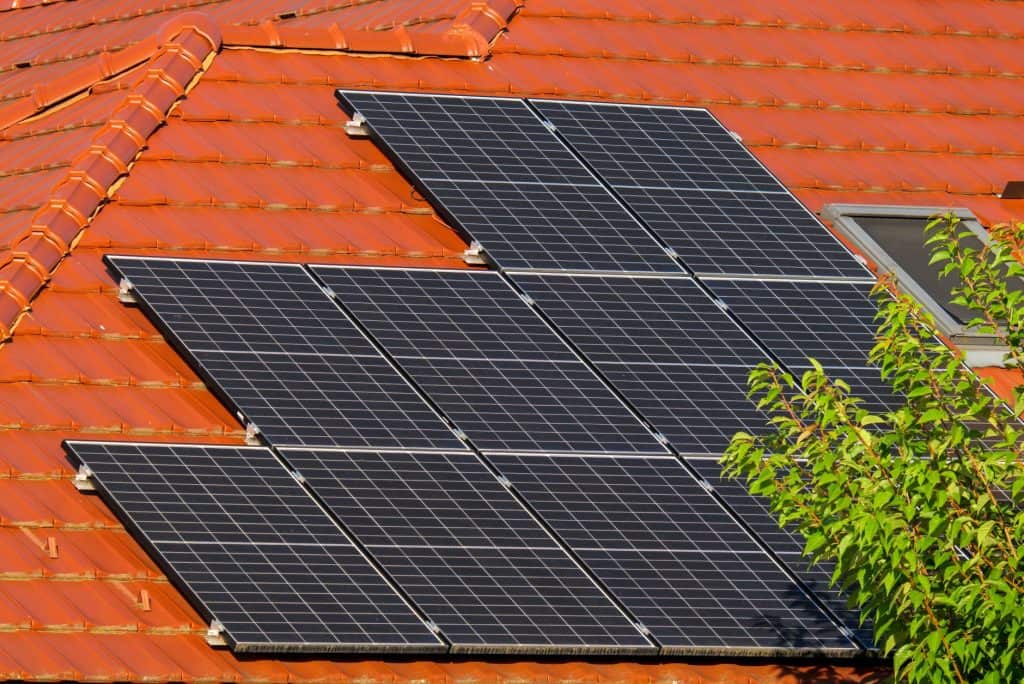
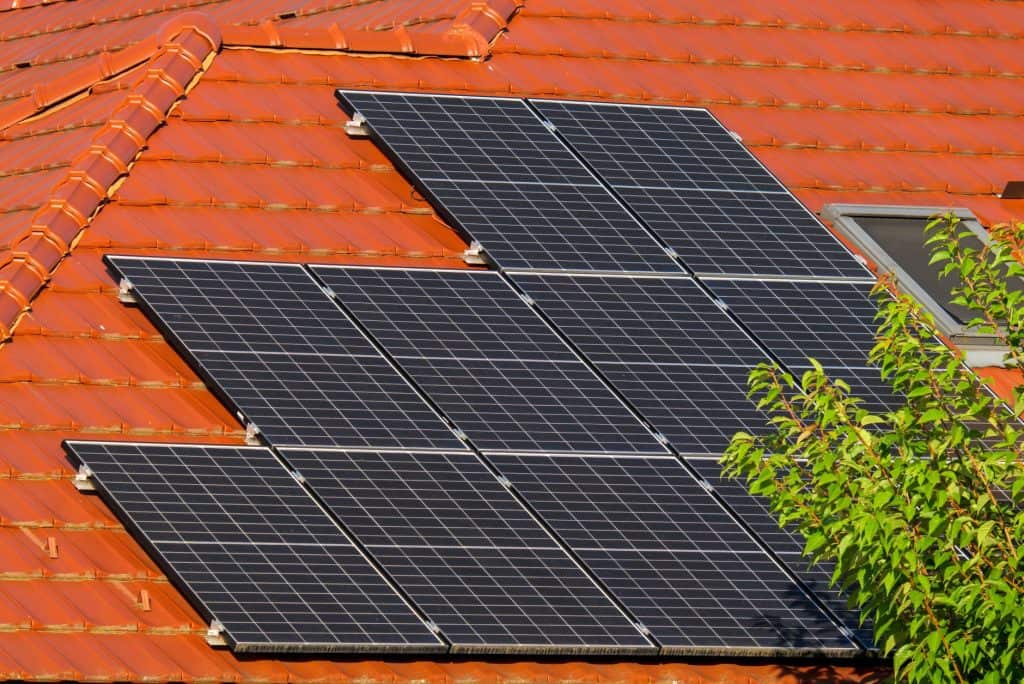
- Space-constrained installations: Typical residential rooftops offer 25-40 m² usable area, limiting array size. Selecting higher efficiency panels above 21% enables maximizing energy output without exceeding roof capacity. This justifies paying a premium for advanced cell technology or bifacial modules where practical.
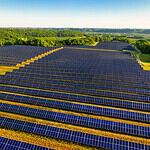
- Cost-optimized installations: Commercial ground-mounted solar farms, like the planned Solar Plus Garden 10 MW project, often prioritize minimizing cost per watt installed. Panels with efficiencies of 16%-18% are common, benefiting from economies of scale and reducing upfront capital expenditures despite requiring more area.
- Balance of system (BOS) cost impact: Higher efficiency panels decrease the number of modules, racking, wiring, and inverter capacity needed, lowering BOS costs by up to 10%-15%, a consideration critical for large-scale project economics.
- Solar Plus Garden investment context: The project’s integration of solar with agrivoltaic land use requires careful efficiency-selection balancing panel density, shading to crops, and scalability. Panels around 20%-22% efficiency strike a balance between maximizing output per hectare and cost efficiency.
Dla residential solar systems, this analysis supports a minimum panel efficiency of approximately 19%, with preference toward 21%-22% where roof space or local regulations limit installation size.
How Solar Panel Efficiency Is Measured and Verified in 2026
Manufacturers and certification bodies validate wydajność paneli słonecznych through flash testing, applying high-intensity pulsed light replicating 1000 W/m2 irradiance at 25°C cell temperature and an AM1.5 solar spectrum, per IEC 60904 standards.
Certification follows IEC 61215, which specifies test sequences including performance at STC, temperature cycling (-40°C to +85°C), damp-heat exposure (85% humidity at 85°C for 1000 hours), mechanical load testing, and PID (potential-induced degradation) resistance. Compliance ensures that stated wydajność ogniw słonecznych and module ratings are not overstated.
Solar panel efficiency is measured under controlled lab conditions and reported as a percentage of incident solar power converted to direct current. This differs from real-world energy yield, which third-party energy yield assessments estimate by monitoring annual output on-site under variable weather and shading conditions.
Independent testing labs such as TÜV Rheinland or UL certify modules, providing investors greater confidence that panel efficiencies, warranties, and degradation performance match claims. Verification mitigates investment risk especially in projects like Solar Plus Garden, where technical performance ties directly to financial returns.
Degradation and Its Impact on Long-Term Energy Production
Solar panel efficiency explained over time involves accounting for degradation mechanisms decreasing power output annually by 0.5% to 0.8%. Panels under warranty in 2026 typically guarantee power retention of at least 80%-85% at 25 years, following IEC 61215 long-term stress testing protocols.
Major contributors to degradation include:
- UV exposure: Degrades polymer encapsulants and backsheets, reducing transparency and mechanical protection.
- Thermal cycling: Daily temperature fluctuations cause mechanical stress and microcracking in silicon cells and solder joints.
- Mechanical stress: Wind loads, snow weight, and installation handling can cause module strain or microfractures.
Advanced PV technologies such as HJT and TOPCon demonstrate reduced degradation rates—reported below 0.3% annually in accelerated aging tests—improving project lifetime energy forecasts and lowering risk for investors and developers. Accurate degradation modeling is critical when choosing solar panels for long-term projects.
Illustration: Cost Impact of Choosing Higher Efficiency Panels for a 10 kW Residential System
Consider a 10 kW system typical for a Serbian or European residential rooftop in 2026, comparing two panels: 19.5% efficiency (standard monocrystalline) versus 22% efficiency (advanced TOPCon or HJT type):
| Parameter | 19.5% Efficient Panels | 22% Efficient Panels |
|---|---|---|
| Required Panel Area (m²) | ~51.3 m² (Calculated as 10,000 W / (1000 W/m² × 0.195)) | ~45.5 m² (10,000 W / (1000 W/m² × 0.22)) |
| Panel Cost (€ / W) | 0.30* (Market average 2026) | 0.38* (Market average 2026) |
| Estimated Panel Cost (€) | 3,000 (10,000 W × €0.30) | 3,800 (10,000 W × €0.38) |
| Balance of System (BOS) Cost (€) | 1,500 (More panels, wiring, mounting) | 1,300 (Less BOS due to fewer panels required) |
| Total System Cost (€) | 4,500 | 5,100 |
| Estimated Annual Energy Yield (kWh) | 10,500 (Assuming 1,000 full sun hours) | 11,800 (Approximately 12% higher due to efficiency) |
*Indicative panel cost per watt based on 2026 market pricing in Serbia and EU.
This illustrates that choosing solar panels with higher efficiency reduces installation footprint by 10%-15%, slightly increases upfront cost, but lowers BOS expenses and yields more electricity annually. The financial decision weighs upfront investment against spatial constraints and long-term energy output.
Często zadawane pytania
What is the difference between solar cell efficiency and solar panel efficiency?
Wydajność ogniw słonecznych measures the conversion rate of a single photovoltaic cell under STC, whereas wydajność paneli słonecznych accounts for losses from interconnections, protective materials, and inactive areas within the assembled module, resulting in lower overall efficiency.
How does temperature affect the efficiency of solar panels in practical installations?
Solar panel efficiency declines by approximately 0.3% to 0.5% per degree Celsius above 25°C due to increased resistive losses in cell materials. For instance, at 45°C operating temperature, a panel may lose up to 7.5% efficiency compared to the rated value measured at STC.
Are the most efficient solar panels always the best choice for residential installations?
Not always. While residential solar panels with higher efficiency maximize energy output on limited roof space, they come at higher costs. Where rooftop space is sufficient, lower efficiency but less costly panels can provide better overall value.
How reliable are solar panel efficiency ratings provided by manufacturers?
Efficiency ratings are measured under IEC-certified conditions and verified by independent labs. Nonetheless, real-world performance varies due to environmental factors, so actual wydajność słoneczna typically falls below laboratory-rated efficiencies.
Wniosek
Zrozumienie różnicy między wydajność ogniw słonecznych, module efficiency, and system-level performance is essential when choosing solar panels aligned with project goals and site conditions in 2026. While efficient solar panels optimize energy generation per area, factors like degradation, environmental impacts, and cost require comprehensive evaluation. For projects such as Solar Plus Garden’s 10 MW installation, balancing efficiency, scalability, and reliability supports sustainable investment decisions. Staying current with technology advances, certification standards, and market pricing is recommended for optimal outcomes.