






Mastering Solar Project Management: Effective Strategies for Utility-Scale Solar Development
Understanding the Solar Project Management Landscape
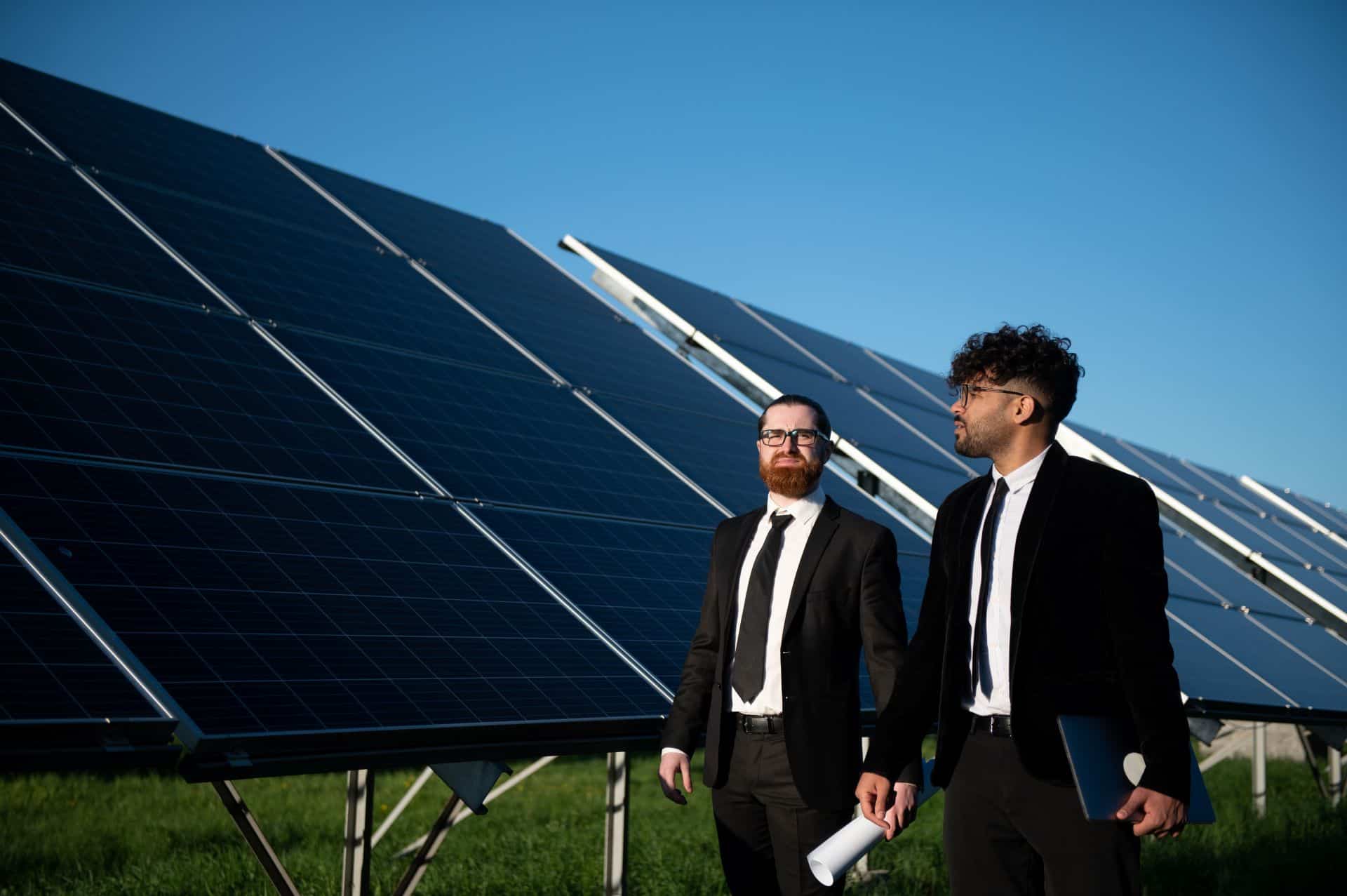
Solar project management focuses on the structured planning, coordination, and execution of solar energy projects from inception to commissioning and ongoing operation. Utility-scale solar projects—typically defined as those with capacities of 10 MW or greater—require addressing scale-specific technical parameters, regulatory compliance across jurisdictions, and multi-layered stakeholder coordination. The management of these projects diverges from generic renewable energy project management in its need to integrate solar fotovoltaïsch (PV) technology factors, grid interconnection standards, and extensive land use considerations.
The Solar Plus Garden project demonstrates this specificity with its 10 MW solar PV plant currently in the pre-incorporation and structuring phase. The establishment of an Estonian OÜ as the primary legal entity on 20.02.2026 provides a jurisdictional framework for ownership and governance, essential for capital-intensive renewable energy projects that often span multiple regulatory environments. The project’s scale demands compliance with grid codes pertinent to Estonia and Serbia, including adherence to national regulations on environmental impact assessments and grid connection procedures typically specified by transmission system operators (TSOs) relevant to the Baltic region.
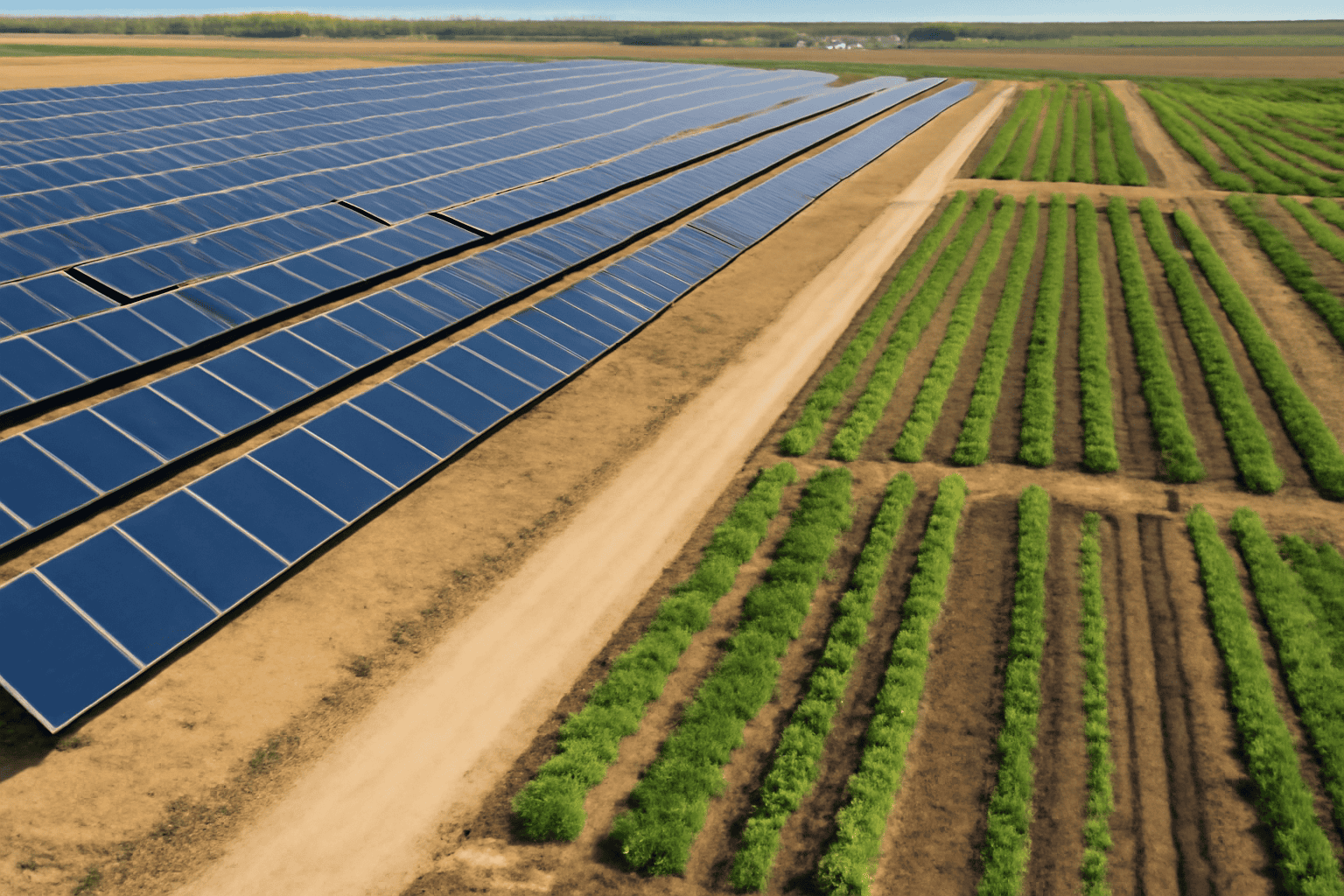
Distinctively, Solar Plus Garden integrates a Tuinlidmaatschap community component alongside solar infrastructure. This agrivoltaic-inspired model extends beyond conventional solar project management by embedding community engagement and local food production elements. Consequently, managing this solar project requires balancing energy generation objectives with community governance, cross-border regulatory measures, and operational synergy between the energy and agricultural components.
Core Workstreams in Solar Project Management: Legal, Financial, and Operational Coordination
Structured coordination across multiple dedicated workstreams forms the backbone of effective solar project management. Solar Plus Garden’s model segments its project delivery into these core streams:
- Legal & Structure: The project designates an Estonian OÜ to retain solar plant ownership and operation rights, while a separate Serbian DOO manages the Garden community activities. This bifurcation isolates risks, ensures compliance with distinct country-specific corporate laws, and delineates operational responsibilities.
- Marketing & Brand: Development and dissemination of clear messaging that articulates the combined investment opportunity in clean energy alongside community membership benefits, tailored for prospective investors and community members.
- Investors & Finance: Design of payment frameworks, including regulated escrow accounts, and preparation of investor-ready pitch materials compliant with EU and Serbian financial disclosure requirements to uphold transparency and fiduciary responsibility.
- Team & Operations: Recruitment and allocation of qualified personnel spanning engineering, legal, financial, and community management disciplines, ensuring effective project execution and post-construction operations.
- Project & Product: Oversight of engineering design, procurement of solar PV components certified to IEC standards, construction management, and coordination of community produce delivery.
Legal and financial workstreams particularly emphasize mechanisms such as regulated escrow accounts to prevent unauthorized disbursement of investor and membership funds. This control is integral to maintaining stakeholder trust where revenues from solar electricity production intersect with community funding. Explicit separation of ownership and operational rights between legal entities enhances governance clarity, upholds compliance with cross-border regulatory frameworks, and reduces exposure to entity-level operational conflicts.
Integrating Community Membership into Solar Project Financing and Governance
Solar Plus Garden employs a dual-stream revenue model that dissociates solar ownership investment from Garden lidmaatschap van de gemeenschap, encouraging broader inclusivity while maintaining financial rigor. Community funding sources include:
- A one-time community membership fee of €200, which grants access to Garden platform benefits and governance participation without requiring direct solar equity investment.
- An optional Garden Box subscription at €20 per month, delivering 18 shipments annually of local, seasonally harvested produce sourced from the Garden entity’s agricultural operations.
These membership fees contribute to covering the operational and administrative costs of community activities, while revenues from solar electricity sales finance plant maintenance and broader project costs. The project’s governance framework, structured through separate Estonian and Serbian legal entities, mandates distinct fiduciary segregation of funds, with payments overseen by escrow arrangements consistent with European financial transaction compliance.
Accounting protocols require transparent allocation of income streams to ensure that solar energy revenues and community fees are not commingled improperly, thus enabling members and investors to monitor fund utilization against set budgets for both energy infrastructure and agrivoltaic community programming.
Managing Solar Construction Phases and Key Technical Components
Utility-scale solar project management involves a sequenced execution of phases, each governed by specific technical deliverables and quality assurance processes. For Solar Plus Garden’s 10 MW solar PV project, the standard construction phases are:
- Feasibility and Site Assessment: Includes detailed solar resource assessment using irradiance data (e.g., from satellite databases or on-site meteorological stations), geotechnical soil surveys following ASTM D420 standards, environmental baseline studies, and grid interconnection feasibility carried out with TPTOs in Estonia and Serbia.
- Project Design and Engineering: Encompasses system layout planning for optimal panel tilt and azimuth, electrical design per IEC 60364 and IEC 61727 standards, preparation of permit documentation, and compliance verification with local building codes and environmental regulations.
- Procurement: Acquisition of photovoltaic modules—typically monocrystalline silicon panels due to higher efficiency—and string inverters compliant with relevant grid codes such as EN 50549. Structural mounting systems are selected to withstand local wind loads and seismic considerations determined by Eurocode standards.
- Construction and Installation: Execution includes site preparation, civil works, panel installation, electrical wiring, inverter and transformer placement, and connection to the grid with testing equipment following IEC 62446 verification protocols.
- Commissioning and Testing: Comprehensive performance validation involves IV curve analysis of PV strings, insulation resistance testing, and compliance testing, culminating in the issuance of the Permission to Operate (PTO) by national grid operators after safety and operational criteria verification.
The construction timeline for projects of this magnitude often ranges from 9 to 15 months, contingent on regulatory permit turnaround times, supply chain lead times for technical components, and seasonal weather conditions impacting groundworks. Continuous quality control through periodic third-party inspections is employed to detect and address defects prior to full commissioning, thereby minimizing delays and unforeseen expenses.
Leveraging Solar Project Management Software for Workflow Optimization
Solar project management software adapted to renewable energy projects integrates functions to manage complex workflows across multiple teams, contractors, and jurisdictions. Essential features include:
- Resource Scheduling: Enables coordination of installation crews, engineers, and suppliers, accommodating time zone differences and jurisdictional regulations.
- Documentation Management: Central repository for regulatory permits, contracts, technical drawings, inspection reports, and compliance checklists, facilitating quick access and audit readiness.
- Financial Tracking: Real-time monitoring of expenditures against approved budgets, with integration to escrow account statuses to track fund availability and disbursements transparently.
- Reporting and Communication: Automated status reporting to investors, regulatory bodies, and community members featuring project status dashboards updated at defined intervals.
Solar Plus Garden employs Notion AI to structure knowledge management, resolve open questions, and support decision-making within the Control Room environment. Project execution utilizes Trello, ensuring that only formally approved items progress, enforcing operational discipline. This dual-tool approach exemplifies best practices in energy project management software usage, facilitating scalability, compliance, and effective stakeholder communication in utility-scale solar PV projects.
Risk Factors and Mitigation Strategies in Utility-Scale Solar Project Management
Effective solar project management requires anticipating known risk categories and implementing documented mitigation protocols. Risks addressed in Solar Plus Garden include:
- Regulatory Delays: Permitting and grid interconnection processes can extend project timelines. Early legal structuring with clear entity roles and proactive engagement with authorities mitigate prolonged approval periods.
- Technology Procurement Risks: Global supply chain uncertainties for PV modules, inverters, and mounting hardware risk delivery delays. The project adopts multi-vendor contracts and buffers procurement timing aligned with construction milestones to maintain schedule integrity.
- Community Acceptance Challenges: With integrated agrivoltaic community activities, stakeholder alignment is critical. Transparent communication and inclusion through the Garden membership framework secure social license and reduce opposition risks.
- Financial Risk Management: Usage of regulated escrow accounts and comprehensive, investor-ready communication maintains fiduciary discipline and protects capital, mitigating risks of fund misallocation.
- Operationele risico's: Strict adherence to quality assurance protocols during solar construction, coupled with scheduled maintenance planning using predictive diagnostics, reduces equipment failure risks post-commissioning.
Adoption of zero-tolerance spending policies without prior authorization enforces fiscal responsibility and operational continuity, safeguarding investment and community resources throughout the project lifecycle.
Continuous Performance Monitoring and Reporting for Solar Projects
Post-commissioning, establishing continuous performance monitoring systems is mandatory for compliance and operational optimization. Solar Plus Garden implements supervisory control and data acquisition (SCADA) systems integrated with inverter telemetry to capture real-time plant performance metrics.
Revenues generated by the solar plant finance:
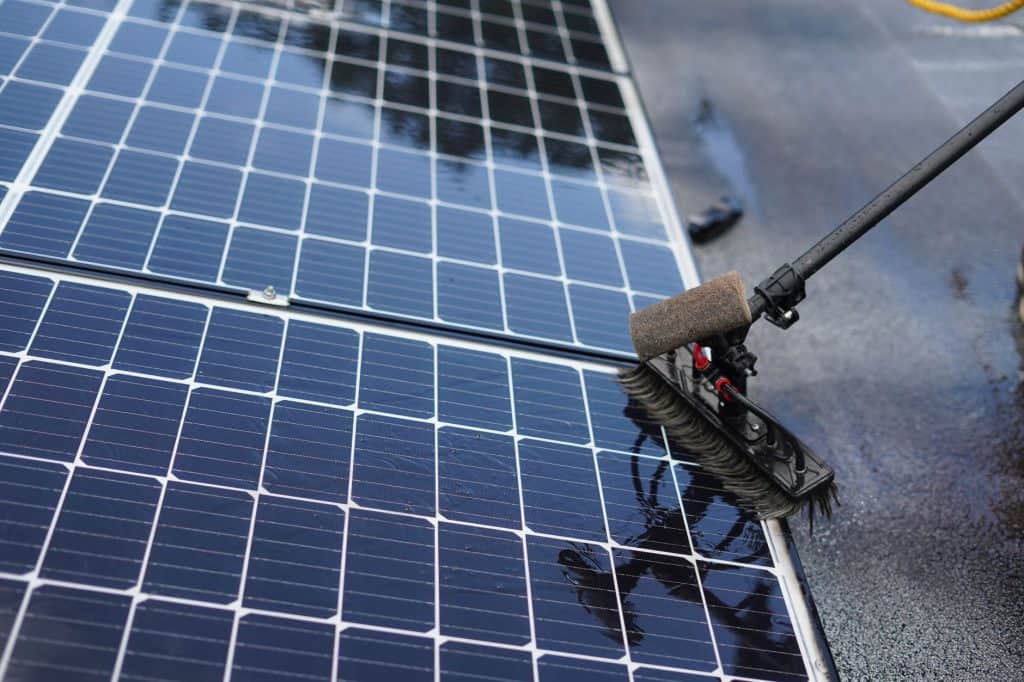
- Operations and maintenance (O&M) activities including scheduled cleaning, preventive maintenance, and corrective repairs, ensuring ongoing system efficiency consistent with International Electrotechnical Commission standards (IEC 61724-1).
- Community programming under the Garden membership, supporting social impact objectives and local food production continuity.
Performance reporting includes periodic disclosure of energy yield data, downtime incidents, and financial allocations to investors and members. These reports adhere to transparency standards common among solar companies and underpin effective project management by maintaining stakeholder trust and regulatory compliance.
Structured reporting intervals and real-time dashboards facilitate timely decision-making and adaptive management, crucial for maintaining operational excellence in renewable energy projects subject to evolving regulatory and technical environments.
Veelgestelde vragen
- What are the primary phases involved in managing a utility-scale solar project like Solar Plus Garden’s 10 MW plant?
- The key phases encompass detailed feasibility assessment (solar resource and site), engineering design compliant with IEC standards, procurement of certified components, construction with quality control protocols aligned to EN and IEC norms, and final commissioning that includes obtaining formal Permission to Operate (PTO) from grid operators.
- How does the Garden membership model influence the funding and governance of the solar project?
- The model separates community membership access from direct solar investment. Membership fees finance community operations independently while solar plant revenues cover operational and capital costs. Separate legal entities and escrow arrangements uphold transparent governance and financial segregation.
- Which project management software tools are best suited for renewable energy projects?
- Effective project management combines specialized solar project management software for scheduling, documentation, and financial control with collaborative platforms such as Notion AI for decision-making support and Trello for task execution. The optimal selection depends on project scale, complexity, and stakeholder structure.
- What are common risks in solar project management and how does Solar Plus Garden address them?
- Common risks include regulatory permitting delays, supply chain disruptions, community opposition, financial mismanagement, and construction quality issues. Solar Plus Garden reduces these risks through defined legal structures, diversified procurement, inclusive community governance, escrow payment controls, and rigorous quality assurance during construction and operation.
Conclusie
Managing a utility-scale solar PV project, exemplified by Solar Plus Garden’s 10 MW development, requires harmonized integration of legal frameworks, transparent financing incorporating community membership, phased and standards-compliant solar construction, and dedicated use of solar project management software. Successful outcomes depend on meticulous coordination among legal, financial, operational, and community workstreams, constant risk assessment, and adaptation to regulatory and technological changes. Applying these evidence-based strategies supports sustainable, scalable delivery of renewable energy projects that simultaneously generate environmental and social value.
Gerelateerde artikelen
- Mastering Solar Media Relations: Strategies for Effective Communication in Solar Energy Projects
- Uitgebreide gids voor investeringsrisico's in zonne-energie en effectieve strategieën om deze risico's te beperken.
- Beheersing van de import/exportregeling van zonne-energieopslagsystemen voor energiebeheer dat compatibel is met het elektriciteitsnet.