









How Solar Investments Provide Reliable Inflation Protection Amid Rising Energy Costs
How Inflation Directly Impacts Energy Prices and Investment Portfolios
Inflation rates and energy prices have demonstrated a correlated trend across Europe and the Balkans over the last decade. Between 2015 and 2025 (projected), residential electricity prices in the European Union have increased annually by approximately 3% to 6%, frequently outpacing average inflation rates that ranged between 1.5% and 3%. Rising utility rates reflect growing costs of fossil fuels, network maintenance, grid management, and regulatory compliance, all of which contribute to upward pressure on electricity bills.
This escalation in energy prices exerts downward pressure on traditional investment portfolios, particularly those reliant on fixed income or short-term cash holdings. Fixed financial returns typically do not adjust for inflation or elevated utility rates, leading to erosion of real purchasing power. Moreover, rising energy costs introduce additional market volatility, since increased energy expenditures cascade through consumer prices and corporate margins, affecting profitability and investment valuation.
Consequently, portfolios without exposure to inflation-hedged assets—such as renewable energy infrastructure—face disproportionate risks during inflationary periods. Investments in traditional sectors correlated with energy price volatility often see fluctuating returns, while assets tied to clean energy production can stabilize cash flow and support investment diversification by mitigating exposure to utility rate increases.
Solar Energy Systems as a Built-In Inflation Hedge for Energy Costs
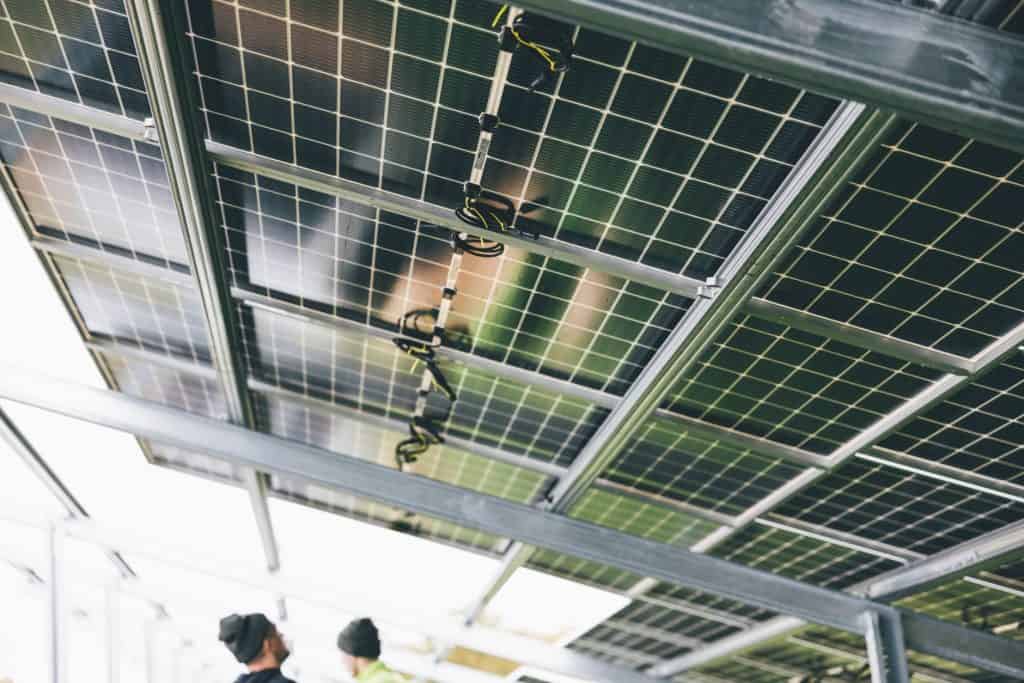
Solar power systems serve as a direct inflation hedge by enabling onsite electricity generation, typically producing energy for 25 years or longer and reducing reliance on fluctuating utility rates. The physical core of a solar power system comprises solar panels, generally utilizing monocrystalline or polycrystalline fotovoltaïsch cells, which convert incident sunlight into electric current. This onsite generation caps exposure to external energy price inflation, directly lowering electricity bills.
Solar technology adheres to international performance standards such as IEC 61215, ensuring panels endure mechanical and thermal stresses. Modern solar panels exhibit annual degradation rates ranging from 0.5% to 1%, covered by 25-year solar warranties that guarantee at least 80% of the initial solar energy output at the end of their warranted lifespan. This predictable solar energy output enables precise financial planning and return on investment analyses.
While solar installation involves upfront capital expenditure or financed acquisition costs, these represent fixed expenses contrasted against utility bills that historically increase annually. As inflation and supply-demand imbalances cause utility rates to rise, the embedded cost of solar installation becomes increasingly financially advantageous, reinforcing the solar power system’s role as a reliable inflation hedge against escalating energy prices.
Quantifying Long-Term Cost Savings and Return on Investment from Solar
Solar energy systems deliver measurable long-term savings by reducing the volume of electricity purchased from the electric grid, leading to lower electricity bills over project lifespans commonly modeled at 20 to 25 years. In markets where electricity tariffs escalate annually between 3% and 6%, cumulative cost savings compound significantly, sometimes exceeding initial installation costs over time.
Government rebates—including tax credits and renewable energy incentives—further improve financial outcomes. For instance, jurisdictions may offer up to 25% reimbursement of total solar installation costs through direct subsidies or tax relief measures, thereby accelerating the payback period. Typical payback windows range from 6 to 9 years depending on system size, local utility rates, and solar incentives availability.
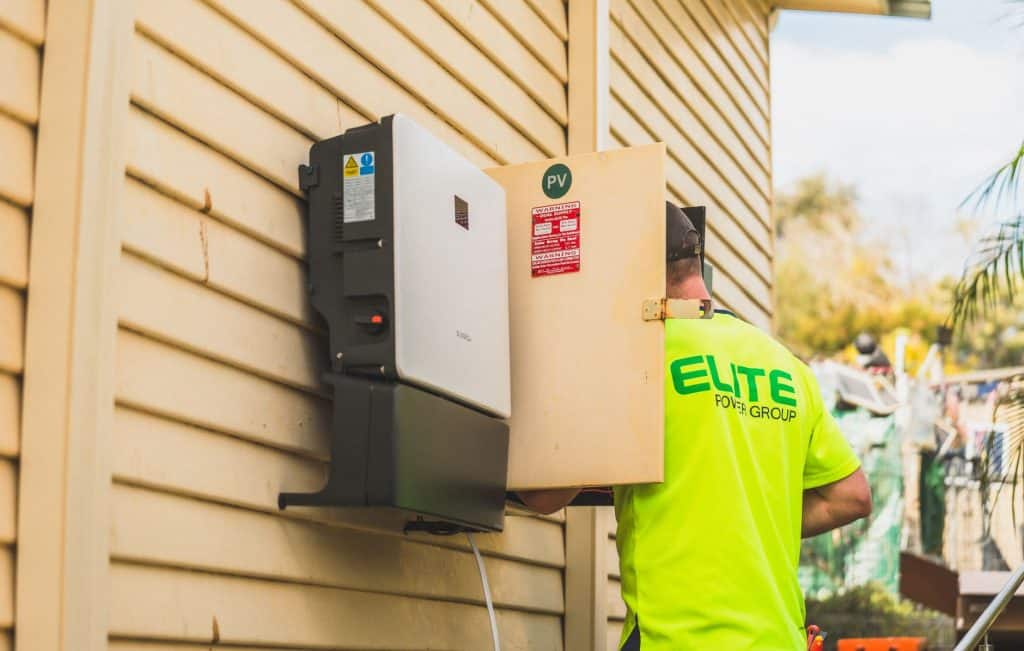
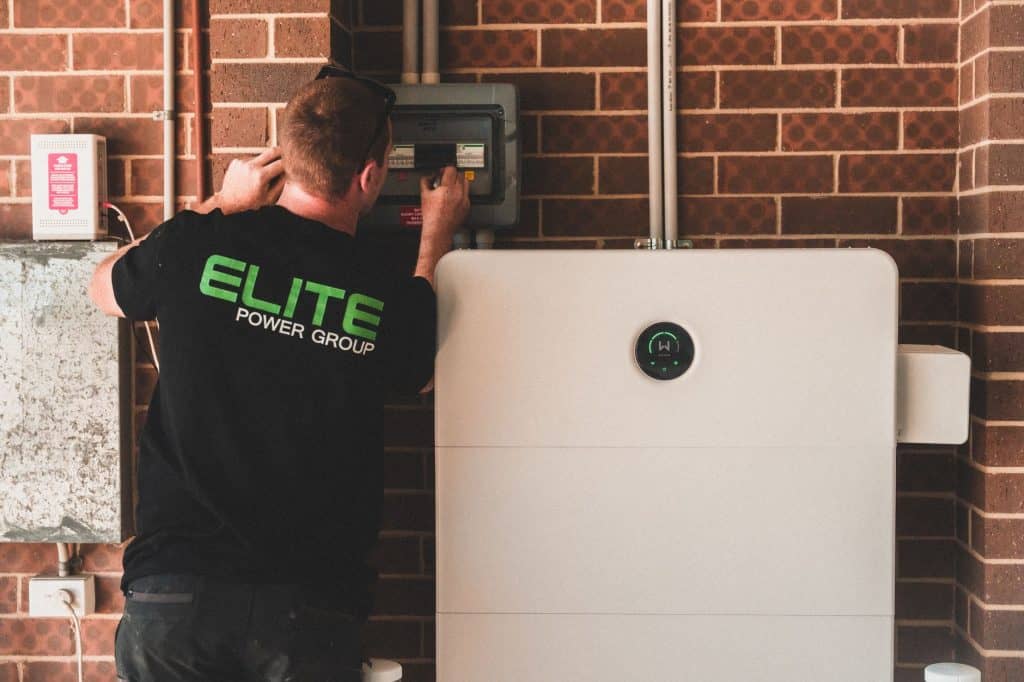
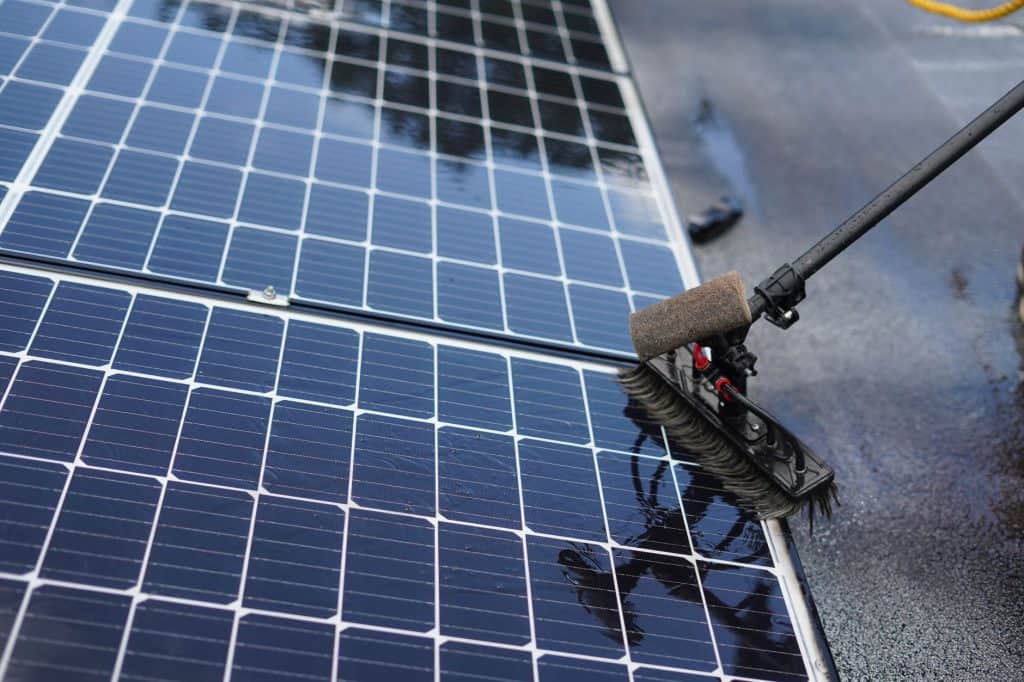
Maintenance costs are relatively low compared to other energy assets. They primarily consist of periodic cleaning and inverter inspections or replacements, which occur on average every 10 to 15 years. Factoring these maintenance costs into financial planning reduces risks of unexpected expenditures without significantly detracting from the overall return on investment. The combination of stable solar energy output, limited depreciation, and controlled maintenance costs underpins consistent long-term savings and portfolio inflation resilience.
Financing Solar Projects to Maximize Inflation Protection Benefits
Investment diversification and inflation hedge optimization occur through varied financing options, including direct solar installation ownership, solar leasing, and power purchase agreements (PPAs). Solar leasing and PPAs often incorporate inflation-adjusted clauses that link payments to changes in consumer price indices or utility rate benchmarks, maintaining cost certainty.
Direct ownership provides exposure to operational benefits and residual asset value but requires larger upfront capital. Fixed-rate financing instruments, such as low-interest loans with constant repayments over 10 to 20 years, provide predictable costs that decouple financing burden from inflation-driven energy price increases. This characteristic limits sensitivity to inflation, adding a dimension of risk control for financial planners.
Solar Plus Garden implements a structured payment and escrow model that enhances transparency and capital protection. Investment and membership fees are securely held in escrow accounts and disbursed systematically for solar installation and community management expenses. This controlled fund flow reduces misallocation risks and supports shareholder confidence in the project’s long-term financial and operational viability as an inflation-hedged investment vehicle.
Role of Community and Garden Membership in Supporting Solar Investment Stability
Within the Solar Plus Garden platform, Garden lidmaatschap van de gemeenschap operates under a distinct legal and operational structure, separated from direct solar installation ownership. Members pay a one-time membership fee of €200 which grants access to the community, events, and additional agrivoltaic services funded by solar-generated revenues.
Revenues derived from solar energy investments finance ongoing community operations and fixed costs under a regulated framework, providing predictable income allocation independent of solar asset cash flow volatility. This segregation improves clarity regarding risk exposure and the management of funds dedicated to community services, enhancing financial discipline and governance.
The Garden concept supports up to 3,000 individual garden boxes, each offering an opportunity for members to receive 18 deliveries annually of fresh, local, organically grown produce under an optional subscription model priced at €20 per month. Integrating agricultural activities with solar infrastructure diversifies income streams and contributes to energy independence and environmental impact reduction, strengthening portfolio resilience against price inflation and market shifts.
Assessing Solar Market Trends and Inflation-Sensitive Energy Policies Impacting Returns
Market dynamics in Central and Southeastern Europe project substantial growth in solar capacity due to ambitious renewable energy targets aligned with the EU Green Deal and national decarbonization roadmaps. Between 2025 and 2030, regulatory frameworks may introduce refined feed-in tariffs adapting to market conditions and evolving carbon pricing mechanisms designed to internalize costs of fossil fuel consumption.
For Serbia and neighboring EU member states, upcoming energy policy revisions include adjustments to feed-in tariff schemes consistent with Directive (EU) 2018/2001 on renewable energy, along with proposed carbon taxes aimed at reducing the carbon footprint of energy utilities. These measures increase the economic competitiveness of clean energy, reducing utility rates’ volatility caused by fossil fuel price swings and fortifying solar power’s financial stability.
Solar investments hedge against such volatility by providing consistent electricity generation output and predictable costs. The combination of resilient solar technology and supportive policy frameworks positions solar power systems as critical assets in pursuing energy independence and sustainability objectives while delivering investor protection against inflation-driven utility rate fluctuations.
Risks and Maintenance Factors Influencing Solar Investment’s Inflation Protection
Solar investments face physical risks including annual solar panel degradation rates typically between 0.5% and 1%, as stipulated in IEC 61215 and IEC 61730 standards underlying solar warranties. Panels are covered by 25-year warranties guaranteeing no less than 80% of their initial solar energy output at the end of the warranty period.
Maintenance costs, while generally low, depend on factors such as local climate (affecting soiling rates), inverter replacement needs typically after 10-15 years, and potential repairs. Accounting for these costs in long-term financial planning ensures accurate estimation of net cost savings and return on investment.
Changes in energy consumption patterns—whether increased demand due to lifestyle changes or improved energy efficiency from newer appliances—may affect net savings but do not eliminate the fundamental inflation hedge derived from reduced dependence on grid electricity.
Solar Plus Garden mitigates regulatory and financial risks via its clear legal structure and rigorous investor controls. Transparent fund oversight through escrow models and stringent reporting maintains accountability and minimizes unforeseen cost exposures, securing both solar energy output reliability and investor confidence over the investment horizon.
Veelgestelde vragen
How does investing in solar energy protect me against inflation?
By generating electricity onsite with solar panels, investors lock in a substantial portion of their energy consumption costs for 20 years or more. This reduces exposure to inflation-driven utility rate increases and stabilizes household or business electricity bills.
What government incentives can lower the cost of installing solar panels?
In many countries, government rebates, tax credits, and renewable energy subsidies reduce the upfront financial burden of solar installation. Solar Plus Garden projects integrate these solar incentives where applicable, shortening payback periods and improving return on investment.
Can I finance a solar installation to enhance inflation protection benefits?
Yes. Financing options such as fixed-rate loans, solar leasing, and power purchase agreements with inflation-adjusted payment terms offer predictable cost structures. Solar Plus Garden’s secure payment and escrow model ensures transparent management of funding flows.
What maintenance and longevity factors affect solar investment returns?
Solar panels degrade gradually at rates of 0.5% to 1% annually and carry warranties guaranteeing a minimum of 80% energy output after 25 years. Maintenance costs are modest but should be included for cleaning, inverter replacement, and repairs to ensure accurate financial projections.
Conclusie
Investing in solar energy through Solar Plus Garden leverages durable solar technology and government solar incentives to deliver significant long-term cost savings on electricity bills, providing a robust inflation hedge amid rising energy prices. The platform’s legally transparent structure and community-based Tuinlidmaatschap contribute to secure fund management and diversified income streams supporting sustainability and energy independence.
Prospective investors must carefully evaluate their energy consumption profile, local solar incentive availability, and financing options. Potential risks such as regulatory changes, maintenance costs, or unexpected shifts in inflation rates require diligent financial planning. Transparent reporting and governance embedded in Solar Plus Garden’s model enhance confidence in realizing stable returns and environmental benefits through clean energy investments.
Gerelateerde artikelen
- How to Choose the Best Investments for Inflation Protection in 2026
- Optimalisatie van beheersystemen voor zonne-microgrids voor betrouwbare integratie van hernieuwbare energie
- Optimalisatie van zonne-energie-integratie met batterij-energieopslagsystemen (BESS) en generatorsets (GENSET) voor betrouwbare hybride energiesystemen.