





Comprehensive Guide to Certified Organic Apple Production for Modern Orchards
Essential Characteristics of Certified Organic Apple Orchards
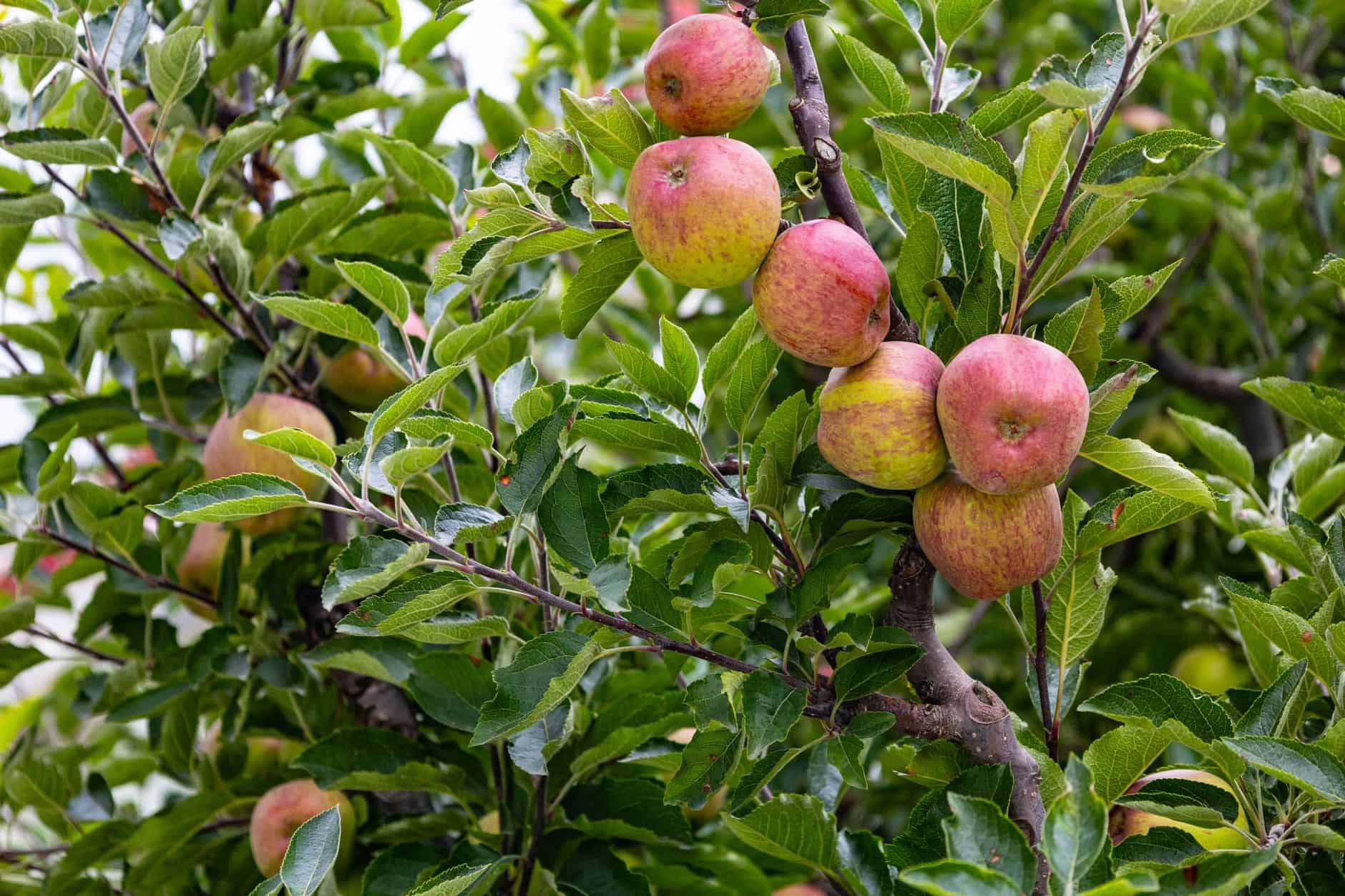
Certified organic apple production in the EU is governed by the EU Organic Farming Regulation (Regulation (EU) 2018/848), which sets detailed requirements for growers to label their apple fruit as certified organic. This regulation mandates that certified organic apple growers implement an organic system plan approved by a certifying authority, avoid restricted synthetic pesticides, herbicides, and fertilizers, and comply with annual third-party inspections to verify adherence.
Organic apple orchards replace synthetic inputs with natural practices such as the use of composted organic matter and biological pest controls, including predatory insects and approved microbial formulations. Maintaining soil health and promoting biodiversity are integral, achieved through enforced crop rotations, planting cover crops like clover or vetch, and sustaining habitats for beneficial insects such as parasitic wasps and predatory mites.
Compliance requires growers to store detailed records documenting purchased inputs, production practices, and harvest quantities. The certification process follows a sequenced procedure:
- Submission of an organic system plan outlining orchard site history, seed and input sources, pest management, and soil fertility strategies.
- Full implementation of organic practices consistent with Regulation (EU) 2018/848 over a three-year transition period where applicable for previous conventional orchards.
- Maintenance of comprehensive records, including input invoices, spray logs recording dates and amounts applied, and traceability of harvested certified organic apples.
- Annual inspections conducted by accredited certification bodies (such as Control Union or Ecocert) to verify compliance through on-site audits and product sampling.
- Issuance of certification documents valid for one year contingent on audit success, with mandatory renewal application before certificate expiration.
Through this regulatory framework, certified organic apple fruit production not only eliminates residue risks associated with synthetic agrochemicals but actively enhances ecological resilience within the orchard ecosystem, supporting sustainable fruit grower operations.
Selecting Apple Cultivars Suited for Certified Organic Production
Selecting disease-resistant cultivars is critical for certified organic apple growers to minimize reliance on restricted pest management inputs and meet certification standards. Growers prioritize cultivars resilient to pathogens that jeopardize organic production viability, such as Venturia inaequalis (apple scab), Erwinia amylovora (fire blight), and Podosphaera leucotricha (powdery mildew).
Decisions on cultivar selection depend on:
- Documented disease resistance confirmed by research institutions or organic agriculture extension services. For example, ‘Enterprise’ has multi-disease tolerance validated by New York State Agriculture Experiment Station trials.
- Local climate suitability, including minimum chill hours for flowering and average seasonal precipitation impacting fungal disease pressure.
- Compatibility with regional pest profiles to reduce vulnerability to economically damaging outbreaks of codling moth or aphids.
Popular cultivars among certified organic apple growers include:
- ‘Liberty’: Offers robust resistance to apple scab, cedar apple rust, and fire blight, with average yield stability under organic conditions.
- ‘Enterprise’: Demonstrates broad disease resistance combined with a firm, long-keeping fruit suited to organic marketing.
- ‘GoldRush’: Resilient to scab and mildew with balanced acidity favored in organic fresh-market production.
- ‘Redfree’ En ‘Pristine’: Early-season varieties with partial scab resistance utilized in regions with shorter growing seasons.
Fruit growers are advised to source certified disease-free planting material from accredited nurseries and consult regional integrated pest management (IPM) guidelines to confirm cultivar performance under local organic production conditions.
Integrated Pest Management Strategies in Organic Apple Orchards
Certified organic apple growers employ an Integrated Pest Management (IPM) system exclusively using permitted biological, cultural, and mechanical pest control tactics as synthetic pesticides are disallowed under Regulation (EU) 2018/848 and organic standards such as the EU Organic Certification and USDA NOP.
- Biological Controls: Introduction or conservation of predatory insects including lady beetles (Coccinellidae), green lacewings (Chrysopidae), and predatory mites (Phytoseiidae) targets common pests such as aphids and spider mites. Registered microbial biopesticides, like Bacillus thuringiensis kurstaki (Btk), are applied selectively against lepidopteran larvae within prescribed usage windows.
- Cultural Practices: Systematic pruning improves canopy airflow, reducing moisture accumulation that encourages fungal pathogens. Orchard sanitation includes prompt removal and destruction of mummified fruit and diseased wood during dormancy to lower overwintering inoculum. Trap crops such as trap trees planted around orchard edges divert pest populations.
- Monitoring Protocols: Weekly use of pheromone traps to capture male codling moths and leafrollers informs treatment thresholds, aligned with action levels specified in organic IPM manuals published by national agricultural research organizations. Visual scouting helps identify early-stage pest colonies and disease symptoms.
Typical IPM intervention follows this sequence:
- Initiate pest monitoring in early spring as host trees break dormancy.
- Apply biological agents proactively when population counts cross pre-established thresholds (e.g., 5 codling moth catches per trap per week).
- Deploy auxiliary organic-approved inputs such as kaolin clay sprays or horticultural oils only when pest pressure escalates beyond control by natural enemies.
- Maintain continuous cultural sanitation and habitat management through the growing season to suppress pest reservoirs.
This approach is essential to maintaining fruit quality, minimizing organic orchard chemical footprints, and ensuring certification compliance over multiple production cycles.
Soil Fertility and Nutrient Management Practices in Organic Apple Production
Soil fertility management in certified organic apple orchards centers on sustaining physical soil properties and enhancing biological nutrient cycling without synthetic fertilizers banned by organic standards.
- Use of well-composted manures applied pre-bud swell to supply nitrogen and other macronutrients, with typical nitrogen inputs calibrated between 30-50 kg/ha/year in young orchards and adjusted upward cautiously based on leaf nutrient analyses as trees mature.
- Incorporation of leguminous cover crops such as clover or vetch during off-seasons to biologically fix atmospheric nitrogen and prevent soil erosion, with termination timed 2-3 weeks before bud break to allow nutrient release.
- Periodic soil testing semi-annually or annually to analyze levels of phosphorus, potassium, calcium, magnesium, and pH, which guides supplemental applications of rock phosphate or potassium sulfate following soil test-based nutrient budgeting.
Maintaining pH values between 6.0 and 6.5 is recommended for optimum nutrient availability, monitored through routine liming where acidity increases. Organic apple growers use foliar feeding with approved micronutrient formulations, such as zinc sulfate and boric acid, when deficiency symptoms emerge during the growing season.
These soil fertility protocols enhance orchard vigor, fruit set, and overall yield stability within the constraints of certified organic apple production.
Certification Process and Compliance Monitoring for Organic Apple Growers
Organic certification for apple growers involves a multi-stage process adhering to the EU Organic Farming Regulation (Regulation (EU) 2018/848) and enforced by accredited certification bodies.
- Preparation and Organic System Plan Development: Detailed submission covering orchard field history for the preceding three years, boundaries, input inventories, pest and nutrient management plans.
- Conversion Period: For transitioning orchards, full organic practices must be implemented for a minimum of three consecutive growing seasons before fruit can be marketed as certified organic.
- First Inspection: On-site audit by the certifier verifies field conditions, input sourcing (certified organic seeds, fertilizers, pest controls), and record keeping systems.
- Certification Decision: Certificates are issued if compliance is demonstrated; otherwise, non-compliances must be rectified before fruit can be sold as certified organic.
- Annual Renewal Inspections: Ongoing monitoring requires up-to-date documentation of all activity, sales records, and product sampling for residue testing to ensure sustained compliance.
Documentation expected from organic apple growers includes purchase invoices for all off-farm inputs showing organic certification, detailed spray and fertilization logs, and harvest lot records with dates and quantities. Management of these records requires dedicated protocols and digital or paper filing systems to avoid audit deficiencies that could result in suspension or revocation of certification.
Certification cycles generally align with the calendar year or fiscal year, with renewal applications submitted at least two months prior to certificate expiry to allow audit scheduling and review.
Economic Considerations and Market Opportunities for Organic Apple Producers
Cost structures in certified organic apple production exceed conventional orchard management primarily due to labor-intensive cultural practices and certification expenditures. Studies across Europe suggest organic apple production costs are approximately 15-30% higher, with detailed breakdowns as follows:
- Pest Management Costs: Biological agents and manual labor for monitoring, targeted interventions, and sanitation are significantly more expensive than bulk synthetic pesticide applications.
- Certification Expenses: Initial application fees start around €500, with annual inspection and renewal fees typically ranging from €1,000 to €2,500, varying by orchard size and certifier.
- Labor Intensity: Pruning, hand thinning, and removal of diseased fruits require skilled labor inputs often increasing by 20-40% relative to conventional practices.
Market prices for certified organic apples reflect a premium, often 20-50% higher than conventional apples in major EU markets like Germany, France, and the Netherlands. This price differential partially compensates for increased production costs and is supported by growing consumer demand for sustainably produced fruit according to market analyses from industry bodies such as the European Organic Processing Institute.
Risk factors influencing profitability include variable yields due to pest outbreaks, climatic fluctuations like late spring frosts or droughts, and access to certified organic supply chains. Growers are recommended to conduct detailed regional market assessments and adopt risk mitigation strategies such as crop diversification and crop insurance where available.
The primary incremental financial burdens for fruit growers relative to conventional orchards are pest management and certification maintenance costs, which should be factored into feasibility analyses for new orchard investments or conversions.
Utilizing Agrivoltaics to Enhance Organic Apple Orchard Sustainability
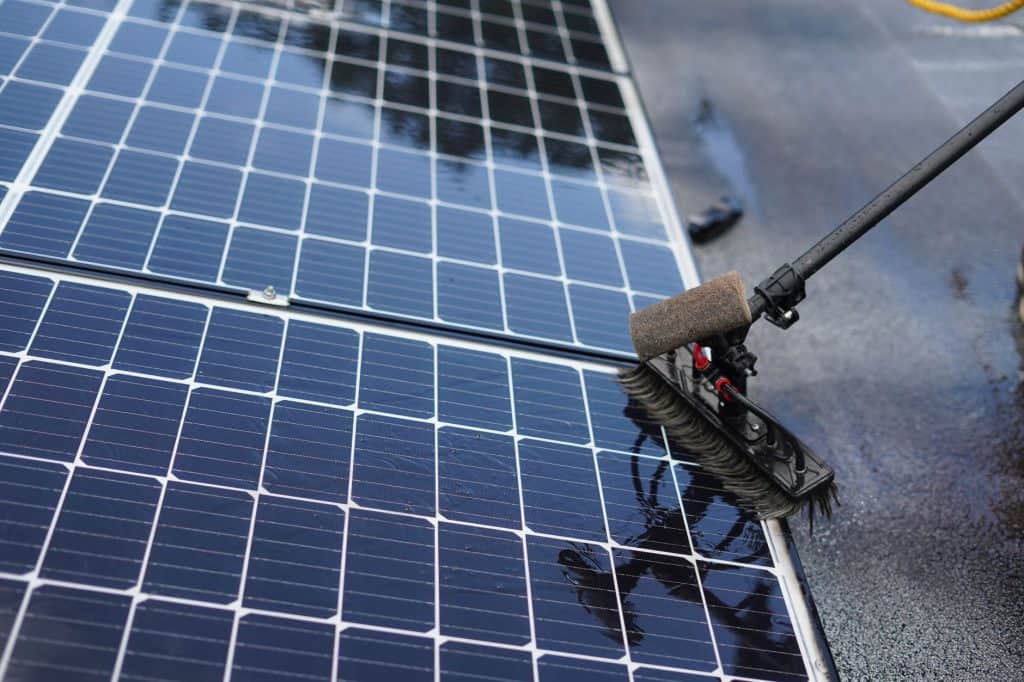
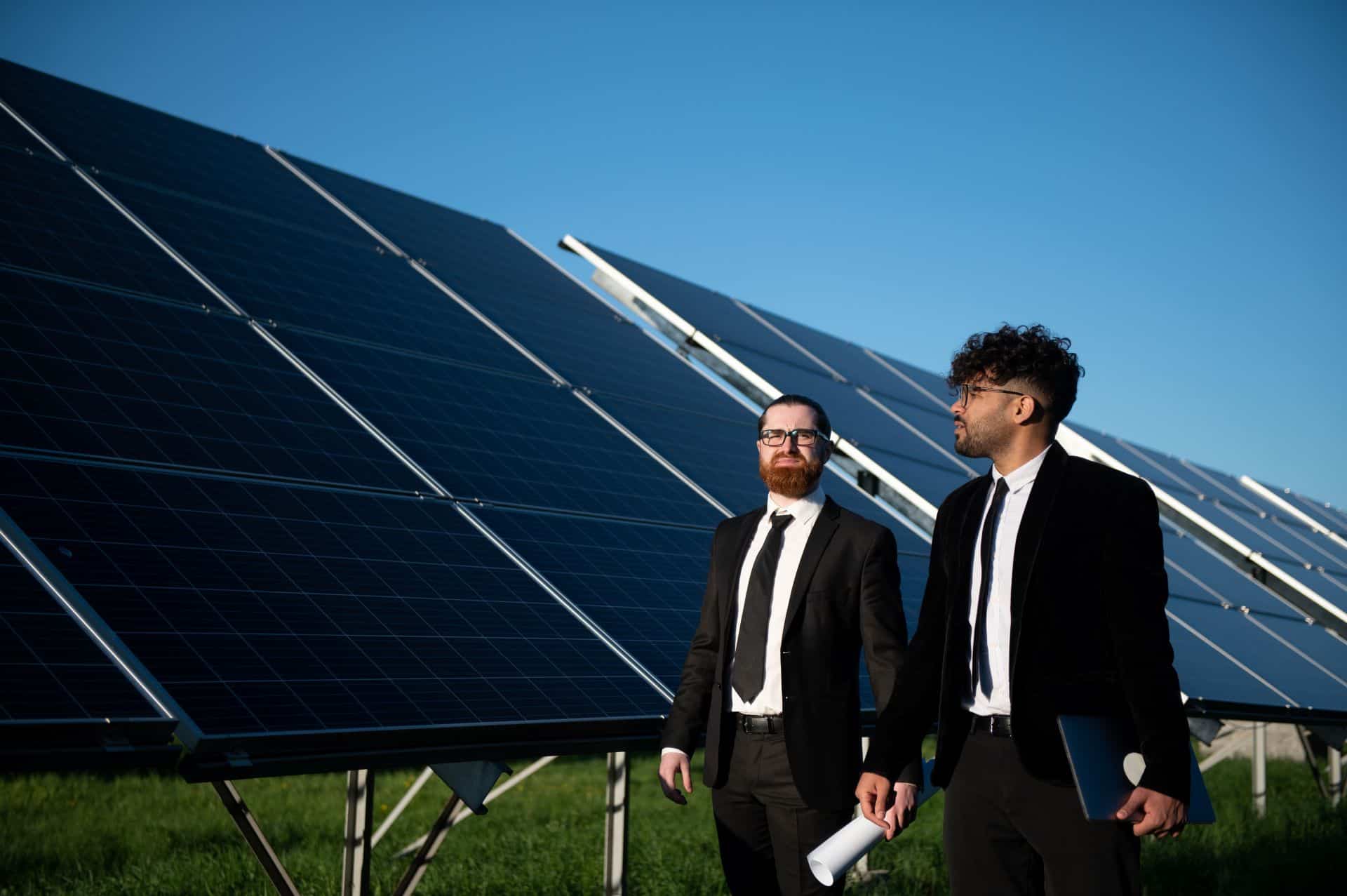
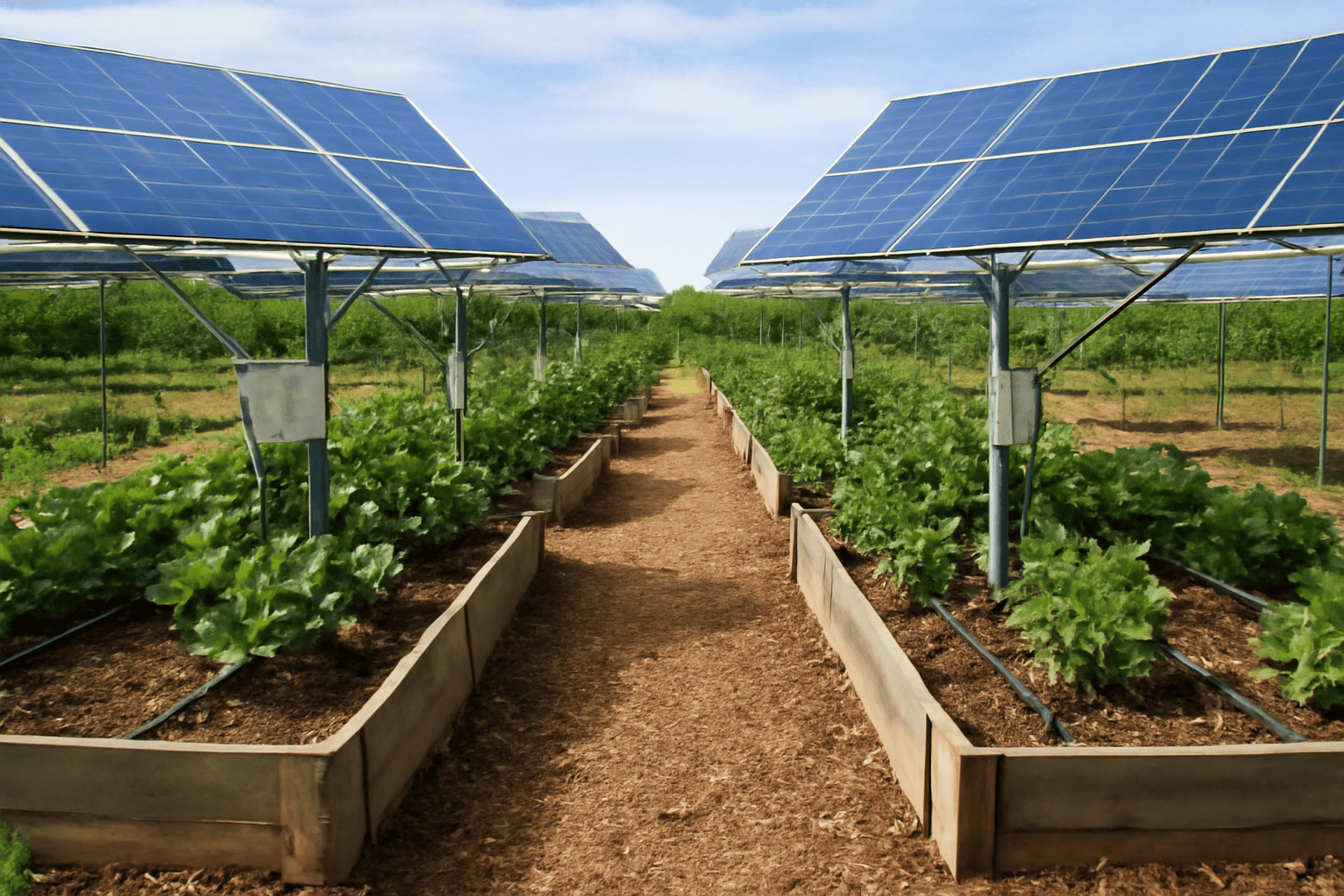
Agrivoltaïcisme—the simultaneous use of land for both solar fotovoltaïsch (PV) energy generation and certified organic apple fruit production—enables orchard growers to optimize land productivity and improve microclimate management.
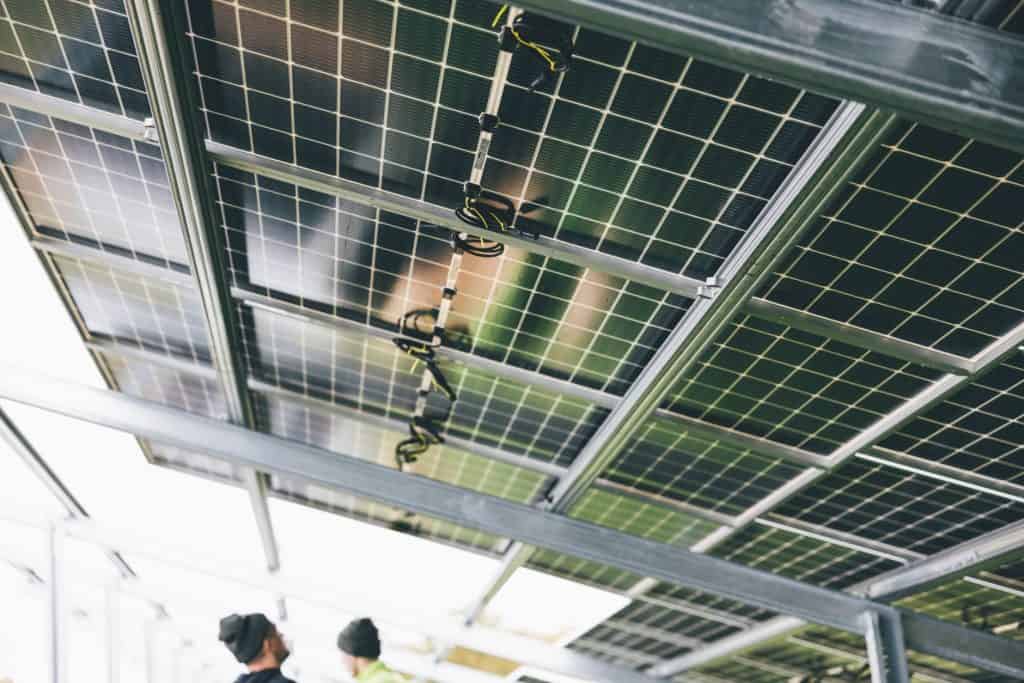
Practical implementation typically involves mounting bifacial or traditional PV panels between rows of apple trees on elevated structures to allow sunlight penetration and orchard operations beneath. Agrivoltaic installations achieve:
- Renewable energy production supplying on-site electrical demand for irrigation pumps, climate monitoring systems, and cold storage facilities or feeding surplus power into the local distribution grid.
- Microclimate regulation whereby partial shading reduces solar radiation by 15-35% (shading rate adjusted to local sunlight intensity) lowering tree heat stress and evapotranspiration, which can improve fruit firmness and reduce irrigation needs.
- Potential for improved water use efficiency through reduced transpiration demand, contributing to site resilience during drought periods common in temperate European climates.
Energy yield from agrivoltaic systems depends on panel tilt, spacing, and technology type, with dual-axis tracking panels generally outperforming static installations but requiring more complex integration with orchard operations.
Maintaining compliance with organic certification under Regulation (EU) 2018/848 necessitates limiting soil disturbance during PV panel installation, avoiding prohibited herbicides for weed control around installations, and documenting management practices affecting organic orchard health.
Successful cooperation between agrivoltaic engineers and certified organic fruit growers includes developing site-specific installation and maintenance protocols to balance energy yields and orchard productivity, following published best practices from pilot projects funded by EU agricultural innovation programs.
Community Engagement and Value Addition Through the Garden Membership Model
Solar Plus Garden provides a community-driven platform linking certified organic apple growers with investors and consumers through its Garden membership model. This model blends renewable solar investment with organic orchard support and local food system engagement.
Key features supporting fruit growers within the Garden model include:
- A €200 one-time Garden membership fee provides access to an online platform offering knowledge exchange, cooperative marketing resources, and participation in sustainability initiatives.
- An optional €20/month Garden Box subscription delivers 18 shipments per year of fresh, locally produced vegetables to members, reinforcing the regenerative “garden/agri/community” concept.
- Revenue derived from the 10 MW solar project financings supports ongoing sustainable orchard R&D, community educational activities, and operational costs dedicated to certified organic apple orchard improvements.
The Garden model legally separates the agrivoltaic venture (held by an Estonian OÜ) from the Serbian DOO managing orchard operations, ensuring transparent financial flows and investor protections. With capacity for up to 3,000 orchard boxes (parcels), the platform scales inclusively, enabling small and medium apple growers to access market support and technology sharing previously limited to larger operations.
Apple growers participating in the garden community benefit from collective purchasing programs, shared pest management knowledge, and enhanced consumer trust grounded in combined organic and renewable energy sustainability credentials.
Veelgestelde vragen
- What certifications are required to label apples as organic in the EU?
- Apple growers must comply with the EU Organic Farming Regulation (Regulation (EU) 2018/848), which requires submission of an organic system plan, annual audits by accredited third-party certifiers, avoidance of prohibited synthetic inputs, and strict recordkeeping.
- Which pest control methods are allowed in organic apple production?
- Permitted methods include biological control agents (lady beetles, predatory mites), microbial pesticides such as Bacillus thuringiensis, and cultural practices like pruning, orchard sanitation, and trap cropping; synthetic chemical pesticides are not permitted.
- How does integrating agrivoltaics benefit organic apple orchards?
- Agrivoltaics generate renewable energy while shading apple trees to reduce heat and water stress; shading percentages are optimized (15-35%) to maintain sufficient sunlight for photosynthesis without compromising tree fruit development, subject to conformance with organic regulation on soil and chemical management.
- What are the typical additional costs for managing an organic apple orchard compared to conventional?
- Costs increase primarily due to certification fees (€500–€2,500 per year depending on certifying body and orchard size), labor intensive pest and orchard management, and stricter input sourcing requiring certified organic materials; premium market prices often offset these expenditures.
Conclusie
Property owners, project developers, and investors evaluating certified organic apple production should prioritize cultivar selection emphasizing disease resistance to minimize interventions and enhance orchard resilience. Strict adherence to organic certification procedures outlined in Regulation (EU) 2018/848 is critical for market access and consumer trust. Integrating agrivoltaics presents a viable strategy for enhancing orchard sustainability by combining energy generation with microclimate optimization, provided compliance with organic integrity is maintained. Engaging with community-focused platforms such as Solar Plus Garden’s Garden membership offers apple growers collaborative benefits including shared expertise and market positioning aligned with regenerative agriculture principles. Given evolving regulations and dynamic market demands projected through 2026-2027, stakeholders must maintain adaptive production and investment approaches to safeguard long-term profitability and ecological stewardship.