Ga direct naar de inhoud






Most Efficient Solar Panels in 2026: Key Technologies and Metrics
What Defines Solar Panel Efficiency in 2026
Solar panel efficiency quantifies how effectively a solar module converts sunlight into electrical energy under Standard Test Conditions (STC). STC specifies an irradiance of 1000 W/m², a cell temperature of 25°C, and an air mass 1.5 (AM 1.5) spectrum, which simulates typical mid-latitude solar irradiance. This standardized baseline allows direct comparison of solar panels available on the market in 2026.
Commercial solar panels in 2026 generally present solar panel efficiency ranging from 17% up to 23.5%. For instance, a 1 m² module operating at 23% efficiency at STC would produce approximately 230 W of electrical power. Variations in efficiency reflect differences in solar cell architecture, module design, and manufacturing quality.
Solar cell efficiency measures the energy conversion capability of individual fotovoltaïsch cells under ideal laboratory settings, often using small wafer samples. Solar panel efficiency includes real-world assembly factors such as inter-cell spacing, glass cover transparency, encapsulant absorption, and electrical losses in busbars and wiring, resulting in module efficiencies typically 0.5% to 1.5% lower than the underlying cell efficiency.
Temperature coefficient is a critical parameter affecting solar panel efficiency under field conditions. Most crystalline silicon residential solar panels have coefficients spanning approximately -0.3% to -0.5% per °C: for example, at 45°C cell temperature, output may decrease by 6% to 10% relative to STC performance. Irradiance fluctuations through the day and seasonal changes also impact instantaneous solar efficiency, as panels produce less at lower irradiance intensity and non-optimal spectral conditions.
Leading Solar Cell Technologies Driving Efficiency Gains
Advancements toward high efficiency in solar panels in 2026 focus on silicon solar cell innovations and module engineering. Key technologies include:
- Monocrystalline PERC: Providing module efficiencies in the 21.5% to 22% range, PERC technology adds a passivated rear layer that reduces electron recombination, enhancing photon capture from reflected light. It is the dominant cost-effective cell type for residential solar panels with well-documented performance and degradation profiles.
- Heterojunction Technology (HJT): Combining a crystalline silicon wafer sandwiched between thin amorphous silicon layers, HJT panels achieve module efficiencies of up to 23.5% under STC. Their lower temperature coefficients (~-0.25%/°C) preserve solar panel efficiency at elevated operating temperatures. HJT also demonstrates less light-induced degradation (LID) and longer operational stability.
- TOPCon (Tunnel Oxide Passivated Contact): Utilizing a tunnel oxide layer and doped polysilicon contacts, TOPCon cells feature low carrier recombination rates leading to module efficiencies competitive with HJT, typically reaching 23% to 23.5%. TOPCon combines improvements in voltage and fill factor parameters, contributing to higher solar efficiency in modules.
Integratie van bifacial modules adds effective energy yield gains by capturing reflected irradiance on the rear surface, increasing annual energy production by up to 10-11% depending on albedo (ground reflectance ratio) and mounting height above ground. Transparent backsheet or dual-glass designs enable bifacial performance without sacrificing module durability.
Additional module design optimizations such as multi-busbar (MBB) wiring and shingled solar cells reduce resistive losses and shading effects. Shingled cells involve overlapping cut cells to form a contiguous active surface, reducing inactive space and improving panel packaging density, contributing up to 0.5% absolute module efficiency gain over traditional cell layouts.
While laboratory record silicon solar cells exceed 25.5% efficiency under concentrated or controlled conditions, industrially manufactured commercial modules currently cap at approximately 23.5% module efficiency due to balancing factors of cost and long-term reliability.
Efficiency Trade-offs for Residential Solar Panels and Roof Space Optimization
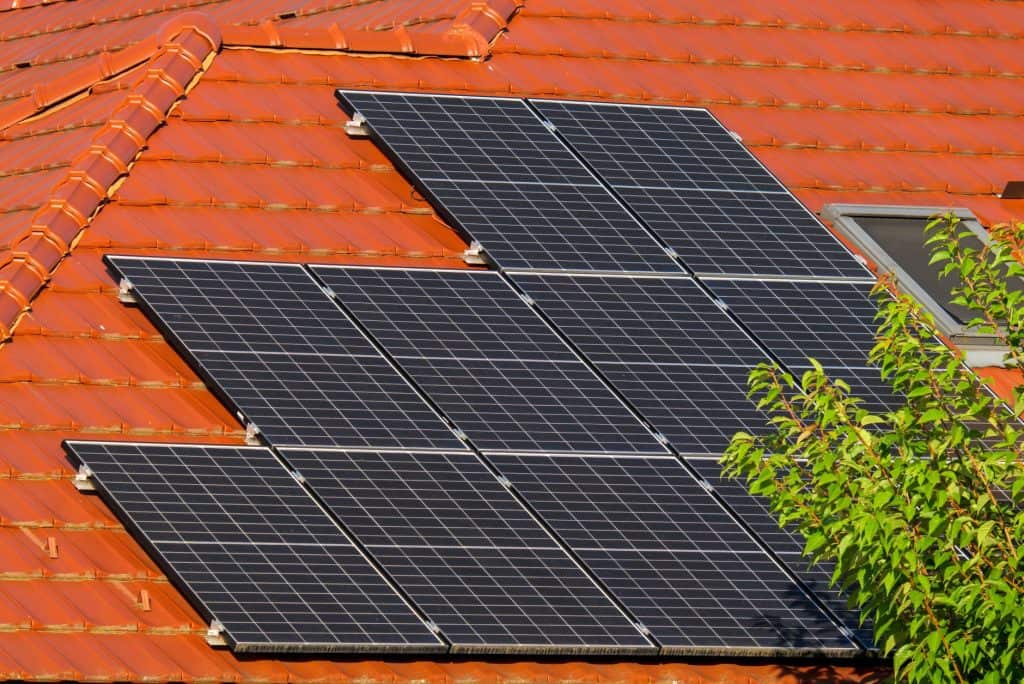
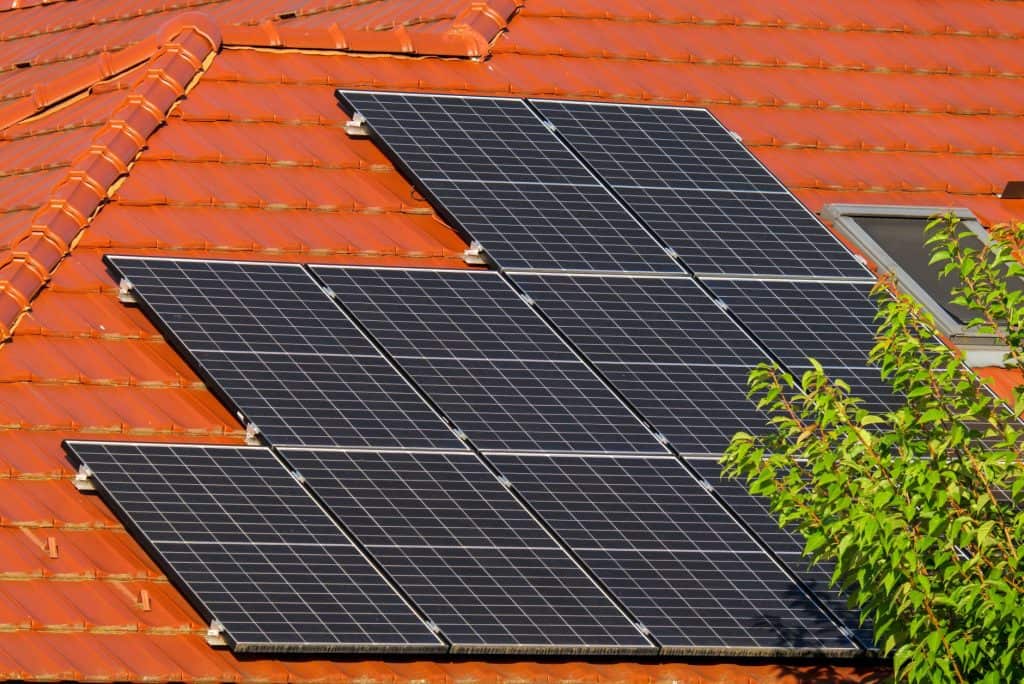
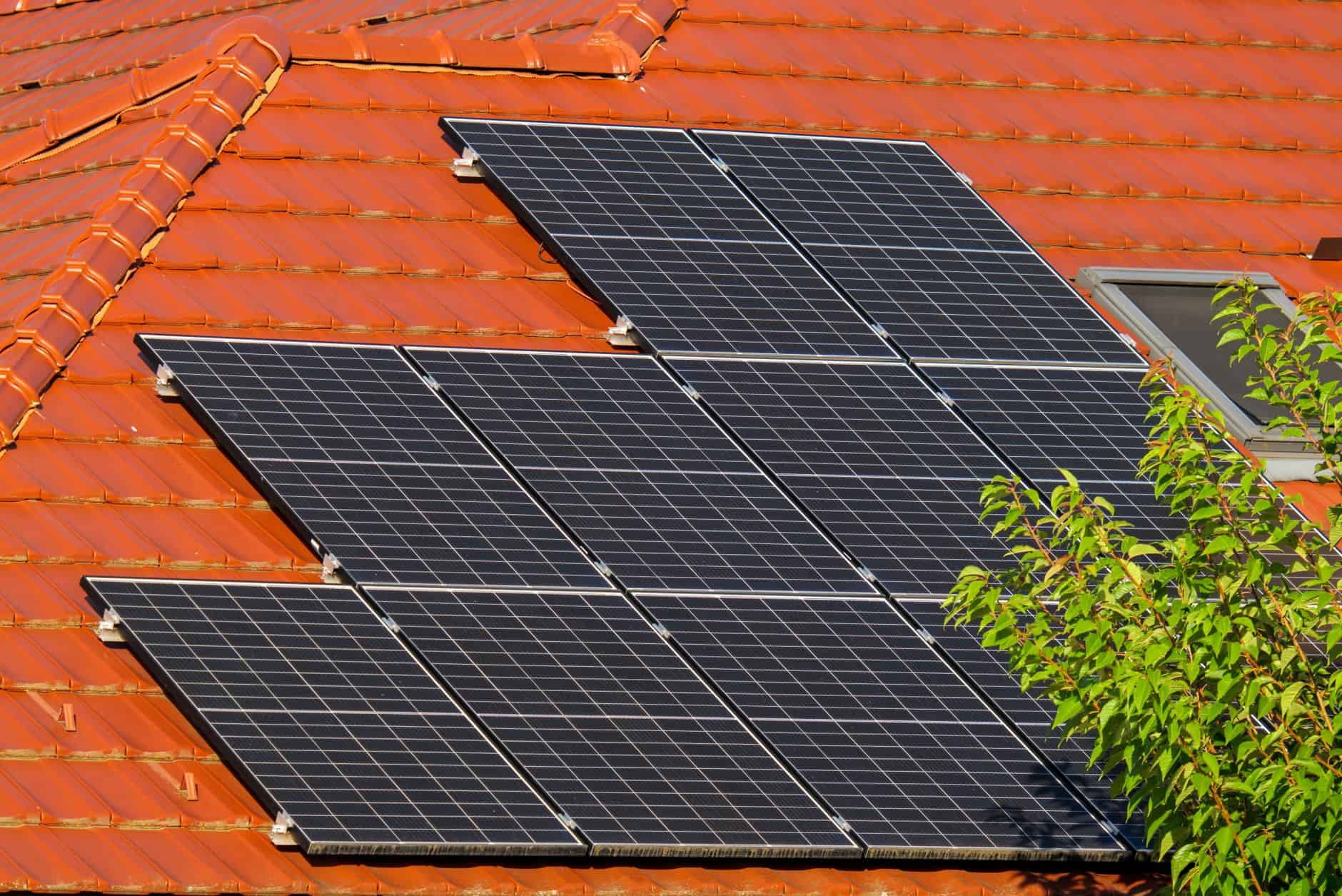
Residential solar panels in 2026 predominantly range from 320 W to 450 W per module, correlating with solar panel efficiencies between 18% and 23%. For homeowners with constrained roof space—often 20 to 50 m² dedicated to solar—a higher efficiency module enables greater total system capacity without increasing panel count.
Effectiveness of solar panels for residential use also depends on site-specific parameters:
- Oriëntatie en kanteling: South-facing roofs with optimal tilt angles close to local latitude maximize annual energy harvest, preserving high solar efficiency.
- Shadowing: Partial shading from trees, buildings, or roof structures will disproportionately reduce system output; advanced module bypass diodes and module-level power electronics (MLPE) help mitigate losses.
Investment cost per watt typically rises with solar panel efficiency; a 23% efficient panel may carry a premium of 10-15% over 18% efficient alternatives. Project developers and property owners must evaluate return on investment (ROI) relative to available roof space and expected energy generation, balancing upfront costs against long-term solar efficiency gains and potential feed-in tariff or net metering benefits.
Planning tools incorporating solar irradiance data, shading analysis, and panel performance characteristics facilitate optimized panel layouts that maximize kWh/m² annual production for residential solar.
How Solar Panel Efficiency Influences Project Scale and Investment in 10 MW Plants
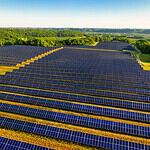
In utility-scale projects like 10 MW solar plants, module solar panel efficiency directly impacts project economics by affecting land use, capital expenditures, and operational parameters. Higher efficiency modules generate more peak power per square meter, reducing the site footprint required for a given capacity.
- Land Use Efficiency: A solar panel efficiency increase from 18% to 22.5% can reduce land requirements by 12-15%, cutting acquisition, site preparation, and permitting costs. For example, a 10 MW plant requiring approximately 40,000 m² with 18% modules might require only ~34,000 m² using 22.5% efficient panels, assuming module spacing and inverter loading remain equal.
- Balance of System (BOS) Costs: Higher efficiency entails fewer modules and associated racking, wiring, and connection components, lowering material and installation labor costs by an estimated 7-10% on average.
- Operation & Maintenance (O&M): Reduced panel count simplifies monitoring and maintenance logistics, though advanced module types may require specialized inspection protocols due to differing degradation mechanisms.
- Energy Yield and Financial Returns: Increasing solar panel efficiency improves kWh/kWp yield, positively influencing investor cash flow. Accurate modeling incorporates regional irradiance, module degradation rates (commonly 0.5% per year for quality modules), and temperature coefficients for forecasting returns over typical project lifespans of 25-30 years.
The Solar Plus Garden investment framework integrates the sale and operation of a 10 MW solar plant with community-based tuin lidmaatschap fees funded via solar revenue. This interlinked model leverages efficient solar panels to optimize energy production that sustains both electrical and agrivoltaic community activities, ensuring diversified value generation for investors and participants.
Standards and Testing Protocols Ensuring Reliable Efficiency Ratings in 2026
Reputable solar panel efficiency ratings are validated by adherence to international standards and certified testing. Key standards relevant in 2026 include:
- IEC 61215: Covers design qualification and type approval for crystalline silicon modules, including extensive stress and environmental tests to demonstrate performance durability and resistance to thermal cycling, humidity, and mechanical loads.
- IEC 61730: Specifies safety testing requirements addressing electrical insulation, fire resistance, mechanical integrity, and construction quality.
- Standard Test Conditions (STC): Benchmarks efficiency under controlled irradiance (1000 W/m²), cell temperature (25°C), and spectral conditions (AM 1.5).
- Nominal Operating Cell Temperature (NOCT): Simulates realistic operating conditions characterized by 800 W/m² irradiance, 20°C ambient temperature, 1 m/s wind speed, and incidence angle, providing a basis to estimate efficiency loss due to temperature in the field.
Industry-standard warranties guarantee at least 80-85% of initial module efficiency after 25 years, acknowledging degradation rates around 0.5% per year. Independent third-party certification bodies such as TÜV Rheinland, UL, and CSA perform efficiency verification to protect investors and property owners from overstated solar panel efficiency claims.
Comparing Efficiency Among Top Solar Panel Brands Available in 2026
Solar panels available in 2026 from leading manufacturers vary in efficiency and associated technological features. These differences inform procurement decisions for residential solar and large-scale projects.
- LONGi Solar: Primarily offers monocrystalline PERC modules with efficiency ranges between 21% and 22.5%, balancing cost and performance for residential solar and commercial-scale projects.
- REC Group: Combines heterojunction (HJT) and advanced PERC architecture, delivering module efficiencies near 22.5% to 23%, with emphasis on durability and moderate temperature coefficients suited for temperate climates.
- Q CELLS: Deploys both PERC and TOPCon solar cell technologies with module efficiencies reaching up to 23%, featuring anti-degradation enhancements such as low potential-induced degradation (PID) resistance.
- SunPower: Specializes in proprietary back-contact silicon solar cells with efficiencies exceeding 23.5% at the module level, targeting premium residential solar markets and applications requiring high roof space utilization.
Price-to-efficiency ratios should be evaluated in context; efficient solar panels in 2026 typically cost more upfront but can provide higher energy output per area, improving lifetime value in constrained installations. Regional logistics, supply chain impacts, and warranty conditions further influence solar panel worth.
How Efficient Solar Panels Support Regenerative Agriculture and Community Models
Efficient solar panels are central to agrivoltaic concepts integrated by Solar Plus Garden, which allocates solar revenue to sustaining a regenerative garden community alongside energy generation.
- Higher efficiency panels reduce land area consumed per unit of power, preserving greater ground space for garden plots and local food production within the same project footprint.
- Modern bifacial and transparent backsheet designs adapt shading patterns, improving conditions for under-panel crops that thrive with moderated sunlight, for example partial shade crops like leafy greens.
- Solar Plus Garden’s financial model ties solar panel returns to membership fees funding the garden community, creating investment-linked social benefits and resource optimization.
- The garden aims to host up to 3,000 individual plots, financially sustained through solar energy revenues, showcasing scalable models of sustainable agrivoltaic land use.
Such synergy between efficient solar panel technology and agricultural use exemplifies how solar projects in 2026 extend impact beyond electricity output to foster local food security and community engagement.
Veelgestelde vragen
What is the typical efficiency range for residential solar panels in 2026?
Residential solar panels generally range from 18% to 23% efficiency, depending on the solar cell technology used, such as monocrystalline PERC, HJT, or TOPCon cells. Higher efficiency panels reduce required roof space while increasing energy yield.
How does solar panel efficiency impact the total land area required for a 10 MW solar project?
Solar panels rated above 22% efficiency can reduce the land area needed by approximately 10-15% compared to 18-19% efficient panels, assuming equal system design and layout, which translates to substantial land cost savings and permitting simplification.
Are there industry standards that certify the efficiency ratings of solar panels?
Yes, efficiency ratings are certified under IEC 61215 for design qualification and IEC 61730 for safety, with performance measured under STC. Nominal Operating Cell Temperature (NOCT) tests provide realistic efficiency metrics for field conditions.
Can efficient solar panels be used effectively in agrivoltaic projects like Solar Plus Garden?
Yes, efficient solar panels maximize electricity output per unit area, enabling integration with crop cultivation beneath or adjacent to arrays. This supports community investment models that combine solar energy generation with local food production and shared economic benefits.
Conclusie
Selecting efficient solar panels in 2026 involves balancing solar cell technology, module efficiency, site constraints, and investment context. For residential solar, panels exceeding 20% efficiency optimize limited roof space, while utility-scale projects like 10 MW plants benefit from modules above 22% efficiency to reduce land consumption and CAPEX.
International testing standards including IEC 61215 and IEC 61730 ensure reliability and consistent performance. Combining efficient solar panels with community models such as Solar Plus Garden leverages energy revenue to support regenerative agriculture and shared sustainability goals.
Property owners, developers, and investors should integrate solar panel efficiency analysis with site-specific factors and evolving market conditions to identify cost-effective, high-efficiency solar installations aligned with long-term environmental and financial objectives.