


Ground-Mount Solar Systems for Reliable Power: Key Factors and Installation
Site Selection and Ground Conditions for Ground-Mount Solar Systems
Choosing an appropriate site and analyzing the ground conditions are fundamental steps when planning a ground-mounted solar panel installation to ensure structural stability and efficient solar power generation. Soil bearing capacity is a primary consideration; soils with load-bearing capacities between 100 and 300 kPa typically support common mount kits without additional engineering. Sites with bearing capacities below this range often require soil stabilization techniques such as compaction, geotextiles, or reinforced foundations to support the racking system safely.
Slope angle directly affects the solar panel ground mount design and energy yield. Optimal slopes remain under 5°, allowing stable installation of solar racks at fixed tilt angles without significant site grading. Sites with slopes above 5° may need cut-and-fill earthworks or tilt-adjustable solar racks to maintain panel angle uniformity essential in solar design for maximizing irradiance capture and minimizing shading.
Early consultation with local authorities is imperative to assess zoning restrictions, setback requirements, height limits, and potential environmental impact assessments. Given the variability in regulations by jurisdiction, a detailed permit acquisition process is part of project feasibility studies.
- Soil bearing capacity: 100–300 kPa recommended for standard ground-mounted solar power systems using typical mount kits.
- Slope angle: preferred under 5° for stable mounting and uniform solar ground mount tilt.
- Permitting requirements: include zoning compliance, environmental clearances, and setback adherence applicable by municipality.
Types of Ground Mounting Systems and Solar Racks
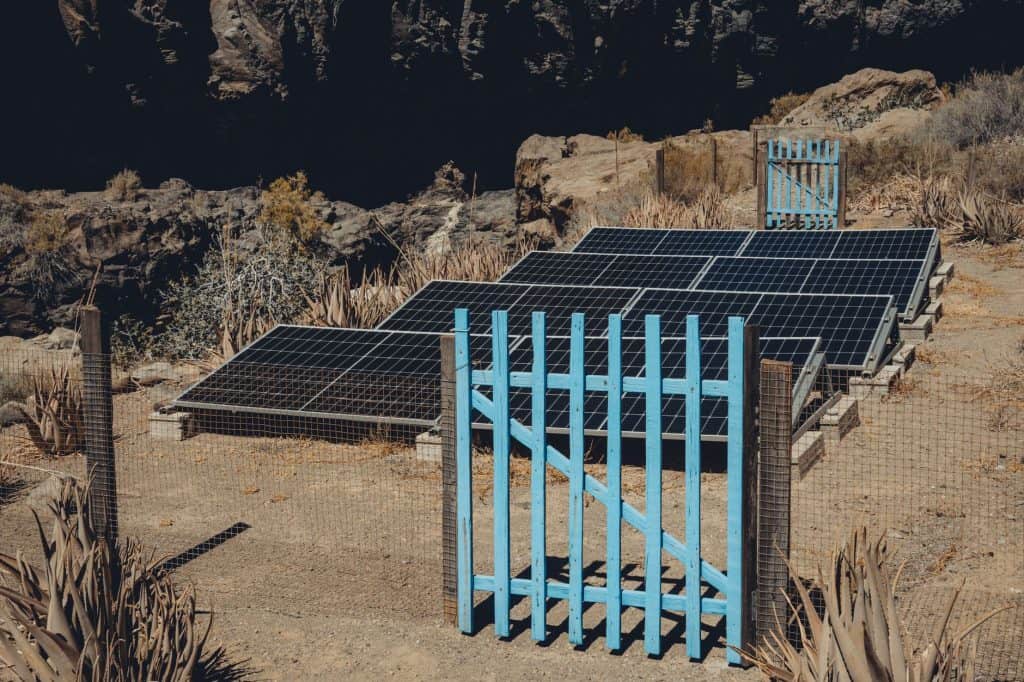
Several mounting systems suit solar ground mount projects, chosen based on site conditions, budget, and desired system flexibility. Fixed tilt racks dominate in ground mount solar installations, offering tilt angles mostly between 15° and 30°, fixed to maximize annual irradiance given geographic latitude. These consist of aluminum or galvanized steel rails connected to foundation elements, using mount kits scalable for arrays of varying sizes.
Adjustable solar panel systems, with tilt ranges from 10° to 40°, allow seasonal angle changes to optimize energy capture by compensating for solar path variations. This adaptable solar rack type improves annual yield by an estimated 5-10% depending on location, though at higher initial cost due to mechanical complexity.
Ballast mounting systems, such as the IntegraRack IR-30 BallastRack or eg4 brightmount, are designed for installations where penetrating the ground is undesirable or impossible. They rely on weighted concrete blocks or similar ballast materials to secure racks, preventing displacement from wind loads. These systems are common in sites with shallow soils, rocky terrain, or environmental protection requirements.
Pole mounts and single or dual-axis trackers use motorized mounts to adjust the solar panel ground mount dynamically throughout the day and seasons. Trackers can improve energy yield by 10-25% compared to fixed systems, by maintaining near-perpendicular panel alignment to sunlight. These systems use mounts for 2, 3, 4, or 6 panels per pole to optimize structural and electrical design, with additional maintenance considerations due to moving parts and controls.
| Mounting System | Tilt Angle Range | Key Application |
|---|---|---|
| Fixed Tilt Rack | 15°–30° | Standard ground-mounted solar arrays using mount kits |
| Adjustable Tilt System | 10°–40° | Seasonal tilt adjustment for optimized solar ground mount yield |
| Ballast Mount (IntegraRack IR-30, eg4 brightmount) | Variable | Weight-based secure mount for non-penetrative installations |
| Pole Mounts / Trackers | Dynamic | Maximizing solar power capture via automated solar rack tracking |
Solar Panel Array Layout and Wiring for Ground-Mount Systems
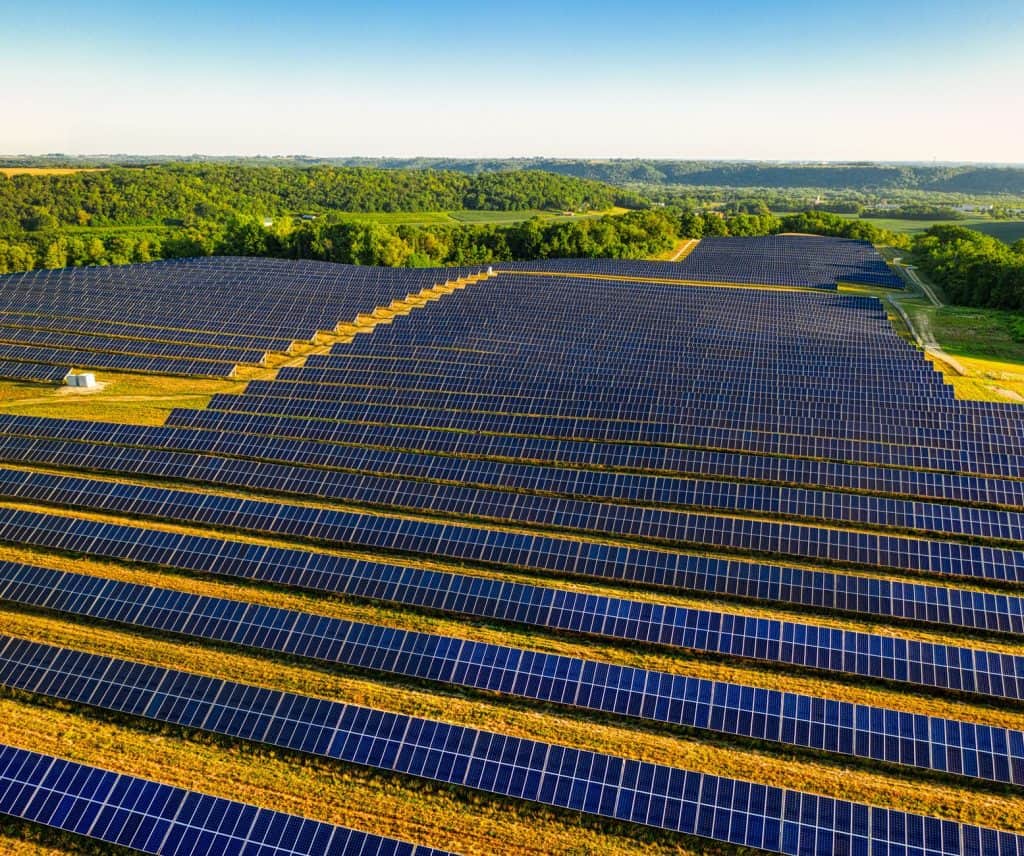
Solar panel ground array layout and wiring design influence overall system performance, efficiency, and safety of ground-mounted solar power systems. A minimum row-to-row spacing of 2 to 3 times the panel height is standard to prevent shading losses, with adjustments based on latitude and sun path analysis. Lower latitudes can tolerate closer spacing due to more vertical sunlight incidence, while higher latitudes generally require wider spacing to avoid inter-row shading during low solar angles.
Electrical wiring arrangements customarily combine series strings to achieve the inverter’s recommended input voltage, while parallel connections increase current capacity. The selection depends on the inverter model, cable losses, and system voltage limits. For instance, a 600 V or 1,000 V DC system voltage rating determines string length and wiring layout.
Grounding and bonding comply with IEC 62548:2021, which regulates requirements for fotovoltaïsch system electrical protection. This standard defines sizing criteria for grounding conductors, equipotential bonding of module frames and racks, and integration of surge protective devices. Compliance decreases risks from lightning strikes and electrical faults, ensuring system safety and regulatory adherence.
- Row spacing: 2–3 times panel height, latitude-dependent, to minimize shading
- Wiring configuration: series-parallel combinations based on inverter voltage/current specifications
- Grounding standards: IEC 62548 for equipotential bonding and surge protection measures
Installation Steps and Timeline for Ground-Mounted Solar Power Systems
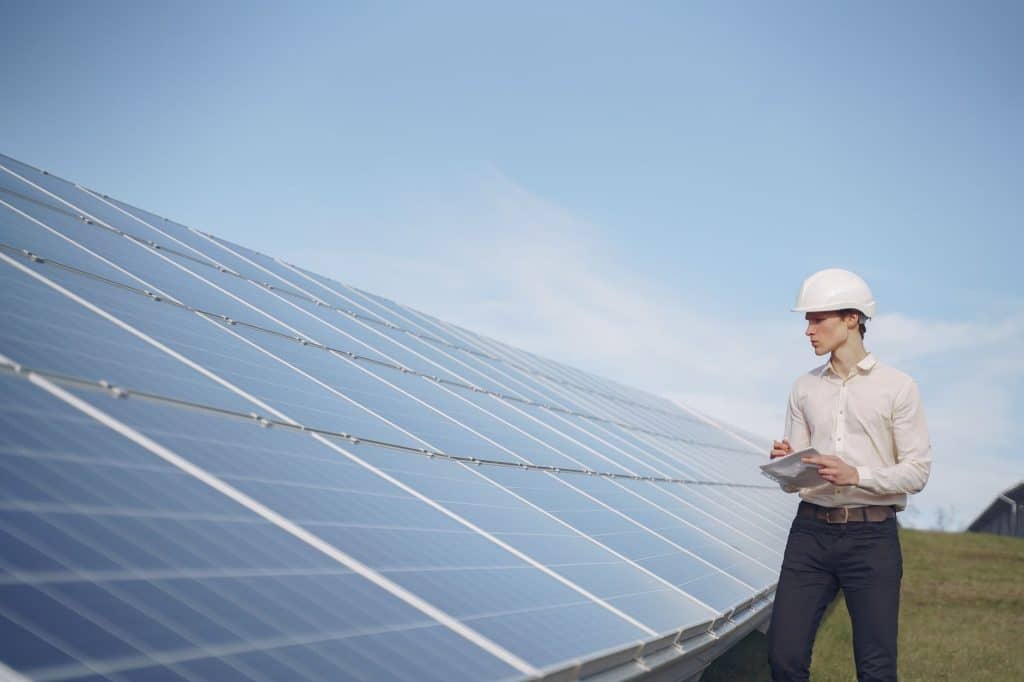
Installing a ground-mounted solar system involves sequenced stages coordinated across civil and electrical disciplines. For a typical 10 kW ground mount solar system, installation takes approximately 4 to 8 weeks, subject to site constraints and permitting processes.
- Site Preparation: Vegetation clearing, grading, and soil compaction to achieve target slope and bearing capacity for stable rack foundation installation.
- Foundation Installation: Based on soil type and mounting system choice, foundations can be driven piles, concrete piers, or ballasted pads, installed according to engineering specifications for load resistance and durability.
- Solar Rack Assembly and Anchoring: Mount kits are assembled, and solar racks anchored, ensuring correct tilt using precision mounts to meet solar design angle requirements.
- Solar Panel Installation: Ground-mounted solar panels are mounted onto racks using manufacturer-specific clamps and fasteners to secure modules against wind and snow loads.
- Electrical Wiring and Hookup: Arrays are wired in series and parallel as per electrical design, connected to inverters, combiner boxes, disconnects, and protective devices.
- Inspection and Commissioning: Final inspection according to local grid connection standards, electrical testing, and system startup to validate operation.
Procurement timelines, labor coordination, and weather conditions can affect schedule adherence. Complex ground mount solar projects or those with tracker mounts generally require extended installation periods due to mechanical assembly and electrical integration complexity.
Cost Components and Investment Considerations for Ground-Mount Solar Systems
Ground-mounted solar power systems cost structure includes multiple interrelated components affecting upfront investment and long-term returns. Primary cost categories are:
- Solar panels: Constitute approximately 40-50% of total system cost, influenced by panel type, power rating, and efficiency.
- Mounting system and racks: Costs vary depending on fixed or adjustable racks, ballast solutions like ballast racks including IntegraRack IR-30, or tracker systems requiring specialized mounts for 2, 3, 4, or 6 panels per pole.
- Inverters and Balance of System (BOS): Include central or string inverters, cabling, wiring devices, and safety controls compliant with local electrical codes.
- Site preparation and civil works: Grading, soil preparation, foundation installation, and erosion control.
- Labor: Covers system assembly, electrical work, commissioning, and ancillary civil tasks.
Typical total installed costs in Europe for ground-mount solar systems range between €1,200 and €1,800 per kW, influenced by site complexity and mounting options. Economies of scale reduce per-kW costs on larger commercial arrays. Specialized racking systems such as ballastrack solar module setups or tracker mounts entail higher hardware and maintenance costs, which must be balanced against expected energy yield improvements.
Investment decisions also depend on applicable local subsidies, feed-in tariffs, financing structures, and the choice between equity or loan-based models. Project developers and investors should base decisions on detailed financial modeling tailored to local regulatory environments.
Maintenance Requirements for Ground-Mounted Solar Systems
Ground-mounted solar systems require periodic inspections and cleaning to sustain performance and durability. Maintenance frequency depends on environmental factors such as dust, pollen, and agricultural activities nearby. Biannual checks are a minimum recommendation.
- Panel cleaning: Removing accumulated dirt, bird droppings, or vegetation interference to maintain optimal solar irradiance capture.
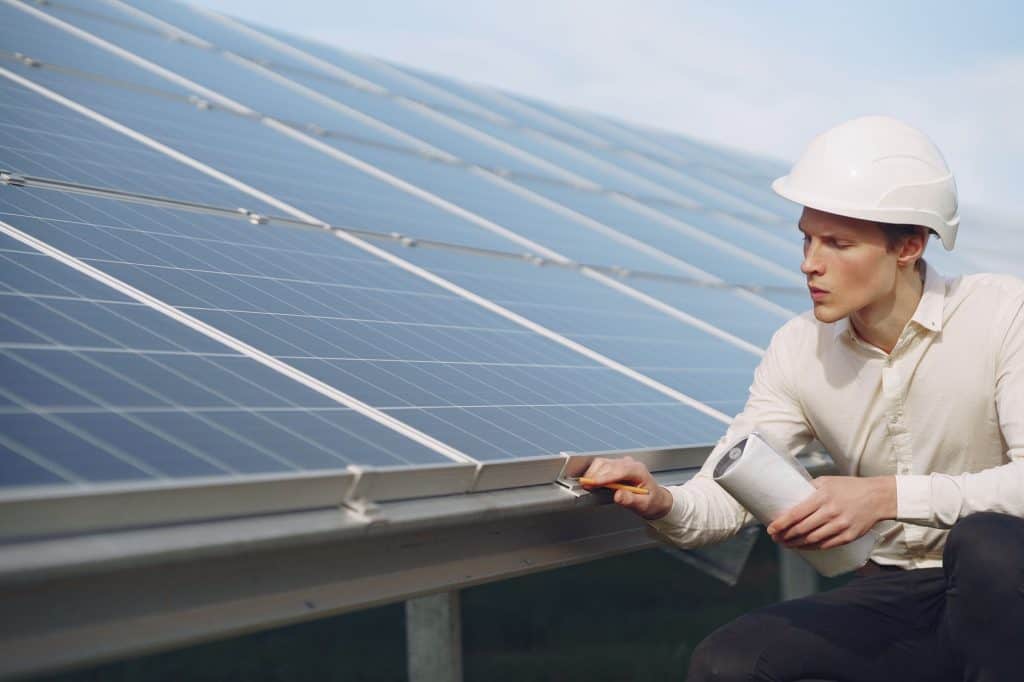
- Racking system inspection: Verifying the integrity of solar rack mounts, fasteners, alignment, and corrosion, paying close attention to components such as clamps and rack joints.
- Electrical system assessment: Monitoring inverter output, checking wiring insulation condition, and verifying grounding and surge protection equipment in line with IEC 62548.
Installation of remote monitoring platforms integrated with the solar power system allows real-time data acquisition and early fault detection, facilitating proactive maintenance and minimizing downtime. Maintenance contracts should reflect system complexity, especially for adjustable solar panel racks or tracker mounts.
Comparison of Ground-Mount vs Roof-Mount Solar Systems for Property Owners
Selecting between ground-mounted and roof-mounted solar power systems involves trade-offs related to installation process, performance, and site constraints.
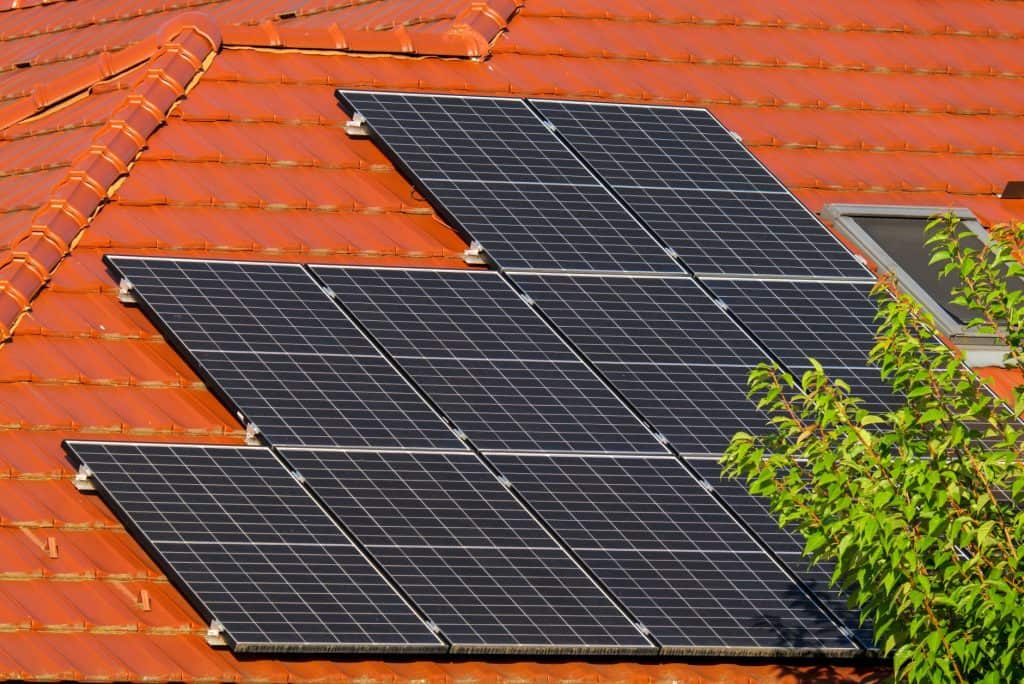
- Installation complexity: Ground mount solar requires more extensive site prep, foundation works, and permitting. Roof mounts depend on roof conditions, structural integrity, and access challenges but reuse existing building space.
- System scalability: Ground-mounted solar arrays can expand by adding solar racks, limited primarily by available land, whereas roof-mounted systems are constrained by usable roof area and orientation.
- Performance and cooling: Ground-mounted solar panels typically benefit from 5-10% efficiency gains over roof mounts due to superior airflow enabling panel cooling and optimized tilt angles via adjustable solar rack solutions.
- Land use and regulation: Roof-mounted systems have minimal ground footprint but may face shading or structural constraints. Ground-mounted solar requires land, may be subject to local zoning, and might trigger environmental assessments depending on parcel use.
Home or business owners should evaluate energy needs, site conditions, budget, and permitting implications to select the right system fit for their property.
Integration of Ground-Mounted Solar with Agricultural and Garden Applications
Agrivoltaïcisme combines solar panel ground mounts with crop production, enabling dual-use of land to optimize resource efficiency. Elevated solar racks spaced to provide partial shading—typically between 25% and 40% shade fraction—support many crop species without yield reduction.
The solar design must carefully consider solar array height, row spacing, and solar rack tilt to balance light diffusion and shading. This approach can contribute microclimate benefits such as reduced evapotranspiration and improved soil moisture retention.
Community platforms like Solar Plus Garden integrate ground-mounted solar investments with garden membership models. Members pay a membership fee that finances solar power systems, which in turn subsidize community gardening activities. This model separates garden operations from solar investment legally, enabling broad community involvement without requiring direct capital in solar assets.
- Shade tolerance: 25-40% partial shading levels compatible with diverse crops.
- Dual land use: Ground-mounted solar arrays coexist with active agricultural or garden plots.
- Community benefits: Solar revenue funds garden membership and communal activities within a regulated membership fee framework.
Veelgestelde vragen
What size ground mount solar system is suitable for a small business?
System size depends on average energy consumption and available space. Small businesses commonly install ground-mounted systems ranging from 5 kW to 50 kW. A professional site assessment and energy audit provide tailored sizing recommendations to align with operational load profiles and budget.
How long does installing a ground-mounted solar array usually take?
Installation timelines vary with system capacity and site conditions. A 10 kW ground mount solar system generally requires 4 to 8 weeks from initial site preparation through commissioning, considering permitting and supply chain factors.
Are ground-mounted solar panels easier to maintain than roof-mounted ones?
Ground-mounted solar ground mount arrays usually offer safer and simpler access for cleaning, inspections, and repairs compared to roof-mounted solar panels, which often require ladders, scaffolding, or lifts and involve working at height.
Can I install a ground mount solar system on uneven or sloped land?
Moderate slopes under 5 degrees are manageable with appropriate site grading and installing adjustable solar panel racks to achieve optimal tilt and alignment. Steeper or unstable terrain may necessitate extensive earthworks or may be unsuitable for ground mount solar power systems.
Conclusie
Property owners, developers, and investors evaluating ground-mounted solar systems should comprehensively assess site-specific ground conditions, regulatory requirements, and system sizing to select the right solar ground mount solution. Understanding available mounting system types—from fixed tilt racks to adjustable and tracker solar racks—along with installation timelines, maintenance needs, and cost components enhances project planning precision. Agrivoltaic integration and community engagement models like Solar Plus Garden offer opportunities to synergize solar power systems with local food production and community benefits. Continuous monitoring of regulatory changes and technological advances remains essential for optimizing investment outcomes in ground-mounted solar power system projects.
Gerelateerde artikelen
- Essentiële beste praktijken voor de installatie van zonnepanelen voor betrouwbare en efficiënte zonne-energiesystemen
- Optimalisatie van zonne-energie-integratie met batterij-energieopslagsystemen (BESS) en generatorsets (GENSET) voor betrouwbare hybride energiesystemen.
- Hoe zonne-energiesystemen zorgen voor betrouwbare stroomvoorziening wanneer u die het meest nodig hebt.