


Solar Power Storage: How Battery Systems Support Your Solar Energy Use
Core Components of Solar Battery Storage Systems
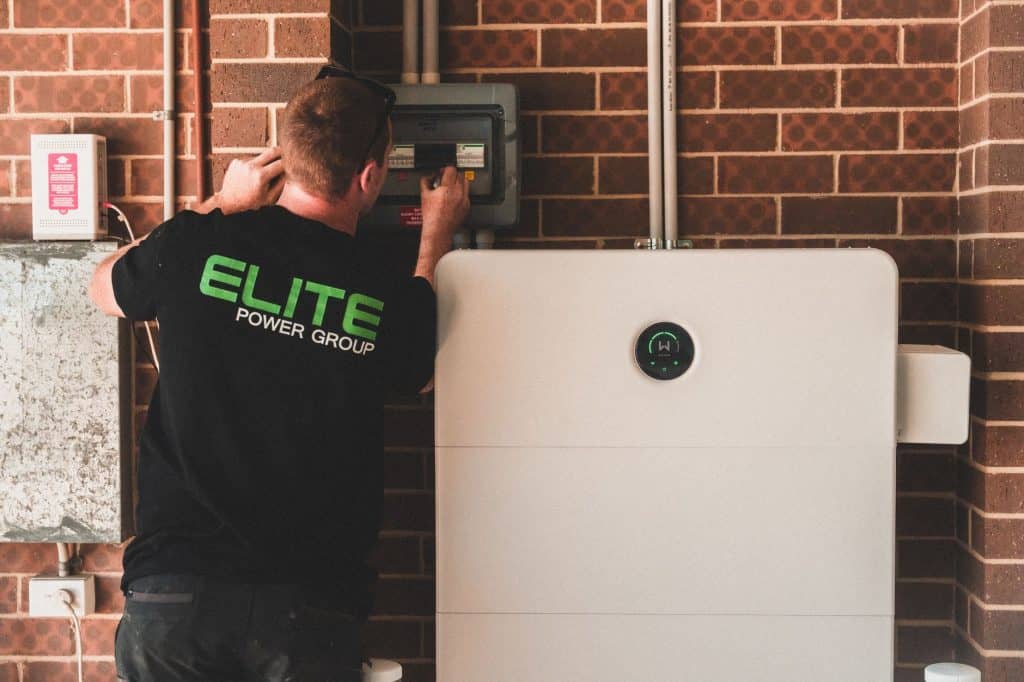
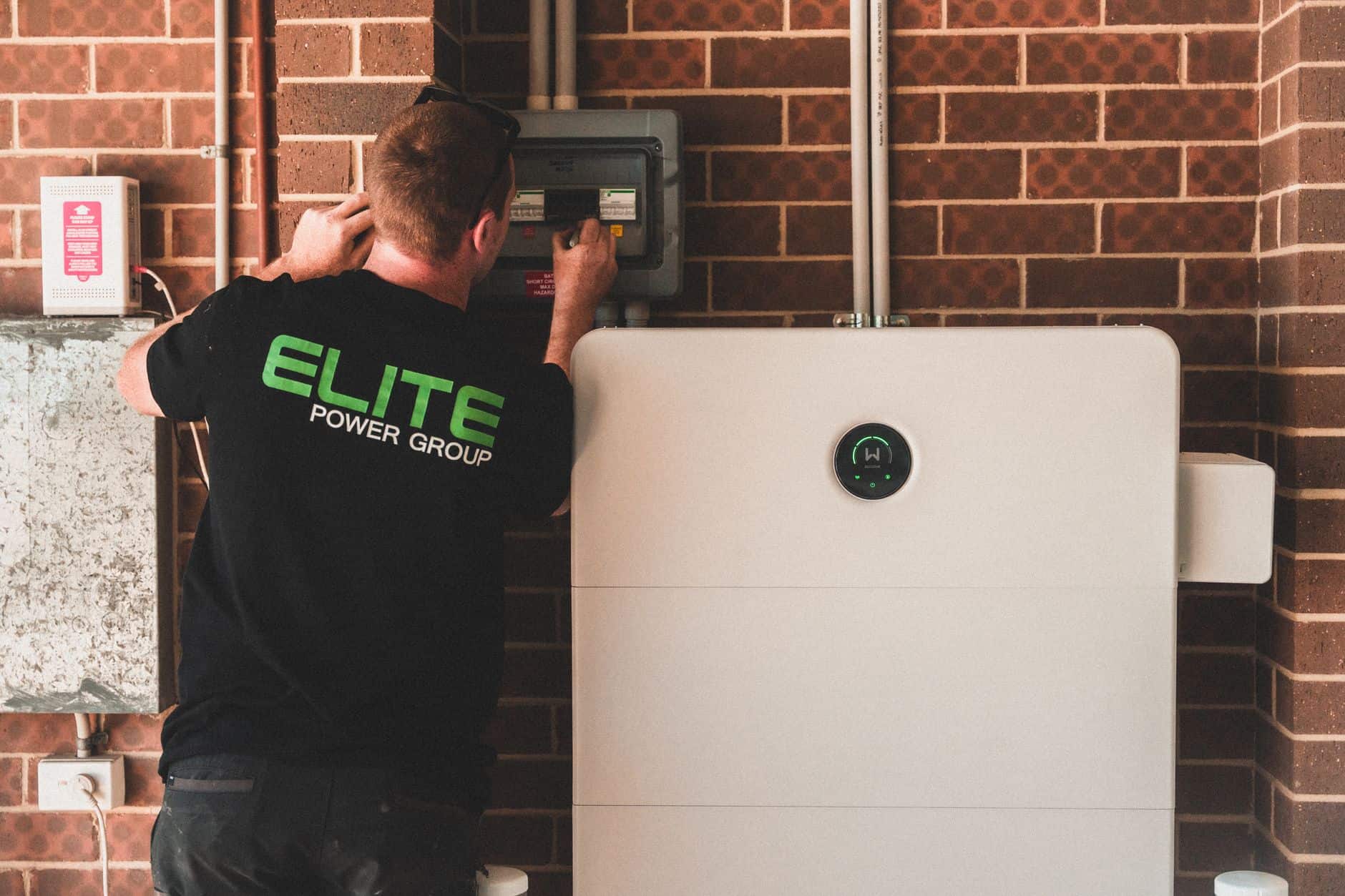
Solar battery storage systems store excess solar energy generated by photovoltaic panels during peak sunlight hours for use when demand exceeds generation or when solar output drops. The main components include batteries, inverters, and charge controllers that coordinate energy flow within solar energy systems.
Battery Types in Solar Storage
- Lithium-ion batteries: The dominant technology in residential solar storage, known for energy densities of 150-250 Wh/kg, round-trip efficiencies between 85% and 95%, and cycle lifespans of 3,000 to 5,000 cycles at 80% depth of discharge (DoD). Their high charge/discharge cycles support both daily cycling and battery backup applications.
- LiFePO4 (Lithium Iron Phosphate) batteries: A lithium-ion subtype offering improved thermal stability and safety due to reduced risk of thermal runaway. Typically providing cycle lives exceeding 4,000 cycles at 80% DoD, LiFePO4 batteries maintain capacity retention above 80% after 10 years, making them suitable for solar energy storage requiring longer operational lifetimes.
- Lead-acid batteries: Established but declining in solar storage usage, lead-acid options (flooded or sealed VRLA types) have lower costs but shorter cycle lives of 500–1,200 cycles at 50% DoD, round-trip efficiencies under 85%, and require regular maintenance such as electrolyte-level checks. Their limited usable capacity and environmental concerns restrict them primarily to budget-constrained or off-grid solar energy systems.
Inverters and Charge Controllers
In solar battery storage systems, inverters convert DC electricity from batteries to AC power for household or grid loads. Bidirectional inverters accommodate simultaneous solar generation, battery charging, and grid interaction, essential for grid-tied solar energy systems. Modern inverters adjust output dynamically to match load demands and optimize energy flow, complying with grid interconnection standards such as IEEE 1547.
Charge controllers manage battery charging currents and voltages, preventing overcharging or deep discharging that degrade battery life. Maximum Power Point Tracking (MPPT) charge controllers optimize solar panel output, adjusting voltage and current to maintain battery health and system efficiency according to manufacturer specifications.
Together, these components ensure the solar battery storage system work integrates effectively within the solar energy system, supporting reliable electricity supply while maintaining grid compatibility and system safety.
Solar Battery Storage for Backup and Grid Independence
Solar batteries provide backup power during grid outages, ensuring continuity for critical residential solar loads such as refrigeration, lighting, and communication devices. Battery backup capacity must be sized to meet both load requirements and desired outage duration.
Backup Capacity Sizing Considerations
Key parameters for battery backup sizing include:
- Essential load consumption: Measure critical appliances’ power draw in kilowatts (kW) to define continuous load requirements.
- Desired outage duration: Backup typically targets 4 to 12 hours, aligned to regional reliability expectations or specific user needs.
- Battery usable capacity and Depth of Discharge (DoD): Usable capacity is the rated battery capacity multiplied by recommended DoD, commonly 80% for lithium-ion systems.
- Solar generation during outages: If regulatory and interconnection rules permit, solar panels can supplement battery storage, reducing battery size and outage duration risk.
For instance, a home with a 1.5 kW essential load for 8 hours and a LiFePO4 battery rated for 80% usable DoD requires:
| Essential Load (kW) | Backup Duration (hours) | Battery Capacity Required (kWh) |
|---|---|---|
| 1.5 | 8 | 15 kWh (1.5 × 8 / 0.8) |
Grid-Tied vs. Off-Grid Solar Battery Storage Systems
Solar battery storage systems operate in two primary modes:
- Grid-tied systems: Connected to the utility grid via bidirectional inverters, these systems can send excess solar energy to the grid or draw power when solar plus battery output is insufficient. They typically require smaller battery capacities, as the grid provides an effectively unlimited backup source, and comply with interconnection standards such as EN 50438 in the EU.
- Off-grid systems: Entirely reliant on onsite solar production and battery storage, off-grid systems require oversized battery banks and sophisticated energy management to handle load fluctuations and extended low-sun periods, often incorporating generator backup for reliability.
Most residential solar installations opt for grid-tied battery storage to balance investment costs, backup reliability, and regulatory simplicity.
Interpreting Solar Battery Storage System Performance Metrics
Key metrics inform evaluation of energy storage solutions for solar power:
Battery Round-Trip Efficiency
This metric reflects the ratio of energy output during discharge to energy input during charging, encompassing conversion losses. Lithium-ion solar batteries achieve 85–95% round-trip efficiency, meaning 5–15% energy loss, influenced by battery chemistry and inverter efficiency.
Depth of Discharge (DoD) and Cycle Life
DoD specifies the usable portion of total battery capacity to extend operational life. For example, operating at 80% DoD extends cycle life to approximately 3,000–5,000 for lithium-ion batteries, while lead-acid batteries typically support only 50% DoD to avoid sulfation and degradation.
Cycle life indicates battery longevity, or the number of full cycles before capacity falls below 80% of original. Balancing DoD and cycle frequency is critical for optimizing system economics and reliability.
Power Output Ratings
Batteries are rated for continuous and peak power output, measured in kilowatts (kW), indicating their ability to meet instantaneous load demands, including startup surges from appliances. Residential solar battery storage systems commonly provide inverter power ratings between 3 kW and 10 kW, calibrated to household consumption patterns.
Legal and Safety Standards Governing Solar Battery Storage
Compliance with safety and regulatory standards ensures safe operation and acceptance by authorities:
Electrical and Fire Safety Standards
Battery storage systems, particularly lithium-ion, must meet IEC 62619 which covers performance under abusive conditions, thermal management, and monitoring requirements. In addition, UL 9540 (Energy Storage System Equipment Safety) applies in many jurisdictions, governing design and installation practices.
Permitting and Inspections
Solar battery storage installations require permits and inspections verifying adherence to local electrical codes, fire regulations, and grid interconnection mandates. In the EU and Serbia, national regulations stipulate controlled installation with certified components and qualified personnel to ensure system reliability and emergency response safety.
Battery Disposal and Recycling
End-of-life batteries contain materials regulated under environmental directives such as the EU Battery Directive 2006/66/EC, requiring appropriate recycling to recover metals and prevent pollution. Solar companies must provide documented recycling pathways as part of environmental compliance.
Maintenance and Monitoring of Solar Battery Storage Systems
Ongoing upkeep and performance monitoring maintain system reliability and extend lifetime:
Battery Health Checks
Diagnostics performed biannually assess parameters including capacity retention percentage and internal resistance increases, which indicate degradation and guide decisions on maintenance or replacement.
System Monitoring Software
Integrated software platforms collect real-time data on battery state-of-charge, temperature, charge/discharge cycles, and inverter status. Such platforms enable predictive maintenance by detecting anomalies early to avoid unexpected failures.
Maintenance Intervals and Replacement Timelines
Lithium-ion batteries commonly warrant 10 to 15 years of service under typical cycling and environmental conditions. Inverters generally require replacement every 7 to 12 years due to wear on power electronics. Regular inspections at 6- to 12-month intervals ensure electrical connections and safety devices remain fully operational, preserving system performance.
Integrating Solar Power Storage in Community-Backed Projects
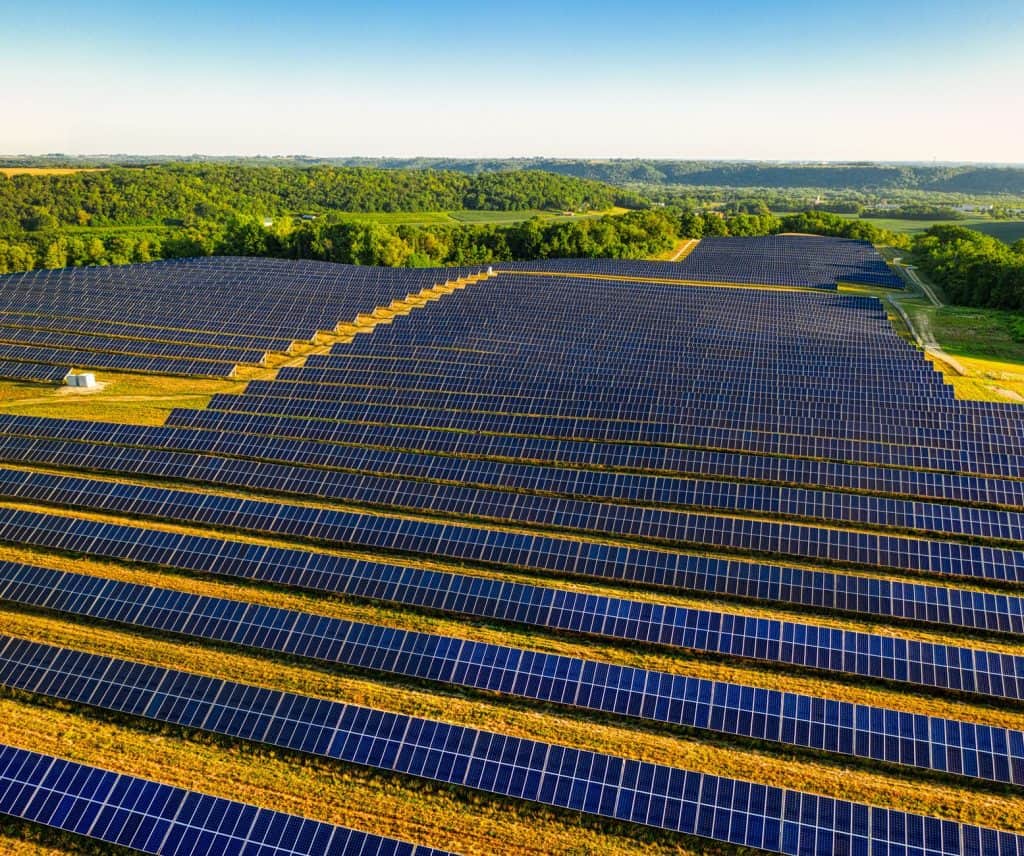
Solar Plus Garden integrates solar battery storage in a community-funded platform supporting a 10 MW solar plant.
Funding Through Membership Fees
Community members pay a membership fee allocated directly to financing solar battery storage and infrastructure within the project. This model enables participation by small and medium investors via regulated, transparent mechanisms linking financial inputs to energy assets.
Legal and Organizational Separation
De zonne-energiecentrale and battery storage assets are owned and managed by a Serbian limited liability company (DOO), while the tuin lidmaatschap and related community activities operate under a separate Estonian private limited company (OÜ). This separation clarifies legal responsibilities and secures transparent fund flows via defined payment and escrow models to prevent unauthorized expenditure.
Scalability Aligning Storage with Solar Generation
Storage capacities scale with the 10 MW solar plant’s output to address intermittent solar energy production and varying community consumption. Payment structures ensure funds are disbursed only upon verification of milestones, aligning financial flows with project progress and system commissioning stages.
Comparing Solar Battery Storage Technologies for Investment Decisions
Selecting an appropriate storage technology depends on evaluating costs, durability, and compatibility with project requirements.
| Characteristic | Lithium-ion Battery | Lead-Acid Battery |
|---|---|---|
| Initial Cost (€/kWh) | Higher upfront capital cost, ranging from €350 to €600 per kWh | Lower upfront cost, approximately €100 to €200 per kWh |
| Cycle Life | 3,000 – 5,000 cycles at 80% DoD | 500 – 1,200 cycles at 50% DoD |
| Round-Trip Efficiency | 85% – 95% | 70% – 85% |
| Maintenance Requirements | Minimal monitoring; no electrolyte topping | High; requires water topping, equalization charging, and inspection |
| Suitability | Daily cycling, backup, and scalable community solar storage | Backup with limited cycling, cost-constrained applications |
Lithium-ion batteries offer superior lifecycle economics for solar energy storage solutions despite higher capital investments, supporting the Solar Plus Garden community model focused on scalability and long-term sustainability. Lead-acid batteries may appeal in limited-budget or off-grid scenarios but generally entail higher operational costs and shorter total energy throughput.
Cost Factors and Financial Considerations for Solar Battery Storage
Investment costs for battery storage systems encompass multiple elements:
- Capital Costs: Include battery modules, compatible inverters, installation labor, permit acquisition, and system integration components. Installation costs vary by location and project scale, commonly between €500 and €1,200 per kWh installed.
- Operational Costs: Comprise ongoing maintenance, system monitoring subscriptions, and eventual replacements of batteries or inverters during the system’s 10–15 year lifecycle.
- Financial Incentives: Subsidies, grants, or tax credits in the European Union and Serbia may enhance financial viability but vary frequently with regulatory shifts, necessitating project-level verification.
Prospective investors and property owners should conduct comprehensive financial modeling incorporating local cost factors, lifecycle assumptions, and evolving incentive frameworks to determine investment feasibility for their solar energy and battery storage projects.
Veelgestelde vragen
What battery capacity do I need to back up my home during power outages?
Battery capacity depends on your essential load and desired backup duration. Typical residential solar battery storage ranges from 5 kWh to 15 kWh to cover essentials for 4 to 12 hours. Precise sizing should consider appliance power consumption data and consultation with your solar company.
How long do solar batteries typically last before needing replacement?
Lithium-ion solar batteries commonly last between 10 and 15 years under average cycling and environmental conditions. Battery aging depends on depth of discharge, temperature, and usage patterns. Lead-acid batteries generally last 3 to 7 years.
Can I install solar battery storage separately from my solar panels?
Yes. Solar batteries can be retrofitted to existing solar energy systems to enhance energy storage capabilities, backup power, and grid independence. Compatibility verification and professional installation are essential for system integration.
Are there any regulatory approvals required for installing solar battery storage?
Yes. Permits and inspections are typically required to ensure compliance with electrical safety, fire prevention standards, and grid interconnection regulations. Solar Plus Garden follows Estonian and Serbian legal frameworks to guarantee transparent and compliant installations.
Effective integration of solar power storage requires assessing energy use profiles, desired backup capabilities, and system technology compatibility. Selecting appropriate battery types and sizes aligned with usage patterns and maintenance capacity is crucial. Understanding regulatory requirements and transparent financial management, as exemplified by Solar Plus Garden’s community model, supports sustainable and legal project execution. Changes in incentive programs, technology advances, and evolving community energy demands may influence optimal storage system configurations and investment strategies.
Gerelateerde artikelen
- Integratie van batterij-energieopslagsystemen (BESS) voor geoptimaliseerde zonne-energieopwekking en netbeheer.
- Maximale veerkracht van uw woning met batterijback-upsystemen geïntegreerd in zonne-energiesystemen
- Hoe intelligente hybride zonne-energiesystemen energieonafhankelijkheid bevorderen met slimme opslag en off-grid besturing