










How Solar Sovereign Wealth Funds Drive Renewable Energy Transition and Secure Long-Term Returns
The Strategic Role of Solar Sovereign Wealth Funds in National Energy Security
A solar sovereign wealth fund (SSWF) is a government investment fund dedicated exclusively to capital deployment in solar power generation assets, primarily solar fotovoltaico projects. These government investment funds align public capital with national energy security objectives and climate change mitigation by prioritizing solar energy capacity growth within a diversified renewable energy asset portfolio.
Between 2020 and 2025, markets with active solar sovereign funds documented solar energy capacity growth rates of approximately 20-35%, tracked through national renewable energy registries and power system operator data. This expansion supports energy sector reforms aimed at reducing fossil fuel reliance and import dependency. For example, several Middle Eastern and Southeast Asian sovereign funds have integrated solar photovoltaic projects totaling hundreds of megawatts, contributing directly to national grid decarbonization.
SSWFs operate on a dual mandate, balancing long-term asset management to generate stable investment yield analysis with advancing clean energy transition goals under international climate commitments. Their scale allows mitigation of geopolitical risks by localizing generation assets, while decreasing exposure to fossil fuel price volatility and supply chain disruptions.
Fund Governance and Capital Allocation Strategies Unique to Solar Sovereign Wealth Funds
Sovereign wealth fund governance structured around solar investments includes independent oversight bodies composed of experts in renewable energy finance, energy policy, and ESG standards. These boards enforce transparent operating frameworks consistent with recognized disclosure protocols such as the Santiago Principles, ensuring accountability and stakeholder engagement.
Capital allocation strategies are designed to achieve both investment portfolio diversification and pipeline robustness. Diversification occurs across:
- Project scale — ranging from utility-scale solar parks exceeding 50 MW to distributed rooftop solar systems below 1 MW capacity
- Geographic locations — allocated across solar resource-rich regions to buffer regulatory and market variability
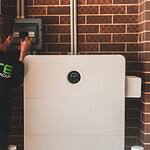
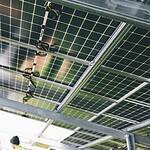
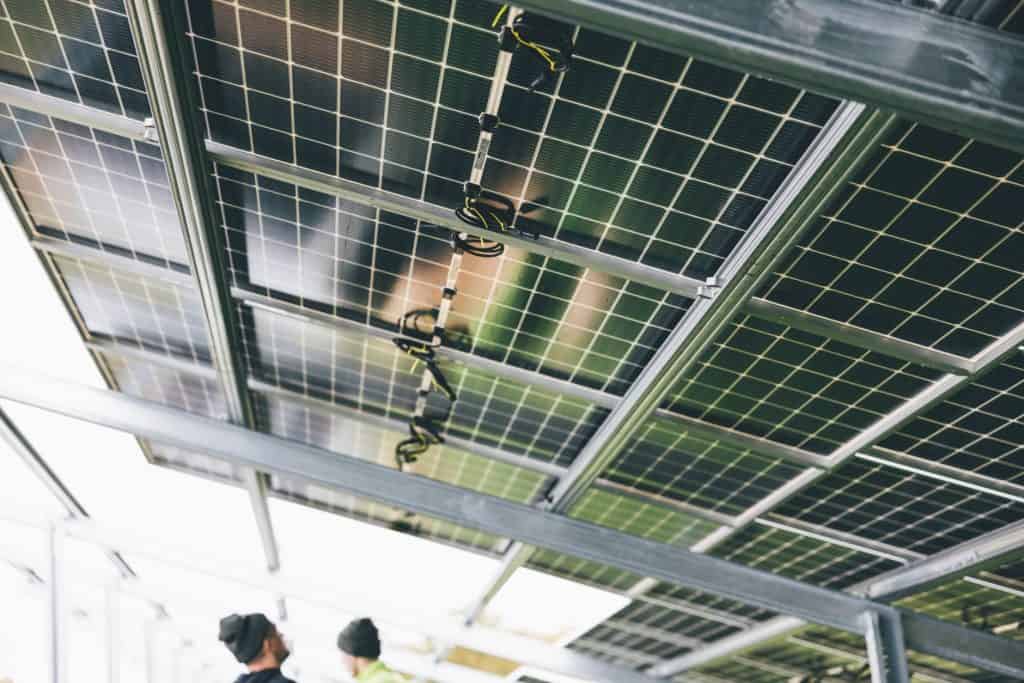
- Solar technology innovations — including bifacial photovoltaic panels and integrated battery energy storage systems (BESS) capable of shifting peak generation to demand periods
Public-private partnerships leverage blended finance models combining concessional government funds with private sector equity. These partnerships increase capital availability beyond national fiscal constraints and distribute construction, operation, and regulatory risks. Risk management practices include ongoing asset performance monitoring via SCADA systems integration and scenario planning for regulatory shifts such as feed-in tariff adjustments or grid code changes.
- Independent oversight boards employ renewable energy financial analysts and legal advisors specializing in energy sector reforms.
- Investment committees apply ESG screening protocols aligned with EU Taxonomy principles to evaluate environmental sustainability goals.
- Annual audits audit financials and project compliance with technical standards such as IEC 61215 for photovoltaic modules to ensure asset integrity.
Investment Opportunities and Solar Project Financing Structures in Sovereign Wealth Funds
SSWF portfolios encompass multiple solar power generation asset types, including:
- Utility-scale, ground-mounted photovoltaic plants typically rated between 10 MW and 100 MW with grid integration studies confirming compliance with local transmission standards
- Distributed solar installations on commercial rooftops, ranging from 0.5 MW to 5 MW, optimized via net metering policies where applicable
- Agrivoltaic systems that co-locate photovoltaic arrays with agricultural land, enhancing land use efficiency and generating diversified revenue streams, particularly relevant under EU cross-compliance regulations for agri-environmental schemes
Fundraising mechanisms employ a structured capital stack including:
- Equity investments providing ownership stakes in operational and pipeline solar assets, allowing SSWFs to participate in net cash flows and asset appreciation
- Green bonds issued under frameworks like the ICMA Green Bond Principles, attracting institutional investors focused on certified environmental sustainability goals
- Blended finance structures that pair concessional loans or grants with commercial leverage to reduce weighted average cost of capital (WACC) and optimize investment risk profiles
Financial performance metrics emphasize investment yield analysis benchmarked against risk-adjusted rates consistent with solar project lifecycle phases, ranging from development risk premiums to stabilized operational return targets. Fund valuation methods incorporate net asset value (NAV) adjustments accounting for solar technology depreciation curves (typically 25-30 years PV module lifespan under IEC 61730 safety standards) and fluctuating subsidy impacts due to policy amendments.
Recent fundraising rounds by solar-centric sovereign funds in Europe and Asia range between €150 million and €500 million, reflecting increased institutional investor interest and broader green technology financing mandates derived from updated sustainable finance taxonomies.
Regulatory and Market Challenges Facing Solar Sovereign Wealth Fund Deployments
SSWF deployments confront regulatory variability including:
- Inconsistent and evolving solar energy policy frameworks such as fluctuating renewable energy subsidies and feed-in tariff regimes that directly affect revenue certainty
- Grid access permissions and interconnection standards governed variably across jurisdictions, creating barriers to project start dates and operational commissioning
- Permitting complexity varying according to land use regulations and environmental impact assessment protocols
Market demand for solar assets fluctuates with energy consumption trends influenced by electrification transitions and competition from alternative renewable technologies such as wind or hydro. This impacts cash flow stability across solar project lifecycles, necessitating refined investment risk profiles calibrated to policy certainty and technology maturity.
Infrastructure investment gaps, notably in transmission capacity and smart grid deployment, remain a significant constraint. Regions lagging in these upgrades face curtailment risks and integration bottlenecks. Energy sector reforms targeting deregulation or tariff restructuring carry both opportunities for improved market functioning and risks from uncertain implementation timelines.
International investment trends are sensitive to geopolitical developments including trade barriers, currency exchange volatility, and fluctuation in multilateral climate finance commitments. Case studies from the EU and Balkan markets during the 2023-2026 period reveal substantive regulatory amendments affecting solar asset valuations, such as reduced feed-in tariff rates and tightening eligibility for renewable energy subsidies. These shifts underscore the need for dynamic fund governance incorporating scenario-based risk management and adaptable investment mandates.
Economic, Environmental, and Community Impact of Solar Sovereign Wealth Funds
SSWFs contribute explicitly to sustainable development goals by financing solar power generation projects that reduce carbon footprints. For example, a 10 MW solar photovoltaic installation financed through sovereign wealth capital can displace approximately 7,000 to 9,000 metric tons of CO2 annually, based on emission factors from regional grid baselines. Over a standard 25-year operational term, cumulative emissions avoidance surpasses 175,000 metric tons.
Economic development impact materializes through:
- Creation of jobs across the solar project lifecycle — including estimated 300-500 person-years from manufacturing to operations for medium-scale projects
- Enhancement of local supply chains by sourcing components, services, and maintenance regionally where feasible
- Energy cost savings generated by integrating stable, low marginal cost solar power, reducing reliance on fossil-fueled peaking plants
Community benefits emerge as a portion of solar asset-generated revenues finance social initiatives. The Solar Plus Garden platform exemplifies this approach by linking investor returns to Garden membership fees that fund agrivoltaico and community programs. This governance model fosters transparency, stakeholder engagement, and equitable distribution of economic and environmental benefits.
Strong stakeholder engagement mechanisms incorporate periodic consultations and reporting to investors, local communities, and regulators, ensuring alignment between operational realities and environmental sustainability goals defined in fund mandates.
Emerging Trends and the Future Outlook for Solar Sovereign Wealth Funds in Global Clean Energy Finance
Industry forecasts anticipate a 40-60% increase in renewable energy assets managed by SSWFs by 2030, reflecting escalating commitments under international frameworks like the Paris Agreement. This scale-up is contingent upon continued government investment funds channeling capital into green technology financing with a focus on solar energy markets.
Technology innovation remains a key driver, with agrivoltaics becoming more widespread due to regulatory incentives and proven enhancements in land-use efficiency. Integration of advanced solar photovoltaic modules with energy storage offers improved grid flexibility, aligning with emerging market demands for ancillary grid services rather than fixed feed-in tariffs.
Renewable energy subsidy schemes are predicted to pivot from guaranteed feed-in tariffs toward performance-based mechanisms that reward flexibility, capacity contributions, and grid service provision. This transition will require solar sovereign wealth funds to adapt capital allocation strategies and refine risk management practices to maintain investment yield analysis aligned with modified revenue structures.
Platforms emphasizing investment portfolio diversification and regulatory transparency, such as Solar Plus Garden, will gain prominence by broadening access to smaller investors and linking community engagement directly with solar asset returns.
Collectively, these developments position solar sovereign wealth funds as integral components of clean energy finance ecosystems, leveraging sovereign wealth fund governance protocols, public-private partnerships, and proactive stakeholder engagement to manage evolving solar energy market complexities.
Domande frequenti
What distinguishes a solar sovereign wealth fund from traditional renewable energy investment funds?
Solar sovereign wealth funds differ primarily by being government-established entities focused exclusively on solar power generation assets with mandates balancing public policy objectives—such as energy security enhancement and climate change mitigation—with financial performance metrics. Unlike private funds, SSWFs integrate policy alignment, long-term asset management, and reinvestment into community and infrastructure initiatives.
How do solar sovereign wealth funds mitigate investment risks inherent in large-scale solar projects?
Risk mitigation includes investment portfolio diversification across project scales, geographies, and solar technology innovations; leveraging public-private partnerships to distribute project risks; employing capital allocation strategies tailored to phased project lifecycles; and deploying continuous monitoring systems to track asset performance and anticipate regulatory developments impacting solar energy policy and renewable energy subsidies.
Can small and medium-sized investors participate in solar sovereign wealth fund projects?
Direct participation in sovereign-level funds is generally restricted to institutional investors and governments. However, models such as Solar Plus Garden offer regulated, transparent community memberships and fractional ownership opportunities, providing smaller investors access to renewable energy asset returns and associated community benefits.
What impact do solar sovereign wealth funds have on local communities and environmental sustainability?
SSWFs generate measurable environmental impact through significant carbon footprint reduction by financing solar projects displacing fossil generation. Economically, they stimulate local job creation and supply chains. Socially, reinvestment of fund returns into community initiatives fosters inclusive outcomes, as demonstrated by the Solar Plus Garden model integrating agrivoltaics with sustainable development goals and active stakeholder engagement.
Conclusione
For property owners, project developers, and investors assessing clean energy opportunities, solar sovereign wealth funds represent a strategic nexus of public capital deployment aligned with national energy security and environmental sustainability. Successful engagement requires scrutinizing fund governance quality, capital allocation strategies, and alignment with evolving solar energy policies and market conditions. Given the dynamic regulatory environment and shifting renewable energy subsidy frameworks, ongoing due diligence and adaptive risk management remain essential to maintaining alignment with investment risk profiles and achieving stable financial performance metrics.