









Organic Cotton Production: Understanding Its Environmental and Agricultural Advantage
Defining Organic Cotton Production and Its Distinctive Farming Practices
Organic cotton production differentiates itself from conventional cotton production by rigorous adherence to internationally recognized organic farming standards that emphasize environmental impact reduction and health safety. Organic cotton is exclusively grown from non-genetically modified (non-GMO) seeds certified for genetic purity, complying with standards such as the Global Organic Textile Standard (GOTS) and USDA Organic certification. In contrast, conventional cotton production routinely employs genetically modified cotton varieties designed for insect resistance or herbicide tolerance, without restrictions on genetic modification.
Organic producers prohibit the use of synthetic pesticides and synthetic fertilizers throughout the cotton growing cycle. Instead, they implement certified organic soil amendments, such as composted manure and green manures, alongside crop rotation schemes commonly spanning 3-5 years that interrupt pest and disease cycles while enhancing soil nutrient profiles. The soil management plan also integrates mechanical cultivation and cover cropping to optimize soil structure and carbon sequestration, fostering microbial biodiversity essential to organic farming.
Certification schemes like GOTS cover the entire production chain—from farming through ginning, spinning, to finished textiles—mandating detailed documentation, annual on-site inspections, and product traceability. USDA Organic certification applies specifically to the agricultural phase, demanding practices that maintain or improve soil quality and prohibit synthetic agrochemicals. These certifications ensure that cotton labeled as organic complies with standardized environmental requirements and social responsibility guidelines.
Organic pest control strategies include deploying beneficial predatory insects such as ladybugs and lacewings, using botanical pesticides derived from neem or pyrethrum with specified application limits, and applying microbial bioinsecticides such as Bacillus thuringiensis (Bt), under strict compliance with organic regulations. These integrated pest management methods reduce reliance on chemicals and preserve ecosystem biodiversity within the farm.
Chemical Inputs in Conventional Cotton Production Versus Organic Methods
Conventional cotton production is characterized by intensive use of synthetic chemicals, with pesticides accounting for significant environmental and occupational health concerns. Commonly used pesticides include organophosphates such as chlorpyrifos, neonicotinoids like imidacloprid, and synthetic pyrethroids such as cypermethrin, applied at rates often exceeding 3-5 kg active ingredient per hectare annually, depending on regional pest pressure. Synthetic fertilizers, predominantly nitrogen-phosphorus-potassium (NPK) formulations, are applied in quantities calibrated to maximize yields, typically in the range of 100-200 kg N/ha per growing season, contributing to soil nutrient imbalance and potential groundwater contamination through runoff.
The chemicals used in conventional cotton production have documented negative environmental impacts: pesticide runoff contaminates adjacent aquatic systems, disrupting biodiversity and entering human water supplies; synthetic fertilizers contribute to eutrophication; and persistent residues can accumulate in soils affecting microbial function. Impacts on farm workers include documented health risks associated with chronic exposure to neurotoxic pesticides.
By contrast, organic cotton production eliminates synthetic pesticide and synthetic fertilizer use entirely. Organic producers rely on certified organic inputs such as composted organic matter for fertilization and implement biological pest control, crop diversification, and mechanical weed management to suppress pest populations. The chemicals used in organic cotton production are limited to substances listed on organic certification input lists and applied within stringent thresholds to minimize environmental impact. For example, neem oil applications are carefully timed and restricted in concentration to avoid non-target effects.
Environmental Footprint: Water Use and Land Impact of Organic Cotton Farms
The water footprint of organic cotton production is typically 20-30% lower than conventional cotton, due principally to enhanced soil organic matter and improved soil structure that increase water infiltration and retention. Studies in arid regions report that organic farms use approximately 5,000 to 20,000 liters of water per kilogram of cotton, compared to 7,000 to 29,000 liters for conventional cotton; these figures vary with irrigation methods, climatic conditions, and soil type.
Soil health improvements under organic cotton farming include increases in soil organic carbon stocks by 15-25% within the first three years of conversion, linked to practices such as green manuring and cover cropping, which enhance microbial activity and nutrient cycling. This results in higher resilience to drought and reduces erosion risks by improving water holding capacity and soil aggregate stability. These benefits translate into a reduced environmental impact on land resources compared to conventional cotton production, which often leads to soil degradation and compaction due to heavy chemical inputs and monoculture practices.
Organic cotton farms also support increased biodiversity, with field surveys noting 30-50% greater populations of beneficial arthropods, earthworms, and pollinators relative to conventional cotton fields. This biodiversity contributes to ecosystem services such as natural pest regulation and soil fertility maintenance, reinforcing sustainability.
Supply Chain Dynamics and Challenges in Scaling Organic Cotton Production
The organic cotton supply chain maintains strict segregation and traceability from certified organic farms through ginning, spinning, and textile finishing, adhering to certification frameworks such as GOTS. This includes comprehensive record-keeping, batch segregation, and periodic third-party audits to prevent commingling with conventional cotton.
Scaling organic cotton production faces several constraints. One major challenge is the limited availability of certified organic cottonseed, with seed suppliers often unable to meet demand due to certification and genetic purity requirements. Additionally, the cost of compliance—covering certification fees ranging from several hundred to over a thousand euros annually per farm, detailed record-keeping, and training—disproportionately impacts smallholder cotton farmers.
Yield variability during the seasonal production cycle is accentuated under organic farming due to restrictions on synthetic inputs for pest and nutrient management. Regional variations in soil type, climatic conditions, and pest complexes cause yield fluctuations typically ranging 10-30% below conventional cotton yields during transition years, although yield gaps can narrow with experience and improved practices.
Community engagement and transparency platforms, such as producer cooperatives and blockchain-enabled traceability systems, provide mechanisms to improve supply reliability. These platforms facilitate knowledge transfer on organic farming techniques, shared access to organic inputs, and direct market linkages, contributing to long-term scaling and investment confidence.
Economic Considerations for Farmers Transitioning to Organic Cotton
Transitioning cotton farmers experience a conversion phase, generally lasting 24 to 36 months, during which land and practices must conform to organic standards before certification can be awarded. During this period, yield reductions of 15-30% are common due to the withdrawal of synthetic chemicals and the time required to rebuild soil fertility organically.
Certification entails both initial investment and ongoing operating costs. Initial certification fees vary by certifier and farm size but typically start from 800 to 1,500 euros annually. Additional expenses include costs for organic seed procurement—often 20-40% higher than conventional seeds—and increased labor inputs required for manual weed control, compost preparation, and enhanced monitoring for pest outbreaks.
Market prices for certified organic cotton commonly command premiums in the range of 15-40% over conventional cotton prices, reflecting consumer willingness to support sustainable textile supply chains. However, this premium fluctuates with market supply and demand and can be offset by the additional costs and risks borne during transition. Access to premium markets often requires producers to participate in cooperative marketing structures and maintain rigorous compliance with certification and traceability requirements.
Farmers considering conversion must analyze long-term demand trends, certification complexities, local availability of organic inputs, and technical support services, including extension programs or community models that integrate renewable energy solutions to reduce operational costs and increase farm resilience.
Integrating Organic Cotton with Sustainable Agri-Community Concepts
Community-driven models akin to Solar Plus Garden’s Abbonamento al giardino exemplify integration of organic cotton farming with sustainable energy and cooperative engagement. These models allow cotton farmers to access education on organic farming, financial resources via community investment pools, and cooperative marketing channels that collectively support stable income streams and farm viability.
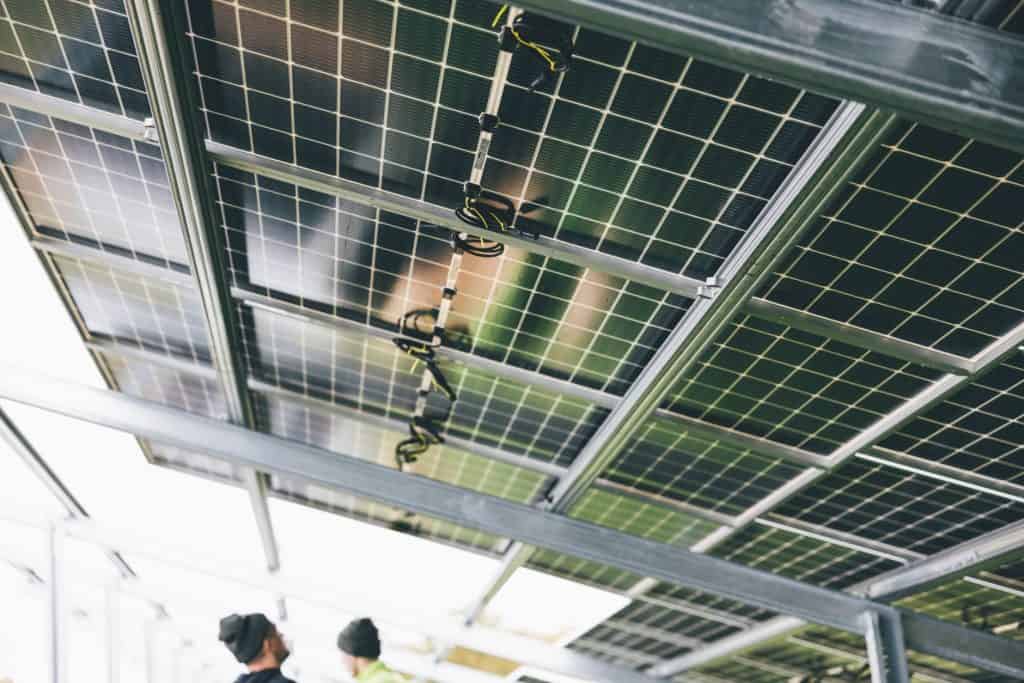
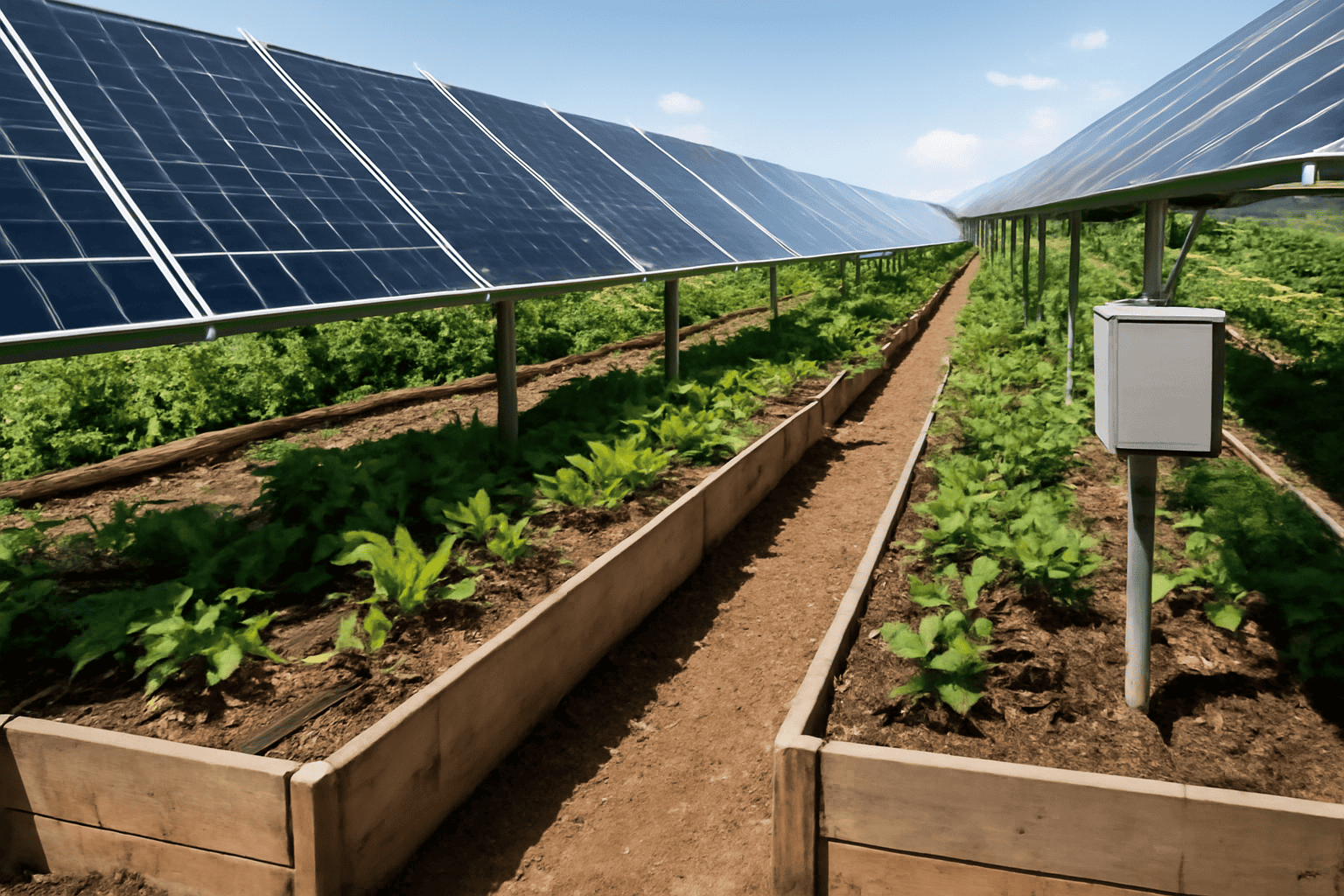
Integration of solar energy infrastructure with organic cotton farms—through agrivoltaic systems that install fotovoltaico panels above or between crop rows—has demonstrated land use efficiencies of up to 20-25% by enabling dual-use of arable land. Such systems, piloted on farms with up to 3,000 plots, reduce reliance on fossil-fuel powered irrigation systems and lower carbon footprints associated with cotton processing.
Community-supported agriculture platforms foster peer-to-peer knowledge exchange on pest control alternatives, organic certification compliance, and sustainable input sourcing, mitigating market and operational barriers. This approach encourages regenerative agricultural practices by promoting biodiversity, soil health restoration, and local food crop diversification alongside cotton cultivation, contributing to socio-economic and environmental sustainability.
The Role of Organic Cotton in Textile Industry Trends and Consumer Demand
Organic cotton currently constitutes approximately 1-2% of global cotton output, with steady growth driven by increasing consumer awareness and certification requirements in textile industry supply chains. Brands are responding to demands for transparency and sustainability by incorporating Traceable GOTS-certified fibers into their products, influencing sourcing strategies and production planning.
Textile manufacturers face supply chain challenges related to inconsistent organic cotton availability, higher input costs, and certification complexities that require meticulous segregation and quality control protocols. Despite these challenges, organic cotton fibers provide measurable benefits, including reduced chemical residues in textiles, which improve compatibility with sensitive skin and enhance dye uptake based on physical fiber characteristics.
Organic cotton supports certification claims such as GOTS labeling, facilitating environmental responsibility marketing and compliance with corporate sustainability goals. These factors contribute to growing market differentiation and consumer preference trends favoring products with verified organic content, reinforcing the strategic value of organic cotton in sustainable textile markets.
FAQ
- What makes organic cotton production different from conventional cotton farming?
- Organic cotton production uses non-GMO seeds certified under standards like GOTS and USDA Organic, prohibits synthetic pesticides and fertilizers, employs crop rotation and biological pest control, and requires compliance with rigorous certification and traceability to ensure environmental and social sustainability.
- How does the water consumption of organic cotton compare to conventional cotton?
- Due to improved soil organic matter and water retention practices, organic cotton typically consumes 20-30% less irrigation water than conventional cotton, with regional water use for organic cotton reported between 5,000 and 20,000 liters per kilogram of fiber produced compared to 7,000 to 29,000 liters for conventional cotton.
- What are the main economic challenges for farmers switching to organic cotton?
- Cotton farmers undergo a 2-3 year transition period with possible yield reductions of 15-30%, incur costs for certification processes, organic seed purchase, and manual labor for weed and pest management. Despite these challenges, organic cotton frequently commands a 15-40% price premium, although market volatility and access to premium channels remain risks.
- Can organic cotton production be integrated with renewable energy and community models?
- Yes. Models like Solar Plus Garden demonstrate integration of organic cotton production with solar energy infrastructure and appartenenza alla comunità platforms to reduce carbon footprints, provide farmer support, and enable cooperative marketing and knowledge exchange, enhancing both environmental benefits and economic viability.
Conclusione
Stakeholders considering organic cotton production must evaluate specific agricultural methodologies, certification requirements, economic implications, and supply chain challenges. The environmental benefits—involving reduced chemical use, lower water footprints, and enhanced biodiversity—contrast with operational complexities and transitional yield impacts.
Emerging agri-community models combining organic cotton farming and renewable energy infrastructure offer pathways to address these challenges by improving sustainability, supply chain stability, and farmer support. Nonetheless, widespread adoption depends on overcoming seed availability, certification costs, and market access barriers. Careful assessment aligned with regional conditions and market trends is essential for cotton farmers, developers, and investors seeking to promote organic cotton as a viable sustainable textile input.