

Investing in Renewable Energy for Beginners: Clear Steps and What to Expect
Overview of Renewable Energy Technologies for Investment
Renewable energies encompass energy sources that do not emit greenhouse gases during operation and rely on naturally replenished resources. Key renewable energy technologies available for investment include solar photovoltaics (PV), wind turbines, hydropower, and hybrid agrivoltaic systems that combine solar electricity generation with agriculture.
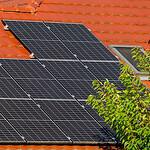
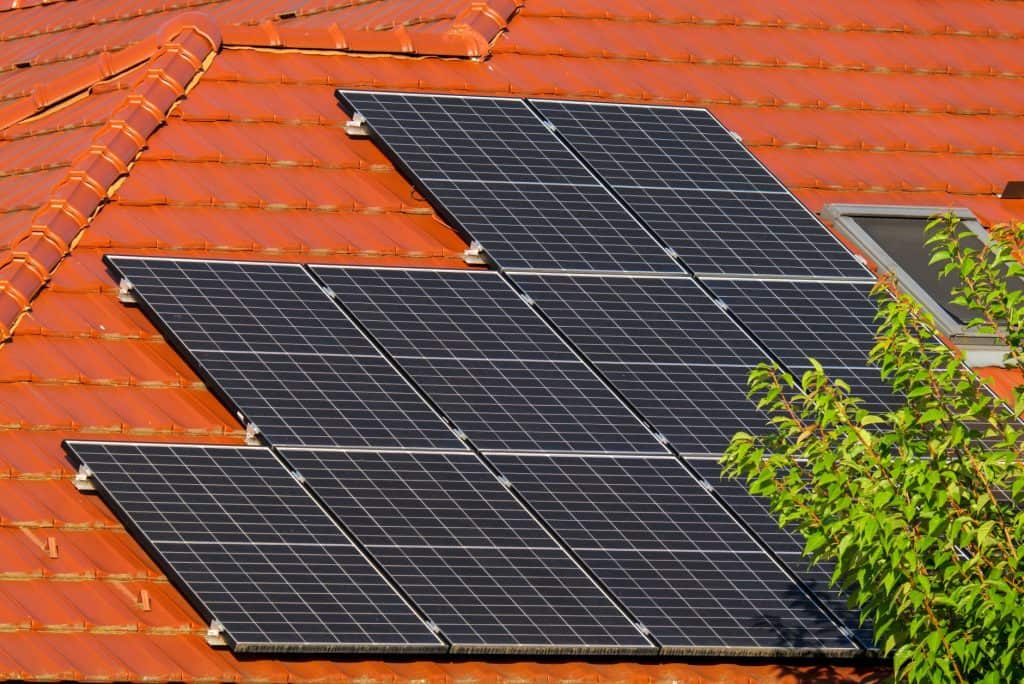
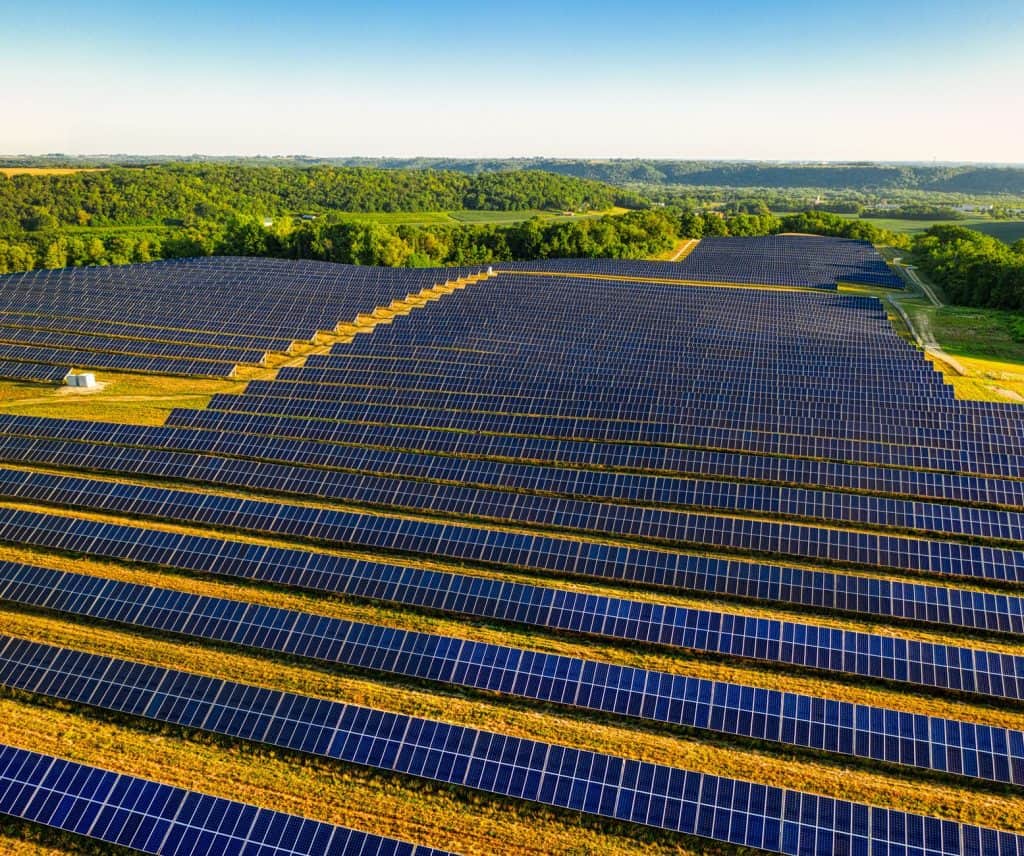
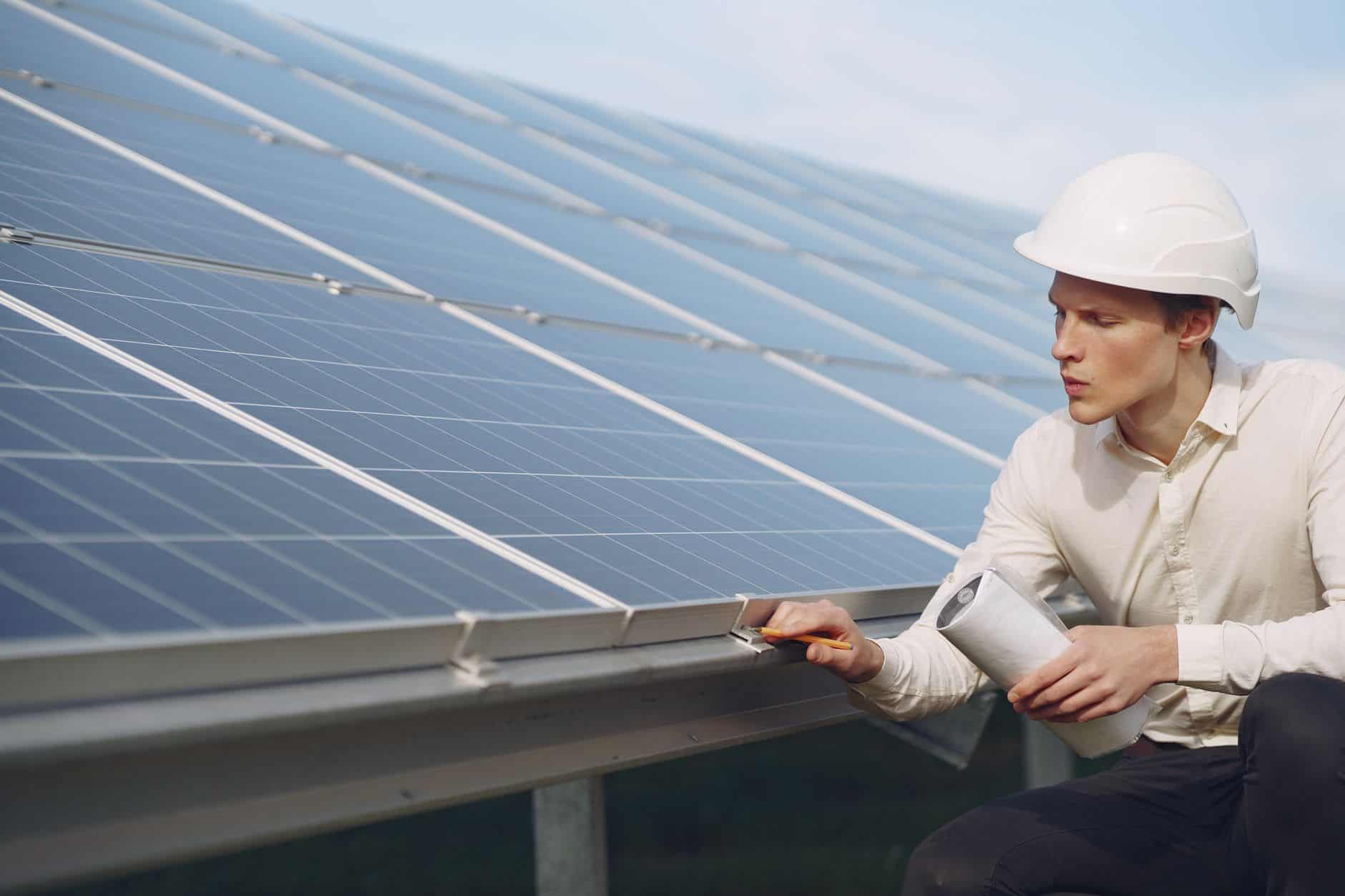
Solar PV systems use semiconductor materials—most commonly silicon-based panels—to convert sunlight into direct current electricity. These can be designed for residential rooftop installations typically under 10 kW, commercial sites sized around 100 kW–1 MW, or utility-scale solar parks delivering from 1 MW to beyond 100 MW of installed capacity. Utility-scale plants benefit from economies of scale and generate predictable grid-level power, often structured in phases measured annually for output performance.
Wind energy systems convert kinetic energy from wind through turbines mounted on towers ranging from 80 to 140 meters in height. Onshore wind farms can range from a few megawatts to over 100 MW, while offshore installations often exceed 200 MW but require higher capital expenditure and regulatory complexity. Hydropower plants use flowing or dammed water to rotate turbines; smaller run-of-river setups can provide decentralized energy, whereas large dam projects may reach hundreds of megawatts.
Agrivoltaico represent a newer segment, integrating solar panels elevated above crop fields to allow dual land use. Pilot projects typically support up to 3,000 individual garden plots or “boxes,” optimizing sunlight distribution for both plant growth and efficient solar capture. This model increases overall land productivity and diversifies income from energy sales and agricultural produce.
Investors should differentiate these technologies by installed capacity, maturity, and operational profiles. Solar PV utility projects around 10 MW are common initial targets due to mature technology and standard permitting processes. Agrivoltaic systems introduce added community engagement through fresh produce supply, which may affect investment risk profiles and timelines.
Investment Models in Renewable Energy: Equity, Loans, and Community Membership
Investment structures in renewable energies address different risk tolerances and liquidity preferences. Primary models include equity ownership, debt financing, and membership or subscription fees supporting energy infrastructure and community features.
- Equity investments give investors proportional ownership in renewable energy projects, sharing risks, operating costs, and revenues from electricity sales. Equity holders often benefit from dividends tied to net profits after operational expenses and debt obligations.
- Debt investments provide capital loans to projects with fixed repayment schedules and defined interest rates, reducing exposure to output variability but capping upside gains.
Community-based membership models add non-financial participation layers. For instance, the Solar Plus Garden platform operates a 10 MW solar PV plant owned by an Estonian OÜ entity. Access to the garden community requires a one-time €200 membership fee, granting entry without a direct equity stake. Additionally, subscribers may opt for a €20 monthly fee for 18 annual deliveries of fresh vegetables grown under agrivoltaic conditions.
Solar-generated electricity revenue finances operating costs and partly funds community activities, while membership and subscription fees are collected through escrow accounts. This layered payment structure ensures transparent financial flows, distinctly separating energy investment returns from community engagement benefits.
Key Financial Considerations for Renewable Energy Investments
Investors must analyze capital expenditures, operational expenses, revenue drivers, and organizational costs when evaluating renewable energy projects.
- Capital expenditure (CapEx): A utility-scale solar PV project of 1 MW installed capacity generally requires €700,000 to €900,000, covering solar panels (accounting for approximately 40% of total cost), string or central inverters (15%-20%), mounting hardware, grid connection equipment, civil works, and labor. Costs vary by country, scale, and technology choice.
- Operational expenditure (OpEx): Annual operations and maintenance typically run at 1.5% to 2.5% of CapEx, including scheduled inverter replacements every 10–15 years and module cleaning to mitigate power loss from dust and debris. Scheduled maintenance ensures compliance with manufacturer warranty conditions and prolongs panel lifetime, which commonly ranges 25 to 30 years with an average degradation rate of 0.5%-0.8% per year.
- Revenue considerations: Income streams depend on regional wholesale electricity prices, feed-in tariff regimes (where applicable), or power purchase agreements (PPAs) negotiated with utilities or commercial buyers. Regulatory shifts, grid curtailment, or subsidy phase-outs can materially affect cash flows.
- Community and membership costs: Platforms like Solar Plus Garden allocate membership fees to garden maintenance and social activity administration. These recurring costs support up to 3,000 garden plots, representing a scalable local agriculture integration funded jointly by membership dues and solar asset cash flow.
Deliberation of these financial components informs reasonable expectations for payback periods, typically spanning from 6 to 12 years depending on local market conditions, support mechanisms, and plant efficiency. Investors should align their horizon with project phases, noting that solar panels impact performance over multiple decades but financing terms are commonly structured for 10-15 year periods.
Risks and Regulatory Factors Affecting Renewable Energy Investments
The renewable energy sector is influenced by intersecting risk categories requiring continuous assessment:
- Political and regulatory risks: National policies governing feed-in tariffs, subsidies, renewable portfolio standards, and grid access evolve regularly. For example, the European Union’s Clean Energy Package mandates member states to integrate renewables in a way that may affect subsidy availability after scheduled phase-out periods. This volatility impacts project revenue forecasts.
- Rischi tecnici: Photovoltaic modules degrade at annual rates between 0.5% and 1%. Inverter failures or performance shortfalls can reduce output and trigger unscheduled capital expenses. Additionally, some remote grid locations face limitations related to transmission capacity and intermittency of supply.
- Legal structure and compliance: Cross-border investment involves multiple entities with specific roles. Solar Plus Garden operates an Estonian OÜ holding solar assets and a Serbian DOO managing the agrivoltaic garden community. This segmentation limits investor liability exposure, enables compliance with localized tax and corporate rules, and delineates operational responsibilities.
- Financial control and transparency: To avoid misuse of funds, projects utilize escrow accounts governed by transparent contractual agreements. Solar Plus Garden’s model excludes unregulated “escrow-like” arrangements, relying on legally enforceable payment flows and reporting protocols compatible with investor protection best practices.
Proper due diligence on regulations, technology warranties, and legal entities is essential to reduce exposure and confirm long-term viability of energy investments.
How to Evaluate Renewable Energy Investment Opportunities: Criteria and Tools
Evaluating renewable energy investments requires assessment of these core criteria:
- Project scale and technology maturity: Projects around or above 10 MW capacity, such as the Solar Plus Garden 10 MW PV plant, offer established operational profiles and scale benefits reducing per-unit costs and technical risks.
- Developer reputation and experience: An experienced technical and managerial team with verifiable track record reduces delivery risk and indicates capacity to handle regulatory and operational challenges.
- Legal clarity and payment security: Transparent contracts detailing equity rights, debt terms, or membership obligations, supported by escrow arrangements, enhance trust and accountability.
- Investment timeline and exit options: Clear staging—often segmented into construction, operational, and payout phases—should be defined with expected cash flow projections and timeframes aligned with investor liquidity preferences.
- Community benefits and environmental impact: Inclusion of non-financial returns, such as fresh vegetable deliveries through agrivoltaic gardens or measurable reductions in CO2 emissions calculated using recognized carbon accounting methods, adds ESG appeal.
Tools such as project due diligence checklists, financial model sensitivity analyses, and third-party technical audits help investors make informed decisions. Solar Plus Garden integrates these through investor-ready documentation, phased membership, and structured payment models guaranteeing transparency.
Steps to Start Investing in Renewable Energy for Beginners
A beginner can follow these sequential steps to initiate renewable energy investment:
- Express interest via waiting lists or membership applications: Solar Plus Garden collects preliminary data through its waiting list to manage investor onboarding systematically.
- Conduct exercise of due diligence: Review the project’s Terms and Conditions, including minimum investment thresholds starting at €500 and details of membership fee structures.
- Complete regulatory compliance: Fulfill Know Your Customer (KYC) and Know Your Business (KYB) requirements, which validate investor identity and prevent financial crimes.
- Fund the investment: Contribute subscription capital and membership fees per defined schedules using escrow accounts, ensuring full transparency of fund allocation.
- Track and engage: Monitor project technical progress, financial updates, and community outcomes via official channels and periodic reports.
At Solar Plus Garden, newcomers pay a one-time €200 membership fee granting community access, with optional €20 monthly vaso da giardino subscriptions supporting agrivoltaic produce delivery. Regulatory compliance steps protect investors and platform integrity.
Comparing Renewable Energy Investments with Traditional Stocks and ETFs
Investors can allocate capital to renewable energy either through direct project investment or public market instruments like energy stocks and exchange-traded funds (ETFs).
- Direct renewable project investments typically involve longer lock-in periods aligned with construction and payout phases. These investments are illiquid but provide tighter connection to specific project outcomes, potentially higher ESG impact, and clearer attribution of green energy generation.
- Energy stocks and renewable ETFs trade on stock exchanges with daily liquidity but reflect aggregate market performance, with exposure to macroeconomic and sectoral risks. Examples include shares in utility companies with renewable portfolios or ETFs focused on clean energy technology providers.
- Risk-return profile comparison: Direct investments carry project-specific regulatory, operational, and technical risks, while energy stocks bear corporate risks such as management performance and market sentiment.
- Impatto ambientale, sociale e di governance (ESG): Direct investments like Solar Plus Garden provide measurable clean energy output and community benefits, whereas stocks offer ESG exposure filtered through corporate reporting and investment screening standards.
- Diversification approach: Combining both direct investments and public securities can optimize liquidity needs and risk distributions while maximizing contributions to renewable energy transitions.
Investor choice depends on individual time horizon, risk tolerance, and preference for visibility into renewable project operations versus market exposure.
Unique Community-Based Renewable Investment Models: The Garden Concept
The Solar Plus Garden platform features a community-integrated renewable investment linking a 10 MW centrale solare with agrivoltaic gardening:
- Dual land use integration: Solar panels generate clean energy above agricultural plots serving up to 3,000 individual garden boxes.
- Scalable community engagement: The farm-to-door delivery model supports up to 18 annual vegetable shipments at €20/month subscriptions, encouraging local food production alongside clean energy capacity expansion.
- Payment and governance flow: Membership fees finance garden operations, while solar power revenues cover plant upkeep and contribute to community sustainability. These flows are administered via legally separated entities—Estonian OÜ owning solar assets and Serbian DOO managing the garden—ensuring transparent accountability.
- Member benefits beyond returns: Access to fresh, locally grown produce complements financial participation, enhancing ESG credentials and offering tangible, recurring social benefits.
This garden-based investment approach provides an alternative to typical energy investments by blending economic, environmental, and social value within a clear legal and financial framework.
Domande frequenti
What is the minimum amount needed to start investing in renewable energy through Solar Plus Garden?
The initial investment starts at €500, with an additional one-time €200 garden membership fee required for community access. Monthly garden box subscriptions are optional at €20 per month, delivered over 18 cycles annually.
How does Solar Plus Garden ensure transparent use of investor funds?
The platform employs escrow accounts managed under a clear payment schedule alongside legal separation of the Estonian OÜ and Serbian DOO entities. This system prevents unauthorized fund usage and provides investors with audit trails and financial reporting consistent with best practices.
Can I join the Solar Plus Garden community without directly investing in the solar project?
SÌ. Appartenenza alla comunità is independent of direct equity participation. Paying the membership fee grants access to the community, with funds reinvested into maintaining solar energy assets and supporting garden operations.
What kinds of returns or benefits can I expect from investing in renewable energy at Solar Plus Garden?
While returns are not guaranteed, investors participate in a 10 MW clean energy generation project with revenue streams from electricity sales. Complementary benefits include involvement in sustainable agriculture, access to fresh produce, and transparent operational management promoting environmental and social impact.
Conclusione
Investing in renewable energy requires thorough evaluation of project transparency, technology maturity, legal frameworks, and financial conditions. Platforms such as Solar Plus Garden combine regulated investment models with community membership structures, offering both financial participation and tangible green energy and agricultural benefits. Investors must actively track regulatory developments, technology performance, and market changes to align expectations with operational realities. Adopting prudent due diligence and diversified strategies supports effective engagement in the evolving sector of renewable energies.