

Solar Farms in Spain ROI: Key Factors for Investment Decisions
Regional Solar Capacity and Site Selection in Spain
As of early 2026, Spain’s total installed solar capacity has reached approximately 20 gigawatts (GW), predominantly from utility-scale solar projects. This growth aligns with Spain’s 2030 renewable energy targets under the National Energy and Climate Plan (NECP). Solar capacity distribution varies regionally due to climatic and geographic factors influencing solar irradiance.
Southern regions, notably Andalusia, lead in solar generation potential with average annual global horizontal irradiance (GHI) values between 1800 and 2200 kWh/m², measured according to the World Bank’s Global Solar Atlas. By contrast, northern Spain experiences lower solar irradiation, ranging from 1100 to 1400 kWh/m² annually. This irradiance discrepancy results in approximately 15-30% lower annual energy yield for identical solar installations when sited north compared to the south.
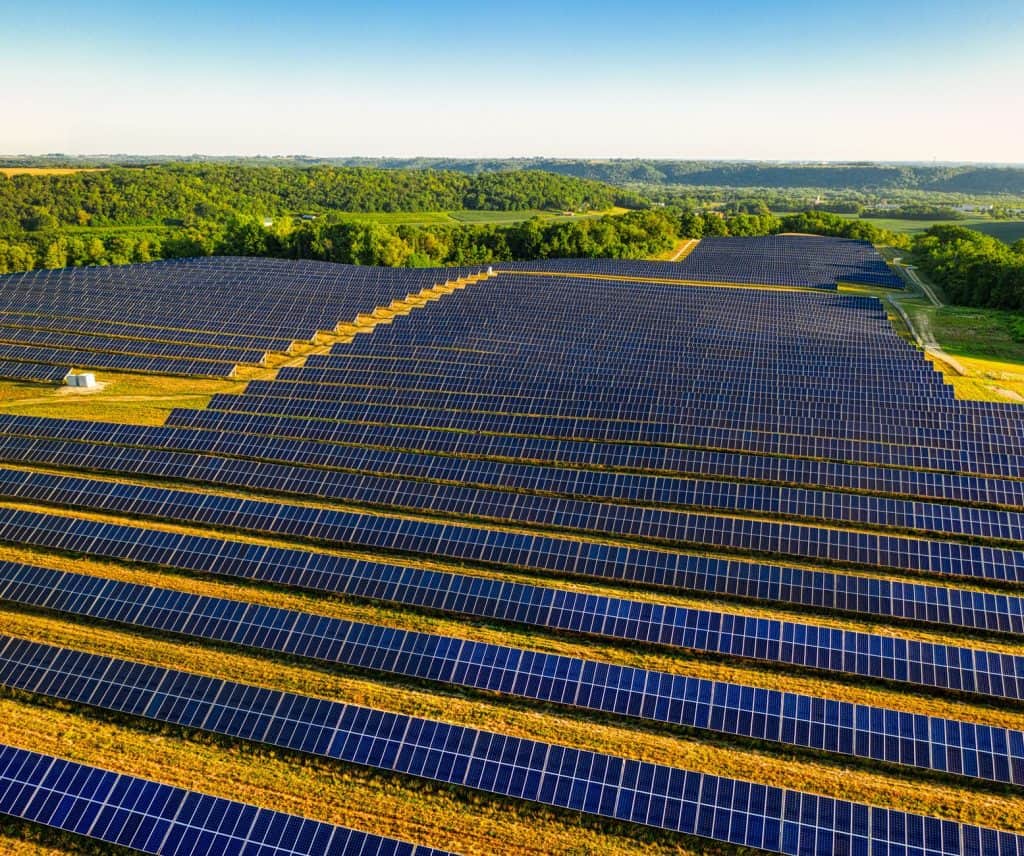
Site selection involves assessing land availability, topography, shading, and proximity to grid infrastructure. Utility-scale solar farms require contiguous land parcels—typically exceeding 10 hectares per MW—to minimize shading losses and facilitate construction. Environmental regulations, such as Spain’s Ley 21/2013 on environmental impact assessments, restrict development in protected natural areas.
Grid connection feasibility remains a critical parameter. Congestion in Spain’s transmission system, managed by Red Eléctrica de España (REE), limits interconnection capacity near urban centers. Regions with designated renewable energy zones, including Castilla-La Mancha and Extremadura, benefit from priority grid access following Real Decreto 1183/2020, which regulates connection procedures and assigns grid capacity for renewable plants. These zones often provide shorter permitting timelines, reducing project development risk and expediting commissioning.
Investors must balance high solar irradiance and regulatory facilitation with land and grid access challenges, performing site-specific technical due diligence to maximize electric power generation and limit operational constraints.
Photovoltaic Technologies and Installation Costs in Spanish Solar Farms
Photovoltaic module selection critically determines both initial capital expenditure (CAPEX) and utility-scale solar project performance. Monocrystalline silicon PV panels, offering efficiencies typically between 20% and 22% under IEC 61215 standardized test conditions, dominate Spanish solar installations due to their favorable power density and lifecycle energy yield.
Bifacial PV modules, which capture direct and albedo-reflected light from both front and rear surfaces, are increasingly implemented. Typical bifacial gain ranges between 5–15%, contingent on ground reflectance (albedo), which Spanish sites report between 0.2 and 0.4 depending on surface type (soil, gravel, or vegetation). Incorporating bifacial modules requires structural adjustments and site optimization to maximize reflected irradiance.
Inverters convert DC power from PV modules into AC power for grid injection. Centralized inverters of 1 MW to 5 MW capacity remain standard in large solar power plants due to cost efficiency. However, string inverters with capacities of 50 kW to 150 kW gain adoption for improved fault isolation and flexible layout. Both types comply with Spain’s grid code (RD 661/2007), which specifies requirements for voltage regulation, reactive power control, and fault ride-through capabilities.
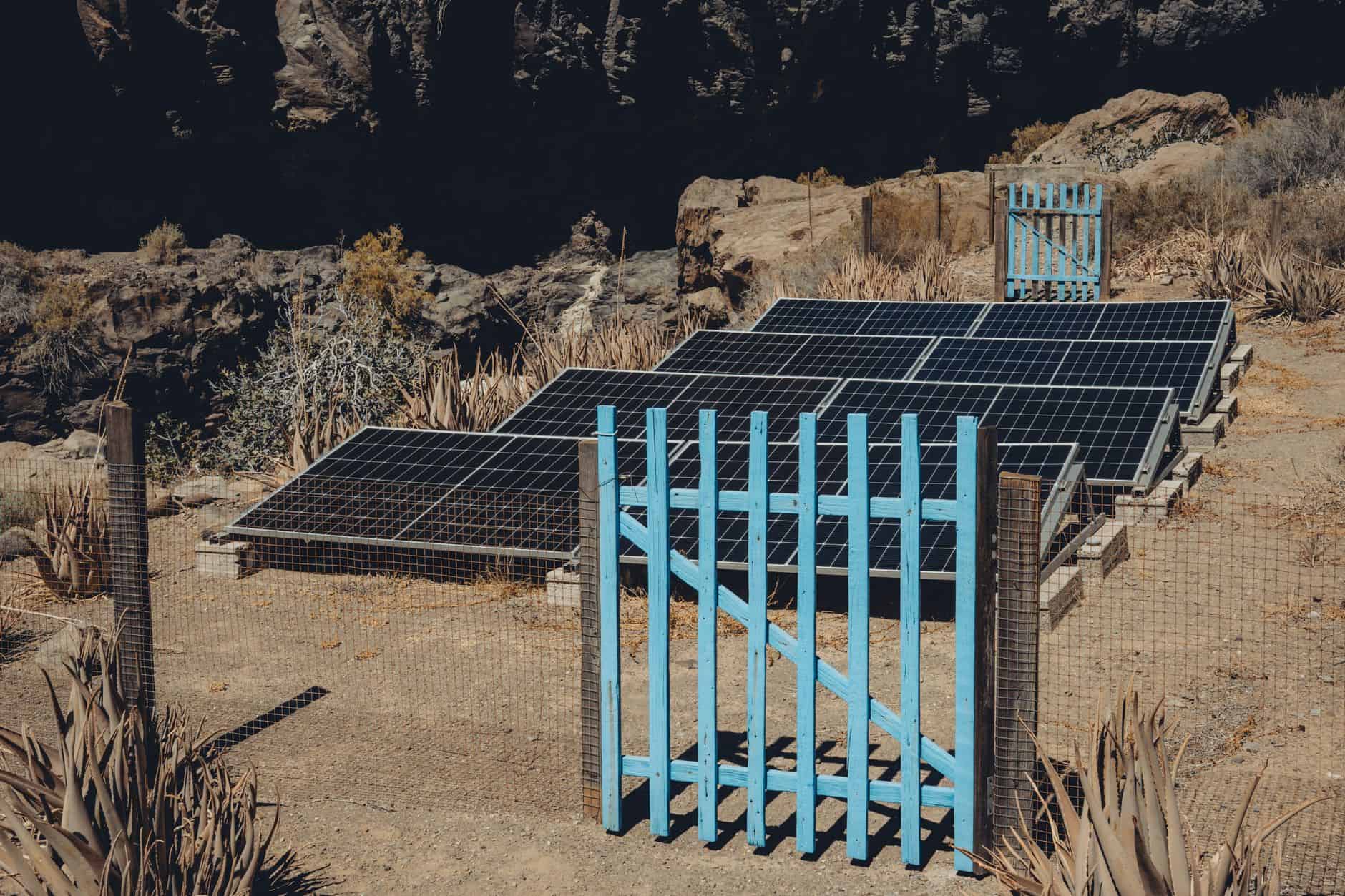
Balance of system (BOS) components—including mounting racks, cabling, combiner boxes, and transformers—affect installation complexity and costs. Fixed-tilt ground-mounted systems are prevalent, with tilt angles between 25° and 35°, optimized for latitude and seasonal production.
In 2026, installation costs for utility-scale solar projects in Spain range from €600,000 to €800,000 per MW, based on data from industry benchmarks and developer reports. Cost variances reflect panel selection, BOS quality, terrain conditions, and regional labor costs. Projects exceeding 50 MW benefit from procurement economies of scale, pushing CAPEX towards the lower end of this range. Site engineering studies are essential to account for any additional expenses linked to grid interconnection complexity, environmental mitigations, or access infrastructure development.
Electric Power Generation and Performance Metrics
Energy output estimations derive from solar irradiance data, system size, and performance parameters. Spain’s utility-scale solar farms in Mediterranean climate zones average annual yields between 1,500 and 1,650 megawatt-hours (MWh) per installed MW, consistent with measurements aligned with IEC 61724 performance monitoring standards.
Performance ratio (PR), a key efficiency metric, represents the ratio of actual electricity generated to the theoretical maximum under standard test conditions. Spanish solar farms typically achieve PR values between 80% and 85%, factoring in inverter efficiency (~98%), soiling losses (3-5%), temperature derating coefficients (~-0.4%/°C above 25°C), and system downtime (1-3%).
Photovoltaic module degradation is accounted for at annual rates between 0.5% and 1.0%, based on literature and manufacturer warranties compliant with IEC 61215 standards. Over a 20-year plant operation, this accumulates to total energy yield reductions of approximately 15-25%, which directly influence net present value (NPV) and ROI outcomes.
Tracking systems, either single-axis (east-west) or dual-axis, increase energy production by 10-25% by dynamically orienting modules towards solar position throughout the day. The additional CAPEX—ranging from €80,000 to €120,000 per MW for tracking hardware and installation—must be balanced against expected incremental revenues. Maintenance demands for tracking systems, including actuator servicing and sensor calibration, are higher compared to fixed-tilt installations, affecting operational expense forecasts.
Government Subsidies, Tariffs, and Market Incentives Affecting ROI
Feed-in tariffs (FiTs) have largely been discontinued in Spain since 2019, replaced with market-driven auction mechanisms awarding long-term power purchase agreements (PPAs). Auction results from 2024–2026 indicate successful PPA prices between €40 and €55 per MWh for solar projects, reflecting competitive pricing aligned with the European Union’s renewable energy framework.
The National Energy and Climate Plan (NECP) 2021-2030 provides policy orientation and targets, aiming for at least 74% renewable electricity generation by 2030. Legislative measures, including Royal Decrees 960/2020 and 1183/2020, regulate renewable project deployment and grid integration.
Market participation options include PPAs with distribution utilities, corporate offtakers, or exposure to Spain’s wholesale electricity market managed by OMIE. PPAs guarantee stable revenue streams over contract durations typically spanning 10 to 15 years. Projects relying on merchant sales encounter price volatility driven by fuel markets (natural gas, coal), demand cycles, and renewable generation mix. Mean wholesale prices in 2025 fluctuated between €48 and €60 per MWh, subject to seasonal and hourly variation.
Government subsidies beyond auctions currently involve tax incentives and financing programs under Spain’s Centre for the Development of Industrial Technology (CDTI) and regional bodies. These can improve project economics but are subject to periodic budget adjustments and eligibility criteria.
Investors are advised to monitor regulatory developments—including potential reform of auction designs or PPA contract terms—that influence project valuation and risk profiles. Scenario analyses incorporating contingency provisions help mitigate the impact of policy shifts.
Operational Costs and Maintenance Requirements for Spanish Solar Farms
Operating expenditures (OPEX) cover routine maintenance, performance monitoring, and repairs over project lifetimes. For Spanish utility-scale solar farms, annual OPEX averages €10,000 to €20,000 per MW, per industry reports and operator disclosures.
Regular maintenance activities include cleaning PV panel surfaces to mitigate soiling losses. In Spain, soiling rates vary with regional dust exposure and precipitation patterns, with cleaning frequencies ranging from quarterly to monthly in southern arid zones.
Inverter reliability is critical; faults can cause production downtime. Preventive maintenance programs include scheduled firmware updates, thermal inspections, and component replacements to maintain inverter availability above 98%. Wiring and mounting structures require inspections for corrosion and mechanical stress, particularly in coastal or windy locations.
O&M service contracts may follow fixed-fee models or performance-based schemes tied to availability and output metrics, typically benchmarked against IEC and ISO 55000 asset management guidelines. Selecting experienced service providers familiar with Mediterranean climate conditions enhances operational stability and protects ROI.
Regions with high soiling or climatic challenges may incur increased maintenance costs, pushing OPEX toward the upper estimate and necessitating incorporation of these factors into financial projections.
Risk Factors Influencing ROI in Spanish Solar Farm Investments
Investment returns for solar farms in Spain are affected by a range of risks requiring careful assessment:
- Incertezza normativa: Potential reforms to renewable subsidy schemes, environmental permitting legislation, or taxation, including changes to extended PPA terms or network tariffs, pose financial risks. Continuous monitoring of the Ministry for the Ecological Transition and REE policy updates is necessary.
- Grid connection delays and curtailment: Grid congestion in some regions manifests as curtailment rates up to 5%, as reported by REE transmission data from 2023–2026. Curtailment events reduce effective energy delivery and revenue. Delays in grid connection approvals can defer operational start dates and cash flow generation.
- Market price volatility: Projects without PPAs face exposure to wholesale electricity price fluctuations. Price swings may arise from fuel cost volatility, demand shifts, and renewable generation intermittency, affecting merchant revenue streams.
- Rischi tecnici: Construction phase delays, equipment failures, or underperformance relative to design assumptions (e.g., module mismatch losses, inverter downtime) can adversely impact project economics.
Mitigation strategies include engaging in due diligence covering permitting and grid capacity, negotiating diversified revenue contracts (combination of PPAs and merchant exposure), and maintaining contingency reserves and insurance products aligned with project risk types.
Financial Modeling: Estimating Payback and ROI Scenarios
Financial evaluation for solar projects in Spain integrates CAPEX, OPEX, energy production, and revenue streams over a standard 20-year project horizon, commonly the term of PPAs and equipment warranties.
| Parameter | Assumption | Notes |
|---|---|---|
| Installed CAPEX | €700,000 per MW | Includes PV modules, BOS, inverter, and installation |
| Annual OPEX | €15,000 per MW | Median estimate for maintenance, cleaning, monitoring |
| Annual Energy Output | 1,575 MWh per MW | Average from Mediterranean irradiance range |
| PPA Price | €45 per MWh | Indicative long-term contracted price |
| Degradation Rate | 1.5% annually | Conservative rate to include module aging |
Under these parameters, payback periods generally fall between 7 and 10 years. Sensitivity analysis shows that a 10% drop in PPA price lengthens payback by roughly one year, while a 0.5% increase in degradation rate adds approximately 0.5 years to payback.
Capital structure significantly impacts returns. Projects financed primarily through equity often achieve higher internal rates of return (IRR) but face greater exposure to market and operational risks. Debt financing lowers upfront capital but reduces equity returns, requiring a balanced approach tailored to investor risk tolerance and cash flow stability.
Comparison of Solar Farms in Spain with Other Renewable Projects
When compared to Spanish wind power projects, utility-scale solar farms demonstrate competitive or shorter payback periods, typically 7–10 years versus wind’s 8–12 years, according to industry analyses. Wind farms benefit from established balancing mechanisms and mature PPA contracts but often demand higher installed CAPEX per MW due to mechanical complexity.
Renewable energy deployment trends position solar as Spain’s fastest-growing electricity source, in part due to cost declines and favorable irradiation profiles in southern regions. Wind power provides complementary generation profiles but faces intermittency challenges requiring grid balancing resources.
Distributed solar installations, such as rooftop PV, offer lower entry barriers but lack economies of scale and contractual structures attractive to institutional investors. In contrast, utility-scale solar projects leverage centralized management, cost efficiencies, and established financing frameworks contributing to enhanced ROI visibility.
Community-Driven Solar Projects: The Garden Membership Model Approach
Solar Plus Garden presents an integrated model that combines solar energy investment with community engagement through a Abbonamento al giardino. Unlike conventional ownership where investors hold direct equity stakes in solar power plants, this model legally separates the centrale solare entity (a Serbian DOO owning and operating the 10 MW plant) from the Garden community organization, which holds exclusive rights to the garden concept and community activities.
Membership requires a one-time fee of €200 granting community access and an optional €20 monthly subscription for the Fioriera, providing up to 18 annual deliveries of local fresh produce. These payments are funneled into solar infrastructure financing and fund community operations via a transparent payment and escrow framework. This dual-entity, regulated structure ensures no mingling of funds without full oversight, aligning with Estonian OÜ and Serbian DOO legal compliance.
The Garden membership approach expands access beyond direct solar investors, producing a scalable capital pool supporting both solar generation and community agrivoltaic activities. By linking renewable energy production with tangible local benefits, the model strengthens investor and participant engagement, potentially improving long-term operational sustainability.
Domande frequenti
What is the typical payback period for solar farms in Spain?
Typical payback intervals range between 7 and 10 years, dependent on installed CAPEX, PPA price levels, annual energy output based on site irradiance, and operating expenditures.
How do Spanish government subsidies affect solar farm ROI?
Traditional feed-in tariffs have been replaced by auction-based PPAs offering long-term price certainty. Additional incentives include tax benefits and financing support, which improve return parameters but require compliance with eligibility criteria.
What are the main risks that could reduce returns on solar farms in Spain?
Risks include regulatory changes affecting subsidies and grid access, grid curtailment risks particularly in congested areas, market price fluctuations for merchant projects, and technical risks such as construction delays or equipment underperformance.
Can community membership models like Solar Plus Garden impact investment returns?
Appartenenza alla comunità models diversify capital sources and link financial returns to both solar infrastructure and agrivoltaic community benefits, potentially enhancing project sustainability and investor engagement over traditional direct ownership.
Conclusione
Investment decisions regarding solar farms in Spain require comprehensive evaluation of site-specific solar capacity, grid connection conditions, and current government subsidies structured mainly around auction-derived PPAs. Financial assessments must integrate installation costs, operational expenses, degradation and performance metrics, and risk factors such as regulatory shifts and grid curtailment.
Innovative approaches like Solar Plus Garden’s membership model introduce opportunities for broader investor participation by combining solar energy infrastructure financing with local community benefits. Given the evolving energy policy landscape and market dynamics, ongoing due diligence and collaboration with local experts are essential prior to capital commitment.
Letture correlate
- Investimenti ESG spiegati: orientarsi tra i fattori ambientali, sociali e di governance per decisioni di investimento consapevoli.
- Come utilizzare efficacemente la pianificazione degli scenari di investimento nel solare per prendere decisioni di investimento più intelligenti
- Valutazione dei costi reali e del quadro normativo degli impianti solari in Polonia per decisioni di investimento consapevoli.