









How Rooftop Solar Systems Work and What Property Owners Should Consider in 2026

Assessing Your Roof’s Suitability for Rooftop Solar Panels
Property owners aiming to install rooftop solar panels must evaluate their roof’s characteristics to ensure efficient solar energy generation and compliance with local regulations, such as those enforced in Estonia and Serbia where Solar Plus Garden operates.
- Roof Orientation and Tilt: In the northern hemisphere, south-facing roofs capture the highest solar irradiance. Optimal tilt angles for solar panels align closely with geographic latitude, typically ranging between 25° and 40°, leveraging seasonal sun angles for year-round energy production.
- Shading Analysis: Even partial shading from trees, chimneys, or adjacent structures can reduce output by 15–40%, depending on panel type and shading pattern. Professional solar assessors use photometric modeling or drone-based LiDAR to generate shading maps to delineate solar-exposed surfaces from shaded areas.
- Roof Types Compatible with Solar Installation: Commonly compatible roof surfaces include asphalt shingle, standing seam metal, and clay or concrete tile. Each roof type requires specific mounting solutions; for example, tile roofs necessitate specialized hooks and flashing to maintain waterproofing integrity, while metal roofs often utilize clamp-based mounts.
- Structural Load Capacity Checks: According to EU Building Directive 2010/31/EU and local structural codes, roofs must support an additional static load of approximately 15–25 kg/m² from solar panels and mounting equipment. Structural engineers conduct load calculations, considering snow and wind loads, and certify roof suitability. Failure to meet load requirements can necessitate reinforcement or limit system size.
- Inspection and Electrical Standards: Installation adheres to national regulations like Estonia’s EHITUSTEHNIKA standard and Serbia’s Building Law, which encompass electrical safety, grounding, fire resistance, and durability. Compliance to IEC 62446-1 (photovoltaic system installation and inspection) ensures system safety and performance validation post-installation.
Dettaglio del calcestruzzo: A comprehensive roof suitability assessment includes measuring the available installation area, often expressed in square meters, which determines the maximum achievable system size. For example, a south-facing roof section of 50 m² can generally accommodate 10–12 solar panels rated at 350–420 W each, providing around 3.5 to 5 kW capacity.
Components and Technologies in Rooftop Solar Panel Systems
A rooftop solar kit integrates multiple components that convert sunlight to usable home energy, all designed and sized to maximize energy output within the constraints of the roof.
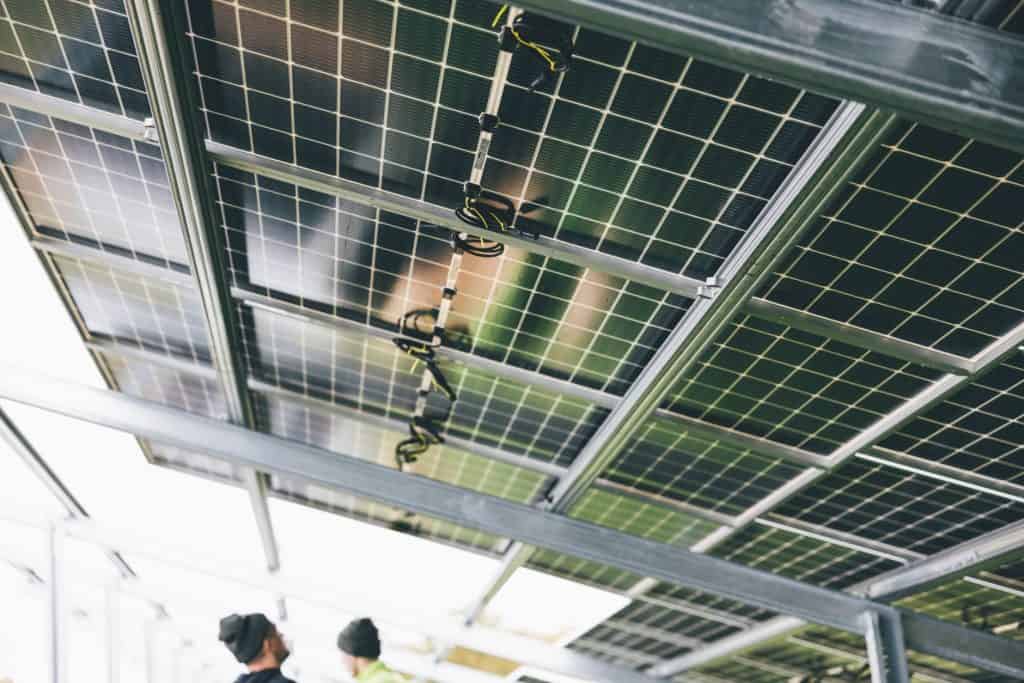
- Pannelli solari: Monocrystalline silicon panels present efficiencies between 19% and 22%, suitable for limited roof space. Polycrystalline panels offer efficiencies around 15–18%, providing cost-effective options for larger roofs. Technologies such as passivated emitter rear contact (PERC) cells are common in 2026 models for enhanced performance.
- Solar Panel Wattages and System Sizes: Residential systems typically range from 3 kW to 10 kW depending on energy demand and roof size. Individual panel wattage ranges from 350 W to 420 W, with most manufacturers standardizing around 380–400 W for balance of efficiency and cost. System sizing follows an assessment of annual consumption versus expected solar generation based on local irradiance data.
- Inverters with MPPT (Maximum Power Point Tracking): String inverters equipped with multiple MPPT channels or microinverters optimize power output by dynamically adjusting electrical input to each solar module, compensating for shading, soiling, or mismatch. MPPT efficiency generally reaches 99.5%, ensuring minimal energy loss under varying sunlight.
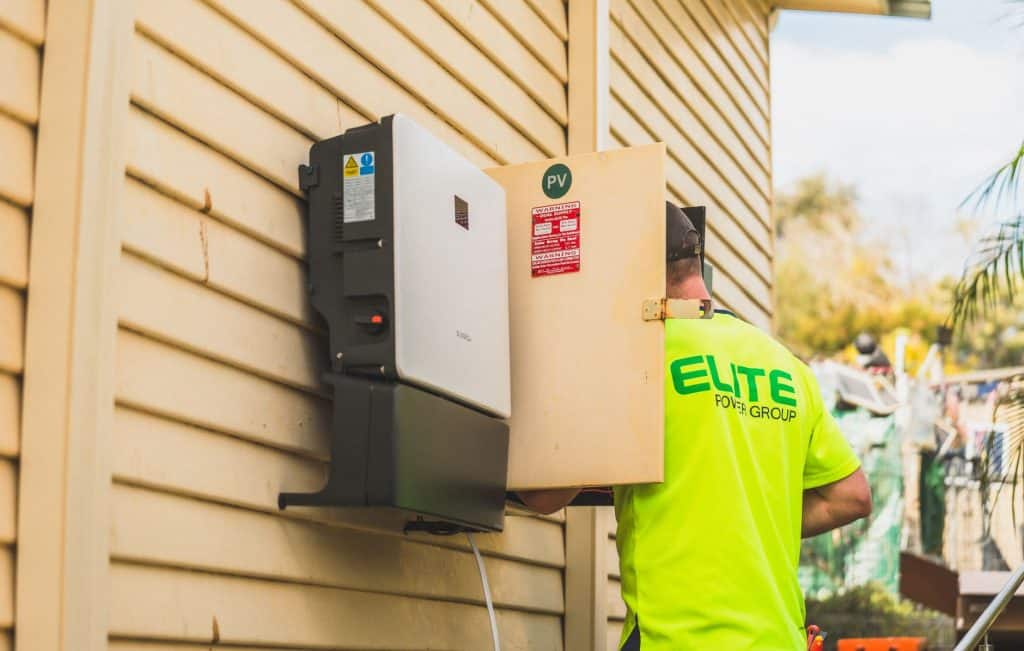
- Balance of System (BOS) Components: Includes roof-specific mounting hardware, insulated DC and AC cabling rated to IEC 62930, safety disconnect switches compliant with IEC 60364 and EN 50438, grounding systems, and surge protection devices. These components ensure safe and reliable electrical integration and facilitate maintenance operations.
- Smart Meters and Monitoring: Smart metering devices enable two-way communication with distribution system operators, supporting accurate net metering under local feed-in tariff schemes. Systems commonly provide real-time monitoring via web or mobile apps, allowing solar customers to track energy production, consumption, and system status promptly.
Dettaglio del calcestruzzo: Residential rooftop solar kits in 2026 commonly include panels rated between 350 and 420 watts each, forming systems sized to client needs from 3 kW to 10 kW, with inverter units selected accordingly to manage MPPT for optimal power extraction.
Installation Process and Timelines for Rooftop Solar Systems
Proper installation of a rooftop solar system involves sequential phases to meet safety and regulatory requirements, typically extending over several weeks from planning to commissioning.
- Project Timeline: End-to-end installation averages 4 to 8 weeks, comprising initial site feasibility assessment, structural and shading analysis, permit application, equipment procurement, physical installation, and final testing plus grid connection.
- Permitting and Regulatory Approvals: In Estonia and Serbia, building permits and grid interconnection applications require submitting technical documentation including electrical schematics, structural assessments, and compliance certificates. Approval may take 2 to 6 weeks depending on local administrative procedures.
- Installation Sequence: Installation begins with roof inspection and preparation, cleaning, and minor repairs if needed. Mounting racks are then securely anchored according to manufacturer guidelines and considering roof material. Solar panels are affixed followed by DC wiring to the inverter location. Finally, AC wiring ties into the home electrical panel and utility grid connection point.
- Testing and Grid Connection: Installation concludes with system tests including insulation resistance, anti-islanding protection verification, and performance checks per IEC 62446 standards. Certified electricians or inspectors verify compliance before energizing and connecting the system to the distribution grid.
- Role of Qualified Installers: Installers must hold licensure as electrical contractors and undergo specific rooftop solar training, ensuring adherence to safety procedures, including working at height standards (such as EN 363) and electrical installation norms.
Dettaglio del calcestruzzo: Physical installation on site generally requires 3 to 5 days of labor for typical residential rooftop solar systems, while administrative permitting and grid interconnection may extend total project duration depending on local policies.
Comparing Rooftop Solar to Ground-Mounted Solar Systems
Decision makers evaluate rooftop solar versus ground-mounted systems based on spatial, economic, and operational factors.
- Space Utilization: Rooftop solar optimizes existing roof space without requiring additional land, advantageous in urban or land-constrained environments. Ground-mounted systems need dedicated, unobstructed land plots and may face competition with other land uses.
- Installation Costs: Ground-mounted systems typically incur 10-20% higher installation costs due to foundations, trenching for cable runs, and more substantial mounting structures. Rooftop solar avoids significant civil work but may require roof reinforcements if structural capacity is limited.
- Maintenance Accessibility: Ground-mounted systems allow easier access for cleaning, repairs, and monitoring. In contrast, rooftop systems pose increased risks and require specialized equipment or professional services for maintenance, although fall protection is mandated by standards such as EN 795 and EN 363.
- Efficiency Variations: Ground-mounted solar can be optimally oriented and tilted for maximum yield (usually 30° to 35° and true south in the northern hemisphere). Rooftop solar systems may have compromised orientation or shading, leading to 5-15% lower annual energy yield in some scenarios.
- Regulatory and Land Use Considerations: Ground-mounted installations often require environmental impact assessments, zoning permissions, and utility easements. Rooftop solar usually leverages building permits already in place, simplifying regulatory compliance.
Dettaglio del calcestruzzo: Installation cost difference typically ranges 10-20% higher for ground-mounted systems, due to civil works and structural foundations not required for rooftop installations.
Financial Considerations for Rooftop Solar Systems in 2026
Financial analysis of rooftop solar investments involves upfront costs, ongoing benefits, and understanding local policy frameworks affecting returns.
- Solar Panels Cost: Current market costs in Europe for rooftop solar installations span approximately €1,000 to €1,500 per installed kilowatt. This includes panels, inverters, mounting, electrical works, labor, permitting, and grid connection fees, varying regionally based on supply chain and labor market conditions.
- Payback Periods: Payback depends on electricity tariffs, solar insolation, system size, and compensation mechanisms like net metering. Many European jurisdictions report payback between 6 and 12 years, assuming average residential consumption and feed-in tariff or net metering rates prevailing in 2026 (subject to change).
- Solar Plus Garden Membership Fee Model: Distinct from direct solar panel system purchases, the Solar Plus Garden model involves a €200 one-time membership fee plus an optional €20 monthly subscription for garden produce. Fees collected directly support solar project financing, including rooftop solar installations, managed transparently via escrow accounts.
- Investment Options: The platform offers equity participation in solar assets for long-term growth or loan-based instruments with defined payout schedules, accommodating investor risk profiles. These options provide alternative ways to engage with solar investments without direct ownership of rooftop solar panels.
- Government Incentives and Taxation: Available incentives such as subsidies, feed-in tariffs, and tax benefits vary by country and are frequently updated. Estonia and Serbia maintain incentive frameworks under EU Clean Energy directives but advisories recommend reassessment during project planning to incorporate current benefits.
Dettaglio del calcestruzzo: Rooftop solar panels cost around €1,000–€1,500 per kilowatt installed, with payback periods influenced primarily by net metering policies, household load profiles, and market electricity prices.
Maintenance and Performance Monitoring of Rooftop Solar Installations
Routine maintenance and monitoring practices safeguard system efficiency and lifespan of rooftop solar installations.
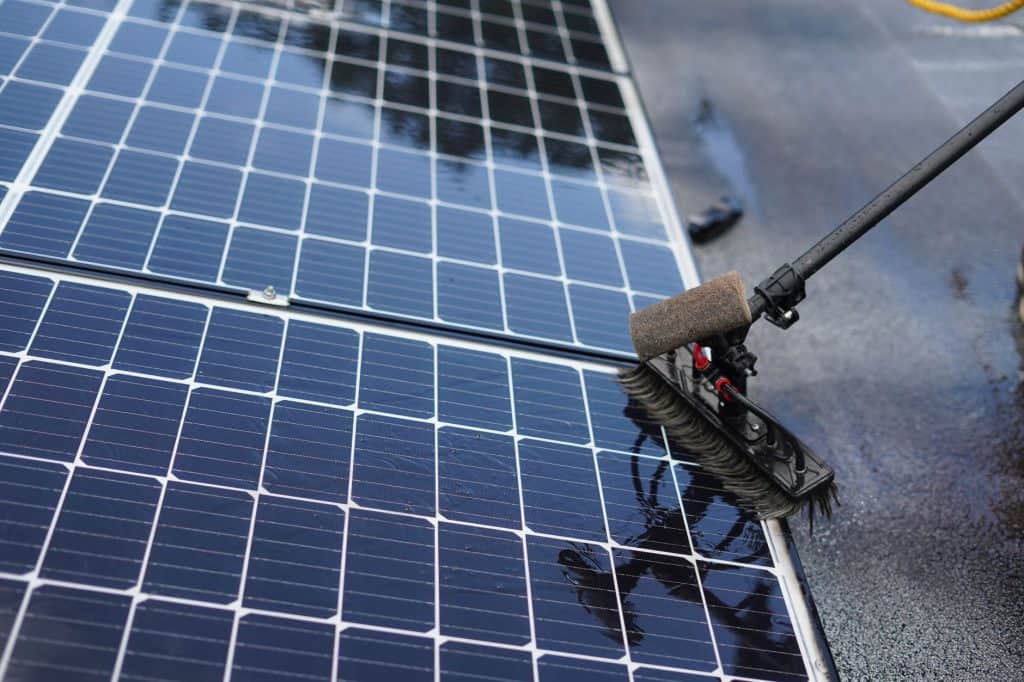
- Cleaning and Efficiency: Regular cleaning 1 to 2 times annually prevents accumulation of dust, leaves, and bird droppings that can diminish panel efficiency by an estimated 5–10%. Cleaning methods range from manual water rinsing to automated robotic systems depending on site accessibility.
- Monitoring Systems: Contemporary rooftop solar kits integrate cloud-based monitoring platforms compliant with IEC 61724 standard for performance monitoring, providing alerts for underperformance, faults, or inverter issues. Solar customers access performance data remotely via smartphones or web interfaces.
- Garanzie e assistenza: Manufacturer warranties typically cover 25 years with performance degradation limits between 0.5% and 0.8% per year, meeting IEC 61215 quality standards. These guarantees define minimum power output thresholds ensuring predictable long-term returns.
- Panel Degradation: Solar panels gradually lose output capacity at approximately 0.5–0.8% per year. Performance assessments every 3 to 5 years are advised to detect significant deteriorations or system malfunctions.
- Community Management: Solar Plus Garden administers collective maintenance funds sourced from membership fees, allocating resources for routine inspections, repairs, and upgrades to uphold system performance and transparency.
Dettaglio del calcestruzzo: Panel degradation rates conform to IEC 61215 standards, averaging an annual decline of 0.5% to 0.8% in solar panel performance.
Integrating Rooftop Solar into Home Energy Systems and the Grid
Integration strategies enhance the utilization of generated solar energy within homes and support grid stability.
- Net Metering and Feed-in Tariffs: Estonia and Serbia implement net metering schemes allowing solar customers to export surplus electricity to the grid, with compensation rates regulated through national authorities. Accurate measurement and tariff application depend on certified smart meters interoperable with utility communication systems.
- Grid Interconnection Standards: Rooftop solar systems comply with ENTSO-E guidelines and local grid codes addressing voltage regulation, frequency response, and reactive power management. Inverters must include smart functionalities per IEC 62116 to automatically disconnect during grid faults, ensuring safety for maintenance crews and grid stability.
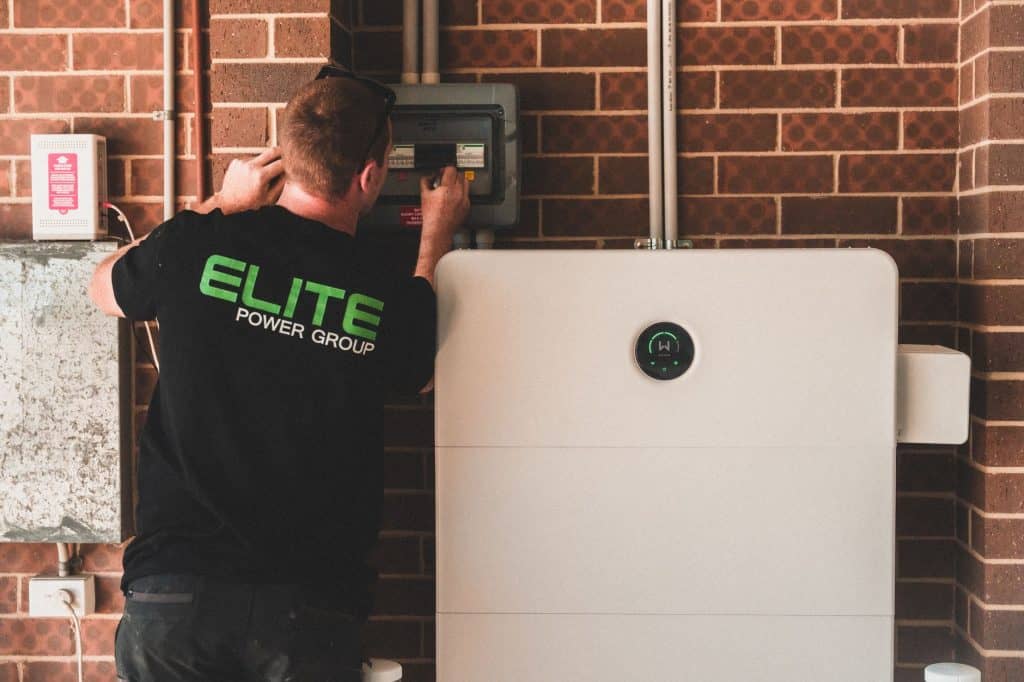
- Energy Storage Options: Battery storage solutions, such as lithium-ion or flow batteries, enable storing excess solar generation for consumption during night or grid outages. This integration requires compatible inverters capable of bi-directional power flow and battery management systems.
- Load Management and Self-Consumption: Implementing smart home energy systems with demand response and time-of-use appliance scheduling increases onsite consumption of solar power, improving financial returns by reducing grid energy purchases.
- Solar Plus Garden Community Benefits: The platform provides shared expertise and infrastructure, facilitating grid integration and maintenance for members, reducing technical burdens and fostering higher solar system resilience.
Dettaglio del calcestruzzo: Net metering rules in Estonia and Serbia specify export compensation rates regulated by national authorities, while grid interconnection complies with ENTSO-E codes requiring inverter functionalities for voltage and frequency regulation.
Understanding the Solar Plus Garden Membership Model in the Context of Rooftop Solar
The Solar Plus Garden membership connects rooftop solar investments with community agrivoltaico and supports transparent, regulated solar project funding.
- Struttura delle quote associative: Enrollment requires a €200 one-time membership fee granting community access, complemented by an optional €20 monthly fee for receiving fresh produce via garden boxes tied to solar-powered agriculture initiatives.
- Reinvestment into Solar Projects: Membership fees are aggregated and allocated to solar developments, including rooftop solar systems, managed under strict escrow mechanisms that prevent fund diversion and uphold regulatory compliance.
- Separazione giuridica delle entità: Solar assets and garden community operations are maintained by distinct legal entities—in Estonia and Serbia—to clarify regulatory obligations and operational management, reducing investor risk.
- Community Benefits: Members receive not only potential financial returns but also seasonal fresh produce, access to educational resources, and participation in sustainable local development programs.
- Scalabilità: The garden community plans to scale to 3,000 garden parcels, expanding agrivoltaic integration alongside modular rooftop solar project deployment for sustainable growth.
Dettaglio del calcestruzzo: Membership fees finance solar installations exclusively through escrow-protected payments managed transparently to safeguard investor contributions within both rooftop solar and garden community frameworks.
Domande frequenti
How do I determine if my roof is suitable for installing a rooftop solar system?
Your roof’s suitability depends on factors like south-facing orientation, tilt angle between 25° and 40°, shading from adjacent obstructions, and load-bearing capacity per local building codes. Professional site assessments using tools such as LiDAR or drone imagery help estimate solar potential and regulatory compliance.
What is the typical payback period for a rooftop solar installation in Europe?
Payback periods generally range from 6 to 12 years, influenced by local electricity prices, net metering policies, system size, and installation costs. Variability in household consumption patterns and grid compensation can extend or shorten this timeframe.
Can I combine rooftop solar panels with battery storage to power my home independently?
Yes, integrating battery storage enables the use of daytime-generated solar energy during evenings or grid outages, increasing energy autonomy. This requires compatible inverters and a system design that incorporates battery management and safety protocols.
What makes the Solar Plus Garden model different from traditional rooftop solar investments?
Solar Plus Garden employs a membership model where fees fund solar projects—including rooftop solar installations—with transparent escrow control. Unlike direct ownership, members gain community benefits such as fresh produce and shared expertise, combining financial and social value.
Conclusione
Property owners evaluating rooftop solar systems must thoroughly assess roof suitability, chosen components, installation procedures, and local regulatory requirements. Incorporating rooftop solar into home energy systems offers tangible returns, particularly when supported by structured investment platforms like Solar Plus Garden. Staying informed on net metering policies, solar installation standards, and financing options is critical as these evolve. Transparent community-based models enhance both financial oversight and social impact, supporting a sustainable energy future aligned with property owners’ interests.
Letture correlate
- Investire in progetti di energia rinnovabile: una guida pratica per proprietari immobiliari, sviluppatori e investitori.
- Opportunità di investimento in impianti solari nel 2026: cosa devono sapere i proprietari di immobili e gli investitori
- Integrare l'energia solare nelle centrali elettriche virtuali: cosa devono sapere i proprietari di immobili e gli investitori