Passer au contenu





Solar Investment Trends for 2026-2027: Market Drivers and Strategic Shifts
Global and Regional Shifts Influencing Solar Investments in 2026-2027
Solar investment in 2026 and 2027 is shaped by policy frameworks, geopolitical factors, and supply chain developments across key markets. The United States, European Union, and select emerging regions demonstrate distinct investment patterns reflecting local regulations and market maturity.
In the United States, the continuation of the Inflation Reduction Act (IRA) through 2027 maintains federal Investment Tax Credit (ITC) levels at 30% for utility-scale and distributed solar projects that meet strict domestic content and labor criteria. Projects must satisfy phased commissioning deadlines—starting with commencement of construction by end-2025 and completion by late 2027—to qualify for full credits. These timelines create urgency, prompting many developers to expedite permitting and construction processes to avoid credit phase-downs.
The European Union is responding to heightened energy security needs by accelerating renewable deployment under the REPowerEU plan. Member states implement varying support tools: Germany enhances auction-based mechanisms with floor prices to stabilize investor returns; Spain extends feed-in tariff windows for small PV installations until mid-2027; and France implements long-term Power Purchase Agreement (PPA) guarantees up to 20 years compliant with EU State Aid rules. Investment decisions require in-depth analysis of national market regulations, permitting lead times averaging six to twelve months, and grid connection queue policies.
Emerging markets such as Vietnam, Brazil, and Poland gain solar investments driven by high solar irradiance levels (5-6 kWh/m²/day typical) and increasing electricity demand growth rates above 4% annually. These regions face currency depreciation risks averaging 3-6% annually against the euro/dollar and supply chain lead times extended by localized logistic constraints. Investors apply detailed sensitivity analyses incorporating foreign exchange hedging costs and delivery schedule risks.
- Investment Flows: Capital reallocates toward emerging markets with transparent regulatory frameworks and expanding demand, offsetting tighter policy conditions in mature markets.
- Policies and Subsidies: U.S. IRA incentivizes fast-track projects via ITC timeline phases; EU nations balance auction design, feed-in tariffs, and PPA stability within State Aid compliance.
- Geopolitical and Supply Chain Factors: Raw material price volatility, particularly polysilicon and silver (up 8-12% year-on-year), affects module pricing and project CapEx.
Technological Innovations Driving Solar Project Viability
Progrès dans photovoltaïque technology and system integration continue to influence project feasibility and returns. Key innovations in 2026 include bifacial modules, smart inverter technologies complying with IEEE 1547-2018 grid interconnection standards, and agrivoltaic systems combining agricultural production with solar generation.
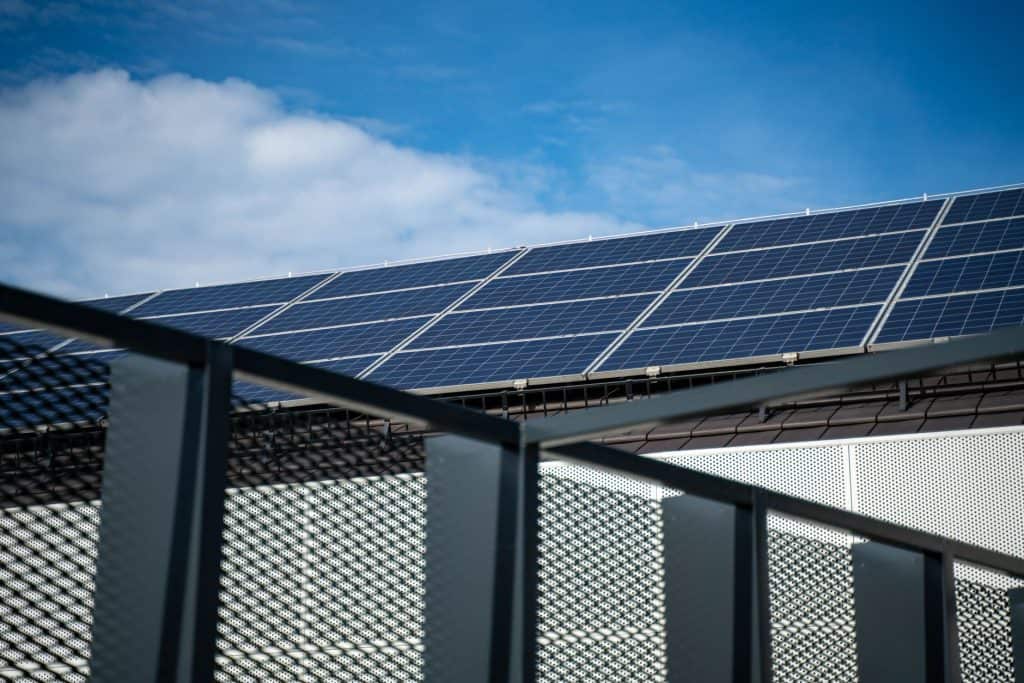
Bifacial solar panels enable dual-sided photoelectric conversion, capturing reflected irradiance from high-albedo surfaces like light-colored soil or white gravel. Field performance data from deployments in Central Europe show an average bifacial gain between 7% and 12% annually, conditioned by ground reflectivity and installation height (usually 0.8-1.2 meters). These gains translate into LCOE reductions of 3-6% by increasing annual energy production without proportional increase in module cost—typically representing 35% of project CapEx.
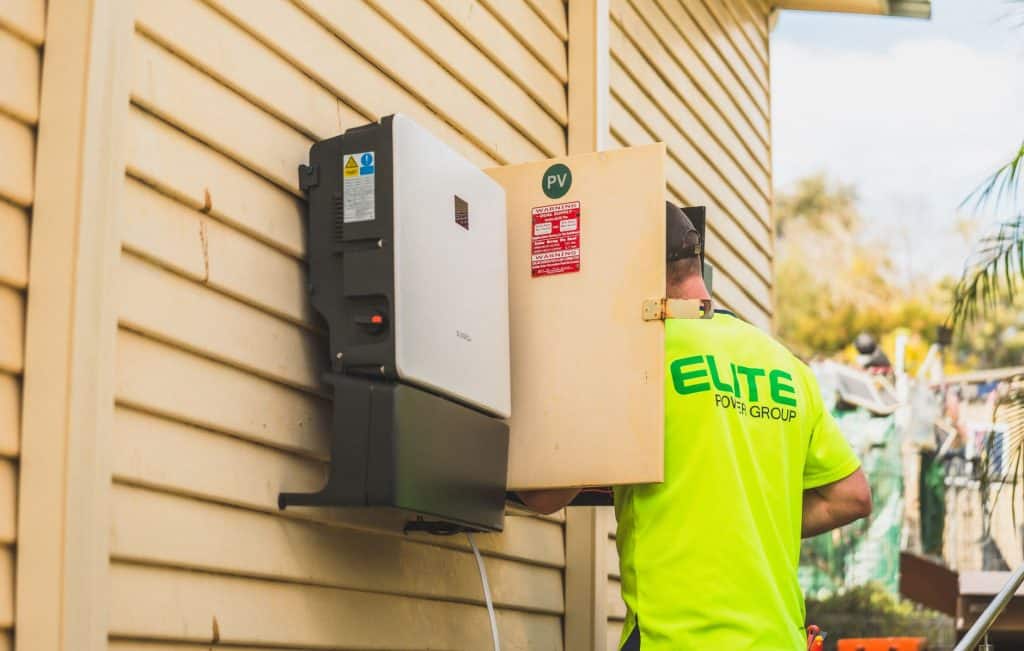
Smart inverter adoption advances grid compatibility by enabling voltage regulation, frequency response, and ride-through capabilities aligned with regional grid codes like Germany’s VDE-AR-N 4110/4120. These inverters support real-time monitoring and fault diagnostics, reducing operational downtime and O&M expenses by approximately 10-15% compared to legacy inverter systems within the first five years of operation.
Agrivoltaic systems, rated under IEC TS 63056 (published 2020), optimize dual land use by adjusting panel density and tilt to balance ambient light requirements for crops. Trial data from France and Japan document crop yield variations within ±5% compared to conventional cultivation, depending on species (e.g., leafy greens showing slight increases due to shade tolerance). These systems contribute an additional revenue stream while maintaining typical solar energy yields—making agrivoltaïsme particularly attractive in land-constrained or high-value agricultural regions.
- Bifacial Panels: Yield improvement of 7-12% per year over 1-3 year operational horizon; panel mounting height 0.8-1.2 m influences performance.
- Inverter Advances: Compliance with IEEE 1547-2018 for enhanced grid support functions, reducing O&M costs by up to 15% within first five years.
- Agrivoltaïque : IEC TS 63056 standard defines design; crop test results show ±5% yield variation; dual revenue streams improve overall project IRR.
Demand Trends Among Small and Medium Solar Investors
Small and medium investors (SMIs) account for a growing share of solar investment activity, motivated by lower entry thresholds and increased sustainability awareness. Typical SMIs include private individuals, family offices, and niche funds targeting diversified impact portfolios.
Equity investments in solar projects offer an ownership share with exposure to operational risks and upside linked to generation performance and tariff structures. Loan instruments provide fixed income profiles secured against project cashflow, often with tenors of 5-10 years. Investor preference is influenced by liquidity needs, risk tolerance, and tax treatment—requiring transparent reporting on project milestones and governance.
Community-based models such as Solar Plus Garden offer an alternative pathway where investors start with €500 minimum contributions via membership fees rather than direct asset ownership. These fees are pooled under escrow mechanisms and allocated toward both solar project investments and community initiatives including agrivoltaic operations. This approach blends financial and social returns and accommodates investors seeking measurable environmental impact without complex asset management.
- Investor Profiles: Private and institutional SMIs emphasizing risk-managed access and environmental-social governance (ESG) aspects.
- Investment Instruments: Equity with operational upside versus loans with fixed returns; preference often shaped by return horizon of 5-10 years.
- Community Models: Solar Plus Garden offers €500 entry with membership fees funding solar capex and community agrivoltaic projects.
Regulatory Framework and Its Impact on Investment Security
Investment security hinges on clear regulatory frameworks defining ownership, capital flows, and risk allocation—particularly in cross-border structures involving Estonian OÜ and Serbian DOO entities.
Solar Plus Garden implements a legally codified payment and escrow model with no allowance for fund disbursement without prior approval documented in investor agreements. This aligns with anti-money laundering (AML) directives under the EU’s 6th AML Directive (effective 2026) and international fiduciary best practices outlined by the International Capital Market Association (ICMA).
Maintaining separate legal entities for the solar asset (Serbian DOO) and the Garden community platform (Estonian OÜ), with exclusive intellectual property licensing arrangements, ensures segregated capital management and operational accountability. This structure simplifies compliance with jurisdiction-specific tax reporting obligations—Serbia’s corporate income tax at 15% and Estonia’s 20% corporate tax on distributed profits.
- Legal Decisions: Enforcement of EU 6th AML Directive and ICMA principles guide escrow and fund management to mitigate investor risk.
- Cross-Border Compliance: Separate Estonian OÜ (community) and Serbian DOO (solar assets) ensure operational and financial transparency.
- Fund Control: Escrow account operations require multi-party approval before fund release, based on defined contract milestones.
Community Membership as a Parallel Investment Pathway
The Garden membership model provides access to solar-related benefits without direct investment in solar assets. Members pay a €200 one-time fee to gain entry plus an optional €20 monthly subscription for receiving a jardinière containing fresh, regional produce 18 times annually.
Funds generated through membership fees support both solar energy capacity expansion and community activities under a dedicated legal framework operating independently of the solar plant owner. This separation ensures governance clarity and protects investor and member interests.
The project caps membership at 3,000 plots or boxes, targeting manageable operational scale and consistent quality of produce delivery aligning with agrivoltaic farm capacity. This controlled scale supports regulatory compliance, including GDPR protections for member data and food safety certifications relevant to delivered products.
- Membership Structure: €200 initiation plus optional €20/month Garden box subscription delivering 18 shipments annually.
- Funding Allocation: Member fees advance solar deployment and fund agrivoltaic community programs under a legally separate entity.
- Capacity Limits: 3,000 plots cap enables quality control and regulatory compliance in community service delivery.
Energy Market Demand and Price Dynamics Affecting Solar Investment at Scale
Wholesale electricity prices in Europe and parts of the U.S. in 2026 range between €70 and €120 per MWh, subject to volatility driven by LNG availability, carbon allowance prices (averaging €85/ton CO2 under EU ETS), and seasonal demand fluctuations. Elevated prices enhance solar project revenue potential but expose cashflows to market risks.
Solar plants increasingly implement demand response capabilities coordinated with grid operators using advanced smart inverters complying with IEC 61850 communication standards. These allow rapid adjustment of output based on grid frequency and voltage metrics, contributing to grid stability amid rising variable renewable penetration.
Long-term PPAs generally extend from 10 to 20 years, offering contractually fixed off-take volumes and tariffs indexed to consumer price index (CPI) or energy market benchmarks like the European Power Index (EPI). Annual tariff adjustment clauses accommodate inflation averaging 2-3% annually, balancing revenue predictability with market alignment.
- Market Prices: 2026 wholesale electricity prices range €70-120/MWh; carbon prices near €85/ton under EU ETS affect operational cost structures.
- Grid Integration: Demand response via smart inverters per IEC 61850 supports real-time output flexibility and grid reliability.
- PPAs: Tenors of 10-20 years; tariffs indexed to CPI or EPI with annual escalators averaging 2-3%.
Illustration: Cost Component Breakdown Per kW for 2026 Utility-Scale Solar Projects
This breakdown reflects a typical 10 MW ground-mounted photovoltaic project located in Eastern Europe deploying bifacial modules and smart inverter technology. CapEx excludes land acquisition costs, which vary widely by locality.
| Cost Component | Percentage of Total CapEx | Rationale / Notes |
|---|---|---|
| Solar Panels | 35% | High-efficiency bifacial modules with warranted 25-year performance; premium pricing reflects increased silicon, silver, and manufacturing costs. |
| Onduleurs | 15% | Advanced string inverters compliant with IEEE 1547-2018 and IEC 61850, incorporating grid support and fault diagnostics. |
| Civil and Mechanical Works | 25% | Site preparation, mounting structures (optimized for bifacial panel height), and labor; includes groundwork to enhance albedo where applicable. |
| Grid Connection | 15% | Transformer and switchgear costs; compliance with latest grid code requirements; includes grid connection fees and impact studies. |
| Annualized O&M | 10% | Based on 25-year lifetime estimate; includes preventive maintenance, cleaning, remote monitoring, and insurance. |
Agrivoltaic system integration adds an estimated 5-8% CapEx premium related to modified mounting structures and spacing, partially offset by diversified revenue streams from agricultural production and eligibility for additional environmental subsidies in some jurisdictions.
Foire aux questions
- What are the main regional factors affecting solar investment decisions in 2026?
- Government subsidy frameworks—such as the U.S. IRA ITC timelines and the EU REPowerEU policy—regulatory clarity on ownership and fund safeguarding, geopolitical risk impacting supply chains, and currency stability are primary factors affecting risk and return.
- How does the Garden membership model fit into solar investment strategies?
- It provides small and medium investors access to solar project returns indirectly via pooled membership fees, combined with community engagement and agrivoltaic benefits, while avoiding direct ownership risks.
- What technological advancements should investors consider when evaluating solar projects today?
- Bifacial panels offer a 7-12% increase in yield; smart inverters compliant with IEEE 1547-2018 and IEC 61850 reduce downtime and support grid services; and agrivoltaics enable dual land use with pilot-verified stable crop and solar yields.
- How do regulatory structures in Estonia and Serbia impact cross-border solar investments?
- Clear separation of entities (Estonian OÜ community platform and Serbian DOO solar assets) enforces transparent governance and strict escrow fund control, aligning with EU AML directives and reducing potential investor exposure.
Conclusion
Solar investment trends for 2026-2027 reflect evolving policy environments, technological progress, and innovative community-oriented models. The urgency created by the U.S. IRA and diversified EU mechanisms requires timely project execution supported by advanced bifacial and smart inverter technologies to maintain competitiveness.
Small and medium investor segments benefit from structures like Solar Plus Garden’s membership model, which align financial returns with environmental and social impact while reducing ownership complexity. Strong regulatory frameworks underpin risk mitigation through escrow control and clear cross-border operational separation.
Energy market dynamics, including wholesale price volatility and indexed long-term PPAs, shape revenue predictability. Incorporating agrivoltaic technologies presents an emerging strategic advantage in land use efficiency and supplemental revenue.
Project developers and investors should continuously assess subsidy adjustments, supply chain trends, and grid integration requirements to optimize capital deployment and maintain alignment with this trend-driven solar investment landscape.
Lectures complémentaires
- Tendances du marché de l'investissement solaire à l'horizon 2025 : Perspectives pour les investisseurs et les développeurs
- Comprehensive Insight into Solar Market Segmentation for Strategic Investment in 2026-2031
- Naviguer dans la volatilité du marché des investissements solaires : facteurs clés et gestion des risques pour 2026-2027