









Comment les systèmes solaires hybrides intelligents favorisent l'indépendance énergétique grâce au stockage intelligent et au contrôle hors réseau
Defining the Solar Hybrid Inteligent System: Integrating Hybrid Solar System, Battery, and Intelligent Control
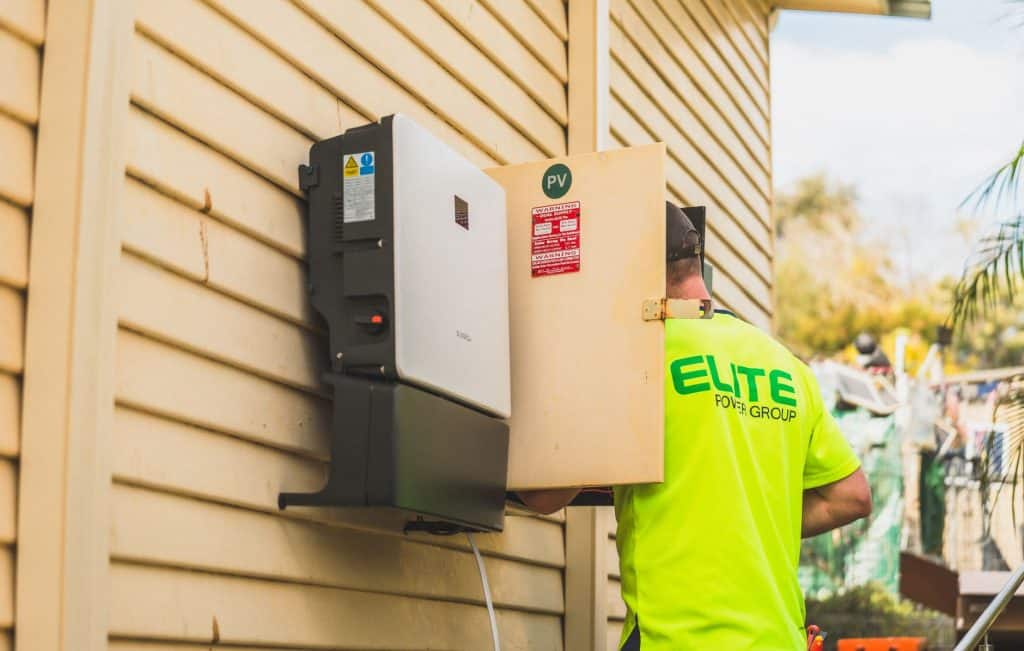
A Solar Hybrid Inteligent System combines photovoltaïque (PV) solar systems, advanced lithium battery energy storage systems, and intelligent energy management controls into an integrated platform. This hybrid solar system is designed to maximize renewable energy utilization and provide reliable power supply across both off-grid and grid-interactive applications.
The hybrid solar system typically includes monocrystalline or polycrystalline PV panels with capacities ranging from residential-scale 5 kW up to community-scale 100 kW arrays, paired with lithium battery banks sized between 5 kWh and 30 kWh per system. When solar irradiance fluctuates or demand exceeds supply, the system incorporates backup generator support—commonly diesel or biodiesel-powered—automated for optimal fuel efficiency and minimal runtime.
At the core lies the intelligent energy management system that controls energy flows dynamically. It manages charging of storage systems via Maximum Power Point Tracking (MPPT) solar inverters with hybrid functionality, autonomous battery discharge, load prioritization, and generator start/stop sequences. These controls ensure power availability with minimal interruption, responding within sub-second timescales (typically under 500 ms) to changing load and generation conditions.
These systems operate either independently from the utility grid (off-grid systems) or in grid-tied mode with bidirectional synchronization, allowing energy feed-in under appropriate regulatory frameworks. Key components include lithium-ion battery packs compliant with safety standards IEC 62619 and UN 38.3 for transport, hybrid inverters supporting Modbus communication protocols, and programmable controllers enabling scalable modular system expansion.
How Intelligent Energy Storage and Management Optimize Power Generation and Usage
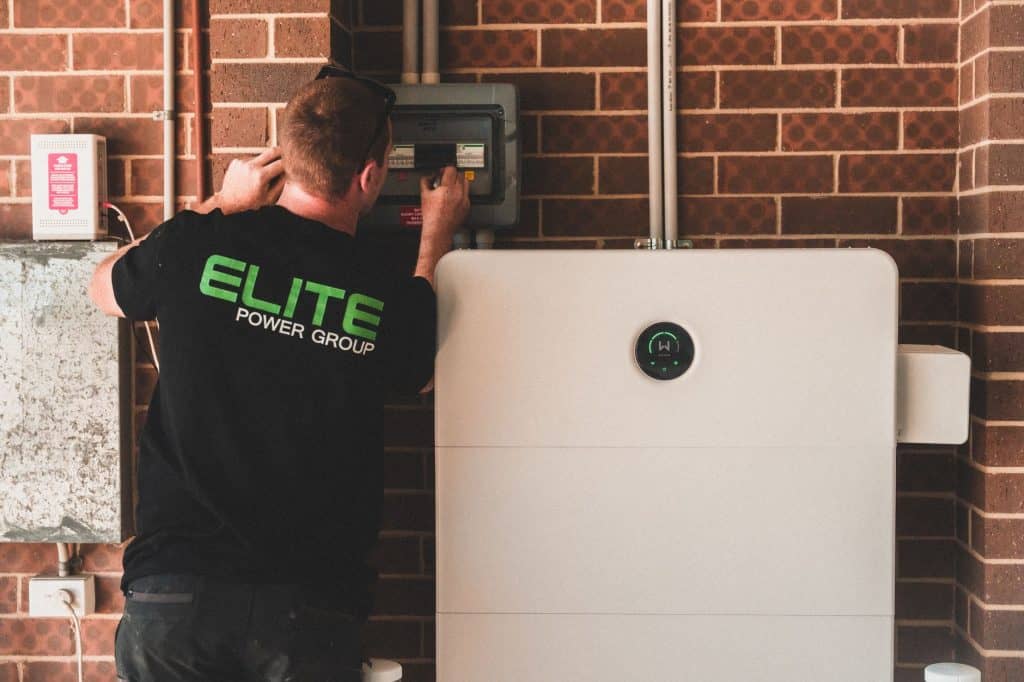
Lithium battery energy storage systems in hybrid solar systems play a critical role in smoothing the intermittent nature of solar generation. Battery capacities are sized based on load profiles and desired autonomy durations, commonly between 10 and 30 kWh for residential or small community systems. These batteries store excess daytime solar production to supply loads during nighttime or low-sun periods.
Advanced energy management algorithms continuously monitor real-time voltage, current, state of charge (SoC), and load demand, adjusting battery charging and discharging accordingly. Battery charge cutoffs are programmed to maintain SoC above 20% to avoid accelerated degradation, while depth-of-discharge limits enhance battery cycle life beyond 4000 full cycles with round-trip efficiencies exceeding 90%.
During cloudy intervals, battery discharge sustains load without resorting immediately to generators, reducing fossil fuel consumption and emissions. Generator backups are triggered only when battery SoC drops below preset thresholds (commonly 15-20%) or when load exceeds combined solar and battery output.
These energy storage systems reduce operational costs by minimizing generator runtime and maintenance, improving system resilience. Their rapid response ensures power quality remains within regulatory voltage and frequency tolerances, which for many jurisdictions means ±5% voltage variation and ±0.5 Hz frequency deviation.
Key Technical Components Enabling Solar Hybrid Inteligent Systems
Solar Hybrid Inteligent Systems assemble several critical technical components that work cohesively:
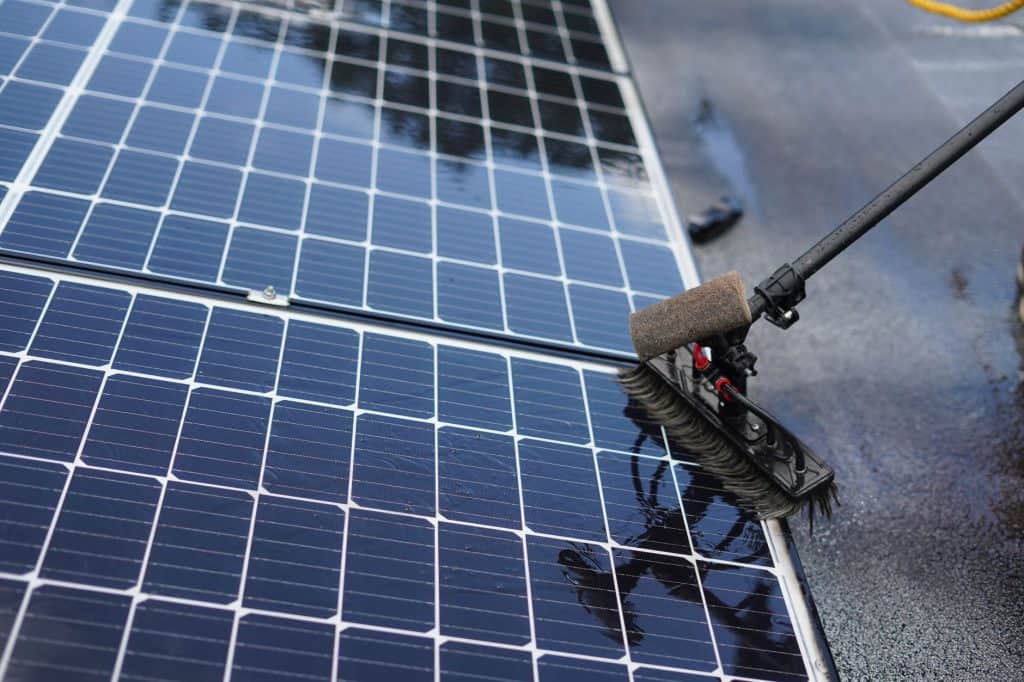
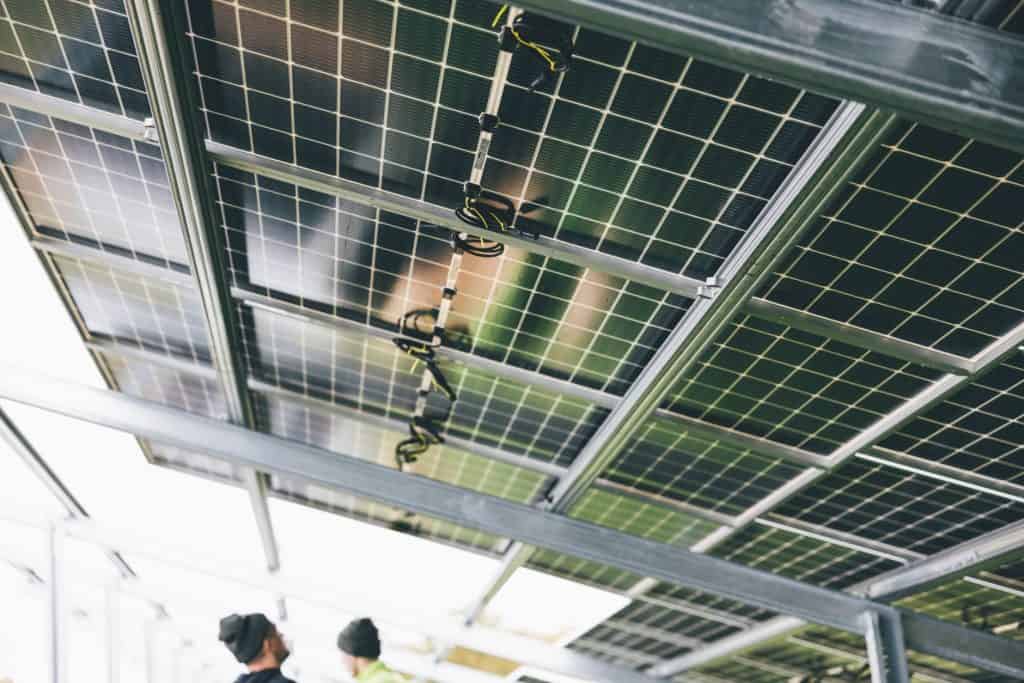
- Photovoltaic Panels: Standard PV modules comply with IEC 61215 and IEC 61730, delivering DC power converted by MPPT-enabled hybrid inverters.
- Lithium Battery Banks: Lithium nickel manganese cobalt oxide (NMC) or lithium iron phosphate (LFP) chemistries dominate due to superior energy density (150–230 Wh/kg) and consistent cycle lives exceeding 4000 cycles at 80% depth of discharge.
- Hybrid Inverters: Power ratings span 5 kW to 100 kW, integrating grid synchronization per IEEE 1547 and anti-islanding protection. These inverters manage PV input, battery charging/discharging, and export control.
- Optimiseurs de puissance : Installed at individual panel levels, these devices mitigate mismatch losses caused by shading or soiling, improving array-wide energy harvest by up to 10%.
- Backup Generators: Diesel or biodiesel-fueled units featuring automated start-stop controls linked to battery SoC and load demand sensors. Fuel management systems optimize operation intervals to reduce fuel consumption and emissions.
- Energy Management Controllers: Employing industrial communication protocols such as Modbus RTU and CAN bus, these controllers enable real-time monitoring, adaptive load shedding, and prioritized switching between energy sources.
The system architecture is modular, allowing expansion by adding additional battery packs or PV strings, supported by firmware updates in energy management controllers. Lithium battery enclosures include integrated thermal sensors and forced ventilation to maintain operational temperatures within the optimal 15°C–35°C range, mitigating degradation risks.
Achieving Energy Independence: Off-Grid Capability and Resilience
True energy independence in off-grid systems is measured by the ability to supply continuous power without grid support for predefined periods of autonomy, often between 24 and 72 hours depending on system sizing.
Designing off-grid systems involves a sequence of steps:
- Load Analysis: Detailed profiling of daily and seasonal consumption to determine average and peak demand.
- Solar Resource Assessment: Utilizing site-specific solar irradiance data (e.g., from PVGIS or Meteonorm) to optimize PV panel sizing.
- Battery Sizing: Calculated to deliver autonomy ranging from 24 to 48 hours at target depth of discharge, factoring in battery round-trip efficiency and aging.
- Generator Integration: Sized to cover peak loads and recharge batteries during prolonged low solar availability, with runtime optimized to minimize fuel use.
Real-world off-grid hybrid systems report availability exceeding 95%, supported by automated controls that balance charge cycles and load priorities. For example, a 10 kW residential system paired with a 20 kWh lithium battery bank can typically achieve 1–2 days of autonomy under average conditions.
Such systems minimize diesel generator operating hours by up to 80% compared to standalone generators, reducing fuel and maintenance expenses and lowering greenhouse gas emissions. The resilience of these systems is critical for remote communities or critical infrastructure, where grid reliability is insufficient.
Integrating Solar Hybrid Inteligent Systems into Community Projects like Solar Plus Garden
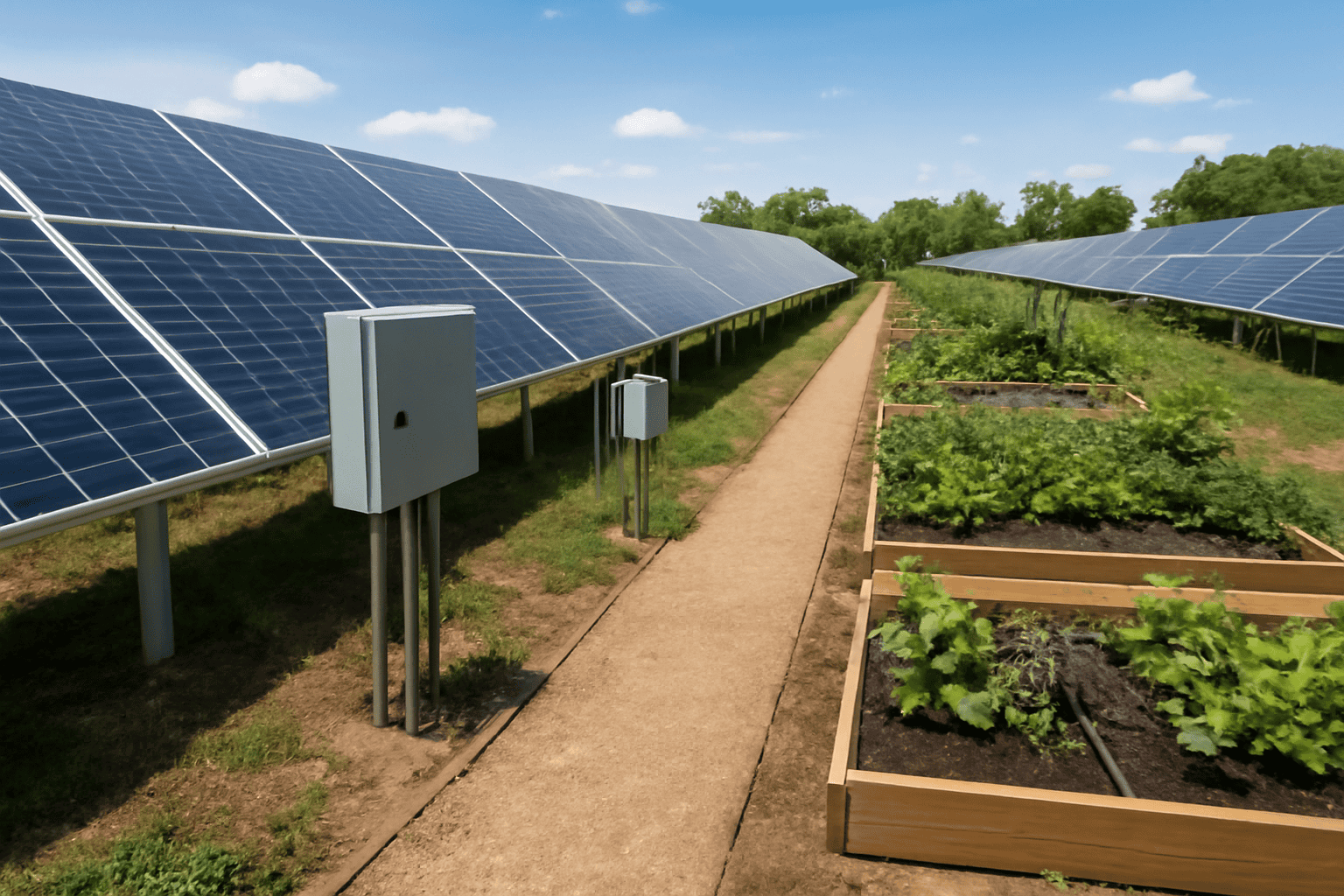
Solar Plus Garden applies Solar Hybrid Inteligent System principles in a community context by combining a 10 MW hybrid solar plant with agrivoltaic practices, generating clean energy and supporting up to 3,000 garden parcels as part of a membership community.
The solar plant is owned and operated by an Estonian OÜ, while garden community activities are managed through a separate entity, ensuring clear legal separation and operational transparency in accordance with established payment and escrow frameworks.
Adhésion à la communauté is accessible through a €200 one-time fee, granting participation rights without direct capital investment in solar assets. Optional €20 monthly jardinière subscriptions provide 18 annual deliveries of fresh local produce, funded through solar energy revenues.
This financial model ensures solar system cash flows sustain both energy infrastructure maintenance and garden community expenses. Transparent escrow accounts and audited payment processes uphold investor protections, aligning with regulatory requirements for investment readiness.
The Solar Plus Garden platform’s scalable design supports modular solar capacity growth and expanding community engagement, integrating hybrid energy generation with regenerative agriculture and local food systems to deliver environmental and social co-benefits.
Battery Energy Lifecycle and Maintenance Practices in Hybrid Solar Systems
Lithium battery storage in hybrid systems typically features operational lifespans of 10 to 15 years, substantiated by manufacturer warranties guaranteeing at least 8 years or 80% capacity retention.
Maintenance protocols include:
- State of Health (SoH) Monitoring: Periodic capacity and internal resistance testing to detect cell degradation and imbalance via embedded battery management systems (BMS).
- Cell Balancing: Active or passive balancing maintains uniform state of charge among cells, preventing premature aging due to voltage disparities.
- Gestion thermique : Systems maintain operating temperatures consistently between 15°C and 35°C through active cooling or ventilation, avoiding operation above 45°C which accelerates chemical degradation.
- Depth of Discharge Management: Operating policies avoid deep discharges under 20% State of Charge, lengthening battery cycle life and preserving energy storage efficiency.
Compliance with battery safety standards such as UN 38.3 and IEC 62619 is mandatory, governing transport safety and electrical/mechanical system design to mitigate risks including thermal runaway and short circuits.
Inverters and controllers require firmware updates annually or as released by manufacturers to improve system functionality and security. Scheduled inspections of cable terminations, fuses, and ventilation components further ensure uninterrupted operation over system lifetimes.
Comparing Solar Hybrid Inteligent Systems to Conventional Solar or Standalone Backup Systems
Comparative analysis highlights several differentiators:
- Indépendance énergétique : Hybrid systems uniquely integrate battery energy storage with PV generation and automated generator backup, providing 24/7 power autonomy unattainable by conventional grid-tied solar without storage or standalone solar-only systems reliant on intermittent sunlight.
- Power Quality and Reliability: Intelligent controllers maintain voltage within ±5% and frequency within ±0.5 Hz, supported by dynamic battery buffering and generator synchronization. In contrast, standalone diesel generators or basic solar setups often experience fluctuations and outages.
- Cost Optimization: Although hybrid systems involve upfront capital expenses for battery banks and control electronics, their Levelized Cost of Energy (LCOE) tends to range between €0.12 and €0.18 per kWh, compared to diesel-only systems exceeding €0.20 per kWh when accounting for fuel, maintenance, and downtime.
- Impact environnemental : By maximizing renewable generation and minimizing generator runtime, hybrid systems significantly reduce CO2 and particulate emissions relative to diesel backup reliance.
Over a 15-year system lifespan, financial models frequently demonstrate positive net present value (NPV) and internal rate of return (IRR) advantages for hybrid solar systems, reinforced by improved uptime and lower operational risks compared to standalone approaches.
FAQ
What is the difference between a solar hybrid inteligent system and a traditional solar system?
Solar hybrid inteligent systems integrate photovoltaic panels with lithium battery energy storage and intelligent controls to manage power flow both off-grid and grid-interactive. Traditional solar systems typically operate grid-tied without storage or as standalone off-grid installations without advanced energy management.
How do lithium batteries improve the performance of hybrid solar systems?
Lithium batteries provide high energy density (150–230 Wh/kg), long lifecycle exceeding 4000 full cycles at 80% depth of discharge, and efficient charge/discharge with round-trip efficiencies over 90%. This enables reliable energy storage, reduces generator runtime, and smooths power delivery.
Can solar hybrid inteligent systems provide reliable power during grid outages?
Yes, by combining appropriately sized lithium battery storage (commonly 10–30 kWh) with smart energy management and automated backup generators that activate based on battery SoC and load, these systems maintain continuous power through outages with minimal disruption.
What maintenance is required to keep a solar hybrid inteligent system operational?
Essential maintenance includes regular battery state-of-health monitoring, maintaining operating temperatures between 15°C and 35°C, periodic inverter firmware updates, and scheduled inspections of electrical connections and ventilation systems to ensure safety and longevity.
Conclusion
Solar Hybrid Inteligent Systems offer a technically validated solution for achieving energy independence by integrating hybrid solar systems, lithium battery storage, and intelligent control technologies. Understanding these systems is vital for property owners, project developers, and investors considering participation in community-driven projects such as Solar Plus Garden. System design choices depend on local solar resources, load profiles, and resilience requirements, with regulatory developments, battery technology advances, and market conditions likely influencing future configurations and returns.
Lectures complémentaires
- Intégration des systèmes de stockage d'énergie par batteries (BESS) pour une production d'énergie solaire optimisée et une gestion efficace du réseau
- Processus de raccordement au réseau électrique : Comment raccorder une centrale solaire au réseau électrique ?
- Maîtriser le contrôle des importations/exportations des systèmes de stockage d'énergie solaire (BESS) pour une gestion de l'énergie compatible avec le réseau