










Comprehensive Insight into Solar Market Segmentation for Strategic Investment in 2026-2031

Defining Solar Market Segments: Residential, Community, and Commercial
The United States solar energy market is segmented into three primary categories based on system size, ownership structure, and end-use application: residential, community solar, and commercial/utility-scale systems. These classifications align with capacity thresholds and functional roles within the broader energy system.
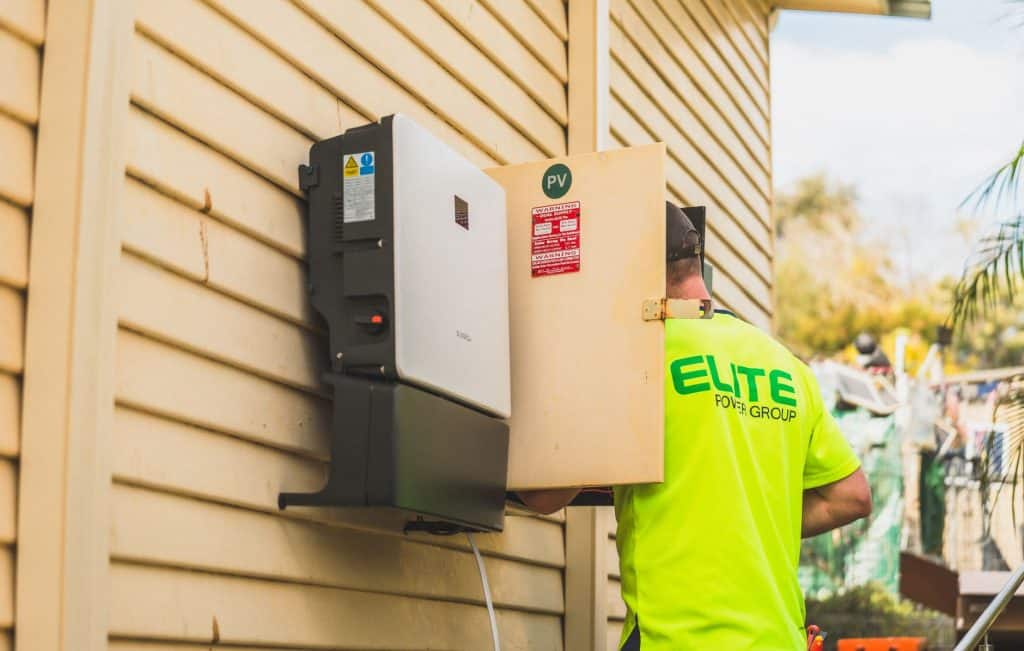
- Residential Solar: Typically consists of rooftop or property-scale systems capped at approximately 10 kilowatts (kW). These on-site installations primarily serve single-family homes or small businesses, directly offsetting onsite energy consumption.
- Energía solar comunitaria: Projects generally span from 500 kilowatts (kW) up to roughly 5 megawatts (MW), with an average around 1 MW per project. Subscribers purchase electricity or receive credits without owning the solar assets. This model increases access for customers lacking suitable rooftops or upfront capital for full installations and conforms with standardized interconnection and net metering policies set by regional utility commissions.
- Commercial and Utility-scale Solar: Encompassing ground-mounted arrays exceeding 5 MW and often reaching tens or hundreds of megawatts, these solar farms serve large commercial facilities, utilities, or wholesale energy markets. They deliver power directly to the grid under power purchase agreements (PPAs) or merchant market arrangements, subject to transmission availability and interconnection standards such as IEEE 1547.
An emerging sub-segment within this structure is agrivoltaica, which integrates dual land use for solar energy generation and agricultural production. Platforms like Solar Plus Garden combine a 10 MW solar installation with up to 3,000 agricultural garden plots managed through a separate legal entity. This model is subject to land-use regulations, zoning compliance, and operational coordination to optimize both solar yield and crop productivity.
Growth Trends and Market Share Dynamics in US Solar Segments (2026-2031)
Solar market segmentation is underscored by differential growth rates among residential, community solar, and commercial/utility-scale sectors, driven by policy, capital availability, and market maturity.
- Community Solar Growth: Exhibits projected compound annual growth rate (CAGR) over 30%, supported by expanding state-level community solar legislation—such as the Illinois Adjustable Block Program and Massachusetts SMART Program—and broader investor interest in subscription-based solar access. Recent data indicate that community solar capacity grew from 300 MW in 2023 to over 700 MW by 2025, with projections reaching multiple gigawatts by 2031.
- Residential Solar Expansion: Expected CAGR ranges between 10% and 15%, driven by declining module and installation costs (approximately 70% reduction since 2010), expanded financing options like Property Assessed Clean Energy (PACE) programs, and the continuation of favorable net energy metering (NEM) policies. Market data show residential systems averaging 7 kW per installation in 2025.
- Commercial and Utility-Scale: Growth remains significant but more cyclical, influenced by multiyear project financing procedures, interconnection queue backlogs often exceeding two years, and regional transmission infrastructure upgrades. Utility-scale capacity additions averaged 4 GW annually between 2020 and 2025, with expectations of sustained large-scale procurement driven by corporate renewable energy targets and state renewable portfolio standards (RPS).
Regional variation is pronounced—states with comprehensive community solar enabling laws, including New York’s Community Distributed Generation (CDG) program and Minnesota’s Community Solar Garden statute, report annual segment growth above the national average. Conversely, states without explicit community solar frameworks face slower uptake due to regulatory and utility participation uncertainties.
Investment and Access Mechanisms in Community Solar and Their Impact on Market Segmentation
Investment structures and subscriber arrangements are central to market segmentation, influencing accessibility for varying investor profiles and capital sources.
- Subscriber Models: Community solar participants generally engage via subscription fees, which can be upfront, monthly, or annual, granting entitlement to a proportional share of generated electricity credits. These models comply with established utility billing protocols and regulatory consumer protection standards, including transparent disclosure of savings and credit flow.
- Solar Plus Garden Membership Model: This specific platform applies a membership fee of €200 payable once for entry, alongside an optional €20 monthly fee for 18 annual deliveries of fresh garden produce. Membership funds are aggregated into a regulated, escrow-like financial structure compliant with Estonian and Serbian law, ensuring separation between solar investment proceeds and community activity expenses. This dual-value model links subscriber benefits to both solar and agronomic outputs.
- Ownership and Profit-Sharing: Community solar employs diverse ownership models ranging from single-entity ownership with subscriber lease arrangements to cooperative ownership structures with allocated revenue shares. These variations determine risk profiles, revenue certainty, and regulatory compliance obligations under securities and energy market laws.
Clear delineation between membership fees and direct solar investment mitigates operational risk, enhances investor confidence, and aligns with fiduciary standards. Solar Plus Garden’s escrow and entity separation serve as a compliance exemplar, reducing exposure to mismanagement and aligning financial flows with investor expectations.
Solar and Storage Integration Across Market Segments: Technical and Economic Considerations
Solar and storage integration introduces differentiated technical and economic dynamics across market segments, affecting system design, capital allocation, and revenue streams under evolving market rules.
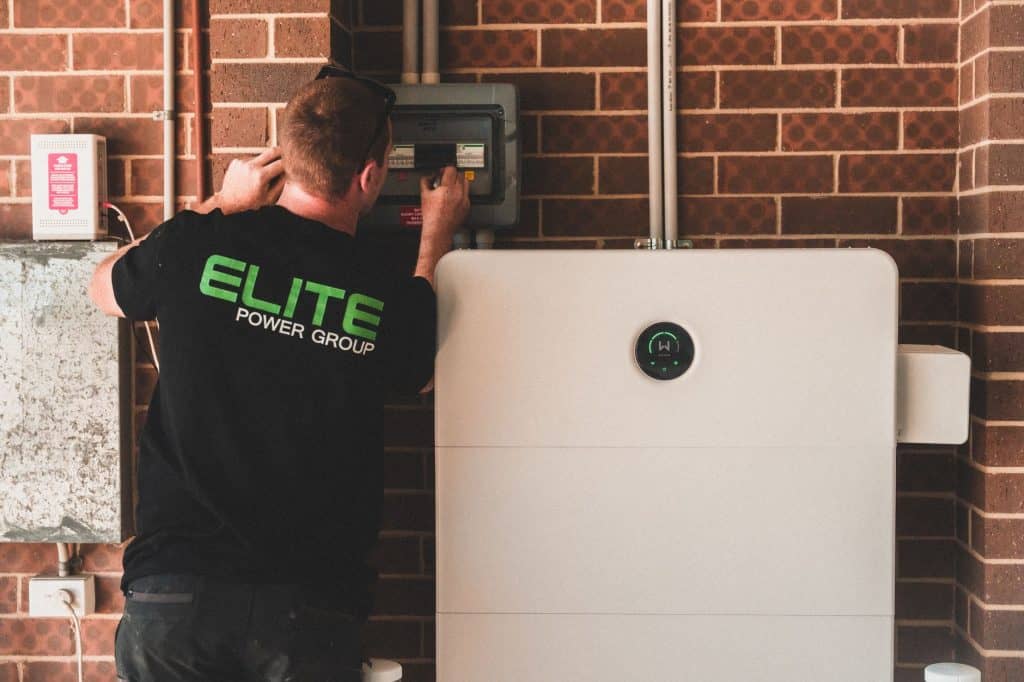
- Battery Capacity by Segment: Residential solar-plus-storage installations typically pair 5–15 kilowatt-hour (kWh) lithium-ion battery systems—such as Tesla Powerwall or LG Chem RESU models—capable of providing backup power during outages and enabling time-of-use arbitrage under utility rate structures.
- Community Solar Storage: Projects of approximately 1 MW scale incorporate battery energy storage systems (BESS) sized between 1 and 5 megawatt-hours (MWh), often consisting of modular Tesla Megapack or Fluence units. These allow peak shaving, load shifting, and participation in ancillary service markets, supported by regional transmission organization (RTO) rules such as those of PJM or CAISO.
- Impact on Valuation and Financing: Adding storage typically increases upfront capital costs by 20-40%, offset by enhanced revenues through value stacking mechanisms including demand charge management, frequency regulation, and capacity market participation. These returns depend on compliance with technical interconnection requirements (e.g., UL 1741 SA certification for inverters) and eligibility for evolving storage incentives like the federal Investment Tax Credit expansion.
Segment-specific storage integration reflects system size, load profiles, and regulatory frameworks. Residential systems prioritize reliability and local consumption optimization. Community and utility segments emphasize operational flexibility and grid services, affecting investor risk and return models and thereby reinforcing market segment differentiation.
Regulatory Frameworks Shaping US Solar Market Segmentation and Community Solar Growth
The solar market segmentation and community solar expansion are fundamentally influenced by federal and state regulatory regimes that establish compliance, eligibility, and incentive structures.
- Investment Tax Credit (ITC): Under the Inflation Reduction Act (IRA) provisions effective through 2032, community solar projects qualify for a 30% federal ITC, contingent on beginning construction within specified timelines and meeting prevailing wage and apprenticeship requirements. This subsidy significantly reduces capital expenditure and improves project bankability.
- Community Solar Enabling Laws: At least 23 states have enacted community solar legislation defining subscriber limits, project size caps (commonly 5 MW), and credit allocation protocols aligned with the National Renewable Energy Laboratory’s guidelines. These laws require transparent enrollment processes and standardized interconnection agreements, facilitating market expansion and investor certainty.
- Compliance and Escrow Payment Models: Regulatory mandates frequently require subscriber payments and credits to be managed through segregated escrow accounts or legally distinct entities to prevent commingling of funds and ensure accurate benefit distribution. Solar Plus Garden exemplifies this approach through its Estonian OÜ and Serbian DOO dual-entity structure, adhering to cross-jurisdictional financial compliance and investor protection standards.
Adherence to regulatory frameworks remains essential in reducing project financing risk and facilitating market acceptance. Investors should prioritize projects with demonstrable regulatory compliance, verified under applicable state commission rules and federal tax statutes.
Agrivoltaics and Its Niche Influence within the Solar Market Segmentation Framework
Agrivoltaics constitutes a specialized sub-segment combining solar energy production with synchronized agricultural activity, representing a land-use optimization strategy under evolving sustainability criteria.
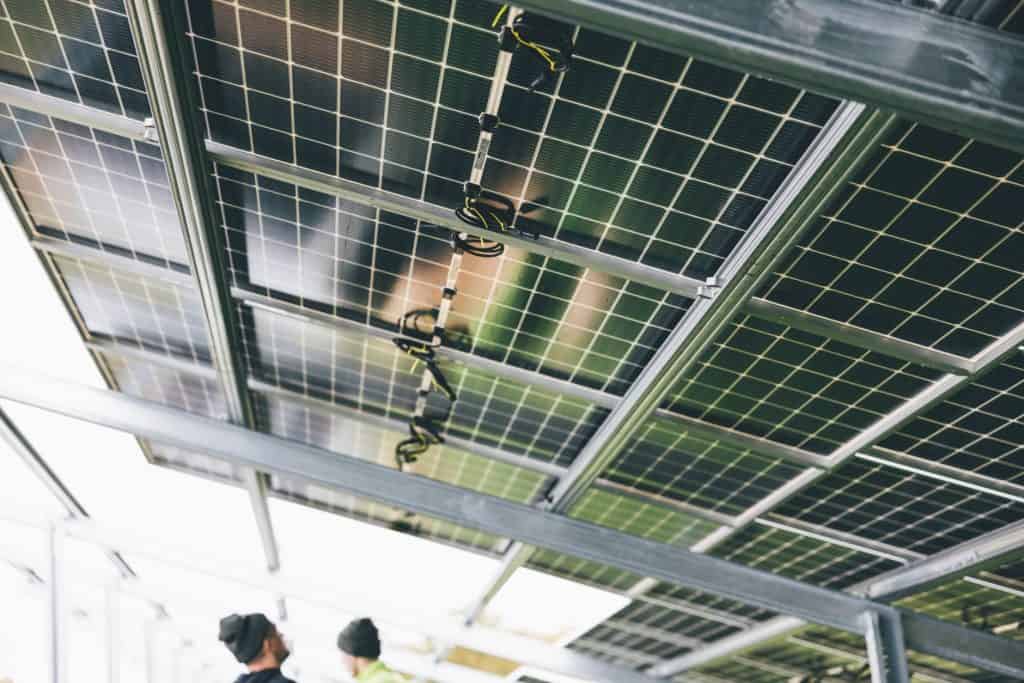
- Operational Principles: Agrivoltaic systems use elevated photovoltaic arrays mounted typically 3–5 meters above ground to permit crop growth underneath, with panel spacing carefully designed based on crop light requirements and solar yield optimization models validated in agronomy and photovoltaic engineering research.
- Solar Plus Garden Model: This platform couples a 10 MW utility-scale photovoltaic installation with up to 3,000 individual garden boxes allocated to community members. The garden plots and solar infrastructure are governed by separate legal entities—Estonian OÜ for solar asset ownership and a Serbian DOO for garden community operations—enabling distinct financial and operational management while maintaining integrative benefits.
- Capacity and Parcel Limits: Limits on garden parcel numbers and solar capacity adhere to land use plans and ensure manageable operational scales. The Garden community supports membership at approximately €200 one-time, aligning with Solar Plus Garden’s scalable community model underpinned by transparent payment and escrow processes.
Agrivoltaics’ integration of renewable energy with agriculture requires bespoke contractual and legal frameworks, positioning it as a niche yet scalable segment within solar market segmentation. Its dual resource use potentially enhances community engagement and environmental impact metrics.
Investor Profiles and Their Alignment with Different Solar Market Segments
Investment participation in solar market segments varies by capital commitment, risk tolerance, and expected financial return, shaping product design and marketing strategies.
- Small and Medium Investors: Typically gravitate to community solar due to its relatively low minimum equity thresholds—Solar Plus Garden facilitates entry starting at €500 plus membership fees—and lesser operational responsibilities. This investor cohort values transparency, regulatory clarity, and predictable subscription revenue models.
- Institutional Investors: They predominantly engage with commercial and utility-scale solar projects requiring multi-million-euro capital commitments. Their investment processes involve comprehensive due diligence, including regulatory risk assessment, long-term PPA credit quality evaluation, and sophisticated project risk modeling.
- Risk and ROI Expectations: Community solar offers moderate risk owing to subscription-based cash flows and regulatory frameworks ensuring credit allocation. Utility-scale projects exhibit higher capital risk but offer potentially greater capital appreciation and diversification benefits. Residential investors focus on system payback periods, typically between 6 and 9 years depending on net metering policies and local incentives.
Solar Plus Garden’s transparent membership and escrow-backed structure exemplify an accessible pathway for small and medium investors, expanding participation beyond traditional equity models and enhancing diversification in the investor base.
Preguntas frecuentes
- What is community solar and how does it differ from residential solar?
- Community solar consists of centralized large-scale solar projects (typically 0.5 to 5 MW) that multiple subscribers access via subscription or membership without owning the equipment. Residential solar refers to systems up to 10 kW installed on a single property and directly owned or leased by the homeowner. Community solar expands access to solar benefits for property owners without suitable rooftop or capital for direct installation.
- How does the Solar Plus Garden membership model support investment in community solar?
- Solar Plus Garden requires a one-time membership fee of €200, supplemented by optional monthly fees tied to jardinera produce delivery. These fees fund solar project equity investments managed through a tightly controlled escrow payment system, maintaining clear financial separation between community activities and energy investments.
- What are the growth prospects for community solar in the US market through 2031?
- With state legislation enabling projects and growing investor participation, community solar exhibits an annual growth rate exceeding 30%. Capacity additions are bolstered by subscription models that lower entry barriers and regulatory frameworks that increase market transparency.
- How does integrating storage with solar impact market segmentation and project viability?
- Integration of battery energy storage systems enhances project economics and grid service potential, with residential storage systems commonly sized around 10 kWh and community solar projects deploying storage up to 5 MWh. This affects financing complexity, potential revenue sources, and consequently investor interest within distinct segments.
Conclusión
Understanding solar market segmentation is pivotal for strategic investment and project development. Community solar, exemplified by transparent and regulated membership-based models like Solar Plus Garden, represents a rapidly expanding segment that leverages financial accessibility and integrates environmental with community benefits.
Investment decisions should incorporate regulatory compliance, technical integration of solar and storage, and investor profile alignment. Anticipated regulatory advancements in storage incentives and refinement of agrivoltaic frameworks will influence future segmentation and investment flows, emphasizing the necessity for ongoing market insight and targeted adaptation.
Lecturas relacionadas
- Proyecciones exhaustivas del crecimiento del mercado solar y perspectivas de inversión para 2026.
- Oportunidades de inversión en parques solares 2026: Una guía completa para invertir en energía solar.
- Invierta hoy en energía solar: Su guía completa para la inversión en energías renovables sostenibles.